










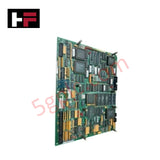
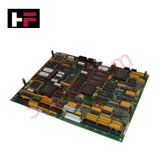
Product Details
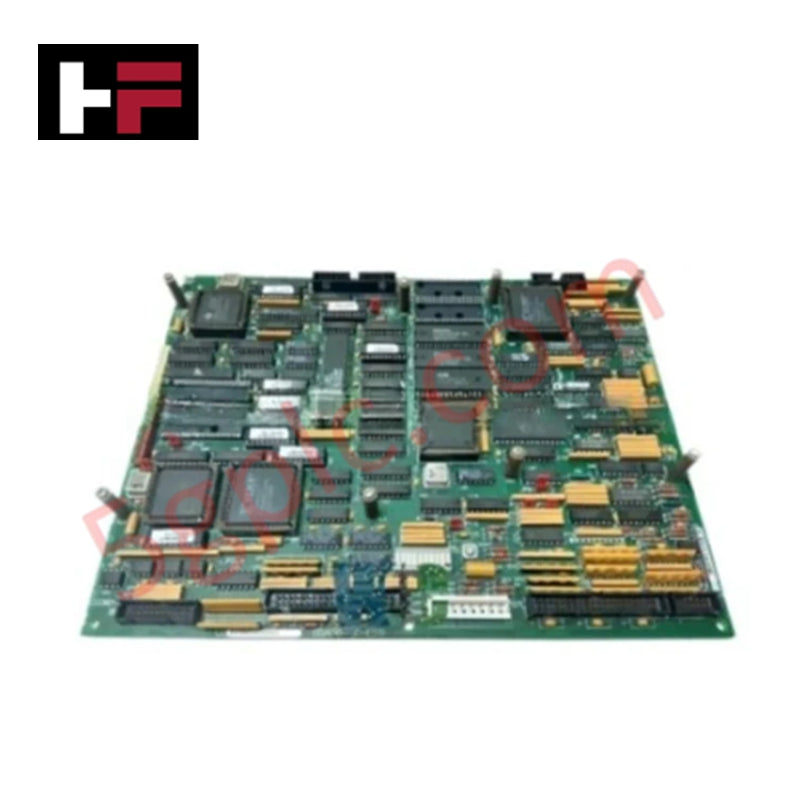
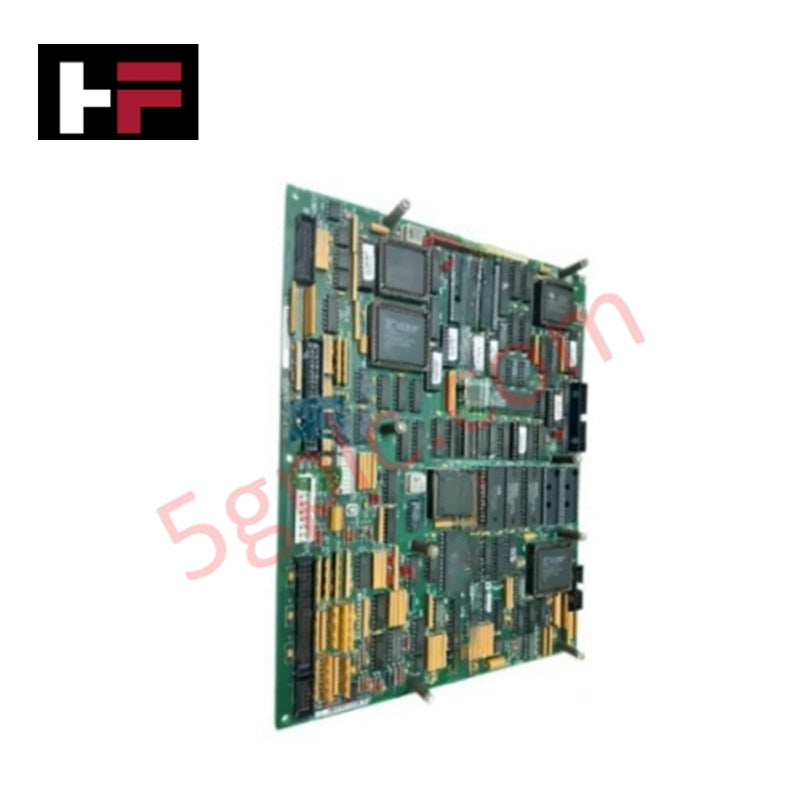
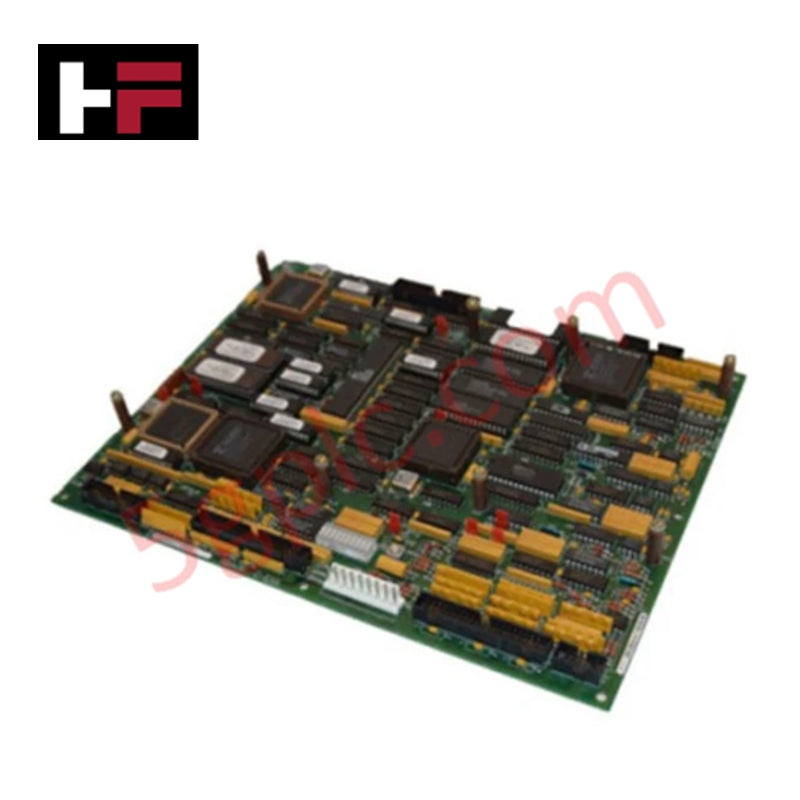
Configured for motion control and signal processing within TC2000 and Mark V turbine control platforms, the General Electric DS200SDCCG5A (DS200SDCCG5 Drive Control Card) provides direct physical/electrical execution.
Hardware Specifications
| Parameter | Specification |
|---|---|
| Model | DS200SDCCG5A |
| Brand | General Electric |
| Origin | USA |
| Weight | 1.5 lb |
| Dimensions | Standard Mark V PCB footprint |
| Operating Temp | Per Mark V environmental requirements |
| Power Consumption | Backplane rail supply |
| Processing | 3 x microprocessors with shared RAM |
| Configuration | 5 x EPROM slots (4 factory, 1 user) |
Industrial Control and Firmware Compatibility
The DS200SDCCG5A utilizes a multi-processor architecture to execute deterministic drive control tasks. The card requires precise firmware flash compatibility; the software stored on the EPROM modules (U11, U12, U22, U23, U9) must be matched to the host system requirements to ensure stable operation. It supports I/O density scaling through the integration of auxiliary boards, which connect via dedicated standoffs and ribbon cables to expand signal processing capabilities or enable network connectivity. Backplane bus communication velocity is fixed by factory-set jumpers; these must remain in their original positions to maintain the deterministic timing required for co-motor control math calculations.
Frequently Asked Questions
Q: Can the factory-set jumpers be reconfigured to change board behavior?
A: No. Jumpers on the DS200SDCCG5A are set at the factory to define specific board address and bus configurations. Altering these settings will result in unpredictable drive behavior or communication faults.
Q: Is this card compatible with all Mark V auxiliary boards?
A: The card includes standard interface connectors and standoffs for auxiliary board mounting. Compatibility is limited to modules specifically designed for the TC2000/Mark V SDCC interface. Refer to manual GEI-100029C for supported auxiliary part numbers.
Field Installation Guidelines
- Static Discharge Protection: The board contains highly sensitive microprocessor and memory components. Always wear a grounded anti-static wrist strap when handling the PCB.
- Auxiliary Mounting: When installing auxiliary cards, use the provided standoffs to ensure mechanical stability. Tighten screws to the specified torque to prevent vibration-induced intermittent connections.
- Cable Seating: Verify that all ribbon cable connectors are fully seated and latched. Misaligned pins can lead to bus communication errors or damage to the microprocessor interface.
- Firmware Integrity: When replacing or updating EPROM modules, ensure correct orientation (notch alignment) to prevent shorting the address or data bus lines.
- Mounting: Secure the board into the Mark V rack using the front panel screws. Ensure the backplane connector is fully engaged before applying power to the drive assembly.
Additional Information
- 100% Genuine Parts: All products are original and authentic, ensuring reliable industrial performance.
- 30-Day Refund Guarantee: Return any in-stock item within 30 days in original, unopened packaging for a full refund (excluding shipping and fees).
- 12-Month Warranty: Covers defects in materials or workmanship; excludes misuse, normal wear, or unauthorized modifications.
- Worldwide Shipping: We ship via USPS, UPS, FedEx, and DHL. Delivery times vary by country and may be subject to customs or import fees.
- Support & Contact: Technical and warranty assistance is available anytime. Contact us here: Contact.
- Purchase Guidance: Check product specifications and compatibility carefully before ordering to ensure proper application.


Tech & Buying Guide

Comprehensive Guide to Noise Types in Industrial Automation and Electronics

Mitigating Emergency Stop Spurious Trips in Industrial Control Systems
Emergency stop (E-Stop) pushbuttons serve as vital safety devices in factory automation and process control plants. Functional safety standards mandate normally-closed (NC) contact blocks to ensure fail-safe operation during wiring breaks or power outages. However, mechanical degradation over time can trigger unexpected spurious trips, halting production lines without an actual emergency. Understanding the underlying causes of mechanical contact failure allows automation engineers to implement robust, fault-tolerant safety circuits.
Redundant Automation Systems: Maximizing Uptime in Critical Control Applications
Industrial automation relies on continuous operational stability to prevent catastrophic downtime and financial loss. While standard dictionary definitions treat redundancy as superfluous, industrial engineers consider redundant control architectures indispensable for high-availability systems. Implementing backup hardware ensures seamless takeover during primary equipment failures, protecting critical infrastructure across manufacturing and process industries.