










Product Details
Product Overview
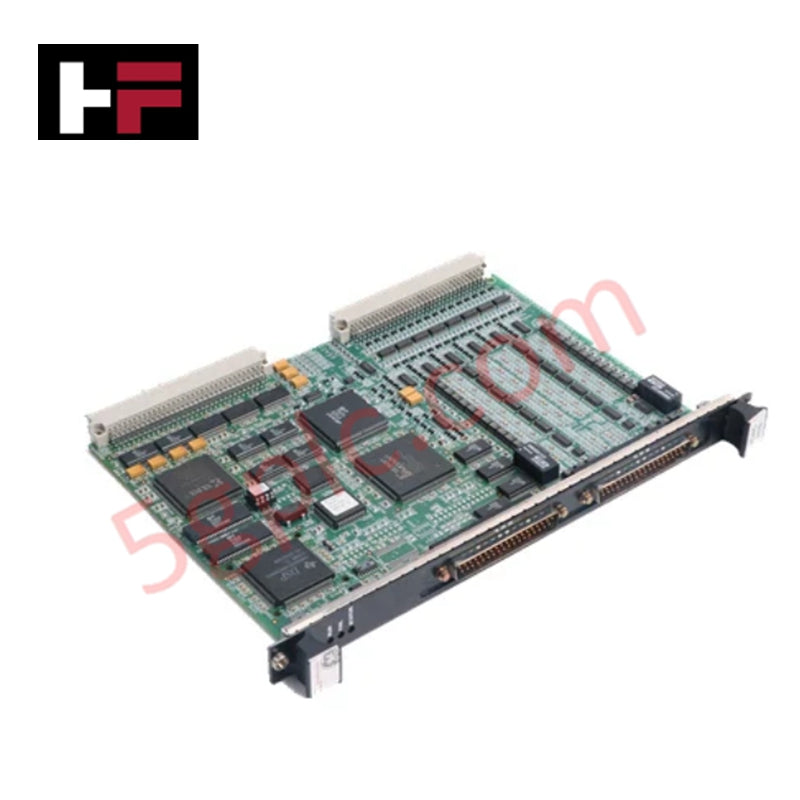
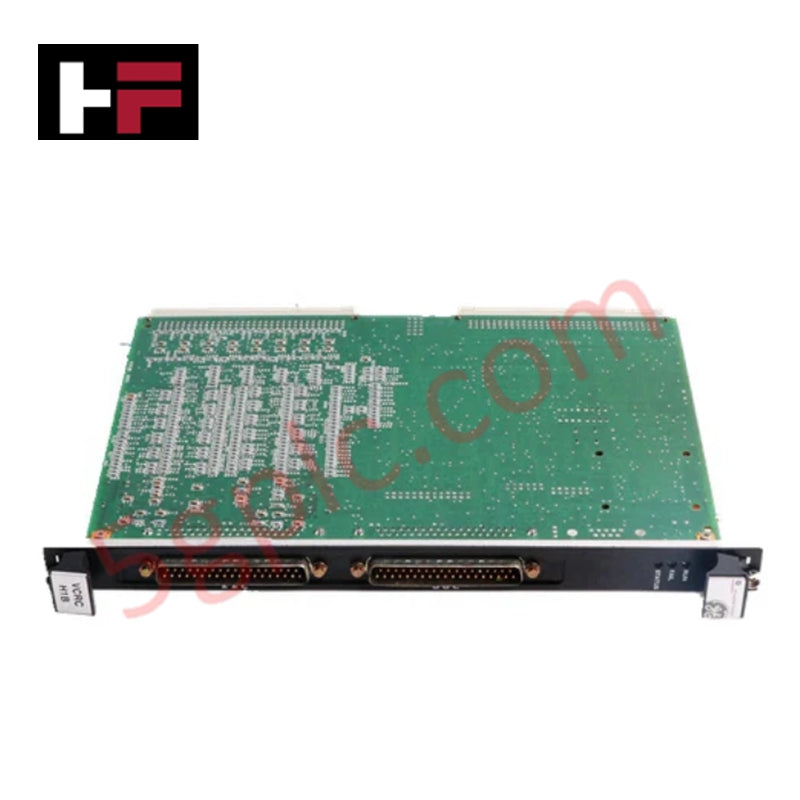
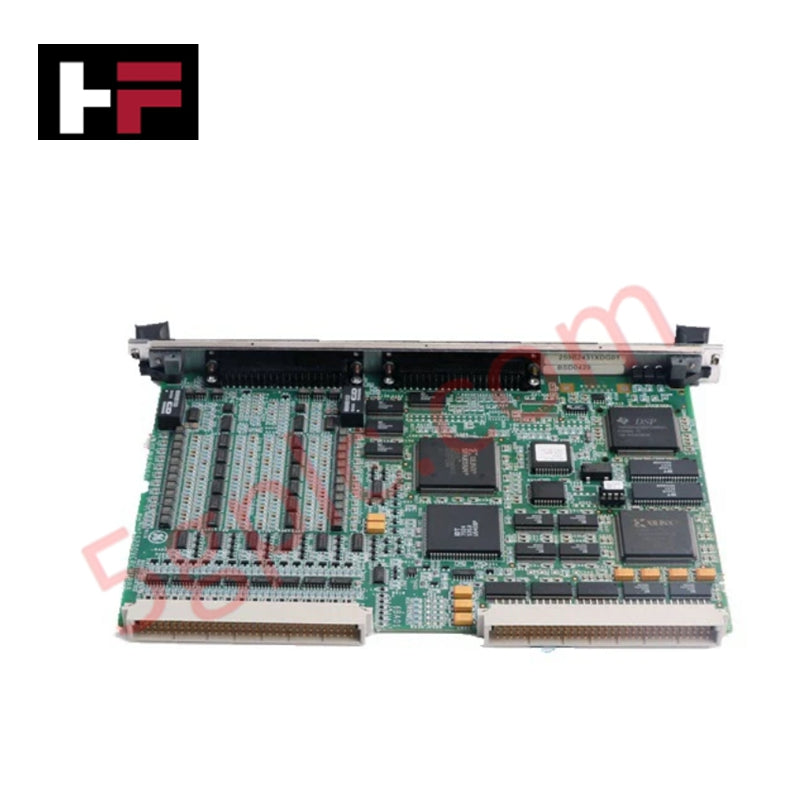
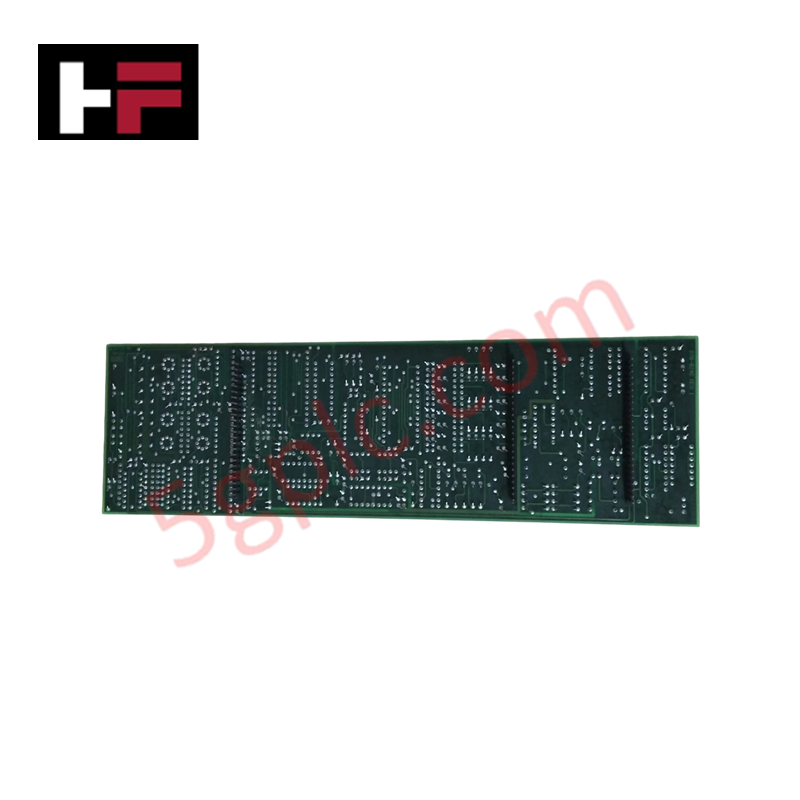
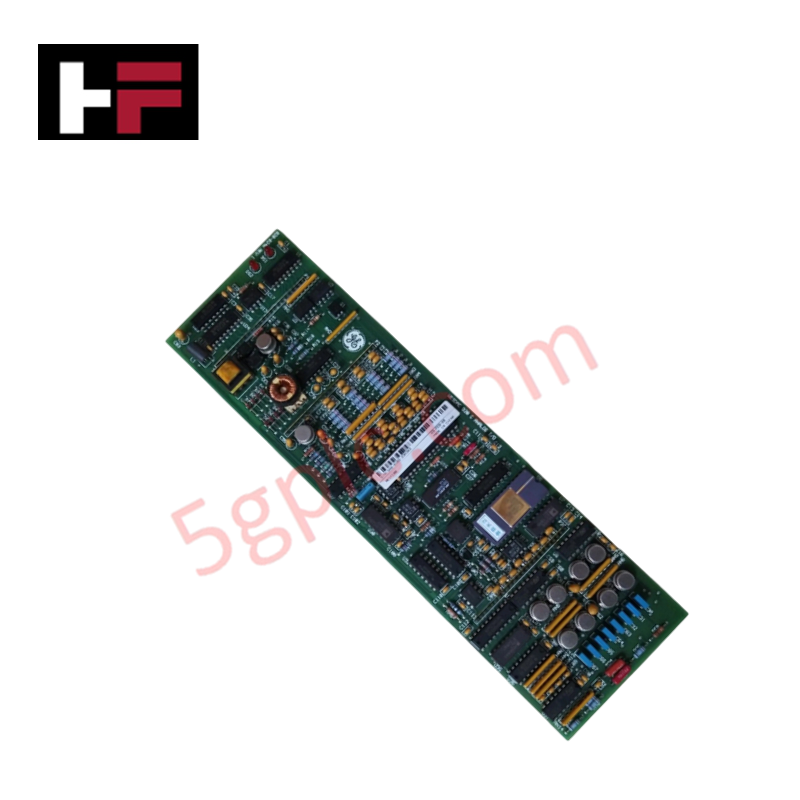
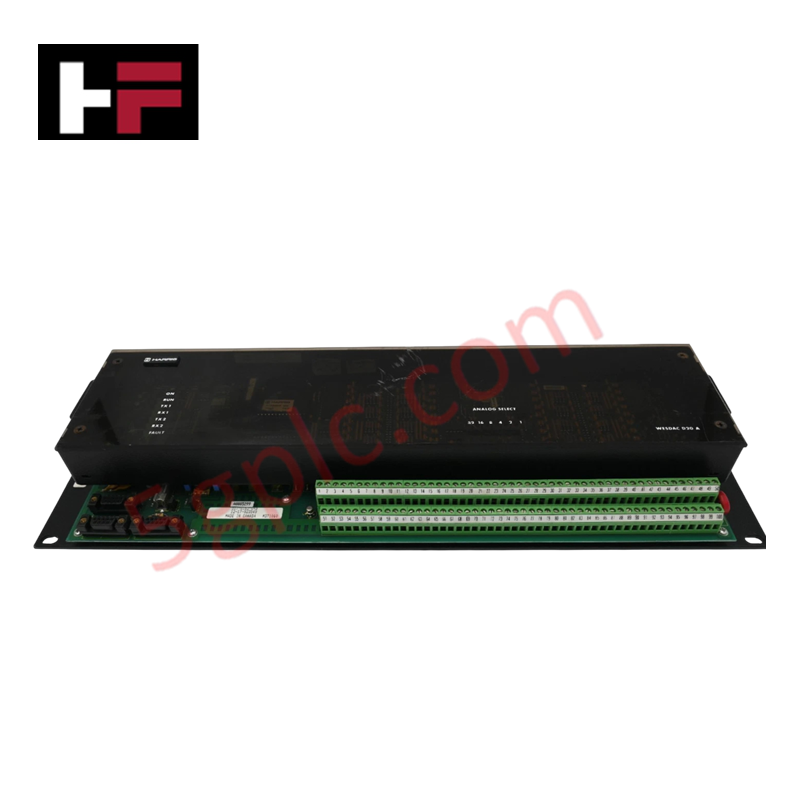
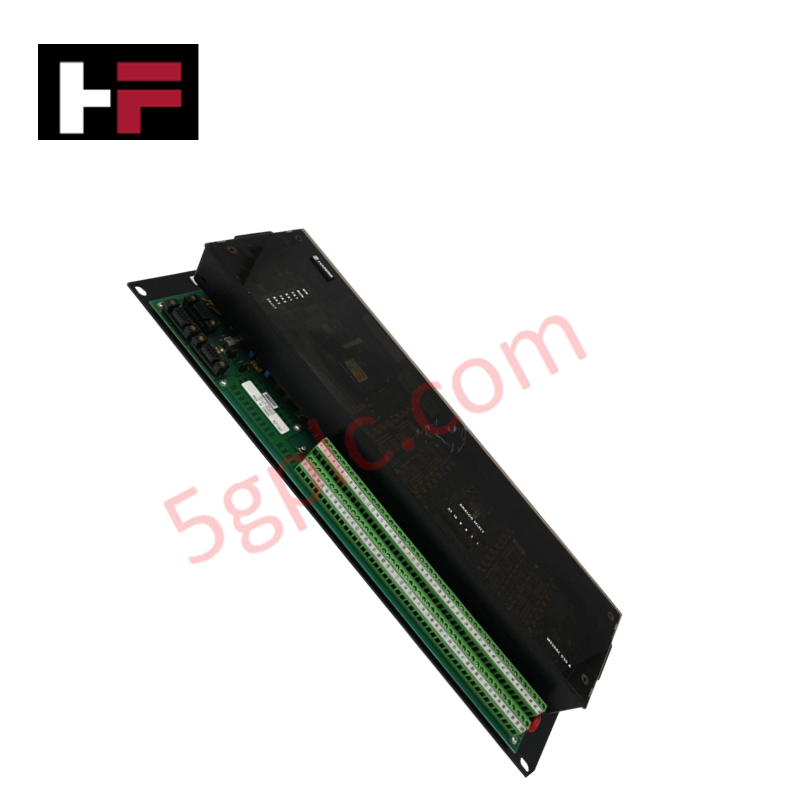
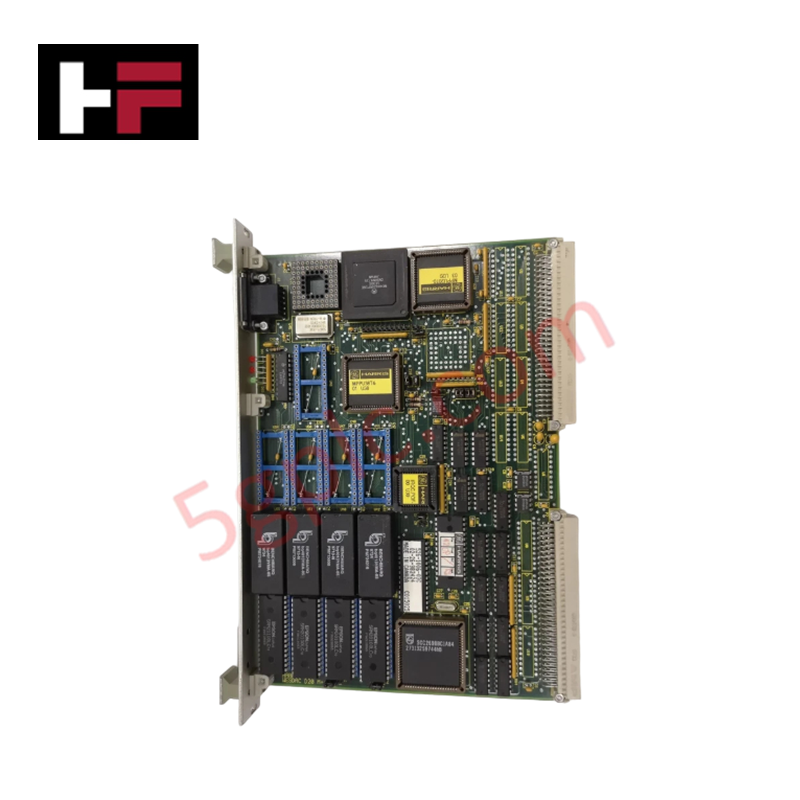
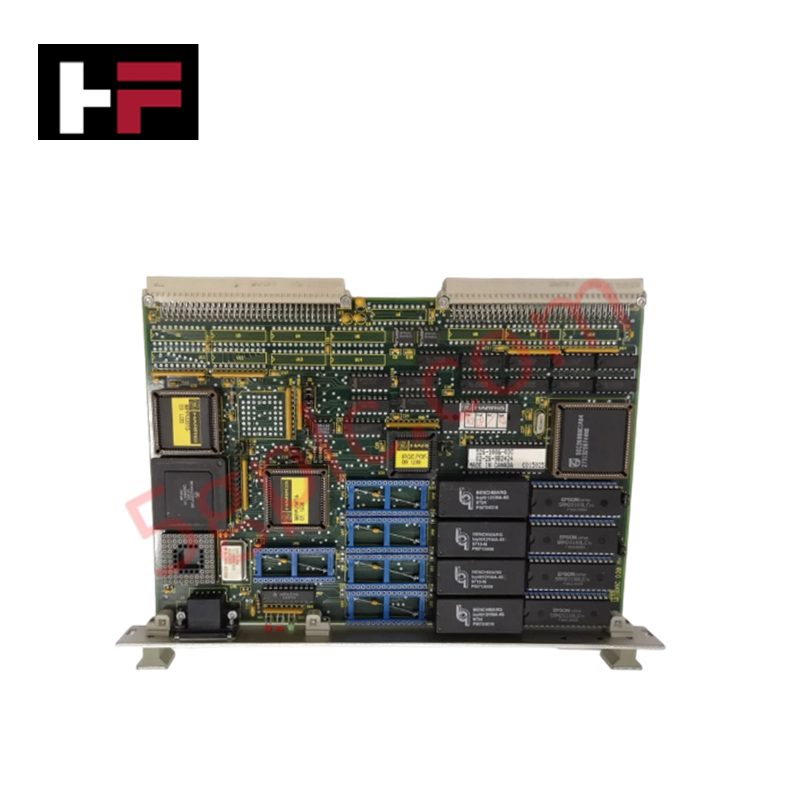
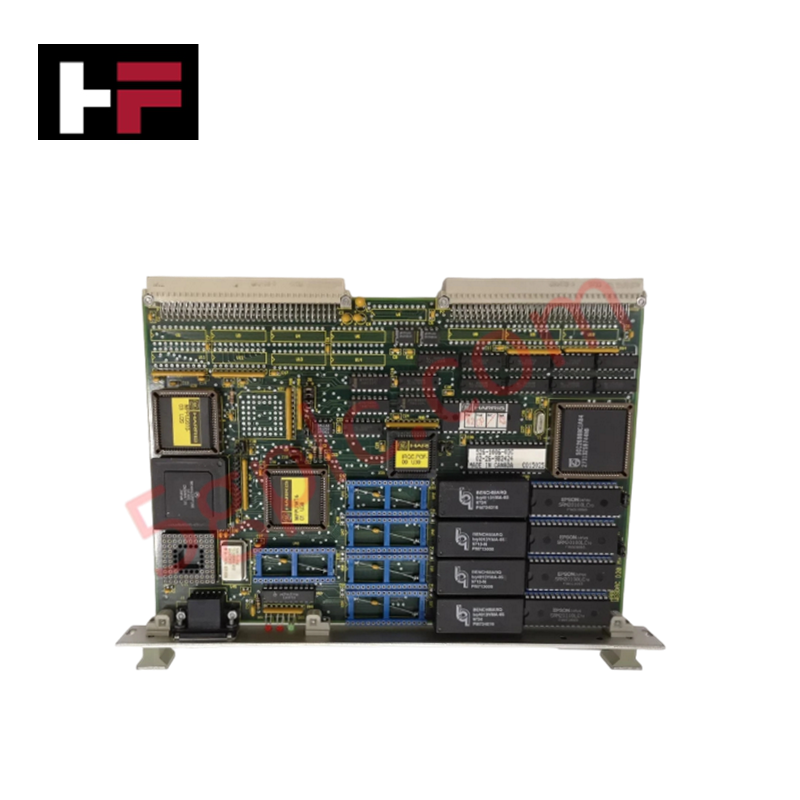
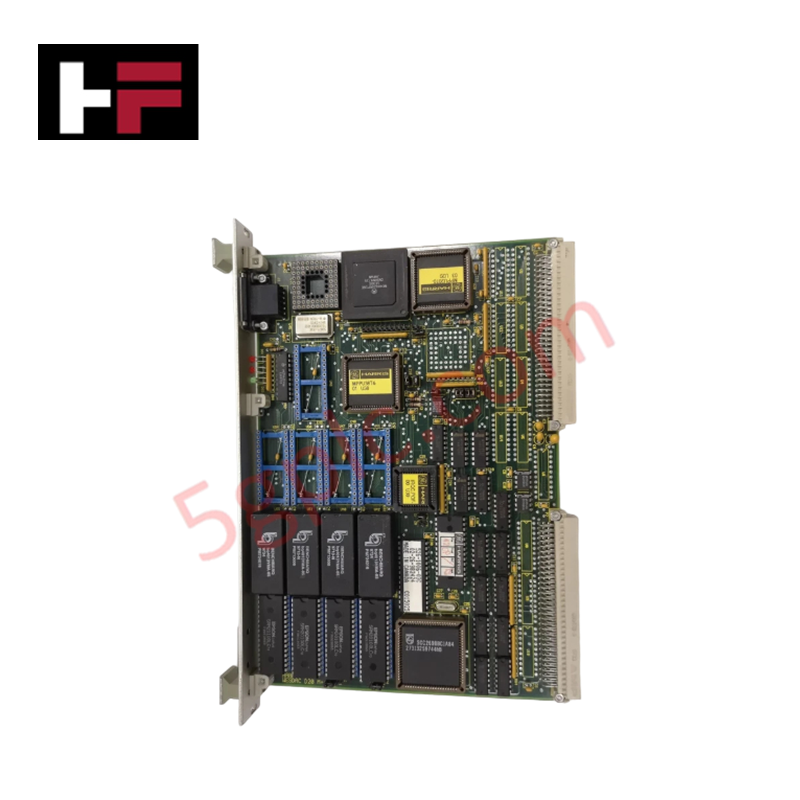
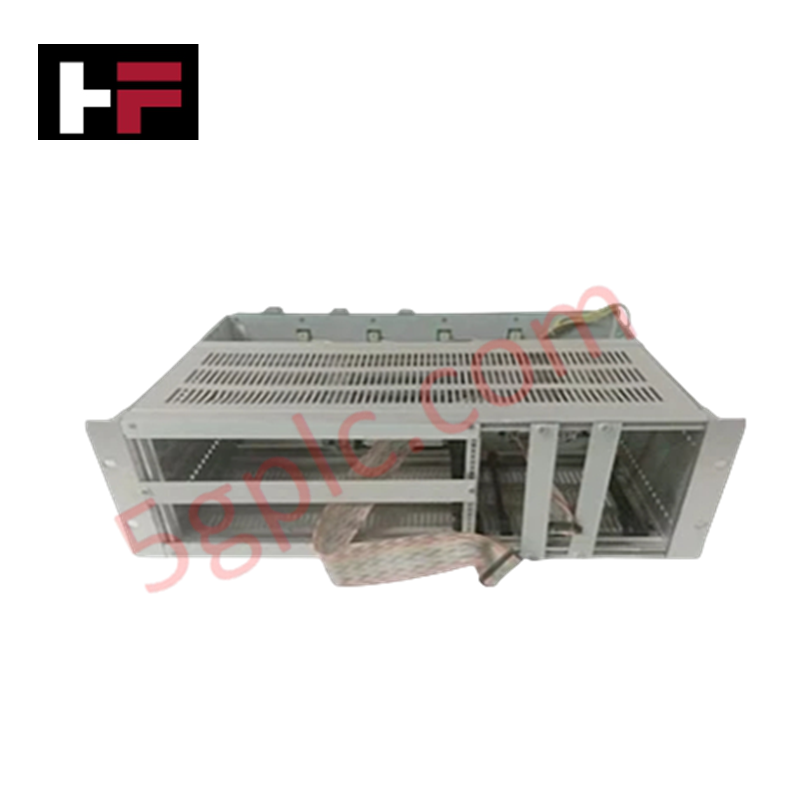
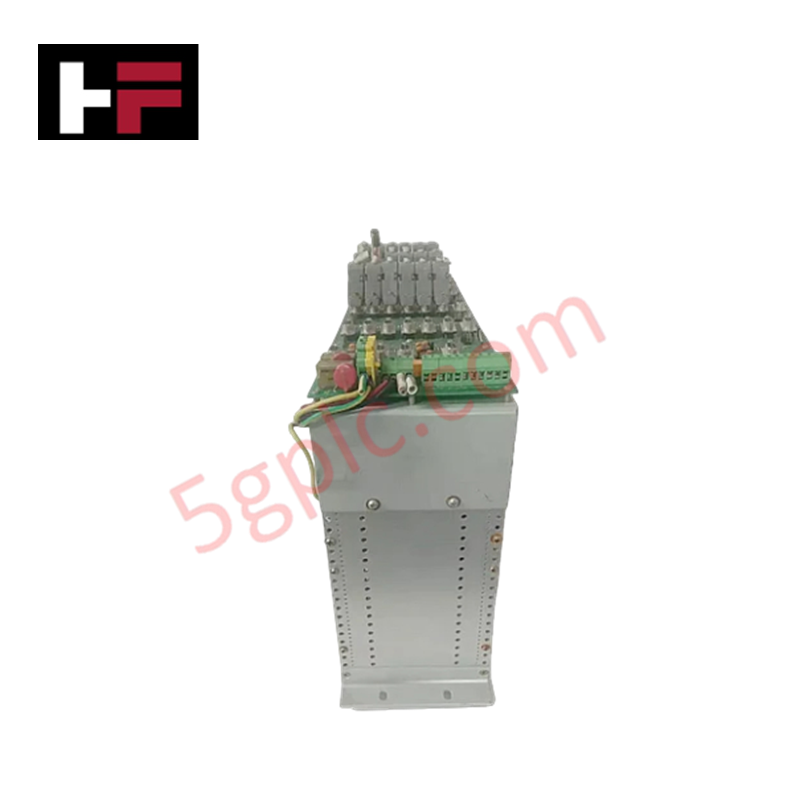
The IS200VTURH1BAB functions as a high-precision Vibration Transducer Interface Module within the General Electric Mark VI Speedtronic control architecture. This 100% Brand New original board digitizes complex vibration data from seismic, proximity, and acceleration transducers mounted on gas or steam turbines. It serves as the primary gateway for critical rotating machinery health data, allowing the Mark VI system to monitor shaft vibration, axial thrust, and bearing housing stability. By processing 6 independent analog voltage inputs, the VTUR module provides the high-fidelity signal acquisition required for both continuous monitoring and protective trip sequences.
Technical Specifications
The IS200VTURH1BAB utilizes a ruggedized PCB design optimized for the high-voltage and high-noise environments of power generation facilities.
| Feature | Specification Details |
| Manufacturer | General Electric (GE) |
| Part Number | IS200VTURH1BAB |
| Series | Mark VI |
| Product Type | Vibration Transducer Interface Module |
| Analog Voltage Inputs | 6 Channels |
| Board Voltage Rating | 125 V DC |
| Common Mode Voltage Range | ±5 V |
| Operating Temperature | 0 to 60 °C (32 to 140 °F) |
| Dimensions | 11.00 x 9.00 x 3.00 inches |
| Country of Origin | United States (USA) |
| Manual Reference | GEH-6421I |
Engineering Advantages
-
High-Integrity Signal Isolation: The board carries a 125 V DC rating and manages a ±5 V common mode voltage range. This hardware architecture filters out electrical offsets and ground loops, ensuring that electromagnetic interference from large turbine generators does not corrupt sensitive vibration waveforms.
-
Multi-Channel Transducer Support: Six dedicated analog voltage inputs reside on a single module. This density allows for the simultaneous monitoring of multiple bearing points or X-Y vibration planes, providing a comprehensive 360-degree profile of shaft dynamics within a compact rack footprint.
-
Synchronized Data Acquisition: The VTUR board synchronizes its 6 input channels to ensure time-coherent sampling. This synchronization proves vital for phase-angle measurements and orbit analysis, enabling maintenance teams to pinpoint mechanical imbalances or misalignment with high surgical precision.
-
Direct Mark VI Backplane Integration: The module interfaces directly with the VME backplane of the Mark VI rack. This high-speed data path eliminates the latency associated with external transmitters, providing the governor with the near-instantaneous data required for emergency over-vibration protection.
FAQs
-
Is this IS200VTURH1BAB module a brand-new original?
Yes. We supply this unit as a 100% Brand New original GE factory component. Each module arrives in its original anti-static shielding with all OEM inspection markings intact to guarantee field reliability.
-
Which types of sensors are compatible with the 6 analog inputs?
The IS200VTURH1BAB typically accepts voltage signals from various industrial transducers, including eddy current proximity probes and seismic velocity sensors. You must configure the input scaling and sensor excitation through the GEH-6421I system software to match your specific field hardware.
-
What precautions should I take during installation?
Always ensure the Mark VI rack power remains off during module insertion to protect the VME backplane pins. Additionally, verify that the field wiring shields terminate at the designated ground points on the terminal board to maintain the module's rated noise rejection performance.
-
Does this board require manual calibration?
The IS200VTURH1BAB features factory-calibrated signal paths. While the Mark VI system performs periodic self-diagnostics to ensure gain accuracy, the hardware itself does not require manual potentiometer adjustments, simplifying long-term maintenance cycles.
Additional Information
- 100% Genuine Parts: All products are original and authentic, ensuring reliable industrial performance.
- 30-Day Refund Guarantee: Return any in-stock item within 30 days in original, unopened packaging for a full refund (excluding shipping and fees).
- 12-Month Warranty: Covers defects in materials or workmanship; excludes misuse, normal wear, or unauthorized modifications.
- Worldwide Shipping: We ship via USPS, UPS, FedEx, and DHL. Delivery times vary by country and may be subject to customs or import fees.
- Support & Contact: Technical and warranty assistance is available anytime. Contact us here: Contact.
- Purchase Guidance: Check product specifications and compatibility carefully before ordering to ensure proper application.
Tech & Buying Guide

Understanding Types of Noise in Electronic Circuits and Control Systems
Signal integrity directly determines measurement accuracy and loop stability across industrial automation environments. Electronic noise introduces unwanted stochastic interference into analog loops, sensor feedback lines, and digital fieldbus networks. Understanding how intrinsic electronic noise and external electromagnetic interference manifest allows control engineers to optimize signal conditioning and shield sensitive instrumentation effectively.

Why 24V DC Power Supplies Standardize Modern Industrial Automation
Industrial control cabinets worldwide rely on 24V DC as the universal power standard for field instrumentation, sensors, and controllers. Walk into any manufacturing plant, and you will find PLCs, human-machine interfaces (HMIs), and smart actuators running on extra-low voltage DC. Standardizing on 24V DC enhances operational safety, lowers cabinet footprint, and maintains steady control performance across factory networks.

Essential Motion Control Commands: A Practical Guide for Engineers
Automation engineers often rely on precise position and speed control to drive modern factory machinery. Modern industrial systems, such as Programmable Logic Controllers (PLCs) and Distributed Control Systems (DCS), depend heavily on standardized motion instructions. Mastering these commands ensures operational safety, protects mechanical components, and optimizes cycle times across production lines.