












Product Details
Product Overview
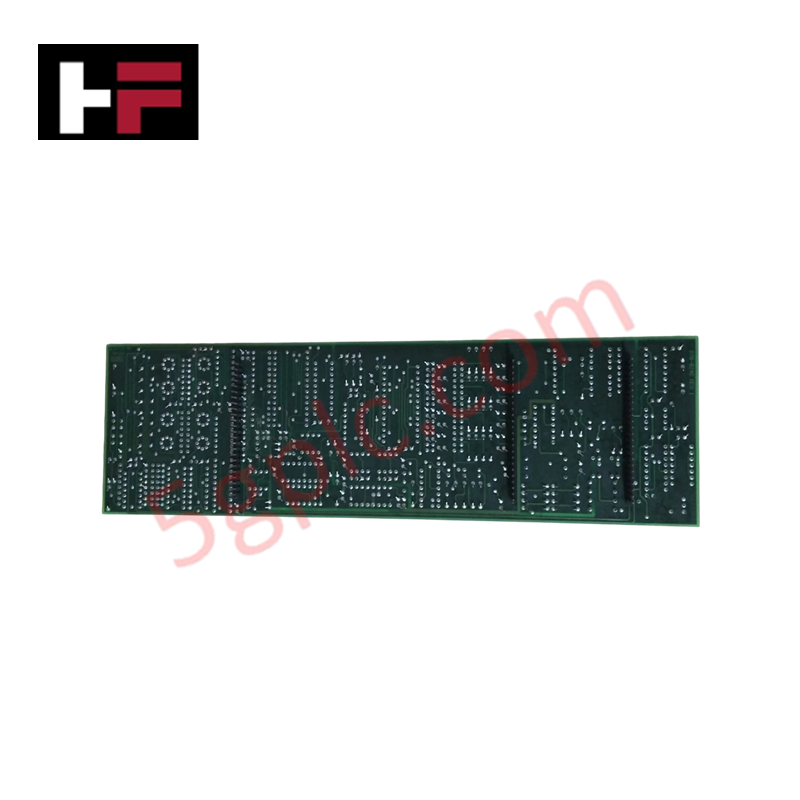
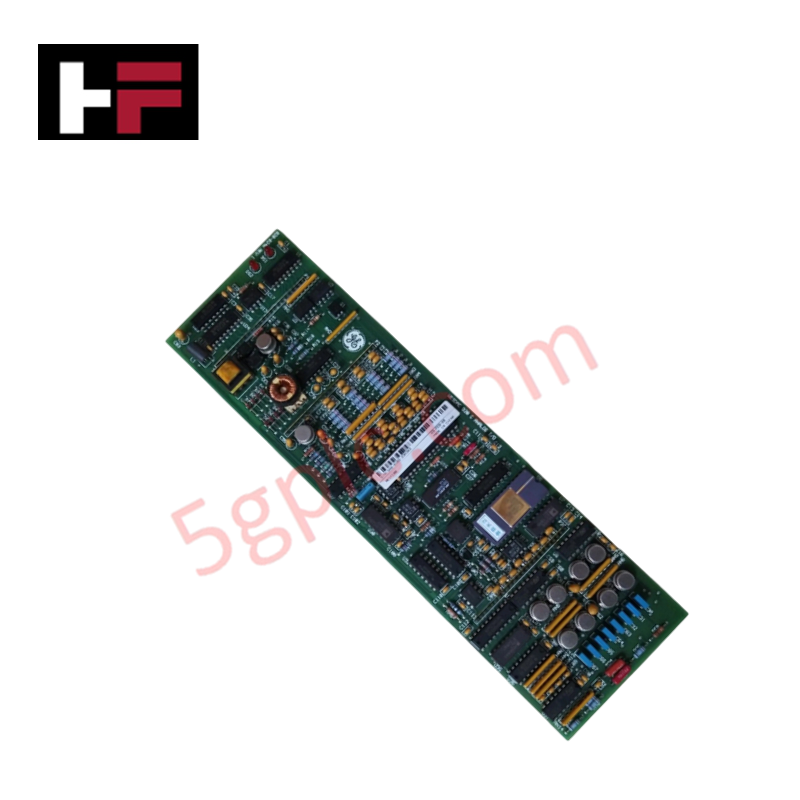
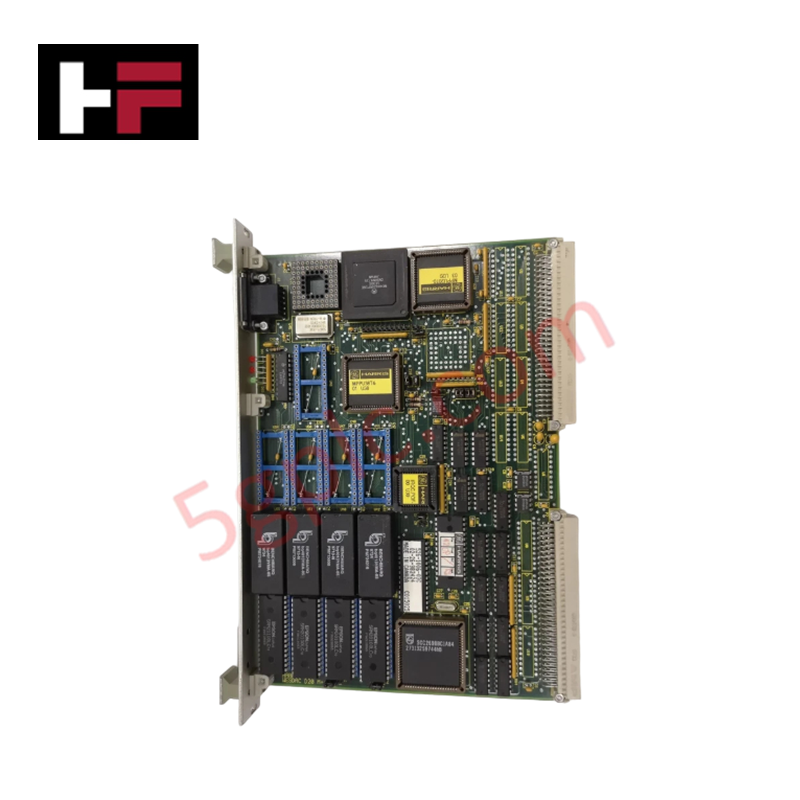
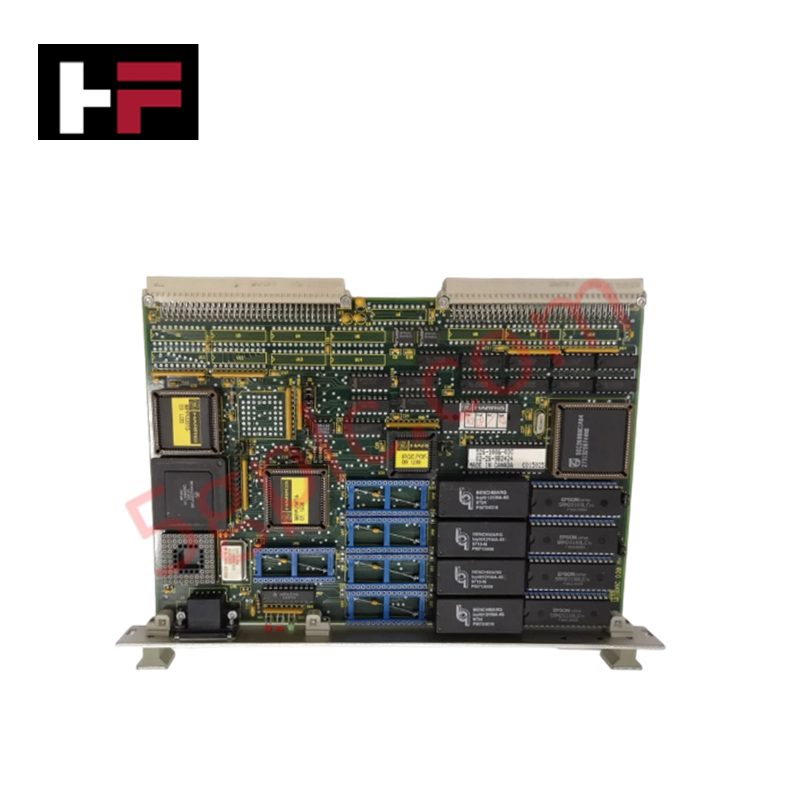
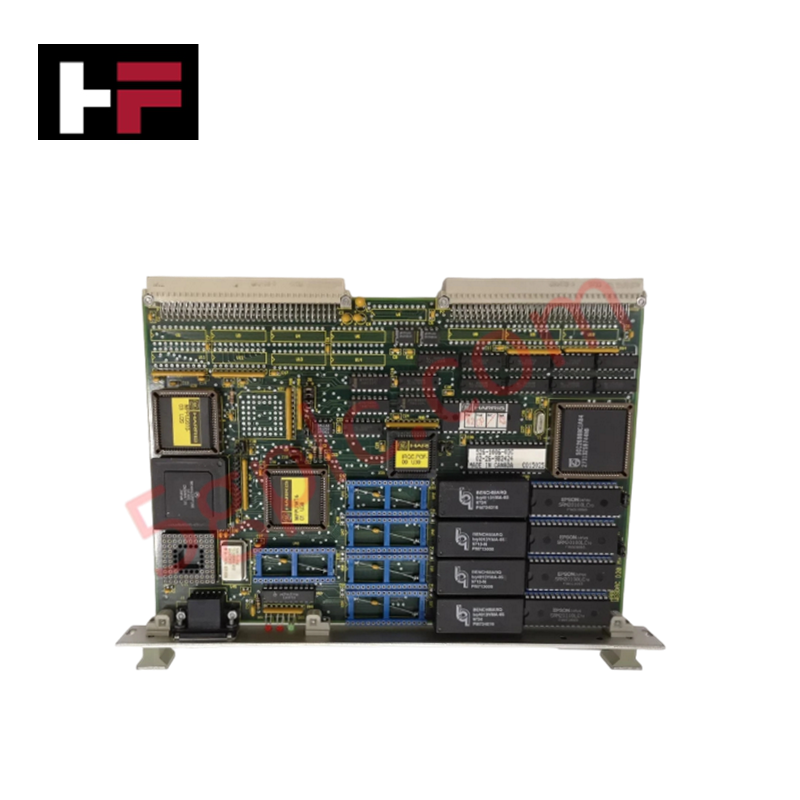
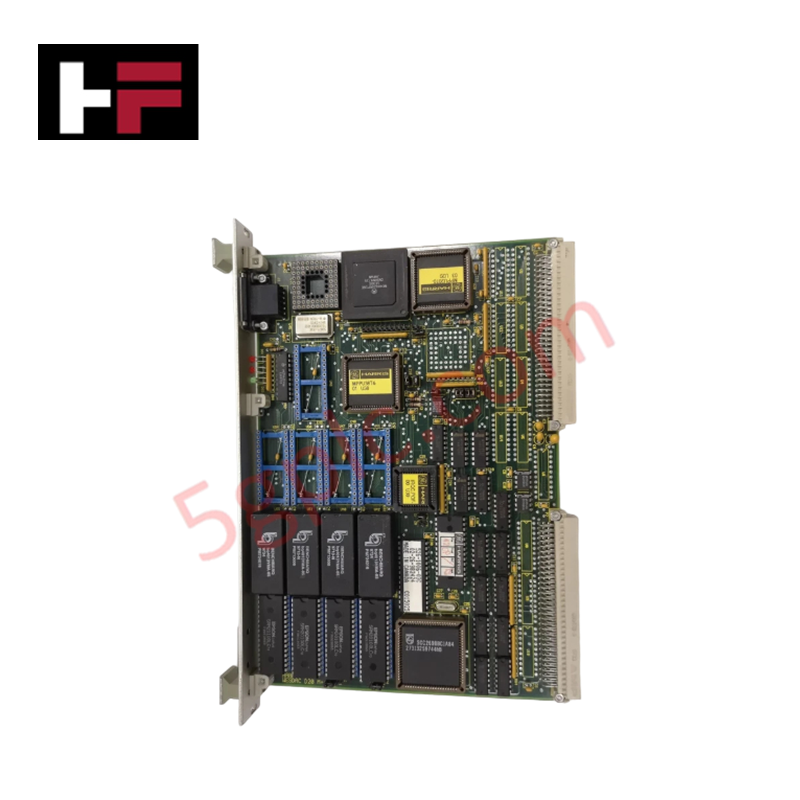
The IS200ESELH1AAA functions as a critical Exciter Collector Board within the General Electric Mark VI Speedtronic control system. This 100% Brand New original component manages the bridge between logic-level control and power-stage execution in steam and gas turbine excitation systems. It receives logic-level gate pulses from the EMIO board and processes these signals to drive the excitation bridge. By handling up to six independent gate pulse signals, the ESEL board ensures precise synchronization of the turbine generator’s field current, maintaining grid stability and voltage regulation.
Technical Specifications
The IS200ESELH1AAA incorporates a high-density circuit architecture to ensure rapid signal response and noise immunity.
-
Manufacturer: General Electric (GE)
-
Series: Mark VI Speedtronic
-
Part Number: IS200ESELH1AAA
-
Signal Capacity: Processes up to 6 gate pulse signals
-
Interface: Two high-density backplane connectors
-
Visual Diagnostics: 3 LED Status Indicators (Power, Active, Gating)
-
Input Source: EMIO Board (Logic level gate pulses)
-
Component Density: Includes over 200 resistors, plus integrated capacitors, transistors, and diodes
-
Form Factor: Narrow faceplate design for high-density rack mounting
Engineering Advantages
-
Flexible System Architecture: The IS200ESELH1AAA supports both Simplex and Triple Modular Redundant (TMR) configurations. In Simplex systems, a single board manages the gate pulses, while TMR systems utilize two boards (driven by M1 and M2) to provide the fault tolerance required for mission-critical power generation.
-
Precision Signal Conditioning: Integrated circuits and a network of over 200 high-precision resistors filter and condition the gate pulse signals. This hardware-level processing eliminates signal jitter and ensures the excitation bridge receives clean, deterministic pulses.
-
Real-Time Status Monitoring: The faceplate features three distinct LEDs—Power, Active, and Gating. These indicators allow maintenance personnel to verify power health and signal activity at a glance, significantly reducing troubleshooting time during startup or maintenance intervals.
-
Rugged Backplane Interfacing: Two robust backplane connectors facilitate secure electrical and mechanical seating. This design resists the high-vibration environments typically found near turbine decks, preventing intermittent signal loss.
FAQs
-
Is the IS200ESELH1AAA board brand new?
Yes. We supply this board as 100% Brand New original GE factory stock. It arrives in its original protective packaging with the GE logo and board ID clearly marked for authenticity.
-
How many ESEL boards do I need for a TMR system?
A standard TMR (Triple Modular Redundant) configuration requires two ESEL boards. One board interfaces with the M1 controller and the other with M2 to ensure redundant gating paths for the excitation system.
-
What is the function of the "Gating" LED on the faceplate?
The Gating LED illuminates when the board actively processes gate pulse signals from the EMIO board. If the turbine is running but the LED remains dark, it indicates a failure in pulse reception or internal board logic.
-
Does this board require manual calibration?
The IS200ESELH1AAA utilizes fixed-precision components for signal processing. While the Mark VI system software manages overall excitation parameters, the board itself functions as a hardware interface and typically requires no manual potentiometer adjustments.
Additional Information
- 100% Genuine Parts: All products are original and authentic, ensuring reliable industrial performance.
- 30-Day Refund Guarantee: Return any in-stock item within 30 days in original, unopened packaging for a full refund (excluding shipping and fees).
- 12-Month Warranty: Covers defects in materials or workmanship; excludes misuse, normal wear, or unauthorized modifications.
- Worldwide Shipping: We ship via USPS, UPS, FedEx, and DHL. Delivery times vary by country and may be subject to customs or import fees.
- Support & Contact: Technical and warranty assistance is available anytime. Contact us here: Contact.
- Purchase Guidance: Check product specifications and compatibility carefully before ordering to ensure proper application.
Tech & Buying Guide

Understanding Types of Noise in Electronic Circuits and Control Systems
Signal integrity directly determines measurement accuracy and loop stability across industrial automation environments. Electronic noise introduces unwanted stochastic interference into analog loops, sensor feedback lines, and digital fieldbus networks. Understanding how intrinsic electronic noise and external electromagnetic interference manifest allows control engineers to optimize signal conditioning and shield sensitive instrumentation effectively.
Why 24V DC Power Supplies Standardize Modern Industrial Automation
Industrial control cabinets worldwide rely on 24V DC as the universal power standard for field instrumentation, sensors, and controllers. Walk into any manufacturing plant, and you will find PLCs, human-machine interfaces (HMIs), and smart actuators running on extra-low voltage DC. Standardizing on 24V DC enhances operational safety, lowers cabinet footprint, and maintains steady control performance across factory networks.

Essential Motion Control Commands: A Practical Guide for Engineers
Automation engineers often rely on precise position and speed control to drive modern factory machinery. Modern industrial systems, such as Programmable Logic Controllers (PLCs) and Distributed Control Systems (DCS), depend heavily on standardized motion instructions. Mastering these commands ensures operational safety, protects mechanical components, and optimizes cycle times across production lines.