










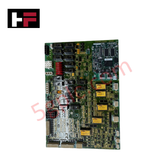
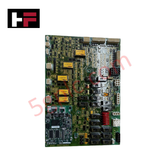
Product Details
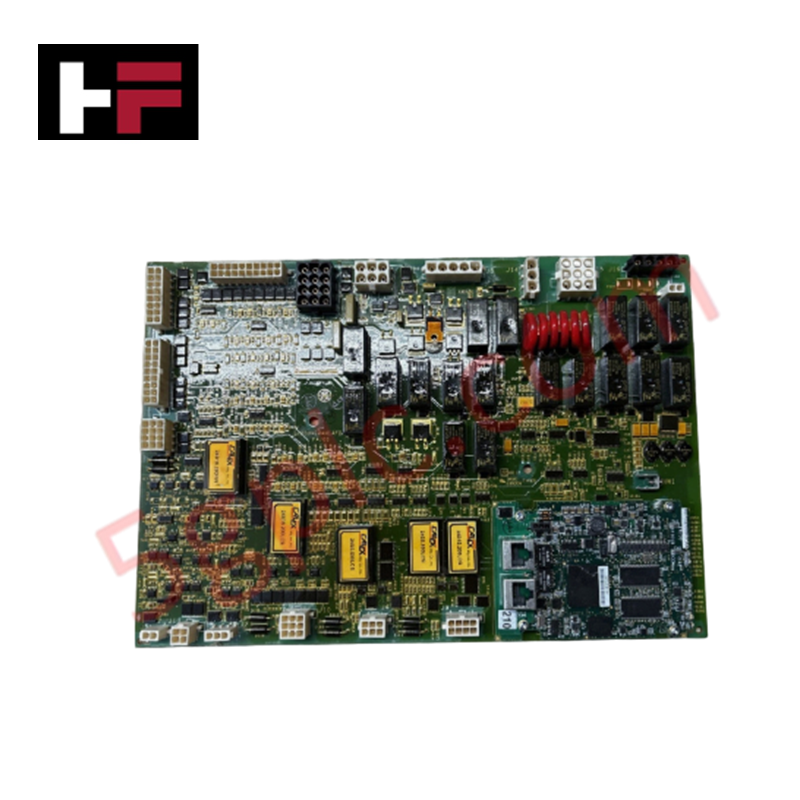
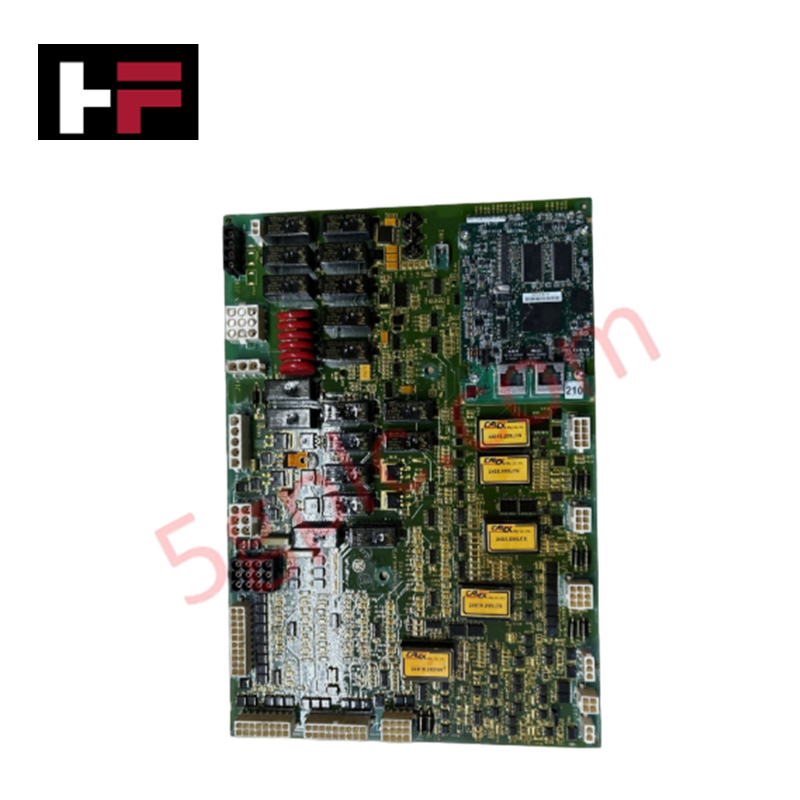
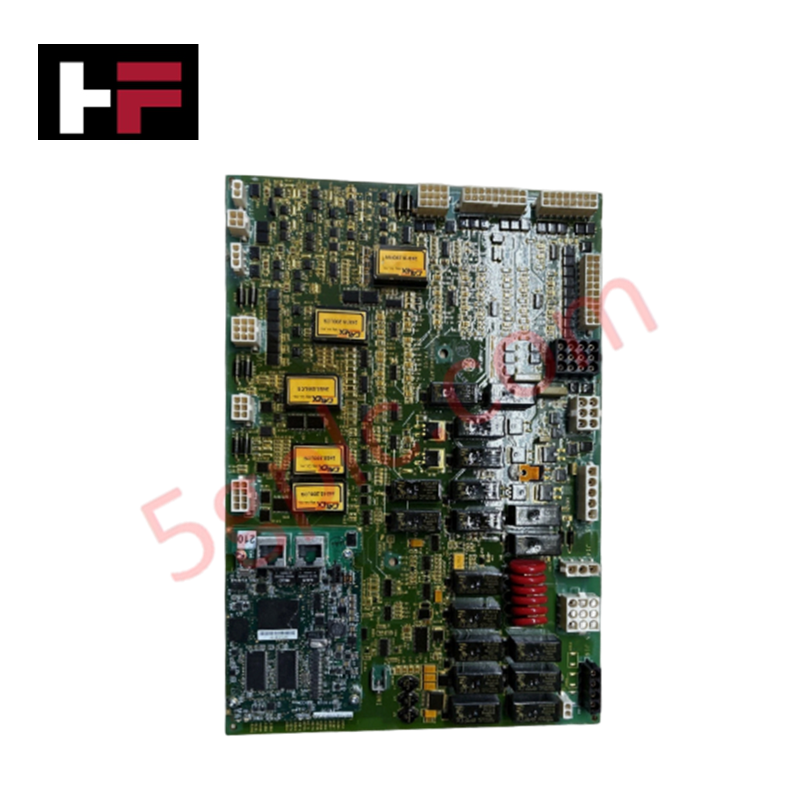
The GE IS200AEPAH1ACB, also cataloged as the IS200AEPA Analog Input Card, operates as a dedicated hardware component for analog input signal processing and system integration within GE Fanuc automation and control systems.
Hardware Specifications
| Parameter | Specification |
|---|---|
| Model | IS200AEPAH1ACB |
| Brand | GE / General Electric |
| Origin | USA |
| Weight | 0.76 kg |
| Dimensions | 812 mm x 516 mm x 825 mm |
| Operating Temp | Industrial Cabinet Operating Limits |
| Power Consumption | Rack Backplane Powered |
| Product Type | Analog Input Card |
| Onboard Processor | High-Performance Processing Architecture |
| Communication Protocols | Ethernet, Modbus TCP/IP |
Backplane Bus Communication Velocity and Firmware Flash Compatibility
The IS200AEPAH1ACB processes incoming field analog signals and transfers digitized data blocks over high-speed system buses without introducing loop latencies. High-speed signal sampling maintains backplane bus communication velocity across adjacent controller slots. Integrated non-volatile memory chips retain onboard board identity and flash configurations, ensuring firmware flash compatibility and immediate parameter synchronization during rack startup sequences.
Frequently Asked Questions
Q: How does the IS200AEPAH1ACB communicate processed analog data to higher-level controllers?
A: The board transmits digitized analog values via integrated backplane channels supporting Ethernet communication and Modbus TCP/IP protocols.
Q: What precautions should be taken regarding hot-swapping the IS200AEPAH1ACB card?
A: The rack frame must be powered down or put into a maintenance state to prevent transient bus errors before inserting or removing the module.
Q: Are manual jumper changes required when updating system firmware?
A: No, internal flash registers automatically verify firmware flash compatibility and load required parameter settings directly from the main processor.
Field Installation Guidelines
- Power down the controller rack enclosure and isolate auxiliary signal sources prior to board insertion or removal.
- Wear an ESD grounding wrist strap connected to an unpainted metal surface of the control cabinet frame.
- Slide the IS200AEPAH1ACB card smoothly into the designated card guide slot until the edge connectors engage the backplane socket.
- Tighten top and bottom faceplate captive screws to secure the physical assembly into place.
- Ensure all field signal cable shields are grounded at a single point to prevent ground loop interference on analog input channels.
Additional Information
- 100% Genuine Parts: All products are original and authentic, ensuring reliable industrial performance.
- 30-Day Refund Guarantee: Return any in-stock item within 30 days in original, unopened packaging for a full refund (excluding shipping and fees).
- 12-Month Warranty: Covers defects in materials or workmanship; excludes misuse, normal wear, or unauthorized modifications.
- Worldwide Shipping: We ship via USPS, UPS, FedEx, and DHL. Delivery times vary by country and may be subject to customs or import fees.
- Support & Contact: Technical and warranty assistance is available anytime. Contact us here: Contact.
- Purchase Guidance: Check product specifications and compatibility carefully before ordering to ensure proper application.


Tech & Buying Guide

Mastering VFD Braking Theory and Mechanical Brake Sequencing in Industrial Automation
In industrial automation, variable frequency drives (VFDs) regulate motor speed and torque across manufacturing plants and material handling systems. However, certain heavy-duty applications experience external loads that can rotate the motor shaft without an active command. For instance, gravity pulls loads downward in unanchored hoisting equipment. Therefore, engineers integrate mechanical brakes with VFD logic to maintain absolute safety and prevent structural damage or personnel injury during shutdowns.

Optimizing Tank Level Control Using Proportional Algorithms in PLC Systems
Industrial automation engineers frequently encounter liquid level regulation challenges across diverse process plants. Traditional ON-OFF control mechanisms often disrupt system stability due to abrupt actuator switching. Therefore, upgrading to closed-loop architectures like proportional control yields smoother responses. In a typical PLC environment, such as Siemens TIA Portal, engineers utilize closed-loop feedback to minimize process errors without requiring full PID complexity.

Understanding Why Your PLC Enters Stop Mode: Causes and Troubleshooting
In industrial automation, programmable logic controllers (PLCs) serve as the core intelligence of modern factory automation and distributed control systems (DCS). Understanding how a PLC transitions between modes is vital for maintenance engineers. Typically, a PLC operates across four primary modes: Run, Stop, Start-Up, and Hold. When power is applied, the system immediately boots into Stop mode before initiating the Start-Up sequence. If the controller encounters a critical error during execution, it automatically reverts to Stop mode to prevent equipment damage. Therefore, monitoring these state transitions helps technicians maintain high system availability.