










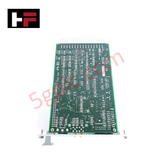
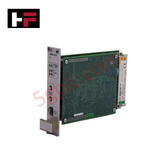
Product Details
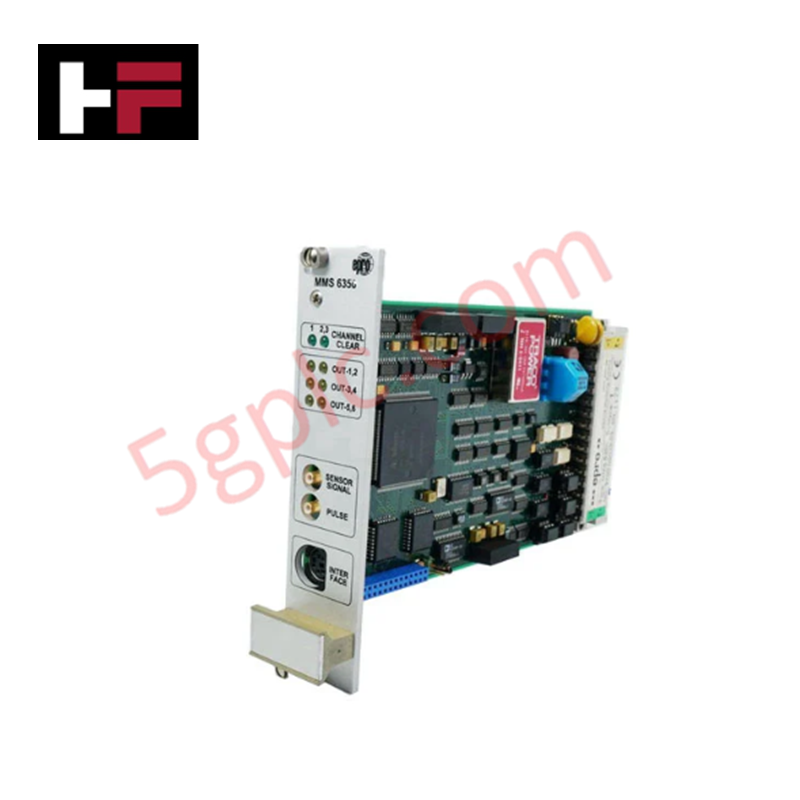
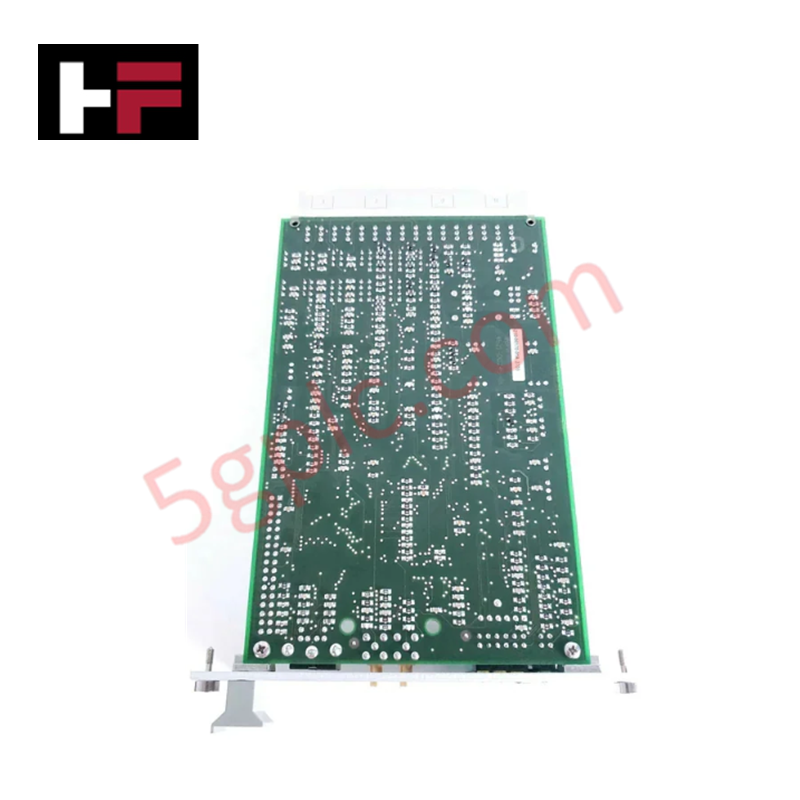
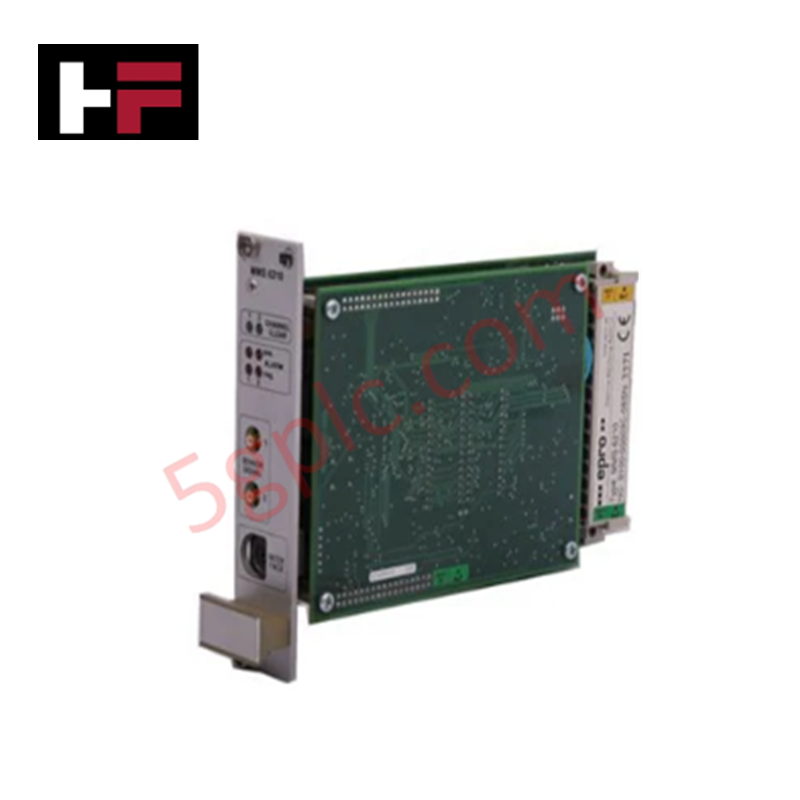
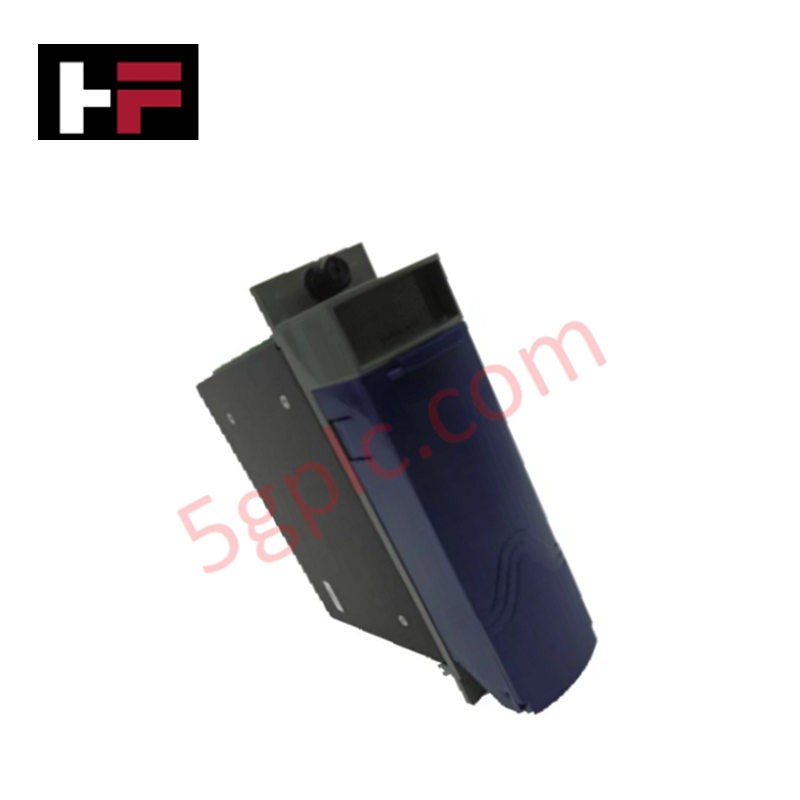
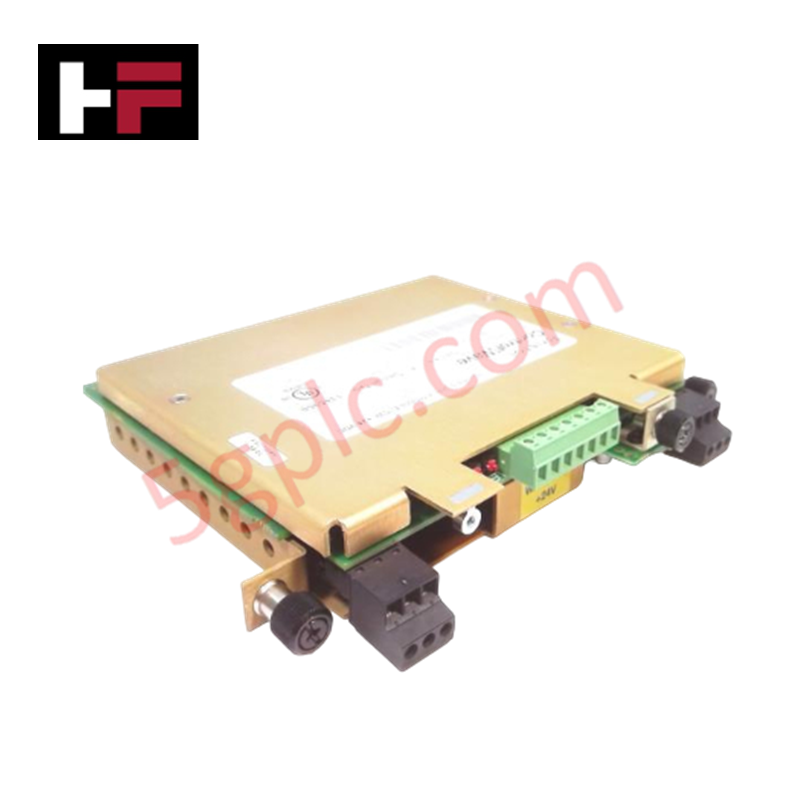
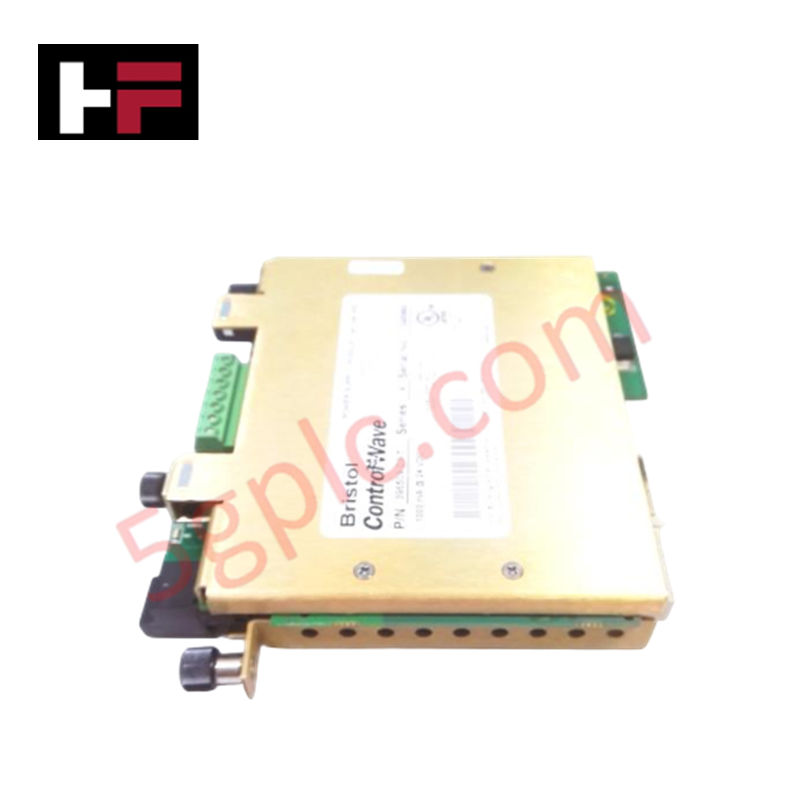
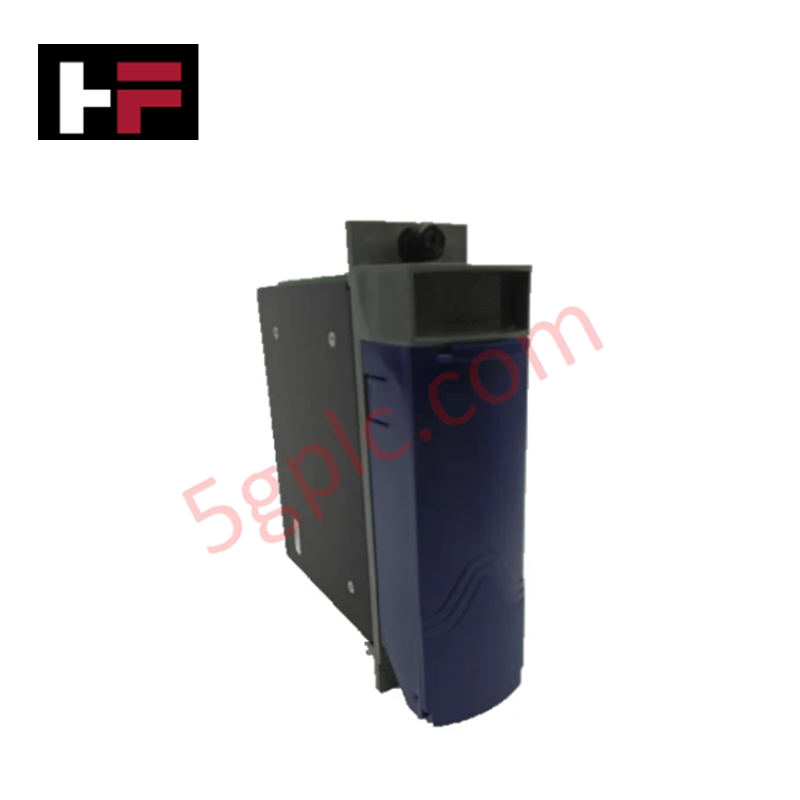
Configured for industrial data communication in process control platforms, the Emerson EPRO MMS 6822 (MMS 6822 Interface Card) provides direct electrical execution of Modbus RTU and TCP/IP protocol mapping.
Hardware Specifications
| Parameter | Specification |
|---|---|
| Model | MMS 6822 |
| Brand | Emerson EPRO |
| Origin | Germany |
| Weight | 0.2 kg |
| Dimensions | 90 mm x 60 mm x 25 mm |
| Operating Temp | -20 deg C to 60 deg C |
| Power Consumption | 24 VDC, 100 mA |
| Resolution | 16-bit |
| Device Capacity | Up to 128 Modbus devices |
Process Control and DCS Connectivity
The MMS 6822 facilitates seamless integration between field devices and host control systems through robust Modbus RTU and Ethernet-based communication protocols. Featuring channel-to-channel isolation, the card ensures that individual measurement loops remain electrically decoupled, preventing noise propagation in multi-node networks. The module supports diverse input types including ±10 V, ±20 mA, RTD, and thermocouple signals, which are normalized through a 16-bit analog-to-digital converter. For thermal monitoring, cold junction compensation (CJC) is implemented to maintain accuracy in temperature measurement loops, ensuring precise data transmission for all connected Modbus slave devices.
Frequently Asked Questions
Q: Can the MMS 6822 operate simultaneously in RTU and TCP/IP modes?
A: The module supports both protocols to enable flexibility in system integration. However, ensure that the communication bus loading and refresh rates are configured within the limits of the master control system to prevent latency during data polling.
Q: Is this module capable of local I/O expansion?
A: The module acts as an interface card supporting up to 128 devices. It is not designed for direct local I/O expansion but rather serves as a gateway to map field inputs to the Modbus communication structure.
Field Installation Guidelines
- Mount the card on a standard DIN-rail, ensuring proper spacing for convective cooling within the enclosure.
- Verify the 24 VDC power supply polarity at the input terminals to prevent damage to the internal logic circuitry.
- Terminate shielded communication cables at the designated ports, ensuring the cable shield is grounded at a single point to mitigate electromagnetic interference.
- Set the Modbus slave address and communication parameters via the system configuration utility before establishing a connection to the network.
- Confirm link activity and data integrity by monitoring the status LEDs on the module faceplate during the initial handshake with the Modbus master.
Additional Information
- 100% Genuine Parts: All products are original and authentic, ensuring reliable industrial performance.
- 30-Day Refund Guarantee: Return any in-stock item within 30 days in original, unopened packaging for a full refund (excluding shipping and fees).
- 12-Month Warranty: Covers defects in materials or workmanship; excludes misuse, normal wear, or unauthorized modifications.
- Worldwide Shipping: We ship via USPS, UPS, FedEx, and DHL. Delivery times vary by country and may be subject to customs or import fees.
- Support & Contact: Technical and warranty assistance is available anytime. Contact us here: Contact.
- Purchase Guidance: Check product specifications and compatibility carefully before ordering to ensure proper application.

Tech & Buying Guide

Mastering VFD Braking Theory and Mechanical Brake Sequencing in Industrial Automation
In industrial automation, variable frequency drives (VFDs) regulate motor speed and torque across manufacturing plants and material handling systems. However, certain heavy-duty applications experience external loads that can rotate the motor shaft without an active command. For instance, gravity pulls loads downward in unanchored hoisting equipment. Therefore, engineers integrate mechanical brakes with VFD logic to maintain absolute safety and prevent structural damage or personnel injury during shutdowns.

Optimizing Tank Level Control Using Proportional Algorithms in PLC Systems
Industrial automation engineers frequently encounter liquid level regulation challenges across diverse process plants. Traditional ON-OFF control mechanisms often disrupt system stability due to abrupt actuator switching. Therefore, upgrading to closed-loop architectures like proportional control yields smoother responses. In a typical PLC environment, such as Siemens TIA Portal, engineers utilize closed-loop feedback to minimize process errors without requiring full PID complexity.

Understanding Why Your PLC Enters Stop Mode: Causes and Troubleshooting
In industrial automation, programmable logic controllers (PLCs) serve as the core intelligence of modern factory automation and distributed control systems (DCS). Understanding how a PLC transitions between modes is vital for maintenance engineers. Typically, a PLC operates across four primary modes: Run, Stop, Start-Up, and Hold. When power is applied, the system immediately boots into Stop mode before initiating the Start-Up sequence. If the controller encounters a critical error during execution, it automatically reverts to Stop mode to prevent equipment damage. Therefore, monitoring these state transitions helps technicians maintain high system availability.