










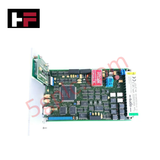
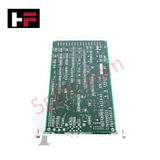
Product Details
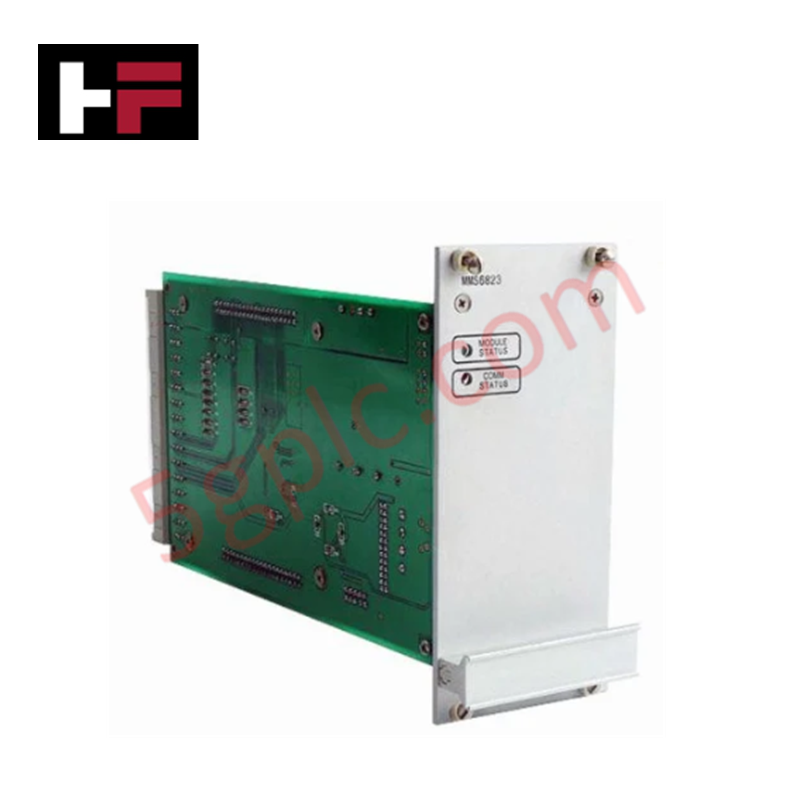
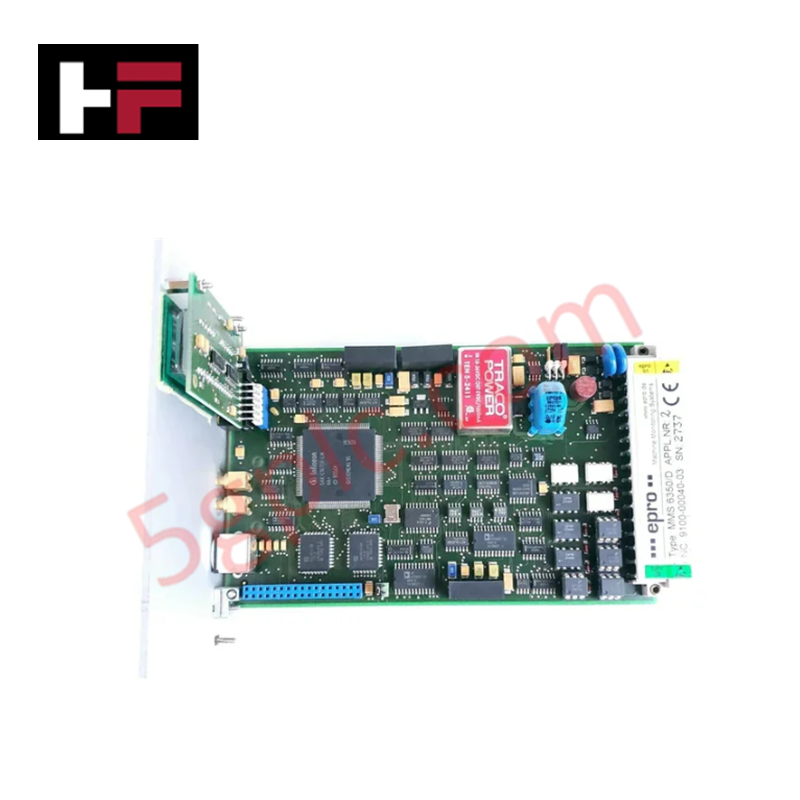
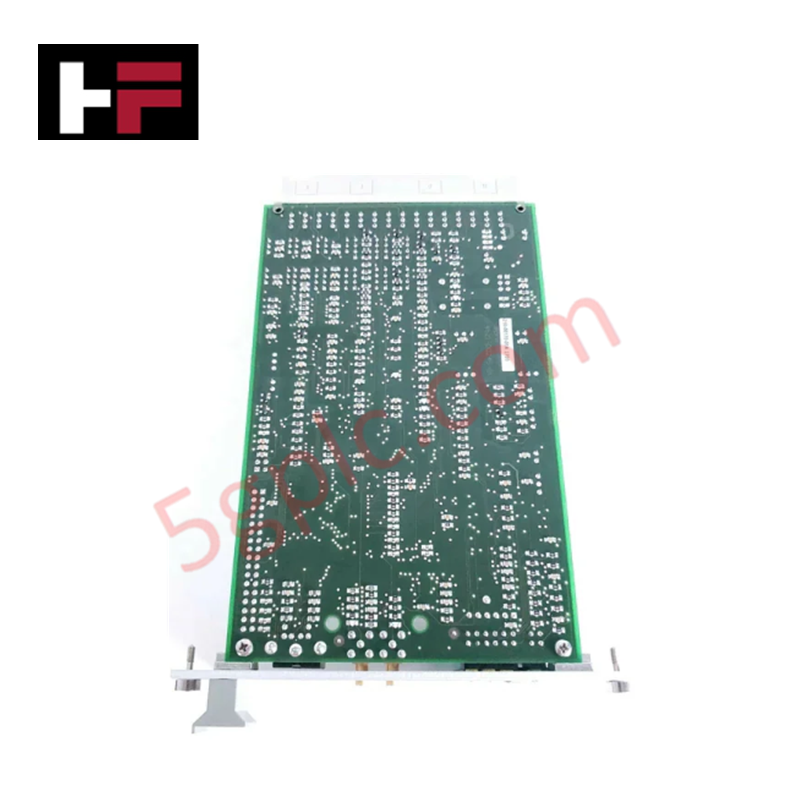
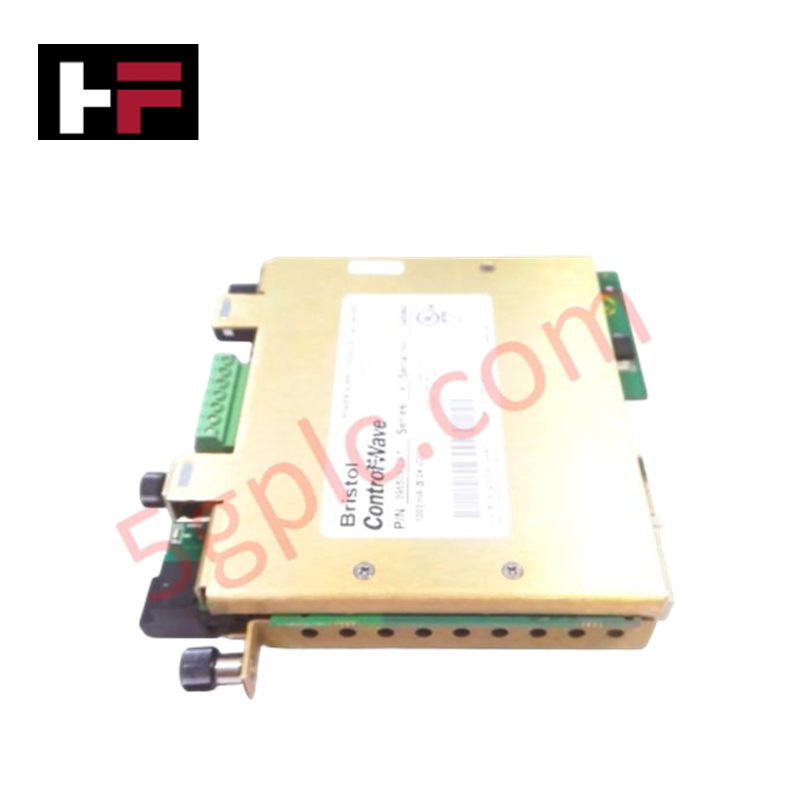
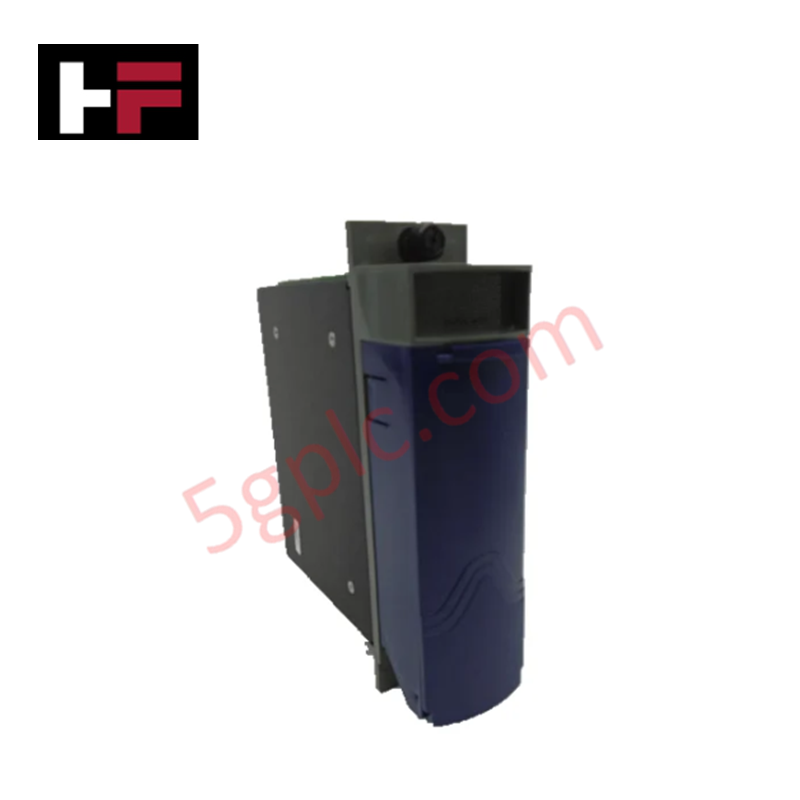
Configured for high-frequency signal acquisition in the MMS6000 machinery monitoring system, the Emerson EPRO MMS 6310 (MMS 6310 Vibration Module Unit) provides direct electrical execution of dual-channel displacement and vibration tracking.
Hardware Specifications
| Parameter | Specification |
|---|---|
| Model | MMS 6310 |
| Brand | Emerson EPRO |
| Operating Temp | Standard industrial range |
| Measurement Channels | 2 independent channels |
| Supported Sensors | PR6422-PR6426 series eddy current probes |
Mechanical Monitoring and TSI Characteristics
The MMS 6310 is engineered for integration with eddy-current displacement probes to monitor rotor dynamics, including shaft vibration and axial displacement. Accurate measurement requires strict adherence to eddy-current probe scaling; ensure the probe-to-target distance is verified against factory calibration curves. During commissioning, perform a gap voltage validation against -10 VDC targets to ensure the probe remains in the linear measurement region. The module architecture facilitates effective cross-talk suppression by utilizing differential inputs and dedicated channel filtering, which prevents signal interference in multi-channel rack configurations.
Frequently Asked Questions
Q: Does the MMS 6310 support hot-swap replacement within the MMS6000 rack?
A: Yes, the module supports hot-swapping. Ensure the rack backplane power is stable before insertion to avoid transient interference with adjacent monitoring channels.
Q: Can the MMS 6310 be used for dynamic signal analysis if the sensor is disconnected?
A: No. The internal signal conditioning requires a valid input from an EPRO PR6422-PR6426 series probe to establish the reference carrier signal. An open-circuit condition will trigger a transducer fault state, invalidating the dynamic analysis output.
Field Installation Guidelines
- Ensure the MMS6000 rack slot is clear of dust or metallic particles before seating the module.
- Terminate the coaxial cable shield from the eddy current probe directly to the terminal block ground point to prevent ground loops.
- Verify that the sensor cable length matches the factory-calibrated impedance settings to avoid frequency response errors.
- Separate signal cabling from high-voltage motor or actuator leads to prevent induction of harmonic noise into the high-frequency acquisition circuit.
- After installation, confirm the gap voltage at the module diagnostic port matches the expected mechanical offset before initiating data evaluation.
Additional Information
- 100% Genuine Parts: All products are original and authentic, ensuring reliable industrial performance.
- 30-Day Refund Guarantee: Return any in-stock item within 30 days in original, unopened packaging for a full refund (excluding shipping and fees).
- 12-Month Warranty: Covers defects in materials or workmanship; excludes misuse, normal wear, or unauthorized modifications.
- Worldwide Shipping: We ship via USPS, UPS, FedEx, and DHL. Delivery times vary by country and may be subject to customs or import fees.
- Support & Contact: Technical and warranty assistance is available anytime. Contact us here: Contact.
- Purchase Guidance: Check product specifications and compatibility carefully before ordering to ensure proper application.

Tech & Buying Guide

Marshalling Cabinet Preventive Maintenance: Essential Healthiness Checks for PLC, DCS, and ESD Systems
Marshalling cabinets serve as the vital interface between field instrumentation and control room electronics in modern process facilities. Regular preventive maintenance of these cabinets ensures signal integrity across programmable logic controllers (PLCs), distributed control systems (DCS), and emergency shutdown (ESD) networks. System technicians must execute structured inspection protocols to mitigate environmental risks, identify loose wiring, and maintain continuous operational readiness.

Spatial Computing in Industrial Automation: Elevating PLC and DCS Operations with AR and VR
Industry 4.0 integrates digital intelligence into field operations, transforming factory automation landscapes worldwide. Spatial technologies—specifically Augmented Reality (AR) and Virtual Reality (VR)—redefine how engineers interact with industrial control systems. By bridging computer-generated CAD models with real-time operational technology (OT) data, immersive displays enable intuitive monitoring, rapid diagnostics, and safer maintenance across complex processing facilities.

Master Acceptance Testing: Understanding FAT and SAT in Industrial Control Systems
Factory Acceptance Testing (FAT) and Site Acceptance Testing (SAT) serve as critical quality assurance gateways in complex industrial control systems. Both procedures verify that programmable logic controllers (PLCs), distributed control systems (DCS), and associated field devices meet strict functional specifications. However, executing these tests effectively requires clear delineation between off-site staging and final field commissioning.