










Product Details
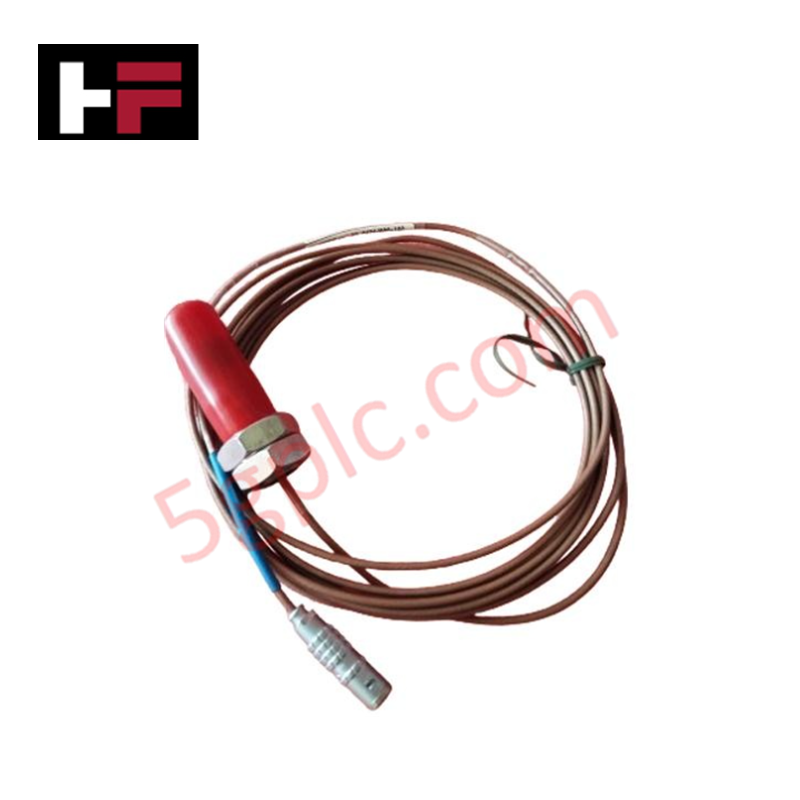
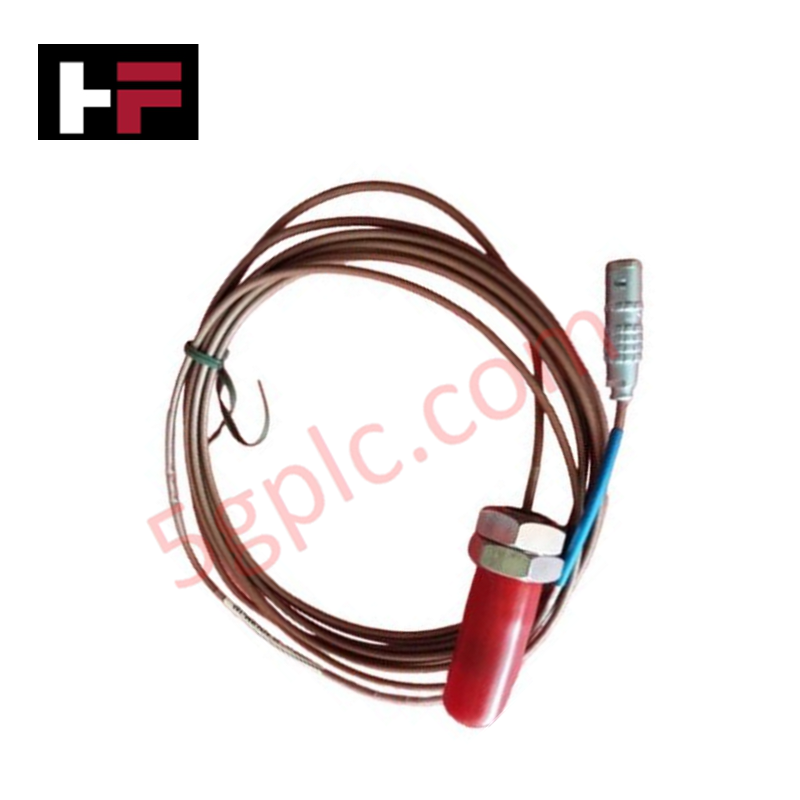
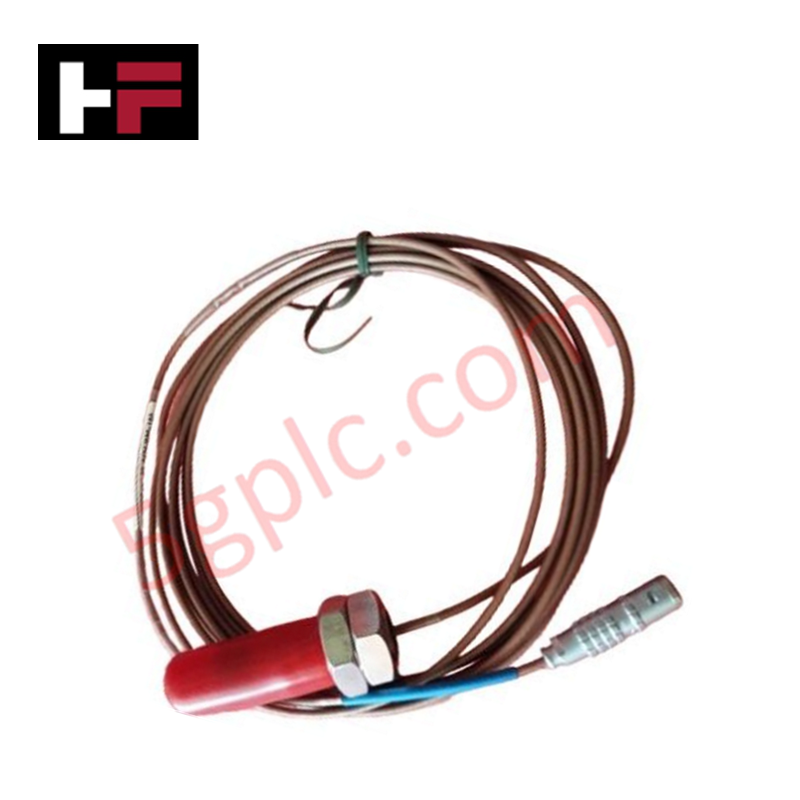
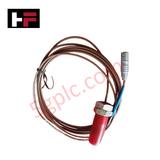
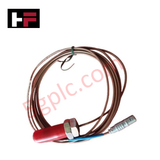
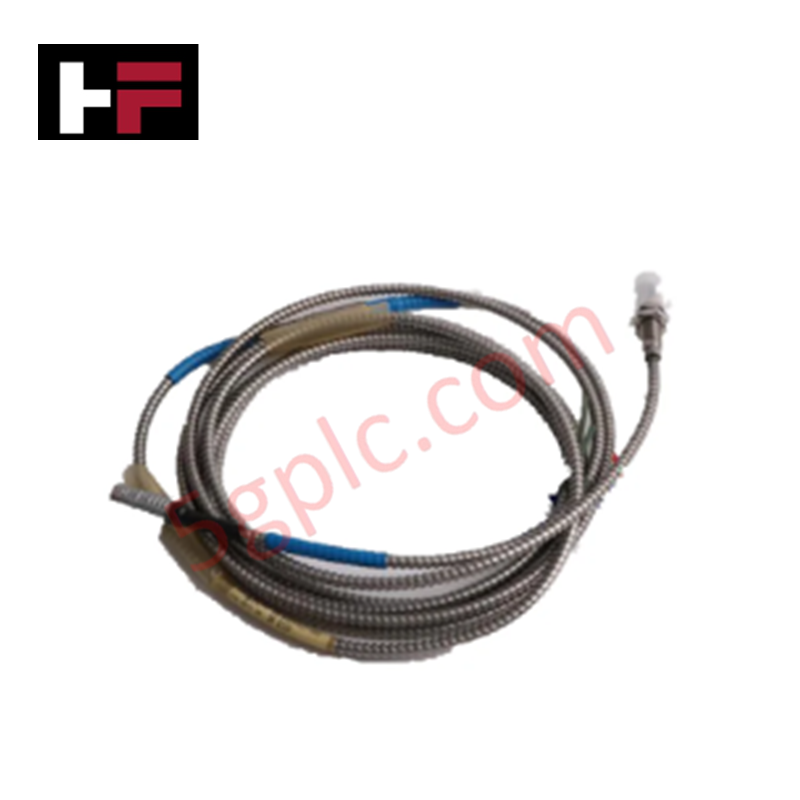
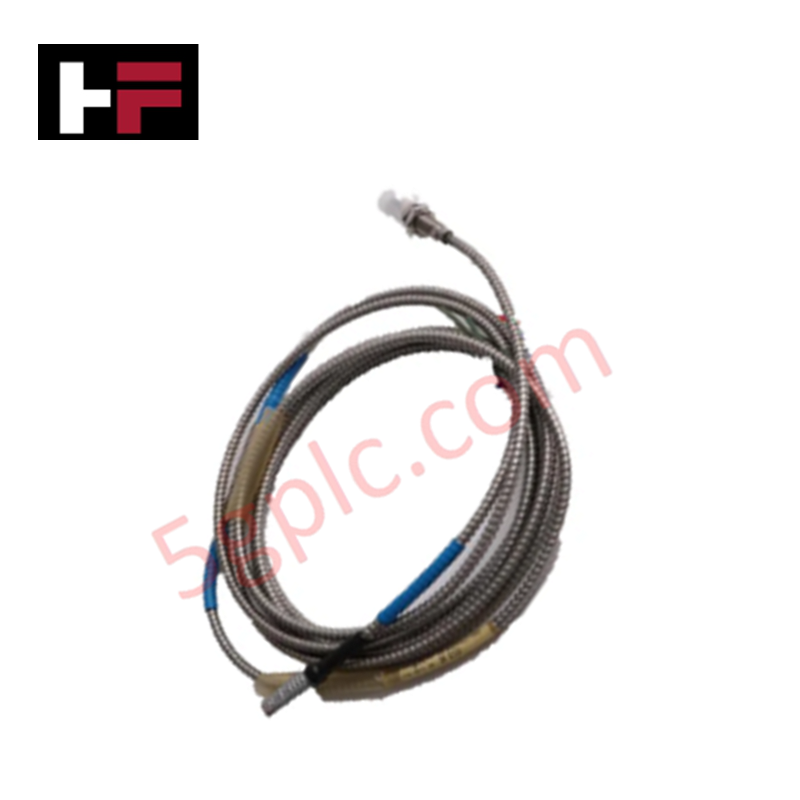
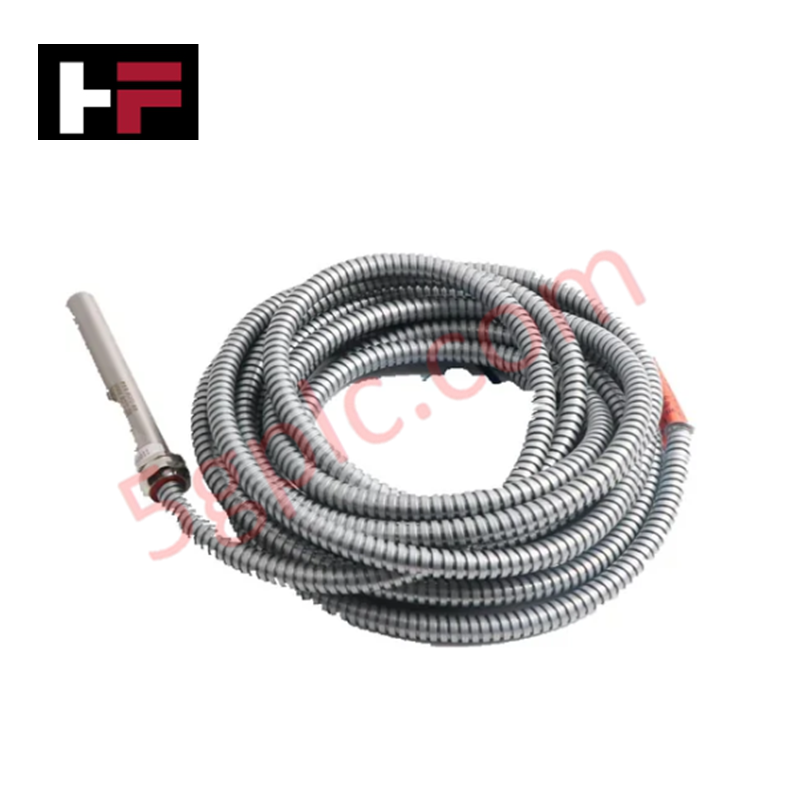
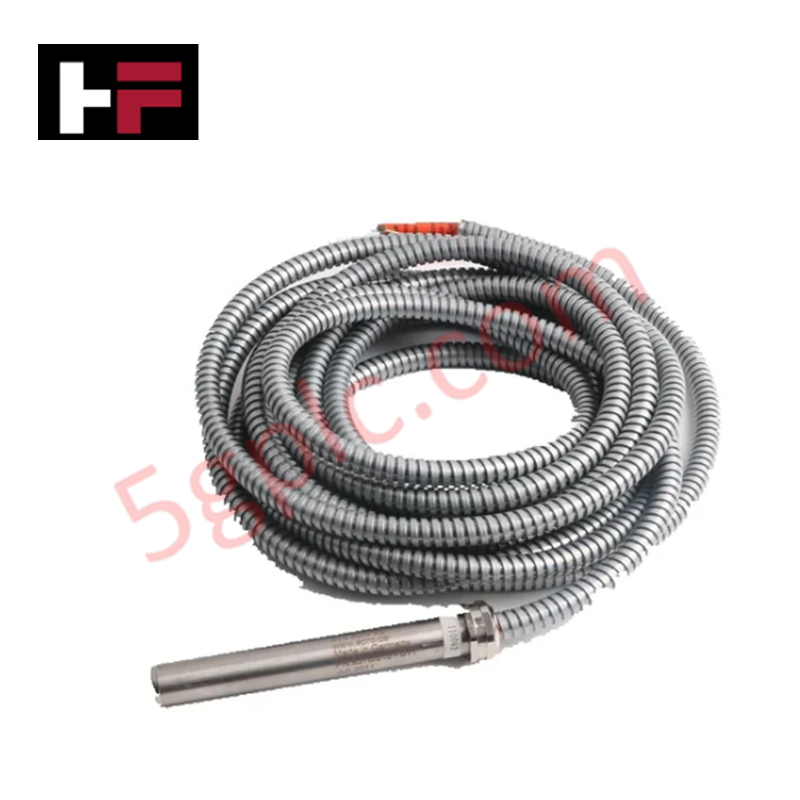
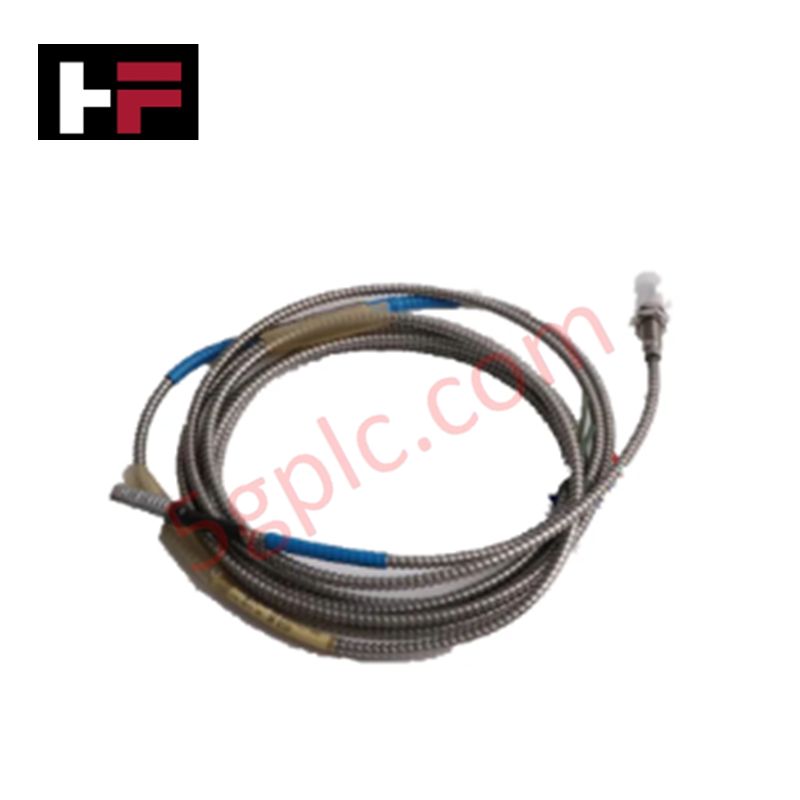
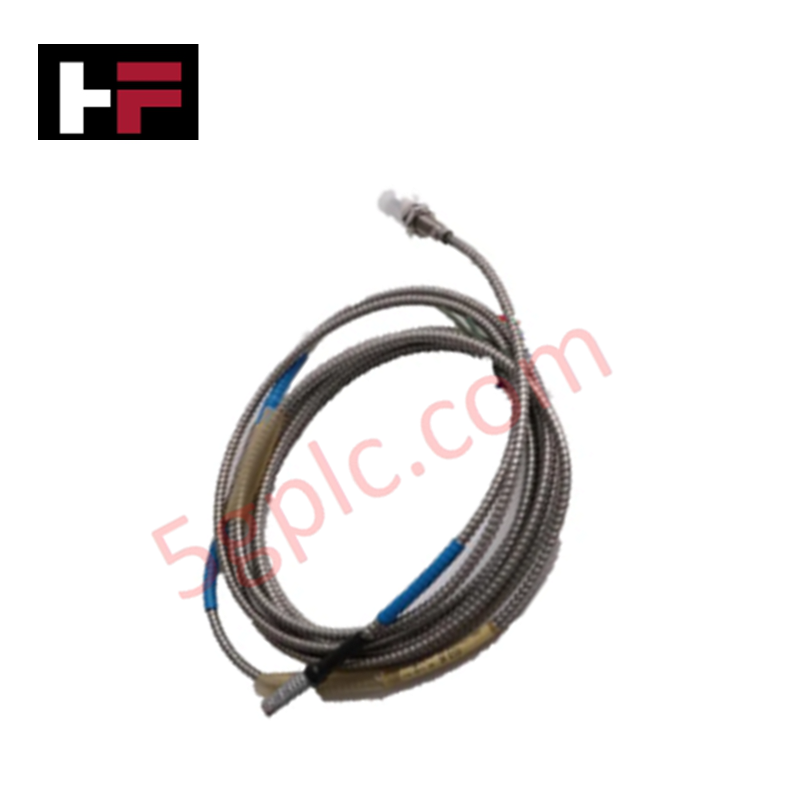
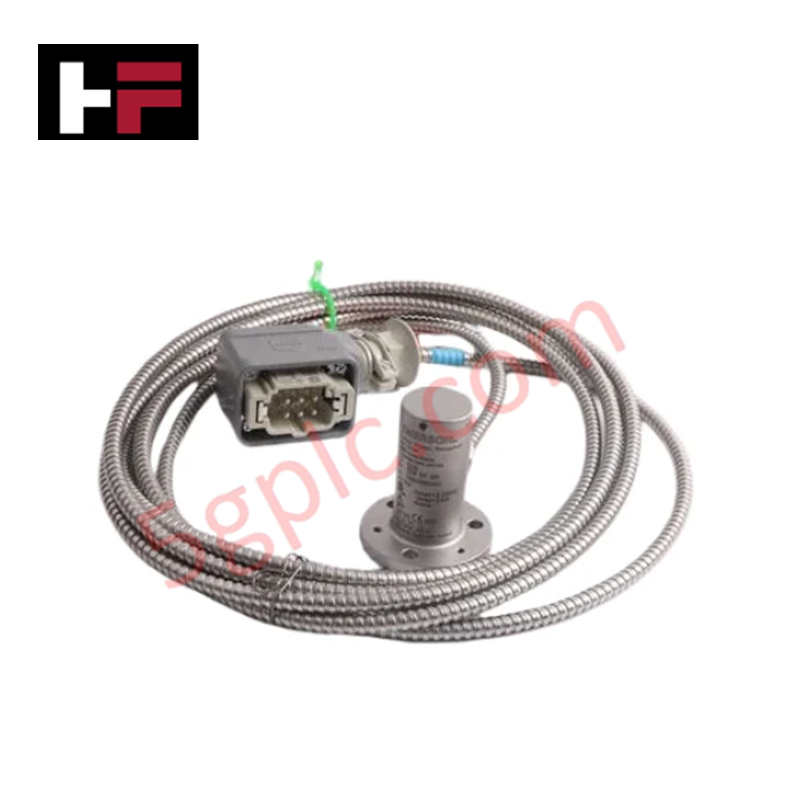
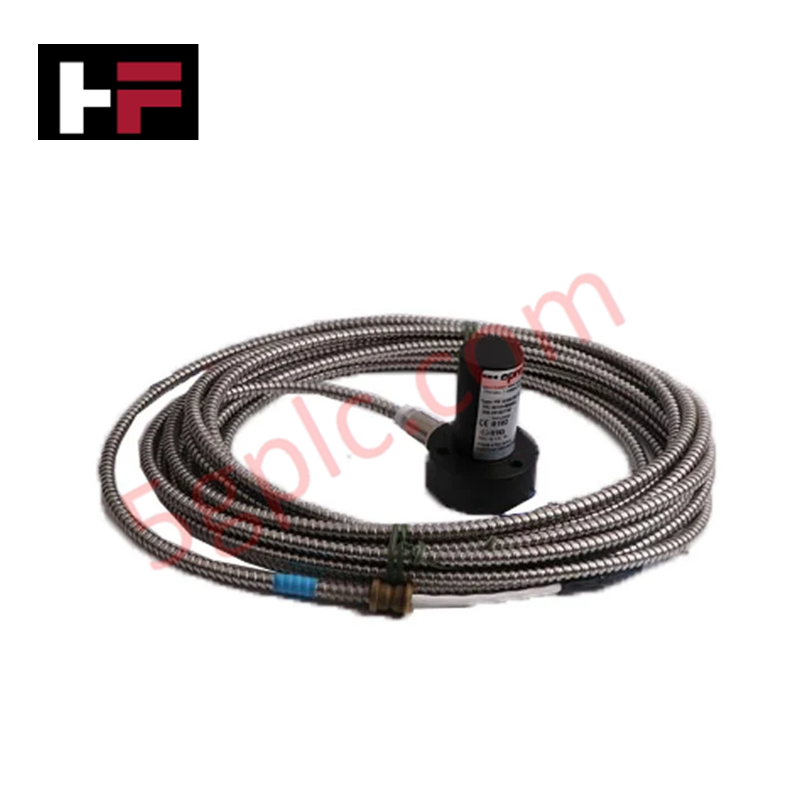
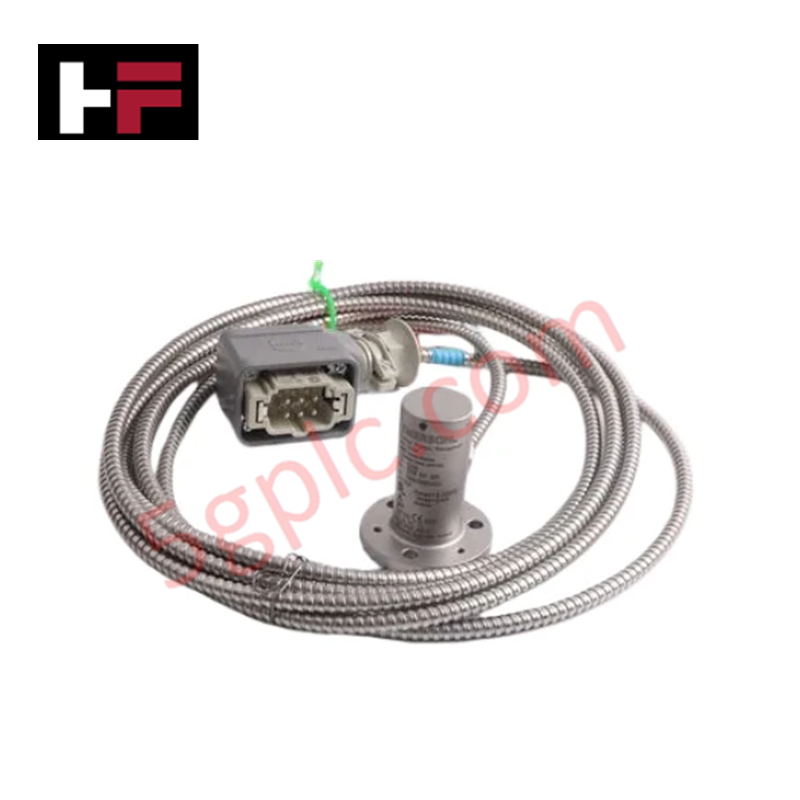
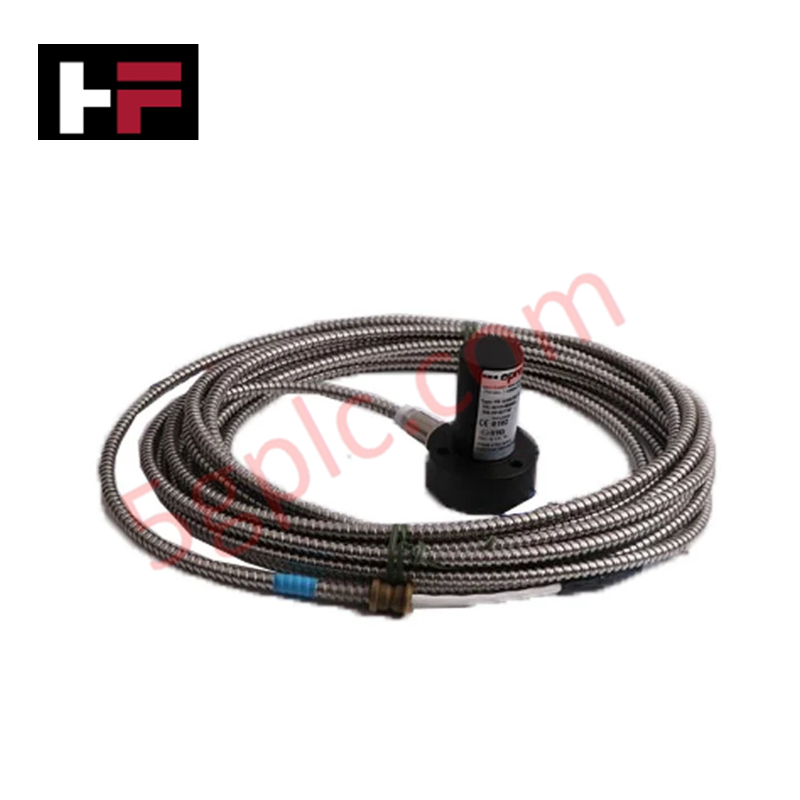
Configured for rotational displacement acquisition in turbomachinery, the Emerson EPRO PR6423/00R-030 (PR6423/00R-030) 8 mm Eddy Current Sensor provides direct physical execution of non-contact shaft position and vibration measurement.
Hardware Specifications
| Parameter | Specification |
|---|---|
| Model | PR6423/00R-030 |
| Brand | Emerson EPRO |
| Dimensions | Tip Diameter 8.0 mm |
| Operating Temp | -35 deg C to +180 deg C |
| Static Range | +/- 1.0 mm |
| Dynamic Range | 0 to 500 micron |
| Sensitivity | 8 V/mm (+/- 5%) |
Mechanical Monitoring and TSI Characteristics
The PR6423/00R-030 employs ferromagnetic core technology to generate a stable electromagnetic field for displacement tracking. To maintain signal integrity, perform standard eddy-current probe scaling during commissioning to match the specific shaft material properties. Operators must ensure gap voltage validation against -10 VDC targets to confirm that the sensor operates within the linear response zone of the rotor surface. Cross-talk suppression is maintained through the internal high-frequency excitation architecture, which allows for minimal sensor-to-sensor spacing in dense 2oo3 voting or multi-point monitoring configurations.
Frequently Asked Questions
Q: Does the use of PEEK material for the sensor tip affect environmental durability?
A: The PEEK (Polyether Ether Ketone) tip provides high thermal stability and resistance to chemical degradation, making it suitable for operation up to 180 deg C. However, it must be protected from direct mechanical impact during installation to avoid cracking of the probe face.
Q: How should the PTFE cable be handled during installation?
A: The PTFE cable is highly flexible but must not be subjected to sharp bending radii or axial tension. It should be routed through protective metallic conduit or supported by stainless steel clamps to prevent fatigue or abrasion in high-vibration machinery environments.
Field Installation Guidelines
- Mount the probe using the stainless steel case threads, ensuring the sensor is perpendicular to the shaft axis to prevent geometric measurement errors.
- Verify the air gap between the PEEK tip and the shaft target; adjust the mounting position until the static output voltage reaches the nominal -10 VDC setpoint.
- Terminate the signal wiring at the proximity driver or signal conditioner, ensuring the shield is grounded to mitigate electromagnetic interference.
- If multiple sensors are installed in proximity, confirm that excitation frequencies are decoupled to eliminate cross-talk and baseline drift.
- Perform a full rotation test during startup to ensure the sensor output remains within the linear 0 to 500 micron dynamic range.
Additional Information
- 100% Genuine Parts: All products are original and authentic, ensuring reliable industrial performance.
- 30-Day Refund Guarantee: Return any in-stock item within 30 days in original, unopened packaging for a full refund (excluding shipping and fees).
- 12-Month Warranty: Covers defects in materials or workmanship; excludes misuse, normal wear, or unauthorized modifications.
- Worldwide Shipping: We ship via USPS, UPS, FedEx, and DHL. Delivery times vary by country and may be subject to customs or import fees.
- Support & Contact: Technical and warranty assistance is available anytime. Contact us here: Contact.
- Purchase Guidance: Check product specifications and compatibility carefully before ordering to ensure proper application.
Tech & Buying Guide

Why 24V DC Power Supplies Standardize Modern Industrial Automation
Industrial control cabinets worldwide rely on 24V DC as the universal power standard for field instrumentation, sensors, and controllers. Walk into any manufacturing plant, and you will find PLCs, human-machine interfaces (HMIs), and smart actuators running on extra-low voltage DC. Standardizing on 24V DC enhances operational safety, lowers cabinet footprint, and maintains steady control performance across factory networks.

Essential Motion Control Commands: A Practical Guide for Engineers
Automation engineers often rely on precise position and speed control to drive modern factory machinery. Modern industrial systems, such as Programmable Logic Controllers (PLCs) and Distributed Control Systems (DCS), depend heavily on standardized motion instructions. Mastering these commands ensures operational safety, protects mechanical components, and optimizes cycle times across production lines.
Mastering Modern Industrial Joystick Controls in Heavy Automation
Industrial joysticks play a pivotal role in human-machine interaction across heavy material handling and mobile hydraulics. These tactile controllers translate complex operator movements into precise electrical signals for PLCs, motion controllers, and DCS networks. Consequently, selecting and installing the right joystick architecture ensures operator safety, reduces fatigue, and optimizes equipment performance.