










Product Details
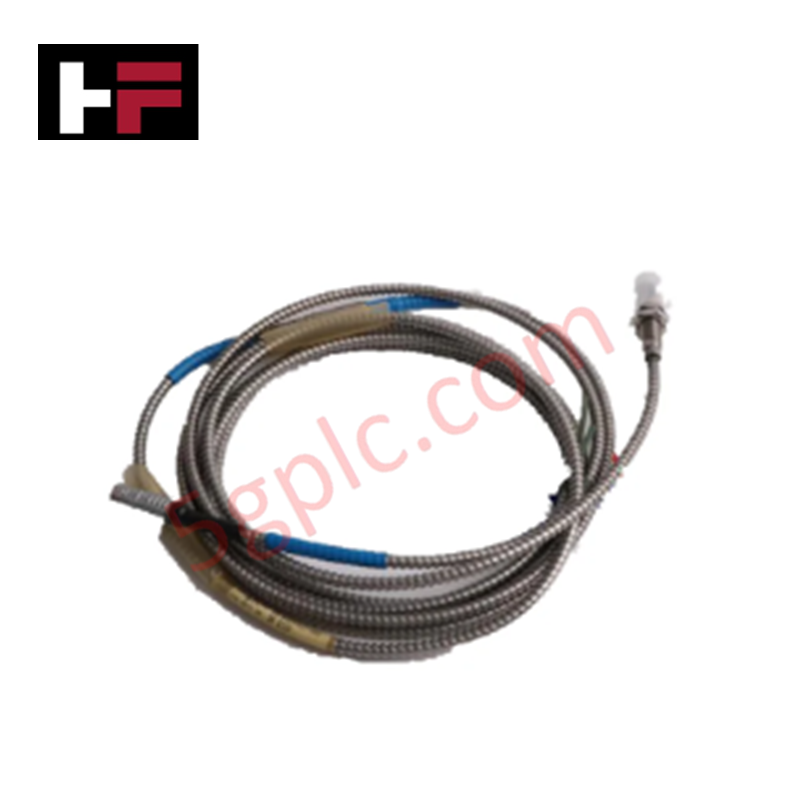
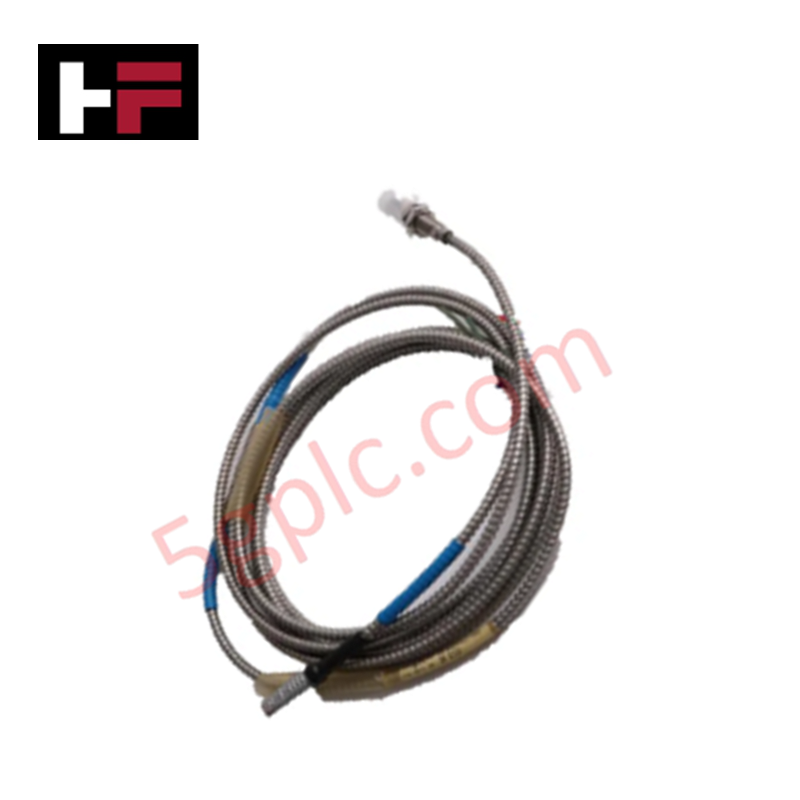
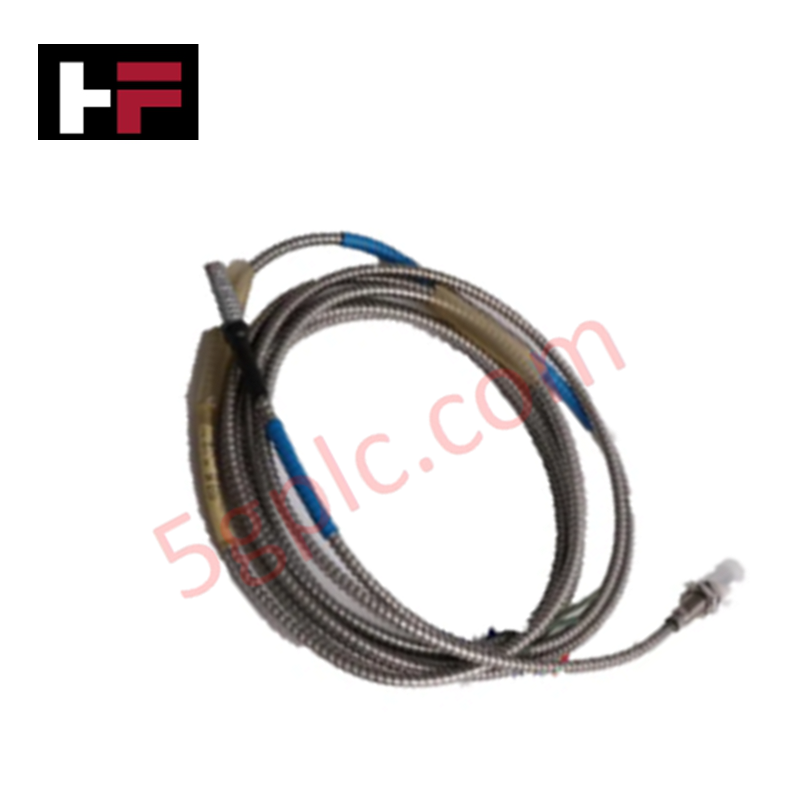
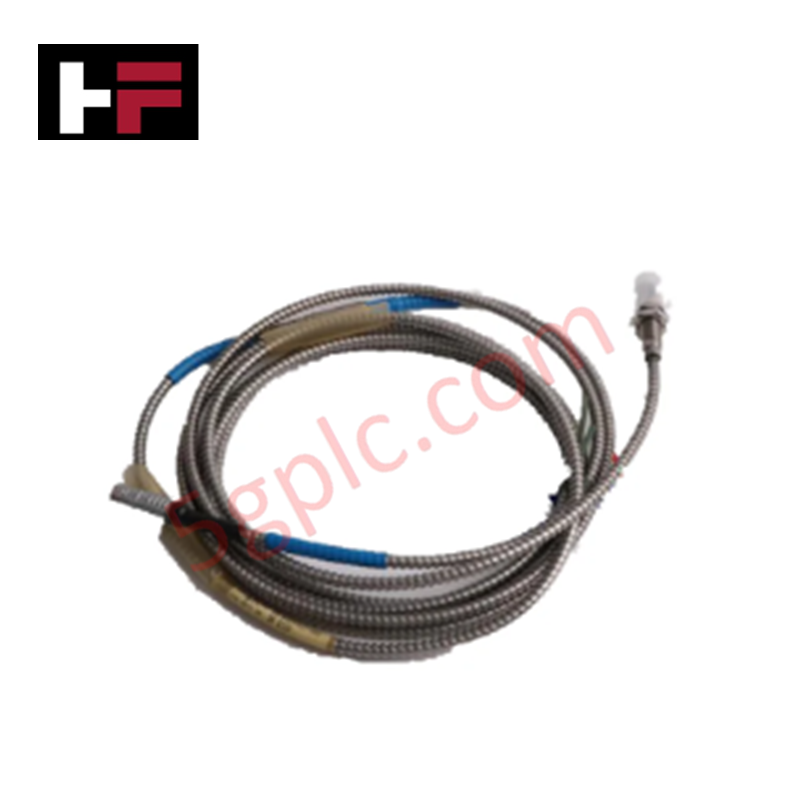
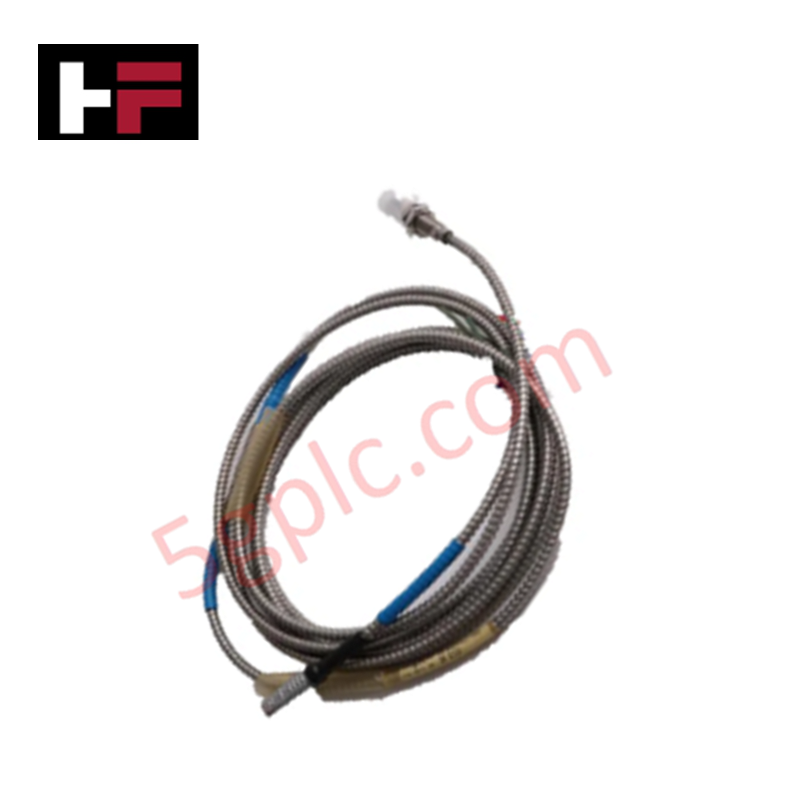
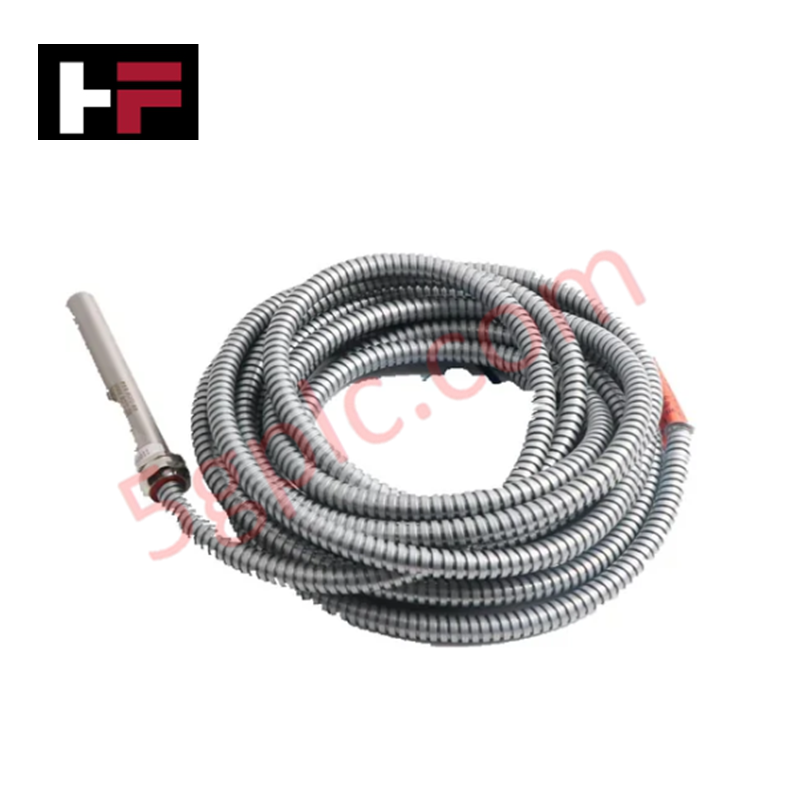
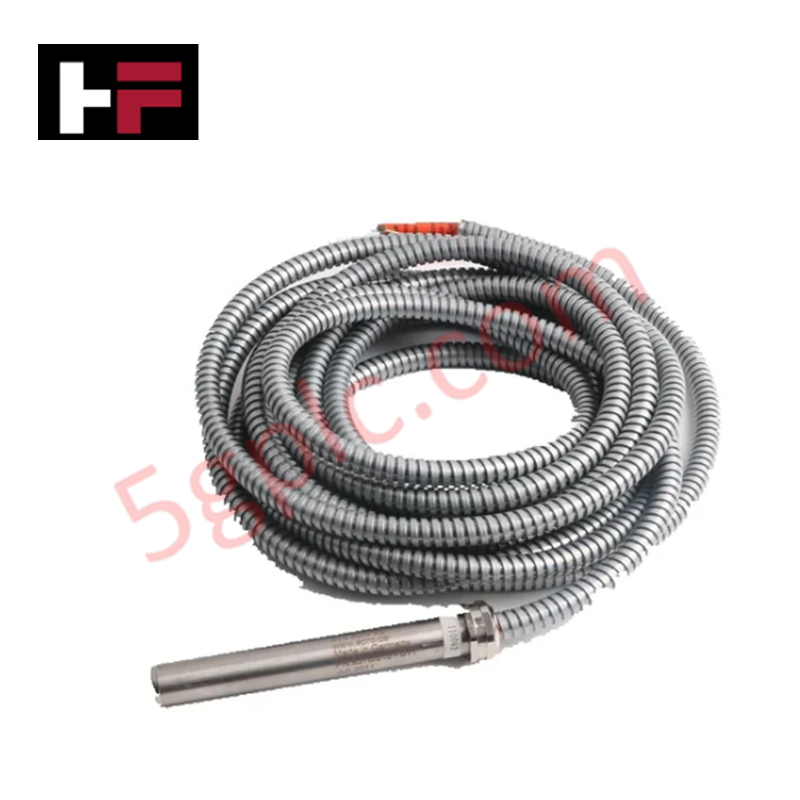
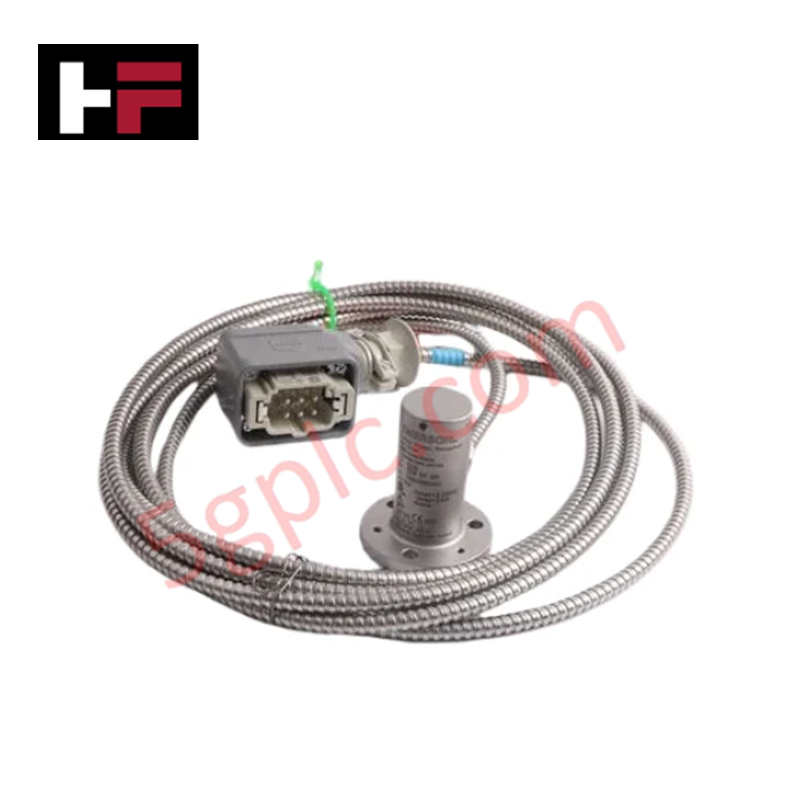
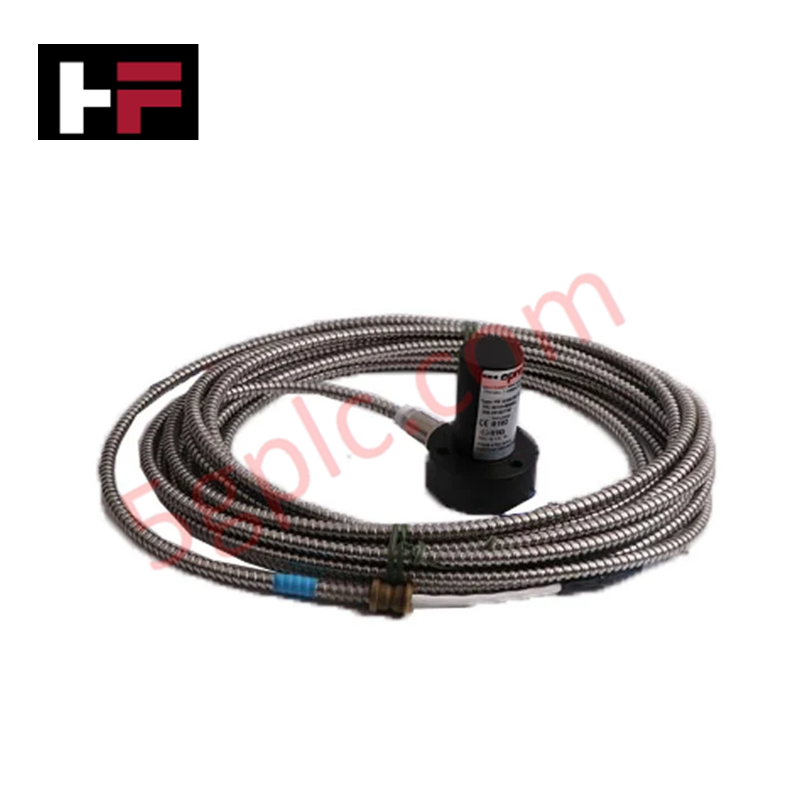
Configured for non-contact measurement of radial and axial shaft displacement, position, and eccentricity, the Emerson Epro PR6423/10R-111 (PR6423/10R-111 Eddy Current Sensor) provides direct physical signal execution. This transducer detects impedance variations induced by target surfaces to supply high-resolution data streams for turbomachinery monitoring and diagnostic platforms.
Hardware Specifications
| Parameter | Specification |
|---|---|
| Model | PR6423/10R-111 |
| Brand | Emerson (Epro) |
| Origin | Subject to certificate of origin |
| Weight | Not specified |
| Dimensions | 8 mm Sensor diameter |
| Operating Temp | -35 deg C to +200 deg C |
| Power Consumption | Dependent on interface converter |
| Measurement Range | 2 mm |
| Scale Factor | 8 V/mm (203.2 mV/mil) |
| Protection Class | IP66 |
Eddy-Current Probe Scaling and Rotor Dynamics
The measurement accuracy of the Emerson Epro PR6423/10R-111 depends on precise scaling relative to the AISI 4140 ferromagnetic shaft target. To maintain linearity within the specified range, the initial air gap must be set at 0.5 mm, corresponding to the factory-calibrated nominal output voltage. Rotor dynamics analysis requires that the probe be mounted in a orientation perpendicular to the shaft centerline, with sufficient cross-talk suppression provided by maintaining minimum spatial separation between adjacent sensors to avoid signal interference from overlapping oscillation fields.
Frequently Asked Questions
Q: Can the sensor be operated in environments exceeding 200 deg C?
A: No, operating the sensor above 200 deg C will cause irreversible degradation of the internal coil potting and PEEK tip material, leading to signal loss and permanent calibration drift.
Q: Is the sensor assembly compatible with standard field-wiring of CON021 converters?
A: Yes, the transducer is designed for seamless integration with the CON021 signal converter. Ensure that the signal path impedance is maintained to prevent attenuation of the 30 kHz carrier signal.
Q: What is the impact of using non-ferromagnetic targets?
A: The transducer is factory-calibrated for ferromagnetic steel targets. Using non-ferromagnetic materials will cause significant non-linearity and a drastic reduction in the Incremental Scale Factor (ISF).
Field Installation Guidelines
- Mounting: Ensure the sensor is installed using a rigid, vibration-resistant bracket. Use a locking nut to secure the position after setting the 0.5 mm air gap.
- Grounding: Route the cable through a grounded metallic conduit to prevent EMI. Connect the cable shield to a single dedicated instrument ground point to eliminate ground loops.
- Wiring: Observe temperature limits for the cable and connector (-35 deg C to +150 deg C). Ensure the connection point is isolated from excessive heat sources.
- Target Geometry: Verify that the shaft surface is smooth, clean, and free of scratches or electrical run-out, which can introduce artificial noise into the dynamic signal.
Additional Information
- 100% Genuine Parts: All products are original and authentic, ensuring reliable industrial performance.
- 30-Day Refund Guarantee: Return any in-stock item within 30 days in original, unopened packaging for a full refund (excluding shipping and fees).
- 12-Month Warranty: Covers defects in materials or workmanship; excludes misuse, normal wear, or unauthorized modifications.
- Worldwide Shipping: We ship via USPS, UPS, FedEx, and DHL. Delivery times vary by country and may be subject to customs or import fees.
- Support & Contact: Technical and warranty assistance is available anytime. Contact us here: Contact.
- Purchase Guidance: Check product specifications and compatibility carefully before ordering to ensure proper application.
Tech & Buying Guide

Why 24V DC Power Supplies Standardize Modern Industrial Automation
Industrial control cabinets worldwide rely on 24V DC as the universal power standard for field instrumentation, sensors, and controllers. Walk into any manufacturing plant, and you will find PLCs, human-machine interfaces (HMIs), and smart actuators running on extra-low voltage DC. Standardizing on 24V DC enhances operational safety, lowers cabinet footprint, and maintains steady control performance across factory networks.

Essential Motion Control Commands: A Practical Guide for Engineers
Automation engineers often rely on precise position and speed control to drive modern factory machinery. Modern industrial systems, such as Programmable Logic Controllers (PLCs) and Distributed Control Systems (DCS), depend heavily on standardized motion instructions. Mastering these commands ensures operational safety, protects mechanical components, and optimizes cycle times across production lines.

Mastering Modern Industrial Joystick Controls in Heavy Automation
Industrial joysticks play a pivotal role in human-machine interaction across heavy material handling and mobile hydraulics. These tactile controllers translate complex operator movements into precise electrical signals for PLCs, motion controllers, and DCS networks. Consequently, selecting and installing the right joystick architecture ensures operator safety, reduces fatigue, and optimizes equipment performance.