










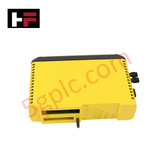
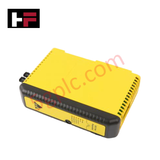
Product Details
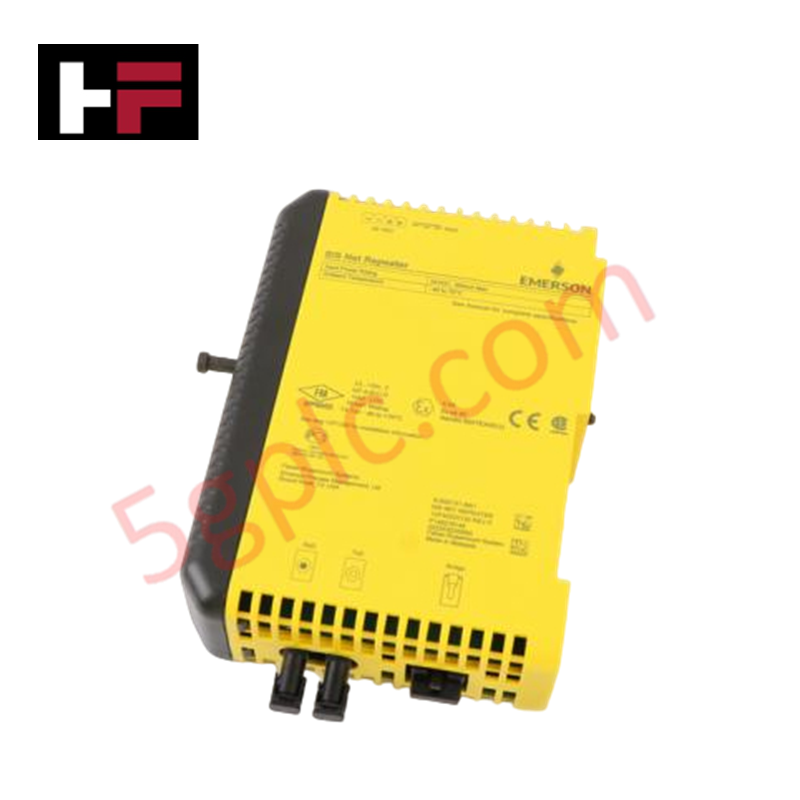
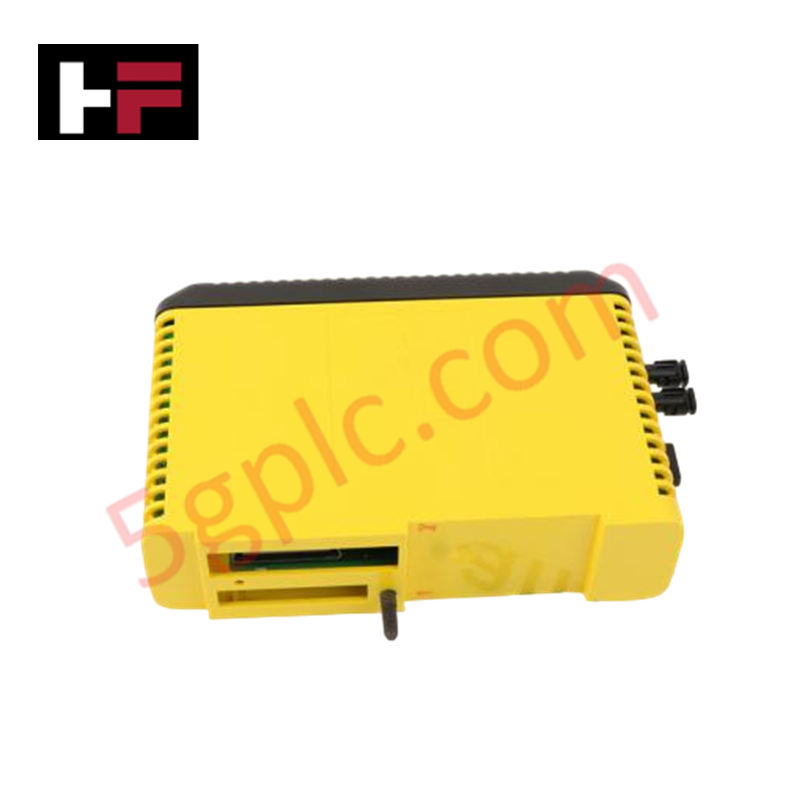
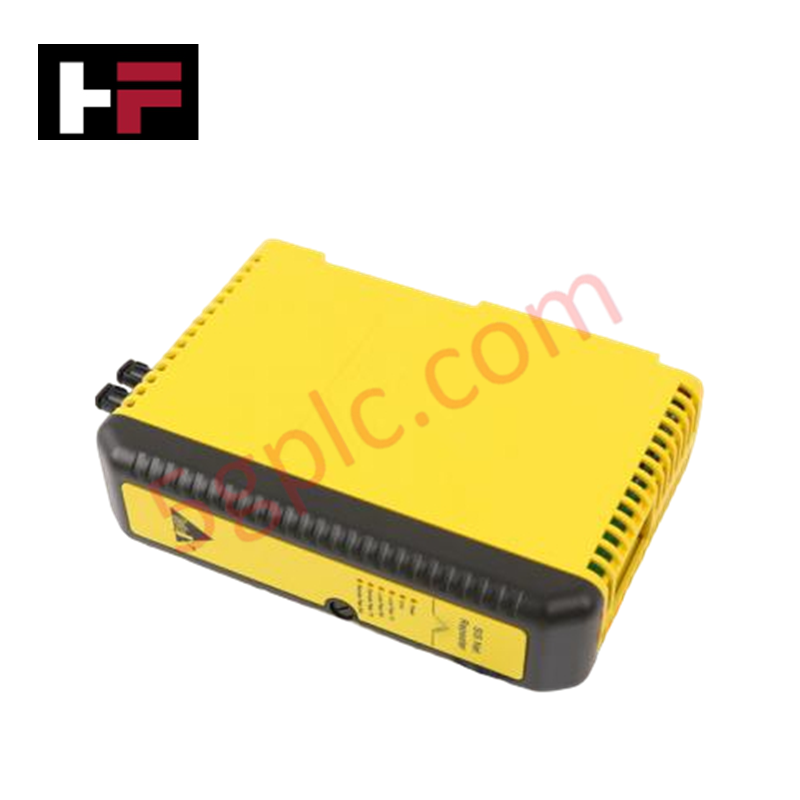
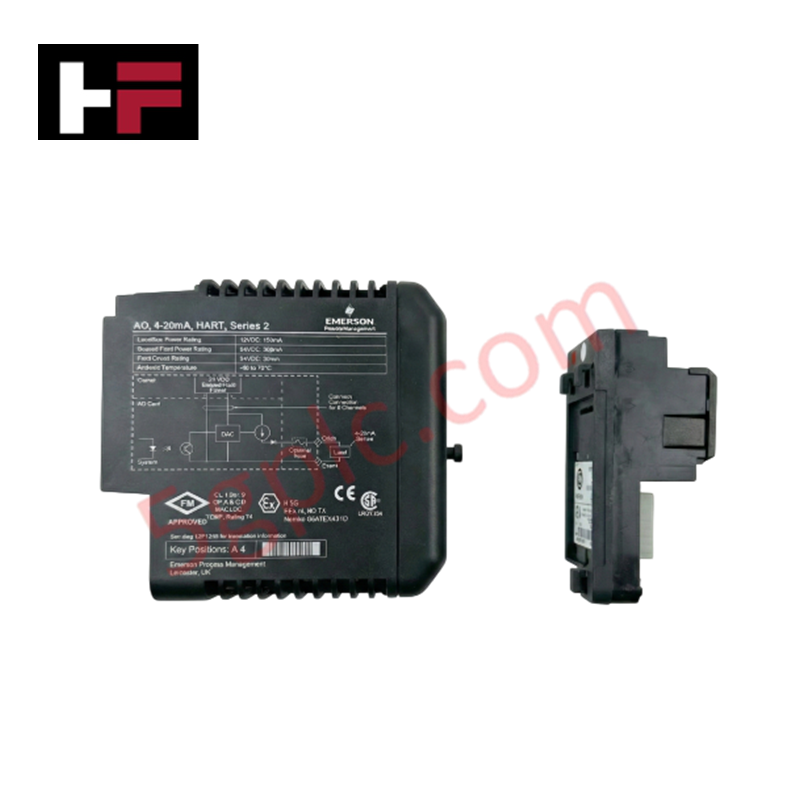
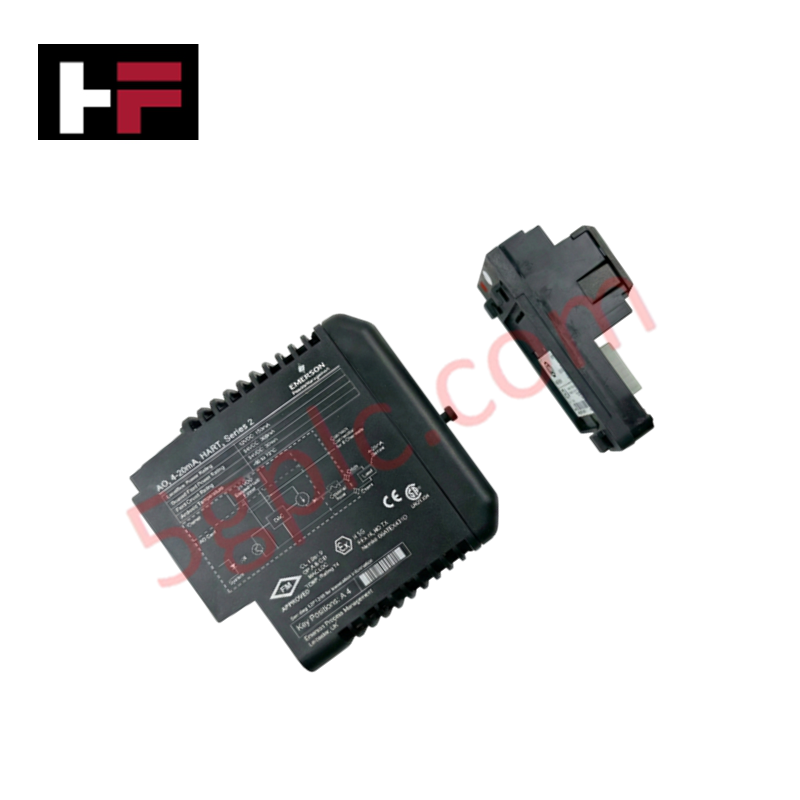
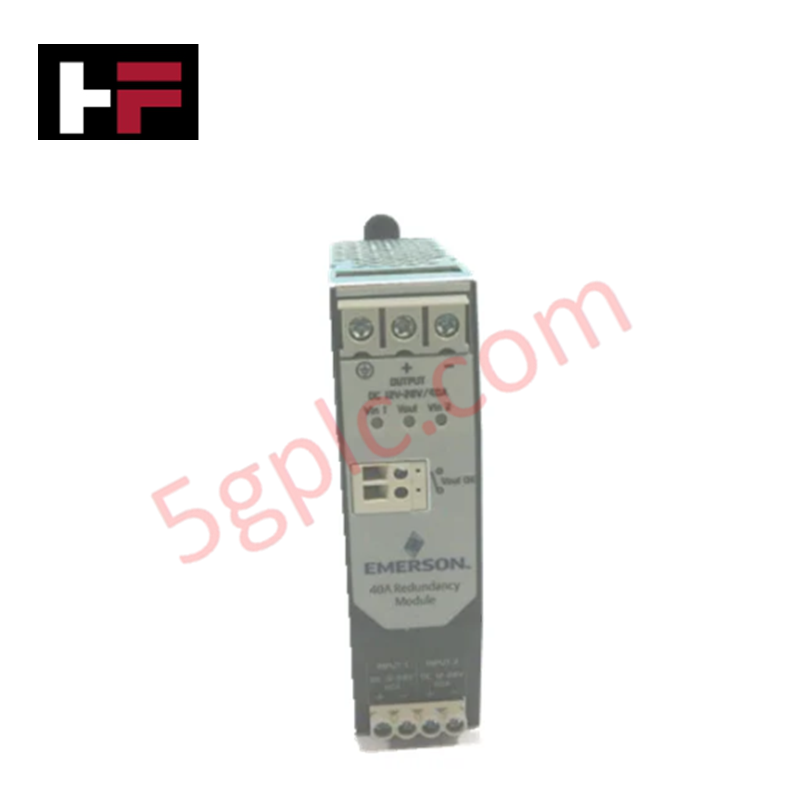
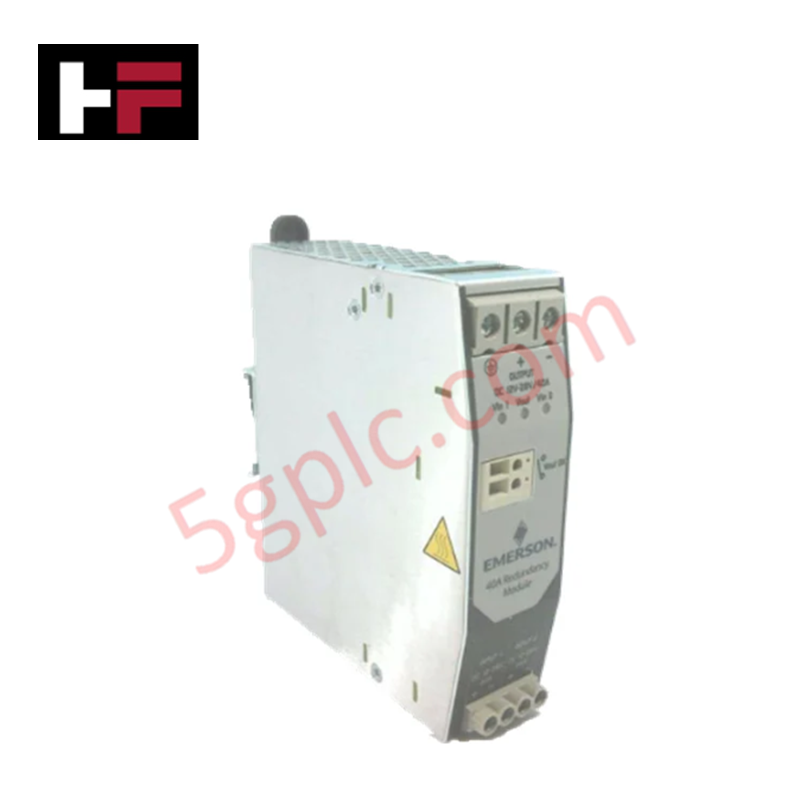
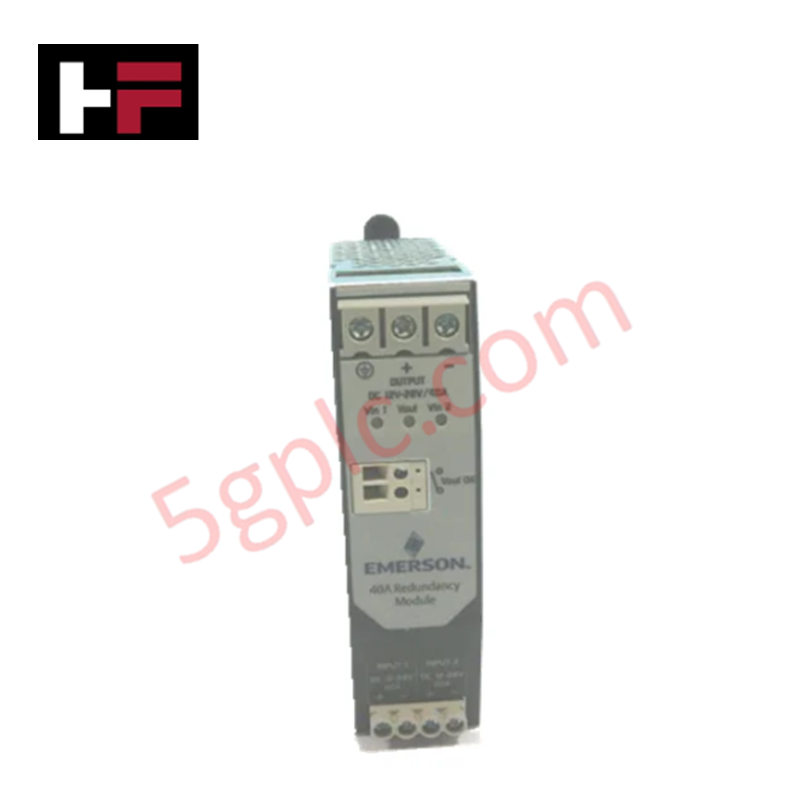
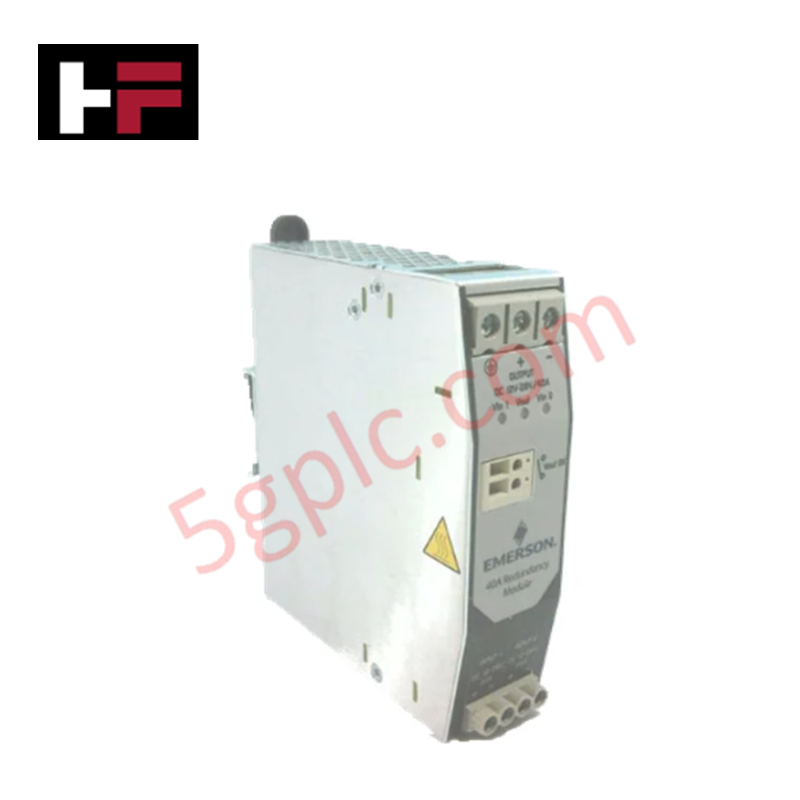
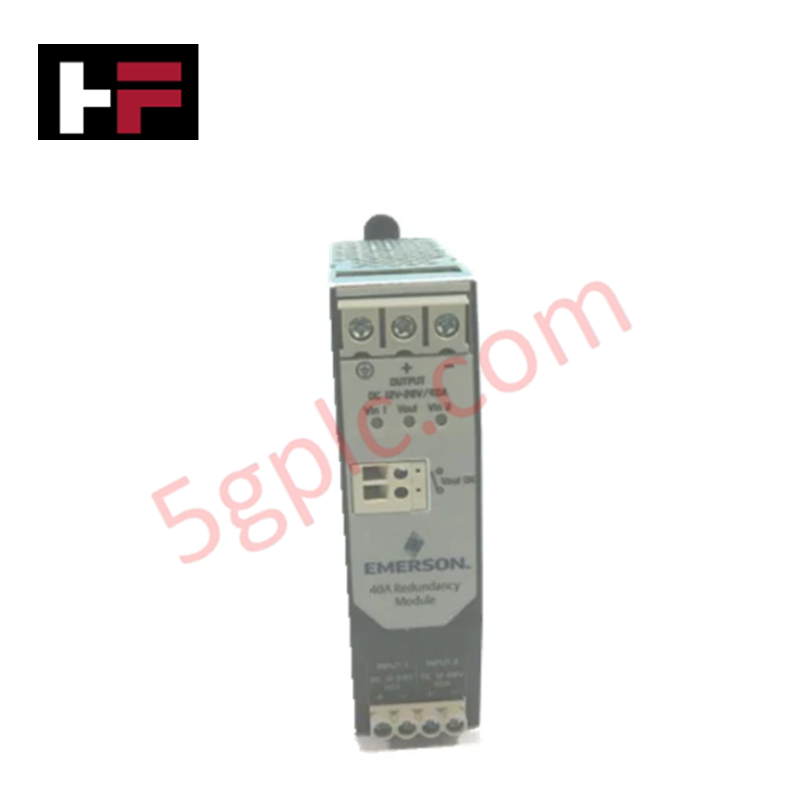
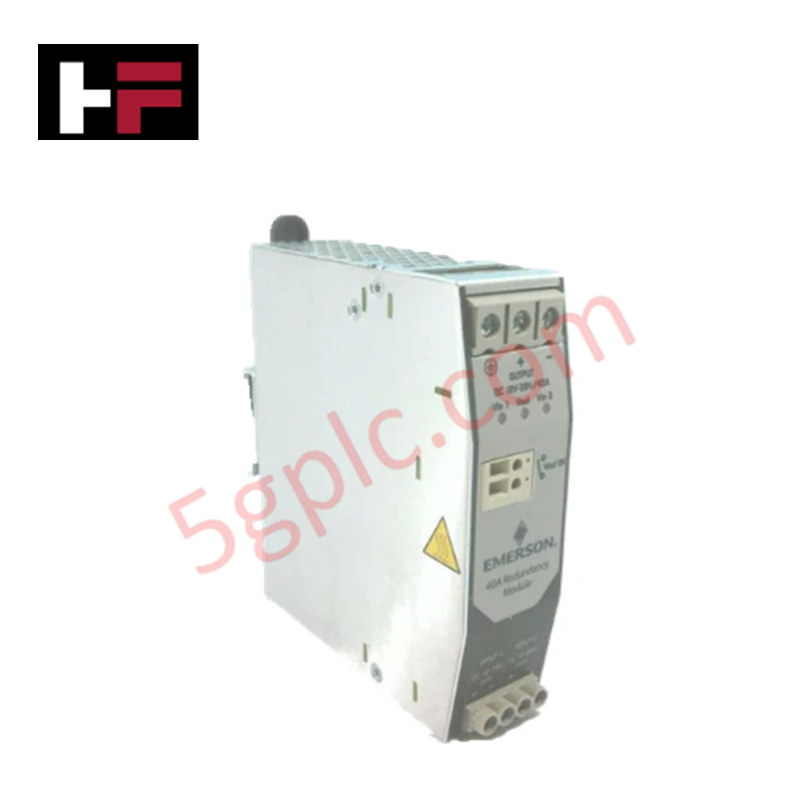
Configured for signal conditioning and data extension in DeltaV process control platforms, the Emerson KJ2221X1-BA1 (KJ2221X1-BA1 Repeater Module) provides direct physical/electrical execution for serial and analog data transmission.
Suffix Breakdown & Model Matrix
The KJ2221X1-BA1 is a consolidated hardware component utilized for communication extension. No specific sub-series variants are defined for this part number; the model designation reflects the standard architecture for DeltaV repeater functions within M-series I/O subsystems.
Hardware Specifications
| Parameter | Specification |
|---|---|
| Model | KJ2221X1-BA1 |
| Brand | Emerson |
| Origin | Not specified |
| Weight | 1.5 kg |
| Dimensions | 120 mm x 80 mm x 35 mm |
| Operating Temp | -40 deg C to +85 deg C |
| Power Consumption | 24 VDC at 300 mA |
| Input Voltage | 24 VDC (+/- 10%) |
| Isolation | 1500 V AC (Channel-to-Channel) |
| Accuracy | +/- 0.1% of Full Scale |
Process Control and DCS Connectivity
The KJ2221X1-BA1 module employs channel-to-channel isolation to prevent electrical interference propagation between segments of the control network. Designed for integration with 4-20 mA HART loop protocol architectures, the repeater ensures signal integrity over extended cabling distances. The module facilitates communication across both Modbus RTU and FOUNDATION Fieldbus environments, maintaining data throughput with high deterministic precision. Internal circuitry provides cold junction compensation (CJC) capabilities when interfacing with associated terminal assemblies, ensuring accuracy in temperature-sensitive loop segments.
Frequently Asked Questions
Q: Does the module support hot-swapping under power?
A: Yes, the repeater is designed for insertion and removal while the I/O subsystem is energized. Ensure that the system controller is placed in a maintenance state or that the connected loops are bypassed prior to extraction to prevent process disruptions.
Q: What are the primary communication protocol limitations?
A: The module supports Modbus RTU and HART protocols. Ensure that baud rates and parity settings on the repeater are synchronized with the primary DCS controller and field instruments to avoid communication timeouts or data corruption.
Field Installation Guidelines
- Mounting: Secure the repeater onto the standard M-Series I/O carrier. Ensure the backplane connector is fully seated to guarantee a stable connection for power and communication buses.
- Signal Wiring: Use shielded twisted-pair cabling for all signal connections. Terminate the cable shields to the carrier-mounted ground bus to effectively suppress electromagnetic interference.
- Power Verification: Confirm that the input supply is 24 VDC within the +/- 10% tolerance range before engaging the module. Measure the voltage at the terminal block to ensure no excessive drops are present in the supply line.
- Integration: Assign the correct node address via the DeltaV engineering workstation software. Confirm physical communication handshake by verifying that the status LEDs reflect active data transmission before finalizing the loop configuration.
Additional Information
- 100% Genuine Parts: All products are original and authentic, ensuring reliable industrial performance.
- 30-Day Refund Guarantee: Return any in-stock item within 30 days in original, unopened packaging for a full refund (excluding shipping and fees).
- 12-Month Warranty: Covers defects in materials or workmanship; excludes misuse, normal wear, or unauthorized modifications.
- Worldwide Shipping: We ship via USPS, UPS, FedEx, and DHL. Delivery times vary by country and may be subject to customs or import fees.
- Support & Contact: Technical and warranty assistance is available anytime. Contact us here: Contact.
- Purchase Guidance: Check product specifications and compatibility carefully before ordering to ensure proper application.


Tech & Buying Guide

Why 24V DC Power Supplies Standardize Modern Industrial Automation
Industrial control cabinets worldwide rely on 24V DC as the universal power standard for field instrumentation, sensors, and controllers. Walk into any manufacturing plant, and you will find PLCs, human-machine interfaces (HMIs), and smart actuators running on extra-low voltage DC. Standardizing on 24V DC enhances operational safety, lowers cabinet footprint, and maintains steady control performance across factory networks.

Essential Motion Control Commands: A Practical Guide for Engineers
Automation engineers often rely on precise position and speed control to drive modern factory machinery. Modern industrial systems, such as Programmable Logic Controllers (PLCs) and Distributed Control Systems (DCS), depend heavily on standardized motion instructions. Mastering these commands ensures operational safety, protects mechanical components, and optimizes cycle times across production lines.

Mastering Modern Industrial Joystick Controls in Heavy Automation
Industrial joysticks play a pivotal role in human-machine interaction across heavy material handling and mobile hydraulics. These tactile controllers translate complex operator movements into precise electrical signals for PLCs, motion controllers, and DCS networks. Consequently, selecting and installing the right joystick architecture ensures operator safety, reduces fatigue, and optimizes equipment performance.