










Product Details
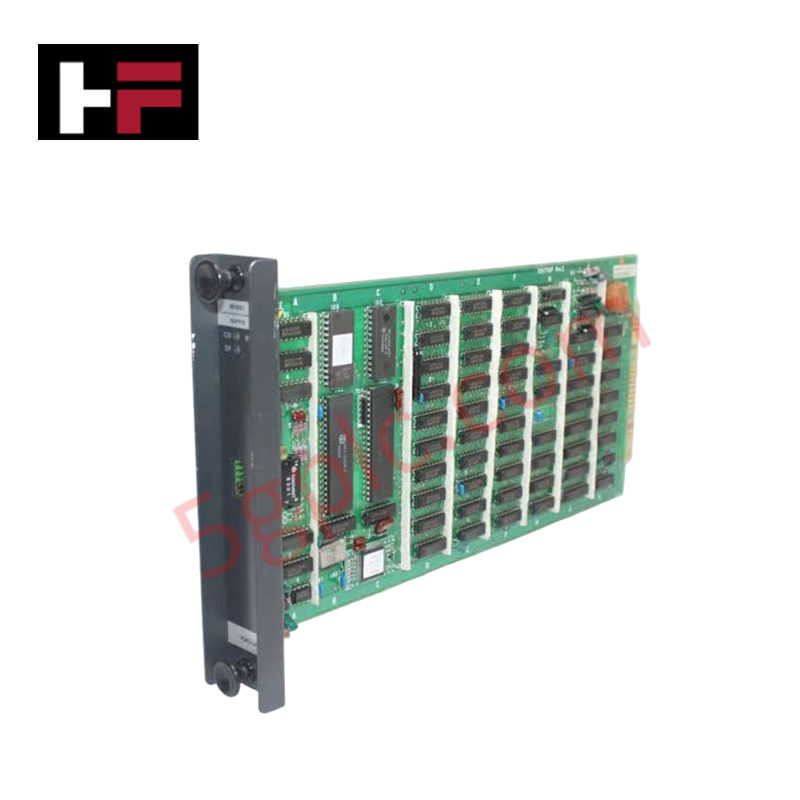
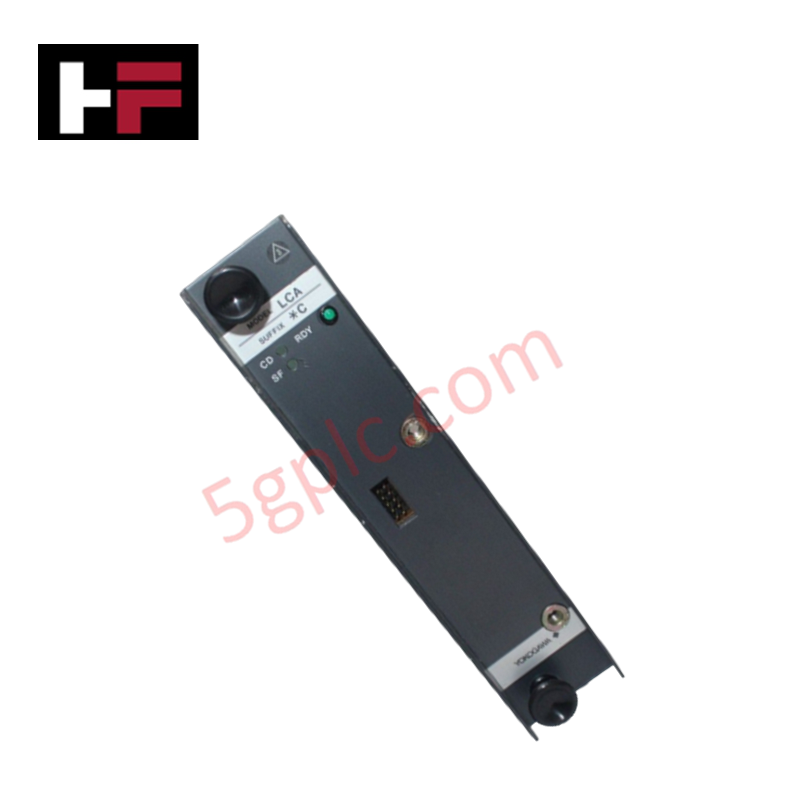
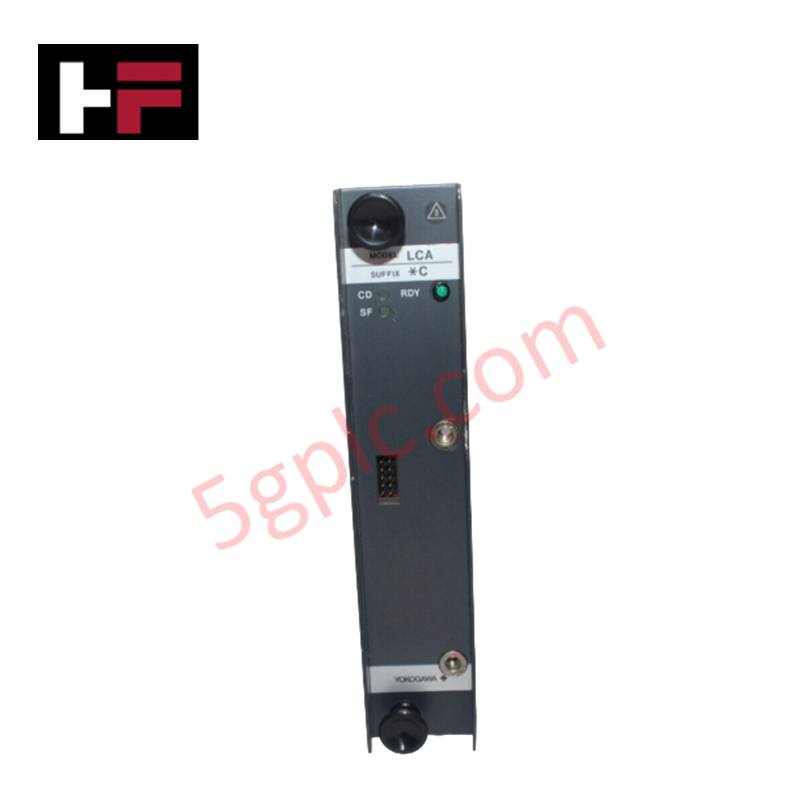
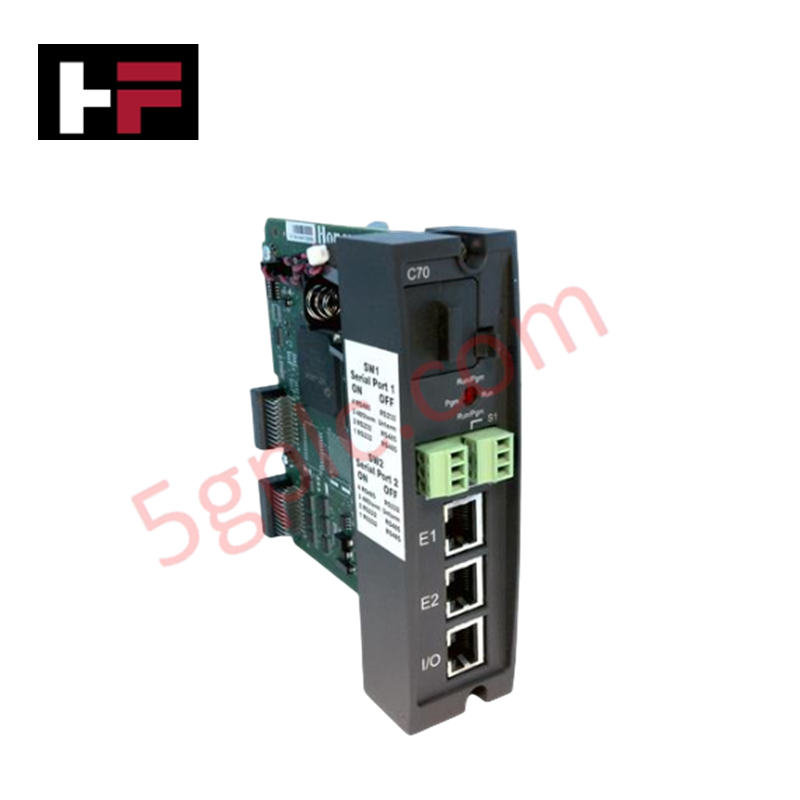
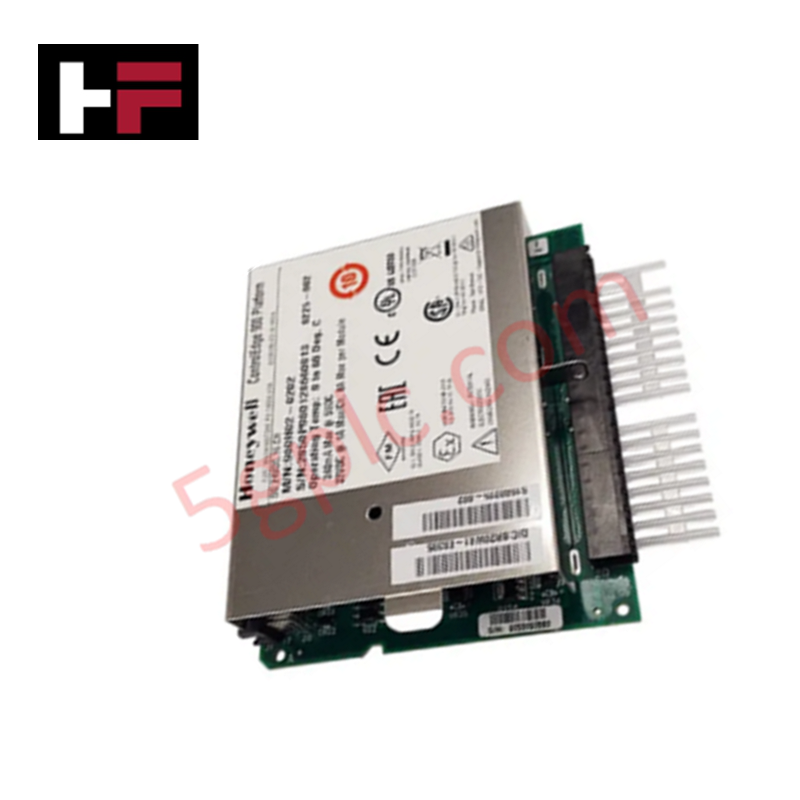
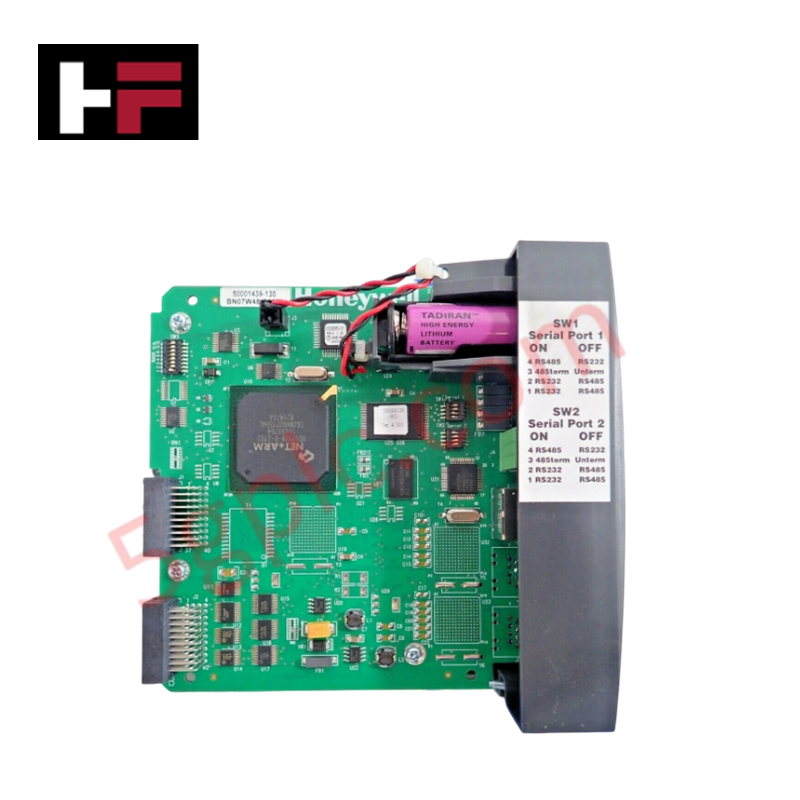
Configured for high-speed network integration in Yokogawa CENTUM DCS platforms, the Yokogawa LCA*C (LCA Control Processing Unit) provides direct physical/electrical execution to run system logic and process algorithms. The unit functions as a centralized computing hardware component, interfacing directly with local backplane buses to route discrete and analog data streams without execution lag. It processes 4 channels of mixed signals and communicates over Vnet/IP, Modbus RTU/TCP, ASCII, and RS-485 network interfaces.
Suffix Breakdown & Model Matrix
| Code Element | Specification / Description |
|---|---|
| LCA | Base model designation for CENTUM control processing unit card series |
| *C | Style code Revision C specifying hardware circuit layout, firmware revision, and terminal interface assembly |
Hardware Specifications
| Parameter | Specification |
|---|---|
| Model | LCA*C |
| Brand | Yokogawa |
| Origin | Japan |
| Weight | 0.5 kg |
| Dimensions | 100 mm x 100 mm x 50 mm |
| Operating Temp | -20 to 60 deg C |
| Power Consumption | 0.6 W |
| Input Voltage | 5 VDC nominal (backplane supplied) / 24 VDC nominal |
| Signal Processing | 4 channels (analog and digital support) |
| Communication Protocols | Vnet/IP, Modbus RTU/TCP, ASCII, RS-485 |
| Mounting Format | Rack-mounted or modular slot insertion |
| Diagnostic Indicators | LED array for communication, health, and fault status |
Channel-to-Channel Isolation and DCS Logic Processing
The LCA*C processing card executes real-time arithmetic calculations and schedules control loops across connected distributed control system nodes. To preserve frame timing and isolate transient spikes from field devices, the architecture incorporates channel-to-channel isolation across all signal conditioning stages. Incoming physical signals are decoded through dedicated Modbus and Vnet/IP memory registers to update process variable tables. This continuous galvanic isolation barrier protects the primary microprocessor from common-mode electrical noise and prevents systemic ground potential differentials from interfering with loop calculations.
Frequently Asked Questions
Q: What specific restrictions govern the online replacement or hot-swapping of the LCA*C control processor?
A: Online replacement requires the controller to operate within a configured redundant processor pair. Removing a single non-redundant module interrupts the system backplane bus, halting active control outputs and forcing connected I/O sub-modules into configured fail-safe states.
Q: How does the processor react if backplane logic voltage drops below the 5 VDC nominal rating?
A: The module contains an internal brownout detection circuit that continuously monitors input voltage rails. If logic voltage drops below operational thresholds, the hardware initiates a master reset, de-energizes command outputs, and illuminates the fault diagnostic LED.
Q: What communication protocols are natively supported for host and field data exchange?
A: The card natively supports Vnet/IP network communications alongside Modbus RTU, Modbus TCP, ASCII, and RS-485 serial interfaces for real-time register translation.
Field Installation Guidelines
- Chassis Insertion Mechanics: Align module side guides with rack-mount slot guide rails prior to insertion. Slide the hardware firmly into the backplane connector block until locking mechanisms fully engage to prevent vibration-induced contact interruption.
- Thermal Management: Maintain a minimum 50 mm clearance above and below the rack chassis assembly to facilitate natural air circulation. Ensure cabinet ambient temperatures remain within -20 to 60 deg C.
- Shield Grounding: Terminate communication cable shielding at the cabinet entry bulkhead grounding strip. Route low-voltage signal lines away from high-voltage AC motor lines to suppress electromagnetic interference.
Additional Information
- 100% Genuine Parts: All products are original and authentic, ensuring reliable industrial performance.
- 30-Day Refund Guarantee: Return any in-stock item within 30 days in original, unopened packaging for a full refund (excluding shipping and fees).
- 12-Month Warranty: Covers defects in materials or workmanship; excludes misuse, normal wear, or unauthorized modifications.
- Worldwide Shipping: We ship via USPS, UPS, FedEx, and DHL. Delivery times vary by country and may be subject to customs or import fees.
- Support & Contact: Technical and warranty assistance is available anytime. Contact us here: Contact.
- Purchase Guidance: Check product specifications and compatibility carefully before ordering to ensure proper application.






Tech & Buying Guide
Safety Relays in Industrial Automation: Fundamentals, Design Standards, and Fail-Safe Architecture
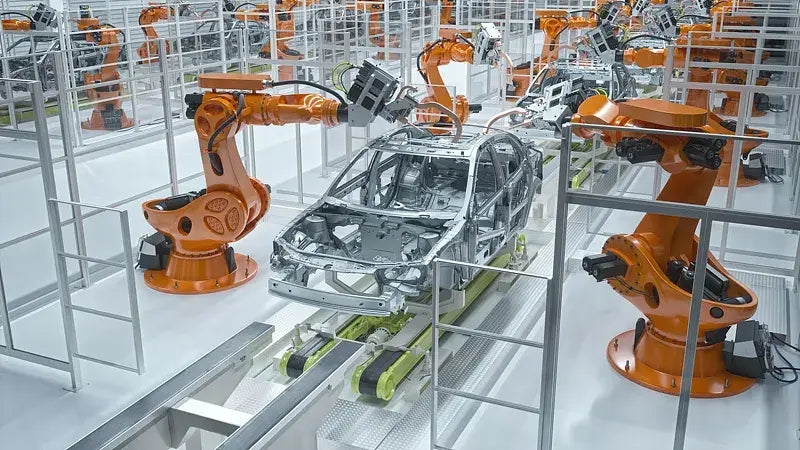
Safety relays form the bedrock of functional safety in modern factory automation, preventing catastrophic equipment failure and protecting plant personnel. While standard electromechanical relays handle basic load switching, they lack the redundant diagnostics required for high-risk industrial environments. Modern industrial automation platforms—including programmable logic controllers (PLCs) and distributed control systems (DCS)—rely on specialized safety relays to monitor field devices and isolate hazards instantly.

Voice-Activated Industrial Automation: Integrating Speech Control into PLC and DCS Architectures
Industrial automation integrates speech recognition, IIoT protocols, and NLP with PLCs and DCS to streamline operations. By leveraging advanced edge computing, engineers enable real-time, hands-free control—allowing personnel to manage smart factory processes safely away from hazardous equipment.
Modern Industrial Automation: Transforming Safety and Efficiency in Mining Operations
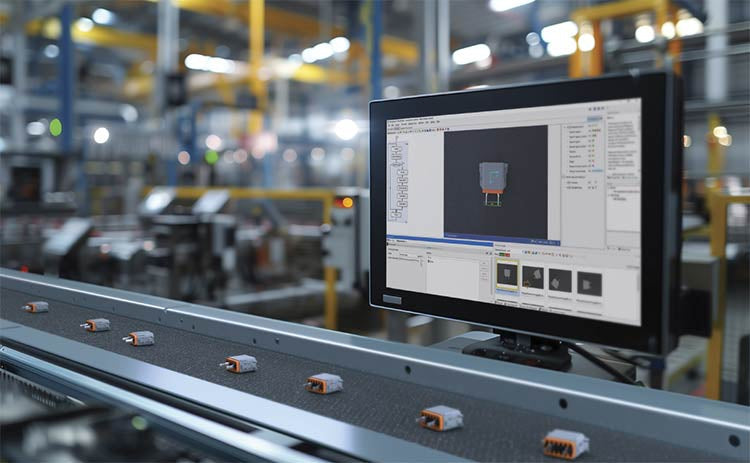
Industrial automation has evolved from a simple manufacturing tool into the operational backbone of high-risk sectors. Modern mining operations increasingly rely on advanced control systems, programmable logic controllers (PLCs), distributed control systems (DCS), and artificial intelligence to address deep-underground hazards. By replacing manual labor in high-risk zones, factory automation technologies protect personnel while significantly boosting operational throughput.