










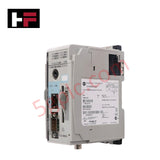
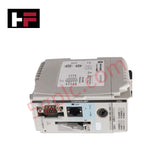
Product Details
Overview
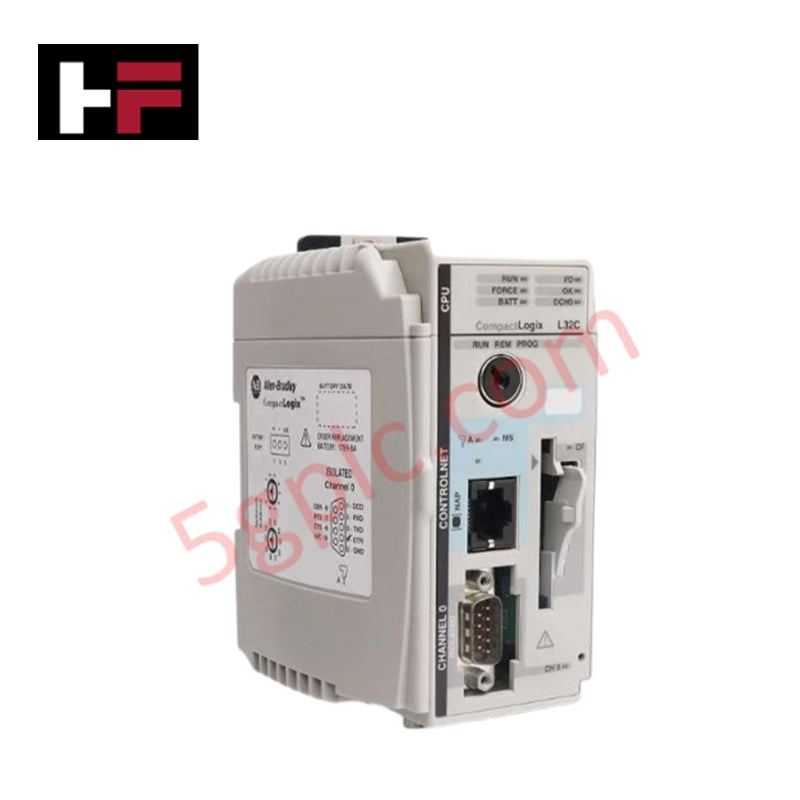
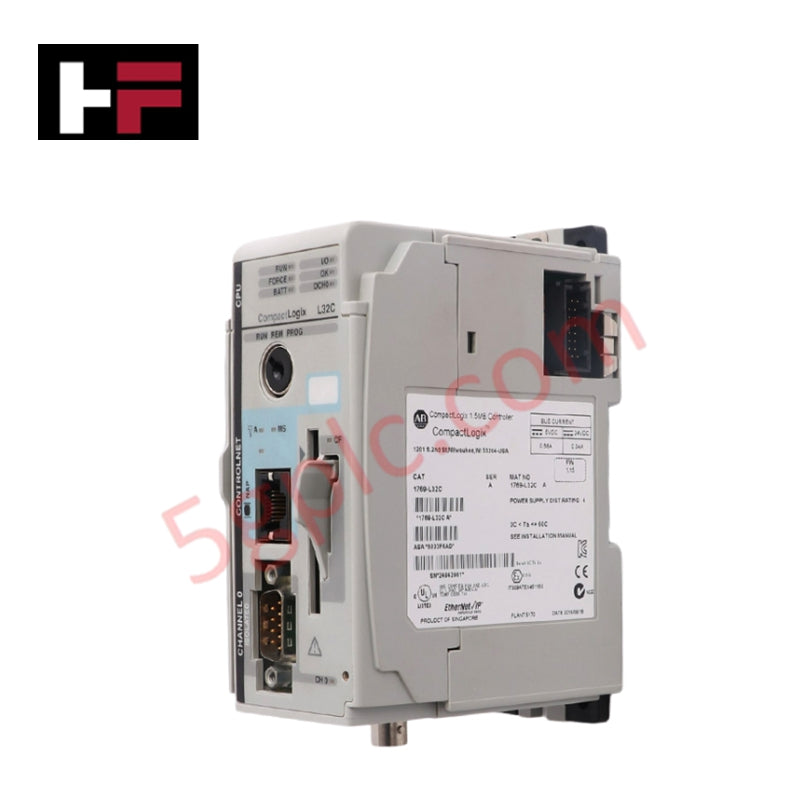
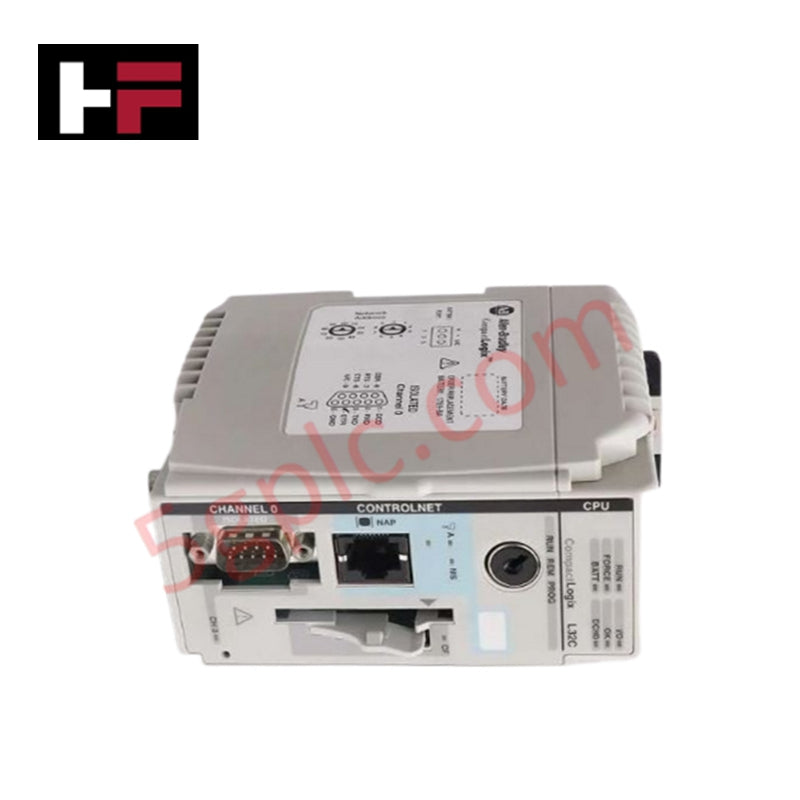
The 1769-L32C modular controller from Allen-Bradley is a CompactLogix processor module designed for reliable control and automation in industrial applications. It features 750 KB memory, supports serial communication, and is compatible with Series A and B modules. Its compact design and standard copper wiring ensure efficient integration into control systems.
Technical Specifications
-
Model / Part Number: 1769-L32C
-
Manufacturer: Allen-Bradley
-
Category: PLCs
-
Product Line: CompactLogix
-
Module Type: Processor Module
-
Communication: Serial
-
Memory: 750 KB
-
Series Compatibility: A and B
-
Wire Type: Copper, 90°C rated
-
Wire Size (Solid): 22 to 14 AWG
-
Wire Size (Stranded): 22 to 16 AWG
-
Weight: 0.88 lbs (0.40 kg)
Application Scenarios
The 1769-L32C is suitable for small to medium-sized automation projects, including factory equipment control, machine monitoring, and process automation. Its modular design allows flexible expansion with additional CompactLogix modules to meet system requirements.
FAQ
Q: Can the 1769-L32C be used with both Series A and B modules?
A: Yes, it is fully compatible with Series A and B CompactLogix modules.
Q: What type of wiring is required for this module?
A: Standard copper wires rated for 90°C are recommended. Solid wires should be 22–14 AWG, stranded wires 22–16 AWG.
Q: How much memory does it provide?
A: The module includes 750 KB of memory for program storage and data handling.
Q: Can it communicate with other PLCs?
A: Yes, the serial communication interface allows integration with compatible Allen-Bradley PLCs and devices.
Q: How does it compare to other CompactLogix controllers?
A: The 1769-L32C balances compact size with sufficient memory and flexible serial communication, making it ideal for small to mid-scale automation setups compared to larger L3 or L4 series modules.
Additional Information
- 100% Genuine Parts: All products are original and authentic, ensuring reliable industrial performance.
- 30-Day Refund Guarantee: Return any in-stock item within 30 days in original, unopened packaging for a full refund (excluding shipping and fees).
- 12-Month Warranty: Covers defects in materials or workmanship; excludes misuse, normal wear, or unauthorized modifications.
- Worldwide Shipping: We ship via USPS, UPS, FedEx, and DHL. Delivery times vary by country and may be subject to customs or import fees.
- Support & Contact: Technical and warranty assistance is available anytime. Contact us here: Contact.
- Purchase Guidance: Check product specifications and compatibility carefully before ordering to ensure proper application.


Tech & Buying Guide

Understanding Types of Noise in Electronic Circuits and Control Systems
Signal integrity directly determines measurement accuracy and loop stability across industrial automation environments. Electronic noise introduces unwanted stochastic interference into analog loops, sensor feedback lines, and digital fieldbus networks. Understanding how intrinsic electronic noise and external electromagnetic interference manifest allows control engineers to optimize signal conditioning and shield sensitive instrumentation effectively.
Why 24V DC Power Supplies Standardize Modern Industrial Automation
Industrial control cabinets worldwide rely on 24V DC as the universal power standard for field instrumentation, sensors, and controllers. Walk into any manufacturing plant, and you will find PLCs, human-machine interfaces (HMIs), and smart actuators running on extra-low voltage DC. Standardizing on 24V DC enhances operational safety, lowers cabinet footprint, and maintains steady control performance across factory networks.

Essential Motion Control Commands: A Practical Guide for Engineers
Automation engineers often rely on precise position and speed control to drive modern factory machinery. Modern industrial systems, such as Programmable Logic Controllers (PLCs) and Distributed Control Systems (DCS), depend heavily on standardized motion instructions. Mastering these commands ensures operational safety, protects mechanical components, and optimizes cycle times across production lines.