










Product Details
Product Overview
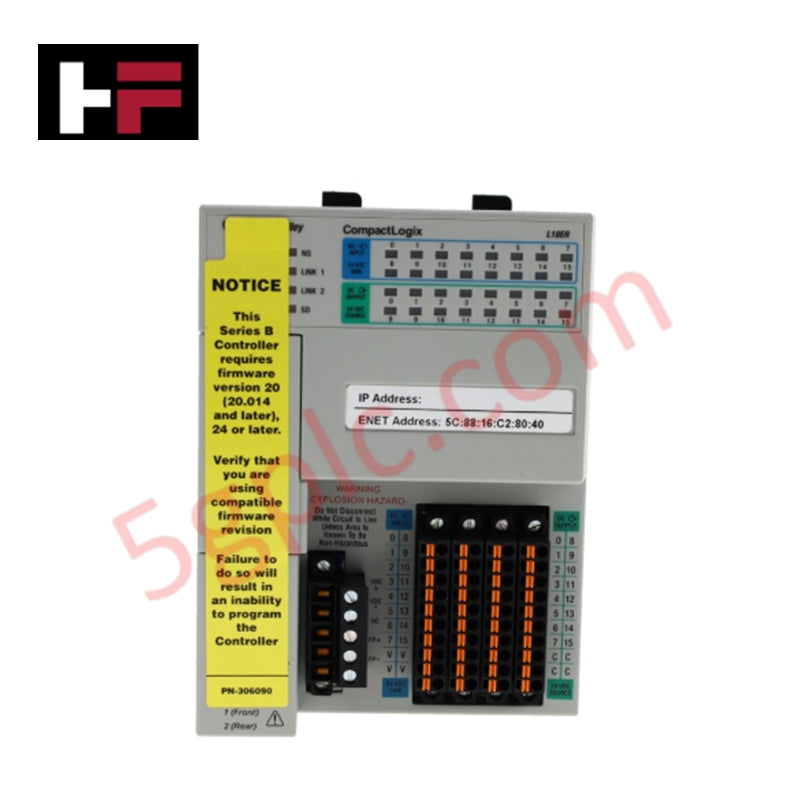
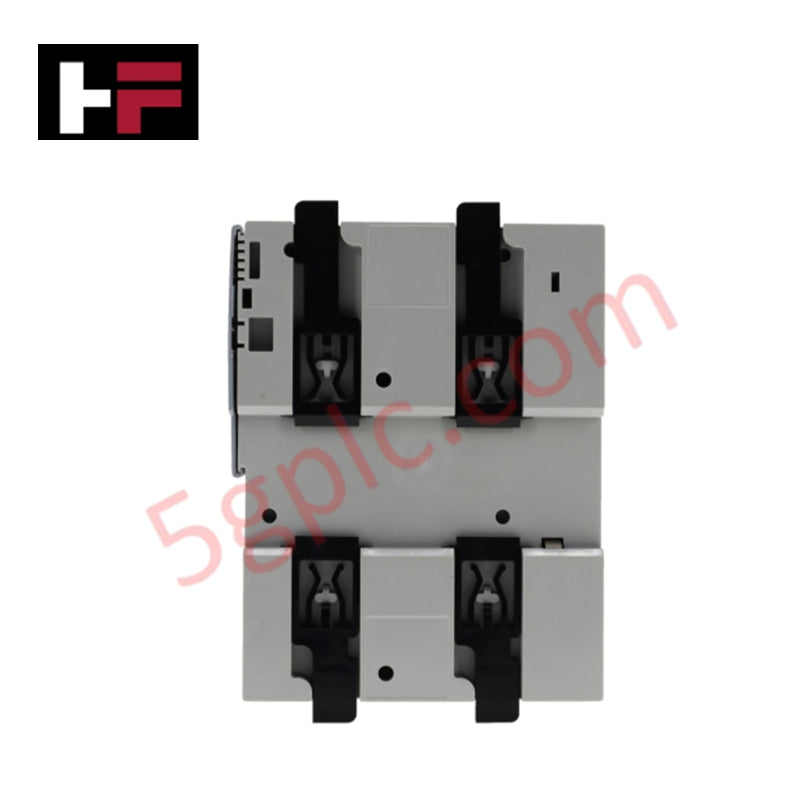
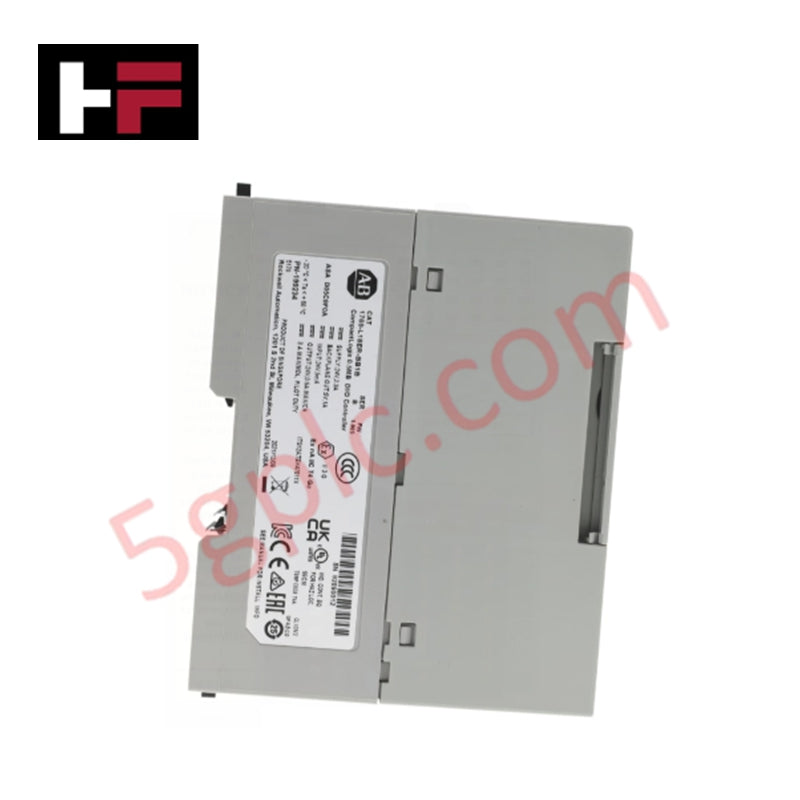
The Allen-Bradley 1769-L18ER-BB1B serves as a core processing unit within the CompactLogix 5370 L1 family. This controller combines the functional power of the Logix engine with the modular flexibility of the 1734 POINT I/O system. It provides an ideal solution for small to medium-scale applications requiring high-speed integrated motion over EtherNet/IP and distributed control. We supply this controller as 100% Brand New and Original, ensuring your automation architecture utilizes the latest hardware revisions without the risks associated with surplus stock.
Technical Specifications
The 1769-L18ER-BB1B utilizes a built-in 24V DC power supply and supports high-density task management.
-
Manufacturer: Allen-Bradley / Rockwell Automation
-
Product Line: CompactLogix 5370 L1
-
User Memory: 512 KB
-
Local I/O Capacity: Supports up to 8 Bulletin 1734 POINT I/O Modules
-
Controller Tasks: 32 Tasks (1000 Programs per Task)
-
Communication Ports: Dual EtherNet/IP Ports
-
Network Topologies: DLR (Device Level Ring), Linear, and Star
-
Energy Storage: Internal (Eliminates the need for a battery)
-
Digital I/O Onboard: 16 Sink Inputs / 16 Source Outputs (24V DC)
-
Weight: 1.38 lbs (0.62 kg)
Engineering Advantages
-
Elimination of Battery Maintenance: The integrated energy storage module preserves the controller's memory during power loss. This design removes the need for lithium batteries, reducing scheduled maintenance costs and preventing potential data loss due to battery failure.
-
Network Redundancy with DLR: Dual Ethernet ports support Device Level Ring (DLR) technology. This allows the controller to detect and recover from a single point of failure in the network ring, maintaining system operation while technicians repair the damaged cable.
-
Compact Modular Scalability: The L1 series architecture accepts up to eight 1734 POINT I/O modules directly on the right side of the controller. This provides an exceptionally high I/O density in a narrow footprint, making it the perfect choice for crowded control cabinets or machine-mounted enclosures.
-
High-Performance Tasking: The controller manages up to 32 independent tasks. This multi-tasking capability ensures that time-critical motion or safety logic executes at high priority without interference from lower-priority background communication or diagnostic routines.
-
Unified Engineering Environment: The 1769-L18ER-BB1B integrates seamlessly with Studio 5000 Logix Designer. This allows engineers to use a single software platform for logic, motion, and safety configuration, accelerating the commissioning process.
FAQs
-
Does the 1769-L18ER-BB1B require a separate power supply?
The controller features an integrated 24V DC power supply that powers the controller and the internal backplane for the local 1734 POINT I/O modules. You must provide a stable external 24V DC source to the "VDC" terminals of the unit.
-
Can I expand the I/O beyond the 8 local modules?
Yes. While the local backplane supports up to 8 POINT I/O modules, you can expand the system by adding distributed I/O over the EtherNet/IP network. The controller communicates with remote 1734-AENTR or 1794-AENTR adapters to manage hundreds of additional I/O points.
-
Is this controller compatible with older RSLogix 5000 versions?
The 1769-L18ER-BB1B generally requires Studio 5000 Logix Designer (Version 20 and higher). Always verify your specific firmware revision to ensure compatibility with your existing software licenses and hardware profiles.
-
What happens to my program if the power fails?
The controller utilizes its internal energy storage to write the contents of its volatile memory to onboard non-volatile flash memory during a power-down event. This ensures your program and tag values remain intact upon the next power-up without requiring a battery backup.
Additional Information
- 100% Genuine Parts: All products are original and authentic, ensuring reliable industrial performance.
- 30-Day Refund Guarantee: Return any in-stock item within 30 days in original, unopened packaging for a full refund (excluding shipping and fees).
- 12-Month Warranty: Covers defects in materials or workmanship; excludes misuse, normal wear, or unauthorized modifications.
- Worldwide Shipping: We ship via USPS, UPS, FedEx, and DHL. Delivery times vary by country and may be subject to customs or import fees.
- Support & Contact: Technical and warranty assistance is available anytime. Contact us here: Contact.
- Purchase Guidance: Check product specifications and compatibility carefully before ordering to ensure proper application.


Tech & Buying Guide
Understanding Types of Noise in Electronic Circuits and Control Systems
Signal integrity directly determines measurement accuracy and loop stability across industrial automation environments. Electronic noise introduces unwanted stochastic interference into analog loops, sensor feedback lines, and digital fieldbus networks. Understanding how intrinsic electronic noise and external electromagnetic interference manifest allows control engineers to optimize signal conditioning and shield sensitive instrumentation effectively.
Why 24V DC Power Supplies Standardize Modern Industrial Automation
Industrial control cabinets worldwide rely on 24V DC as the universal power standard for field instrumentation, sensors, and controllers. Walk into any manufacturing plant, and you will find PLCs, human-machine interfaces (HMIs), and smart actuators running on extra-low voltage DC. Standardizing on 24V DC enhances operational safety, lowers cabinet footprint, and maintains steady control performance across factory networks.

Essential Motion Control Commands: A Practical Guide for Engineers
Automation engineers often rely on precise position and speed control to drive modern factory machinery. Modern industrial systems, such as Programmable Logic Controllers (PLCs) and Distributed Control Systems (DCS), depend heavily on standardized motion instructions. Mastering these commands ensures operational safety, protects mechanical components, and optimizes cycle times across production lines.