












Product Details
Technical Architecture and Functional Integration
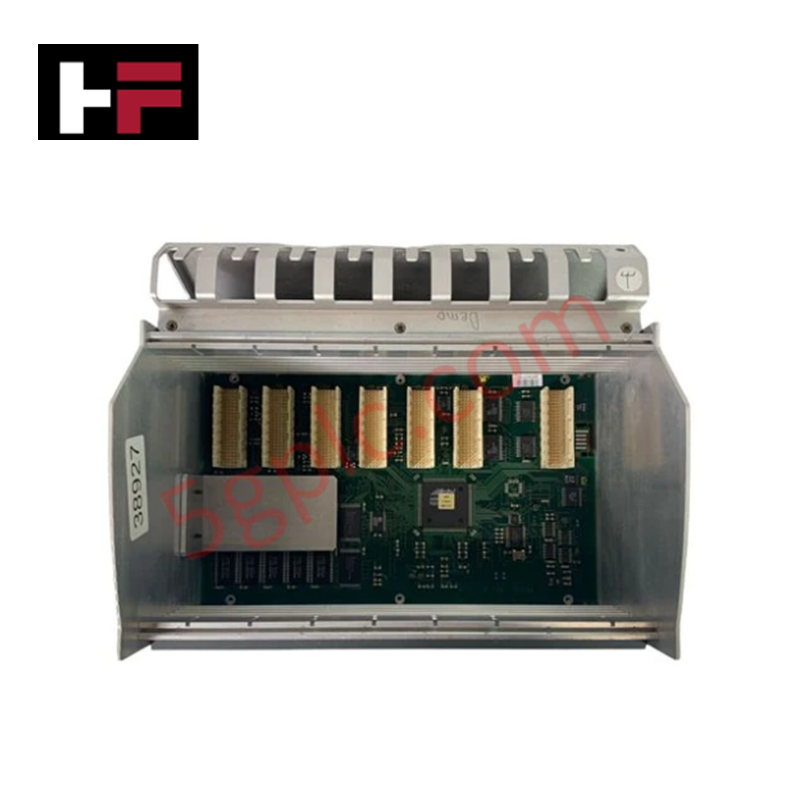
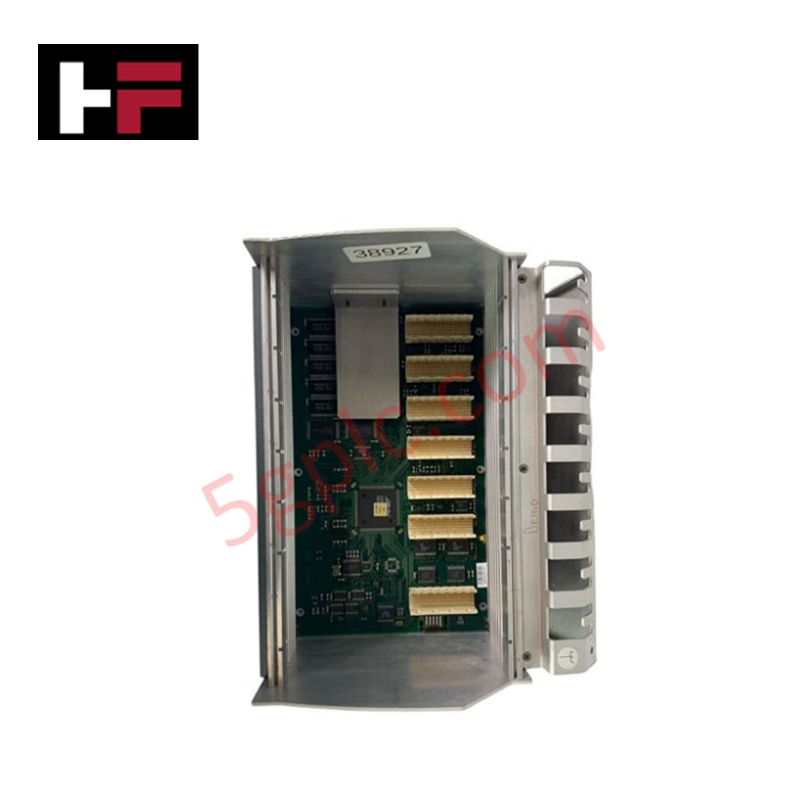
The DSQC 472 (YT204001-ET) functions as a specialized motor control interface within the ABB S4C+ robot controller hierarchy. This board is engineered to bridge the gap between high-level command logic and physical actuator response, managing precision signal processing for motor regulation. Beyond its primary motor control capabilities, the DSQC 472 often incorporates integrated I/O channels to facilitate localized sensor feedback and peripheral device synchronization, making it a pivotal component for maintaining the dynamic performance of S4C+ industrial arms.
Technical Specifications
Detailed engineering parameters for the DSQC 472 are outlined below:
-
Controller Generation: Exclusively for ABB S4C+ (M2000/M2000A) systems
-
Function: Combined Motor Control and Digital/Analog I/O Processing
-
Processor Link: High-speed communication interface for real-time axis synchronization
-
Unit Mass: 190 g
-
Manufacturing Origin: Sweden
-
Power Requirements: Typically logic-level DC supply from the controller backplane
-
Mounting Interface: Standard slot-based installation within the robot computer module
Operational Implementation and FAQ
What are the primary indicators of a hardware fault on the DSQC 472?
Technicians should monitor the status LEDs located on the front edge of the card. A "Fault" LED or a failure of the system to recognize a specific motor axis during the boot sequence often points to internal component degradation or signal interference within the DSQC 472 circuitry.
Can this board be used as a standalone I/O module?
While the DSQC 472 contains I/O capabilities, its firmware and hardware architecture are optimized for motor control logic. It is not intended to replace dedicated high-density I/O units like the DSQC 328 or 652.
Does this board require manual jumper configuration?
Depending on the specific axis configuration of your S4C+ cabinet, certain hardware address jumpers may need to be verified against the original system schematics to ensure correct bus identification for the DSQC 472.
Hardware Comparison: DSQC 472 vs. DSQC 346
| Feature | DSQC 472 | DSQC 346 |
| System Generation | S4C+ (Modern) | S4 / S4C (Legacy) |
| Primary Focus | Integrated Motor/IO | Dedicated Power/Axis Drive |
| Weight | 190 g | ~800 g |
| Communication | Advanced Serial/Parallel | VME Bus Interface |
Additional Information
- 100% Genuine Parts: All products are original and authentic, ensuring reliable industrial performance.
- 30-Day Refund Guarantee: Return any in-stock item within 30 days in original, unopened packaging for a full refund (excluding shipping and fees).
- 12-Month Warranty: Covers defects in materials or workmanship; excludes misuse, normal wear, or unauthorized modifications.
- Worldwide Shipping: We ship via USPS, UPS, FedEx, and DHL. Delivery times vary by country and may be subject to customs or import fees.
- Support & Contact: Technical and warranty assistance is available anytime. Contact us here: Contact.
- Purchase Guidance: Check product specifications and compatibility carefully before ordering to ensure proper application.


Tech & Buying Guide

Understanding Types of Noise in Electronic Circuits and Control Systems
Signal integrity directly determines measurement accuracy and loop stability across industrial automation environments. Electronic noise introduces unwanted stochastic interference into analog loops, sensor feedback lines, and digital fieldbus networks. Understanding how intrinsic electronic noise and external electromagnetic interference manifest allows control engineers to optimize signal conditioning and shield sensitive instrumentation effectively.

Why 24V DC Power Supplies Standardize Modern Industrial Automation
Industrial control cabinets worldwide rely on 24V DC as the universal power standard for field instrumentation, sensors, and controllers. Walk into any manufacturing plant, and you will find PLCs, human-machine interfaces (HMIs), and smart actuators running on extra-low voltage DC. Standardizing on 24V DC enhances operational safety, lowers cabinet footprint, and maintains steady control performance across factory networks.

Essential Motion Control Commands: A Practical Guide for Engineers
Automation engineers often rely on precise position and speed control to drive modern factory machinery. Modern industrial systems, such as Programmable Logic Controllers (PLCs) and Distributed Control Systems (DCS), depend heavily on standardized motion instructions. Mastering these commands ensures operational safety, protects mechanical components, and optimizes cycle times across production lines.