












Product Details
Overview:
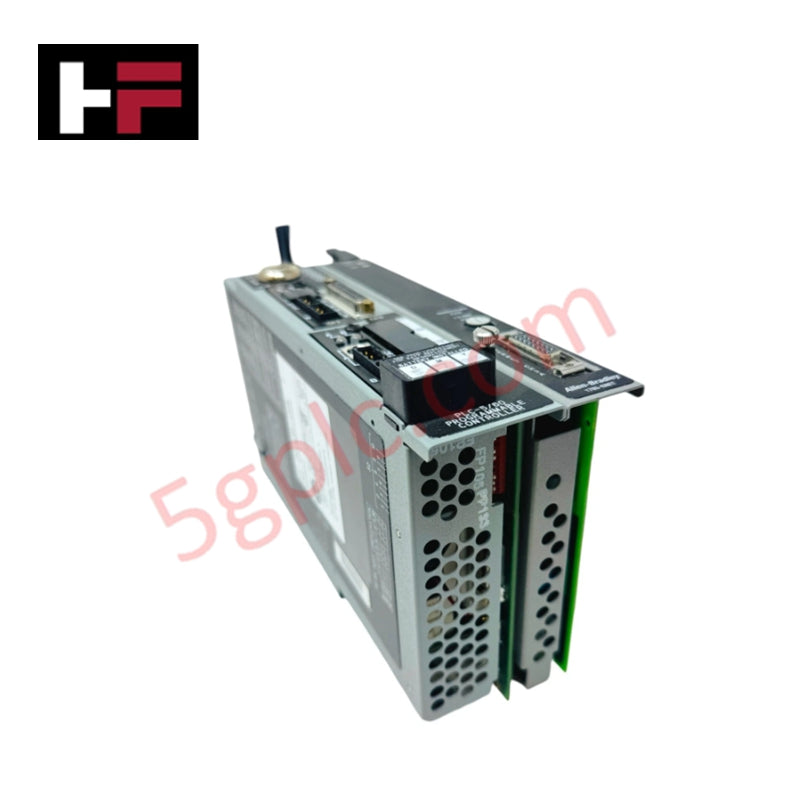
The 1785-L11B is a PLC-5/11 series processor from Allen-Bradley, designed for mid-range automation tasks. It provides network connectivity via the 1785-ENET module and supports flexible I/O expansion for industrial applications.
Technical Specifications:
-
Model: 1785-L11B
-
Series: PLC-5
-
Processor Type: PLC-5/11 Standard Processor
-
User Memory: 8 K words, battery-backed static RAM
-
EEPROM Backup: Supported with 1785-ME16, ME32, ME64, ME100
-
Protected Memory: No
-
Maximum Total I/O: 512 points (any mix) or 384 in + 384 out (complementary)
-
Maximum Analog I/O: 512 points
-
I/O Scan Time per Rack: 10 ms @ 57.6 kbps, 7 ms @ 115.2 kbps, 3 ms @ 230.4 kbps
-
Maximum I/O Chassis Total: 5
-
Maximum Extended Local I/O Chassis: 0
-
Maximum Universal Remote I/O Chassis: 4
-
Communication Ports: 1 RS-232-C / 422-A / 423-A
-
Expansion Ports: Control coprocessor expansion port
-
Weight: 3.00 lbs (1.36 kg)
-
Power Dissipation: 6.2 W
-
Input Voltage: Standard PLC-5 chassis supply
-
Enclosure: Rack-mounted, open-style (requires chassis)
Compatible Chassis:
-
1785-A4 / A4K
-
1785-A7 / A7K
-
1785-A10 / A10K
-
1785-A13 / A13K
-
1785-A17 / A17K (Series B)
Application Scenarios:
-
Mid-range automation tasks
-
Process monitoring and control
-
Legacy system integration
-
Networked I/O with 1785-ENET
FAQ:
-
Q: Can this processor support remote racks?
A: Yes, up to 4 universal remote racks are supported. -
Q: Is the user memory battery-backed?
A: Yes, 8 K words are battery-backed. -
Q: Does it support EEPROM backup?
A: Yes, compatible with 1785-ME16, ME32, ME64, ME100 modules.
Additional Information
- 100% Genuine Parts: All products are original and authentic, ensuring reliable industrial performance.
- 30-Day Refund Guarantee: Return any in-stock item within 30 days in original, unopened packaging for a full refund (excluding shipping and fees).
- 12-Month Warranty: Covers defects in materials or workmanship; excludes misuse, normal wear, or unauthorized modifications.
- Worldwide Shipping: We ship via USPS, UPS, FedEx, and DHL. Delivery times vary by country and may be subject to customs or import fees.
- Support & Contact: Technical and warranty assistance is available anytime. Contact us here: Contact.
- Purchase Guidance: Check product specifications and compatibility carefully before ordering to ensure proper application.


Tech & Buying Guide
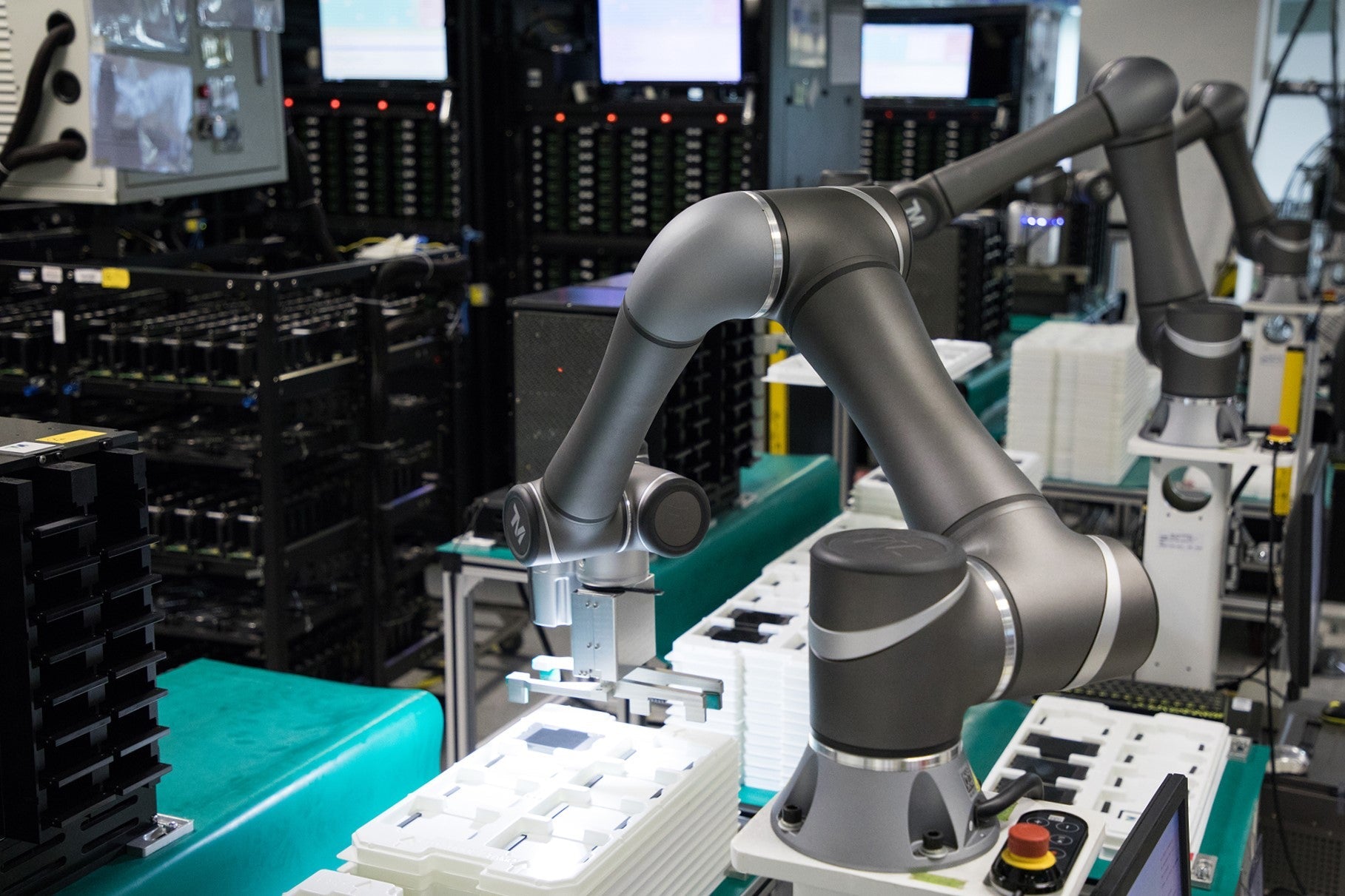
Redundant Automation Systems: Ensuring Continuous Uptime in Critical Control Infrastructure
System reliability directly determines operational profitability across high stakes process industries. Modern industrial automation platforms must eliminate single points of failure to prevent catastrophic shutdowns. Deploying fault tolerant architecture safeguards complex facilities against unexpected hardware glitches, network disruptions, and maintenance outages.

Understanding Types of Noise in Electronic Circuits and Control Systems
Signal integrity directly determines measurement accuracy and loop stability across industrial automation environments. Electronic noise introduces unwanted stochastic interference into analog loops, sensor feedback lines, and digital fieldbus networks. Understanding how intrinsic electronic noise and external electromagnetic interference manifest allows control engineers to optimize signal conditioning and shield sensitive instrumentation effectively.

Why 24V DC Power Supplies Standardize Modern Industrial Automation
Industrial control cabinets worldwide rely on 24V DC as the universal power standard for field instrumentation, sensors, and controllers. Walk into any manufacturing plant, and you will find PLCs, human-machine interfaces (HMIs), and smart actuators running on extra-low voltage DC. Standardizing on 24V DC enhances operational safety, lowers cabinet footprint, and maintains steady control performance across factory networks.