










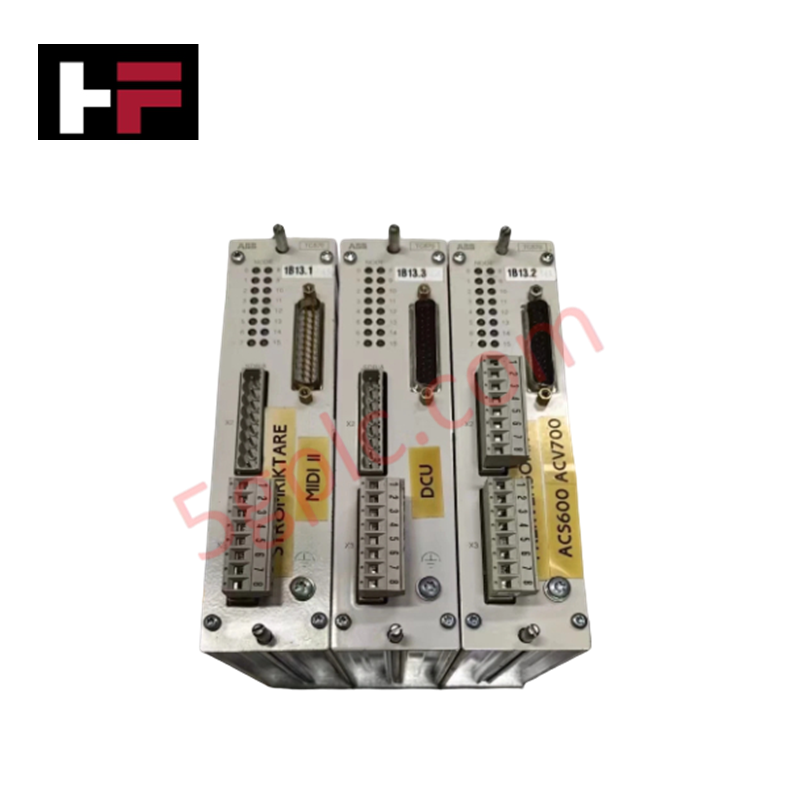
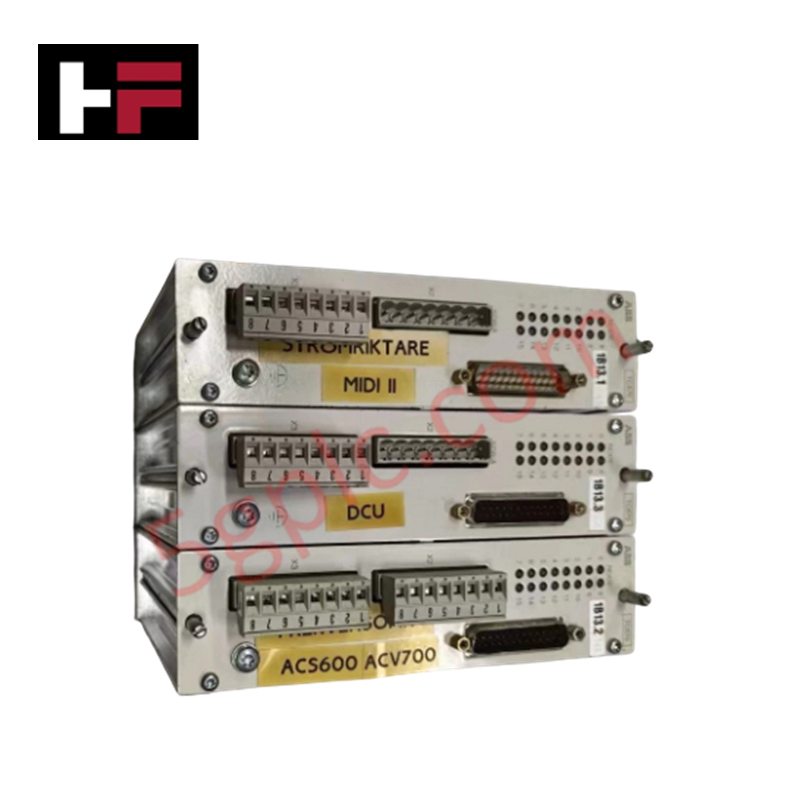
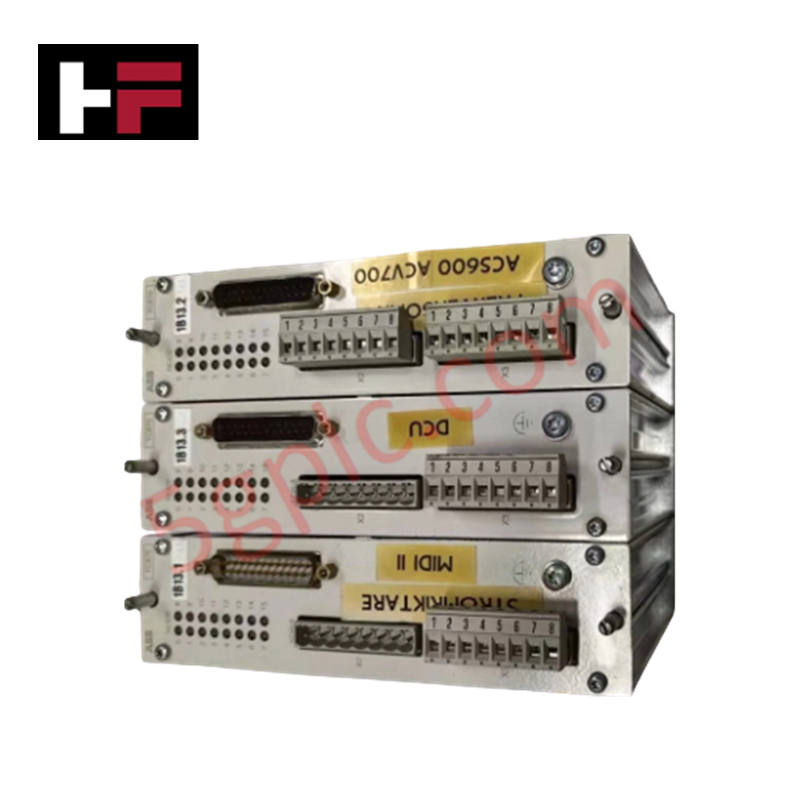
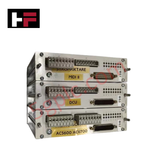
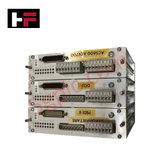
Product Details
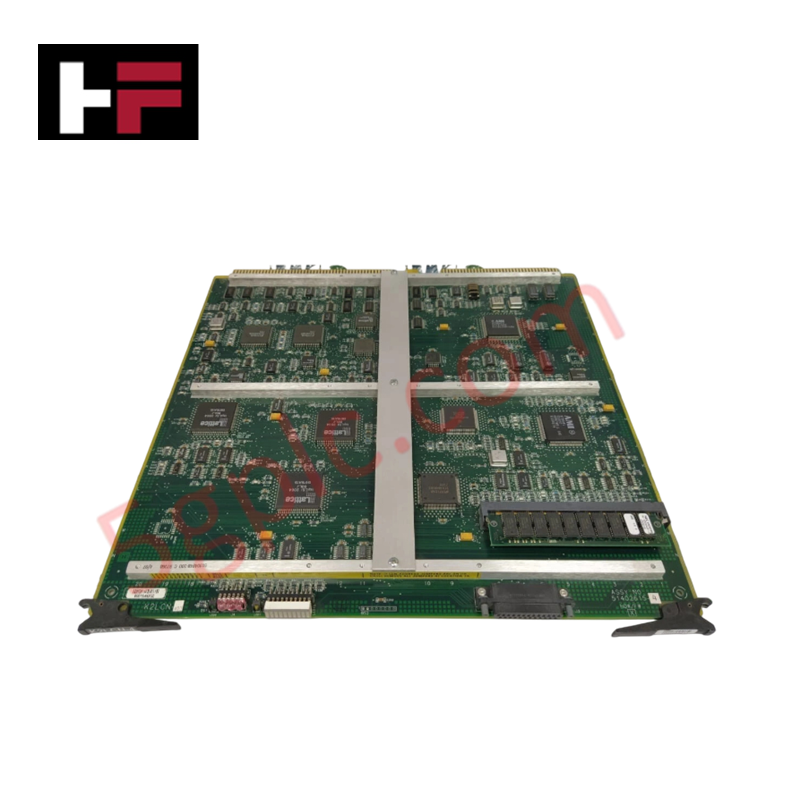
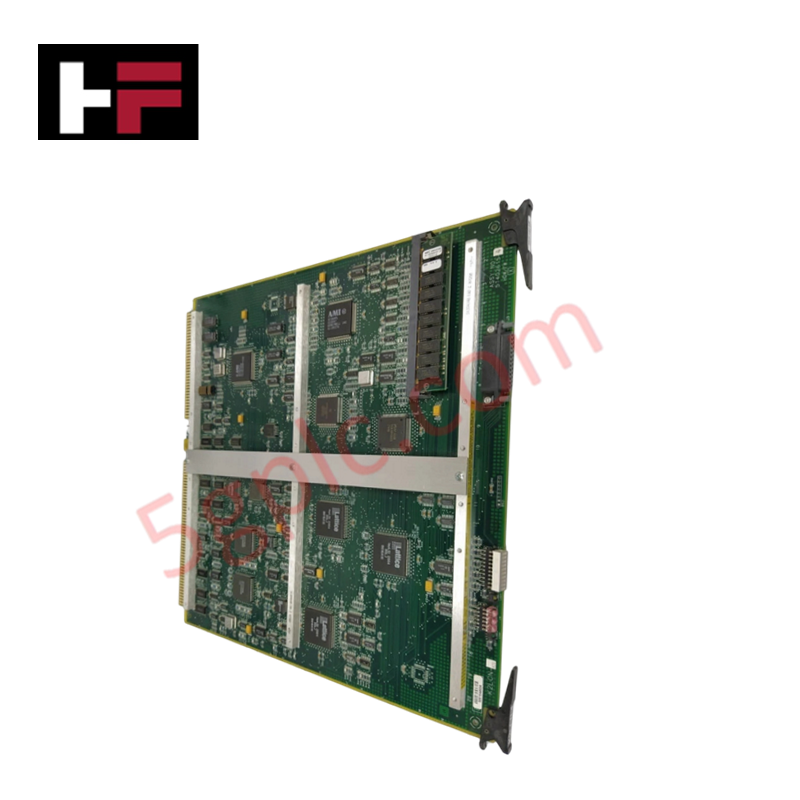
The ABB 3BSE001458R1, also cataloged as the TC570 Master Fieldbus Connection Unit, operates as a dedicated hardware component for localized control logic execution within ABB Master Fieldbus system architectures. Configured for serial physical-layer termination and communication distribution, the assembly manages datagram routing between processing nodes and distributed substations to provide direct physical/electrical execution of real-time industrial protocols.
Hardware Specifications
| Parameter | Specification |
|---|---|
| Model | TC570 (3BSE001458R1) |
| Brand | ABB |
| Origin | Sweden |
| Weight | 0.75 kg |
| Dimensions | 144 mm x 216 mm x 54 mm |
| Operating Temp | 0 to +55 deg C (Standard baseline enclosure operational limits) |
| Power Consumption | System bus termination dependent |
| Environmental Directives | Following EU Directive 2011/65/EU (RoHS); WEEE Category 5 |
| Number of Batteries | 0 |
| Product Type | Communication Modules |
Profinet / EtherNet/IP Deterministic Networks and I/O Density Scaling
The logic translation path inside the ABB TC570 3BSE001458R1 is clocked to prevent latency skewing across standard backplane bus communication velocity constraints. When bridging legacy Master Fieldbus data frames to higher-tier architectures via Profinet or EtherNet/IP deterministic networks, the module isolates noise and maintains continuous packet sequencing. During extensive system updates requiring high I/O density scaling, the unit handles structural configuration parameters without buffer congestion, provided the active nodes are verified against the host controller firmware flash compatibility benchmarks.
Frequently Asked Questions
Q: Is hot-swapping or unpowered termination manipulation supported on the TC570 unit during active execution?
A: No. The connection unit does not feature active isolation circuitry to permit live extraction or connection adjustments. Removing signal lines or unseating the module while the fieldbus network is live causes immediate frame errors, token dropouts, and potential electrical component degradation due to voltage reflections.
Q: How is a loss of fieldbus communication or packet drop diagnosed on this specific hardware module?
A: Diagnostic state registers must be scanned via the controller programming interface. If CRC errors or timeouts escalate, technicians must inspect physical line termination impedances, confirm the absence of ground loops, and check the unit baseline against the main system firmware flash compatibility checklist.
Field Installation Guidelines
- Electrostatic Discharge Minimization: Field engineers must wear a properly connected and grounded electrostatic discharge (ESD) wrist strap before handling terminal interfaces or internal circuit boards to avoid micro-circuit trace damage.
- Mechanical Mounting Fixation: Install the 0.75 kg enclosure firmly inside the control cabinet using specified mounting screws. Ensure the module is mechanically stable and that all local ground points bond directly to the enclosure frame backplate.
- Communication Line Segregation: Route all Master Fieldbus communication and network links within dedicated low-voltage wireways. Maintain a physical separation of at least 100 mm from high-voltage AC cables, motor control wires, and variable frequency drive feeds to protect against electromagnetic noise.
- Environmental Factor Limits: Ensure the installation environment conforms to IP20 or higher cabinet isolation protocols. The site must remain completely clear of moisture condensation, conductive chemical dust, and corrosive vapors to prevent tracking short-circuits.
Additional Information
- 100% Genuine Parts: All products are original and authentic, ensuring reliable industrial performance.
- 30-Day Refund Guarantee: Return any in-stock item within 30 days in original, unopened packaging for a full refund (excluding shipping and fees).
- 12-Month Warranty: Covers defects in materials or workmanship; excludes misuse, normal wear, or unauthorized modifications.
- Worldwide Shipping: We ship via USPS, UPS, FedEx, and DHL. Delivery times vary by country and may be subject to customs or import fees.
- Support & Contact: Technical and warranty assistance is available anytime. Contact us here: Contact.
- Purchase Guidance: Check product specifications and compatibility carefully before ordering to ensure proper application.




Tech & Buying Guide

FAT vs SAT in Industrial Control Systems: Key Differences and Execution Guide
Industrial control system deployment relies on strict verification protocols to guarantee operational safety, system stability, and regulatory compliance. Commissioning complex Programmable Logic Controller (PLC) racks, Distributed Control Systems (DCS), and Safety Instrumented Systems (SIS) requires two critical milestones: the Factory Acceptance Test (FAT) and the Site Acceptance Test (SAT). Both procedures validate that system automation meets design specifications, but they occur at different stages of project execution and target distinct operational risks.

Hub vs Switch vs Router in Industrial Automation Architecture
Modern factory automation relies on reliable industrial networking infrastructure to exchange real-time field data across operational technology systems. Engineers often encounter networking hardware like hubs, switches, and routers when integrating Programmable Logic Controllers, Distributed Control Systems, and SCADA monitoring nodes. Although these devices share physical ports, they operate at different layers of the Open Systems Interconnection reference model and deliver distinct traffic management capabilities.

Marshalling Cabinet Preventive Maintenance: Essential Healthiness Checks for PLC, DCS, and ESD Systems
Marshalling cabinets serve as the vital interface between field instrumentation and control room electronics in modern process facilities. Regular preventive maintenance of these cabinets ensures signal integrity across programmable logic controllers (PLCs), distributed control systems (DCS), and emergency shutdown (ESD) networks. System technicians must execute structured inspection protocols to mitigate environmental risks, identify loose wiring, and maintain continuous operational readiness.