










Product Details
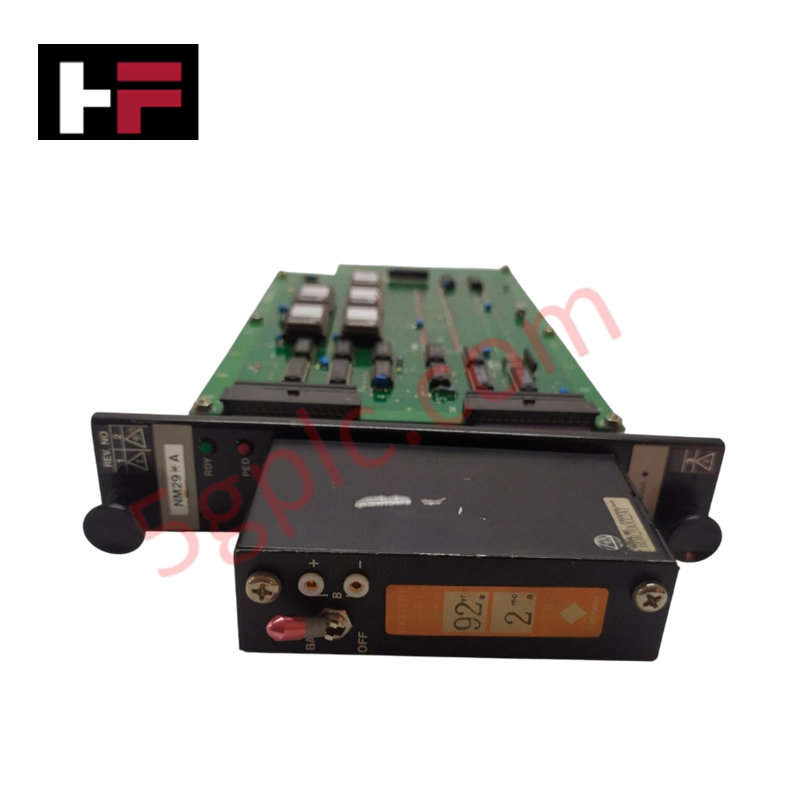
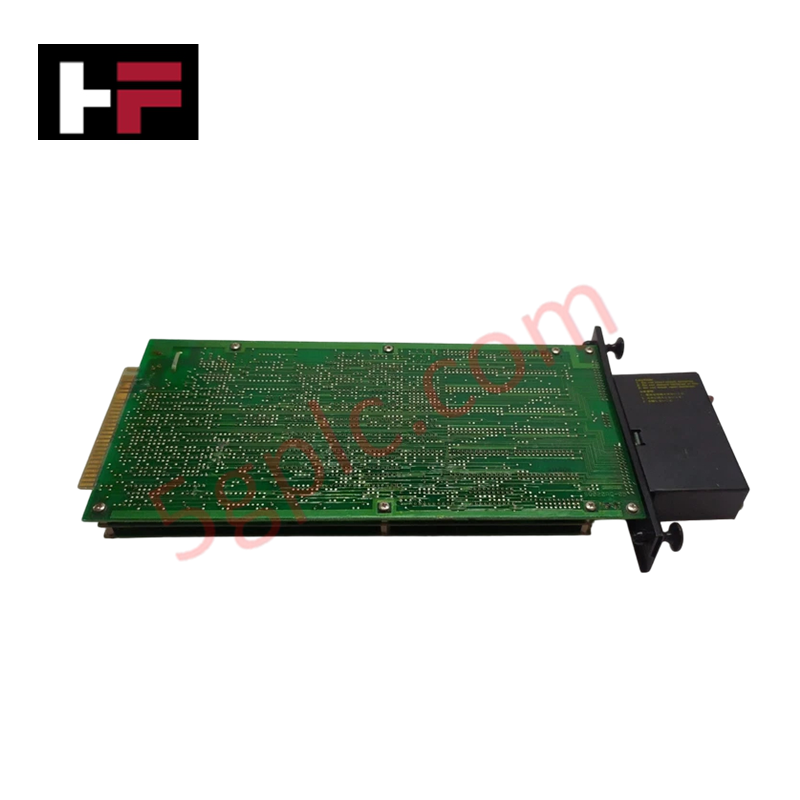
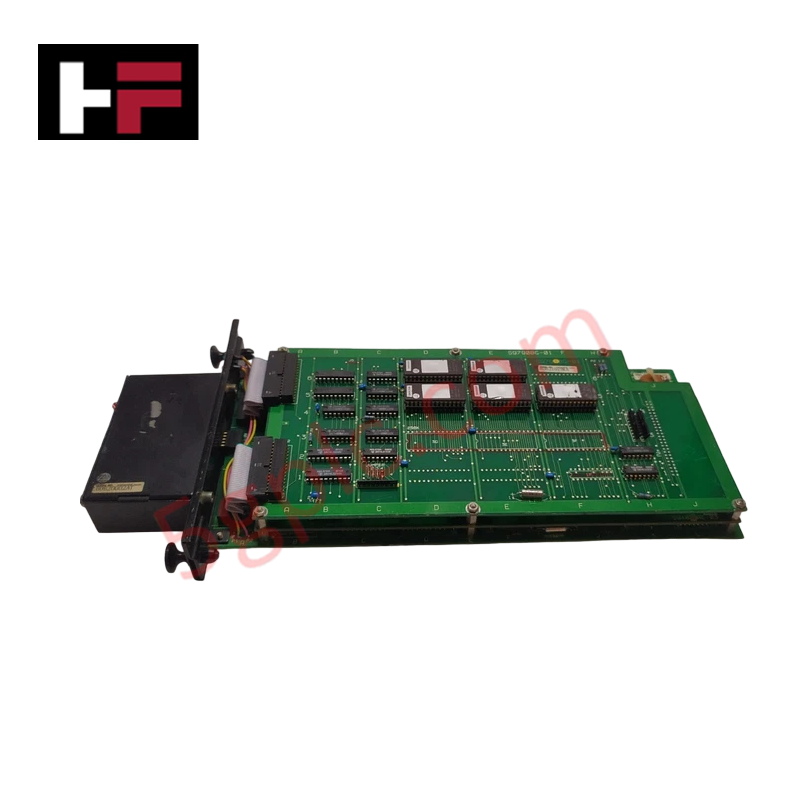
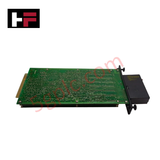
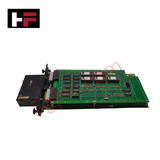
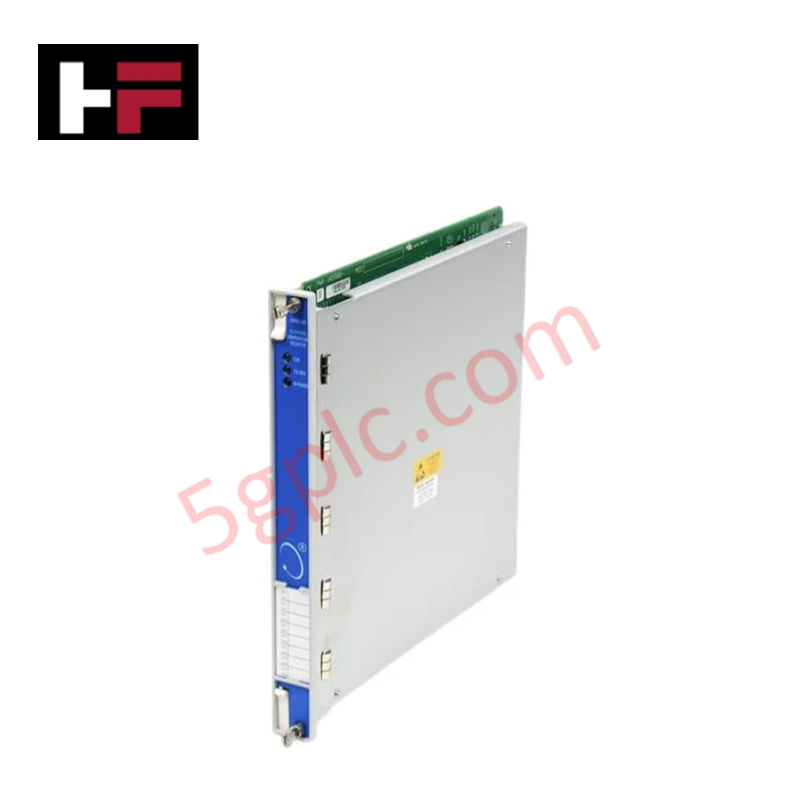
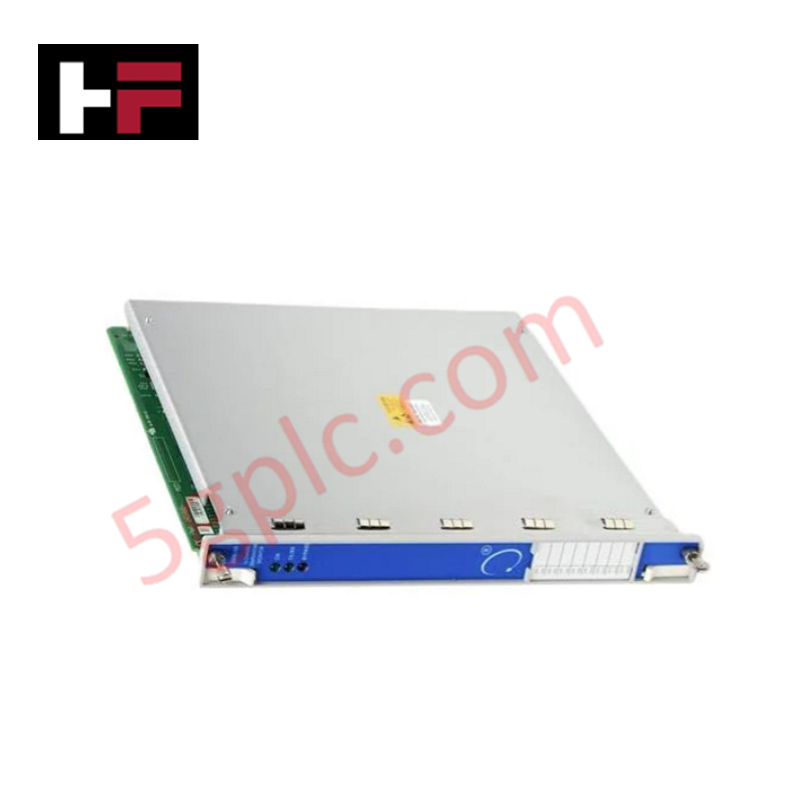
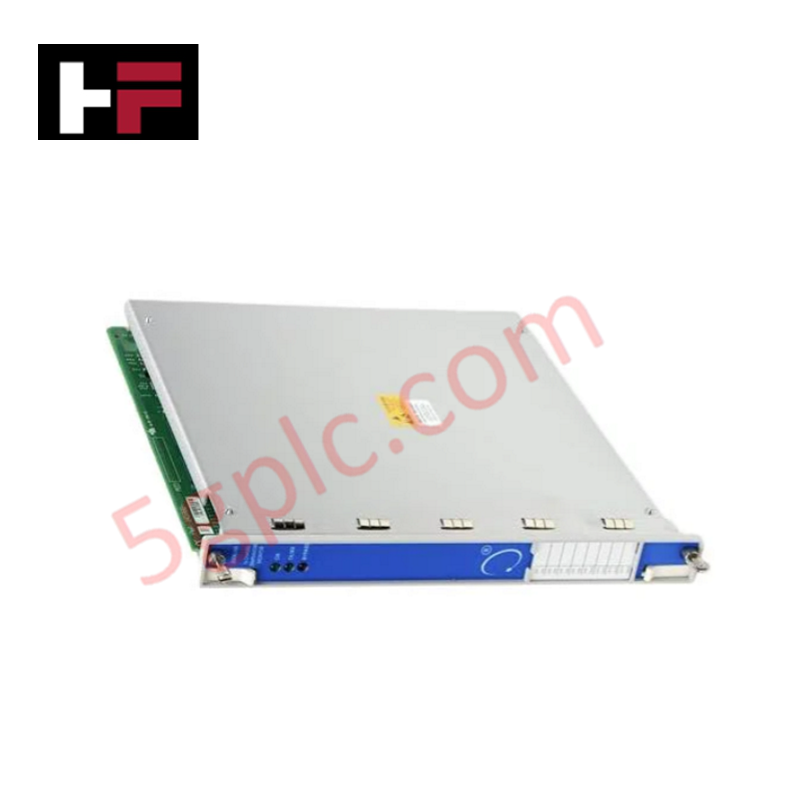
The Yokogawa NM29*A, also cataloged as the NM29 Network Communication Module, operates as a dedicated hardware component for high-speed data exchange and redundant port routing within Yokogawa distributed control system networks. The module executes packet synchronization and messaging across control subracks, linking local node interfaces with central controller processors over backplane lines. Operating within the system chassis, the card manages data frame routing and traffic prioritization to prevent network delays and maintain deterministic scan cycles.
Suffix Breakdown & Model Matrix
| Code Element | Specification / Description |
|---|---|
| NM29 | Base model designation for network communication module series |
| *A | Style code Revision A specifying circuit design layout and physical interface revision |
Hardware Specifications
| Parameter | Specification |
|---|---|
| Model | NM29*A |
| Brand | Yokogawa |
| Origin | Japan |
| Weight | 1.3 kg |
| Dimensions | 330 mm x 250 mm x 60 mm |
| Operating Temp | 0 to 60 deg C |
| Power Consumption | 24 VDC / 5 VDC backplane powered |
| Module Type | Network Communication Module / Network Interface |
| Redundancy | Dual-redundant port management |
| System Compatibility | Yokogawa CENTUM VP / CS 3000 |
Channel-to-Channel Isolation and DCS Network Integration
The NM29*A coordinates deterministic data transmission between node controllers and field instrumentation networks. To prevent electrical transients from propagating across communication lines, the board incorporates channel-to-channel isolation circuits between field-side buses and core backplane logic. The module processes fieldbus packets including 4-20 mA HART loop protocol telemetry and FOUNDATION Fieldbus field device signals, maintaining signal integrity under heavy data traffic. Integrated hardware diagnostic routines monitor bus continuity and automatically failover to secondary redundant communication ports when link degradation or packet corruption is detected.
Frequently Asked Questions
Q: How does the NM29*A execute redundant port failover during a network cable fault?
A: The module continuously monitors line integrity on both primary and secondary communication channels. Upon detecting packet loss or physical link disconnect on the active port, the internal communication processor transfers data traffic to the backup port without interrupting scan timing or system logic execution.
Q: Are there hardware constraints when replacing the NM29*A in an active rack assembly?
A: Hot-swapping requires that the secondary redundant communication module is fully powered, synchronized, and carrying active bus traffic before removing the target module to prevent node disconnects.
Q: What grounding provisions protect the NM29*A against high-frequency bus interference?
A: The module relies on ground contacts integrated into the chassis guide rails and shielded connector housings, directing high-frequency electrical noise straight to the common cabinet earth ground plane.
Field Installation Guidelines
- Chassis Alignment: Slide the NM29*A into the designated subrack slot along the guide rails until the backplane connectors fully seat into the chassis motherboard. Engage the retaining screws to lock the assembly.
- Communication Cabling: Route network cables through dedicated cable trays separated from high-voltage power lines. Ensure Shielded Twisted Pair (STP) lines are utilized for fieldbus connections to mitigate inductive coupling.
- Shield Grounding: Connect cable shield drain wires to the main cabinet functional earth (FE) ground bar at a single termination point to prevent ground loops.
- Thermal Constraints: Verify that cabinet ventilation units maintain ambient temperatures between 0 and 60 deg C around the slot array. Maintain required vertical spacing to permit unobstructed convection airflow.
Additional Information
- 100% Genuine Parts: All products are original and authentic, ensuring reliable industrial performance.
- 30-Day Refund Guarantee: Return any in-stock item within 30 days in original, unopened packaging for a full refund (excluding shipping and fees).
- 12-Month Warranty: Covers defects in materials or workmanship; excludes misuse, normal wear, or unauthorized modifications.
- Worldwide Shipping: We ship via USPS, UPS, FedEx, and DHL. Delivery times vary by country and may be subject to customs or import fees.
- Support & Contact: Technical and warranty assistance is available anytime. Contact us here: Contact.
- Purchase Guidance: Check product specifications and compatibility carefully before ordering to ensure proper application.




Tech & Buying Guide

Understanding PLC Digital Output Types: Relay, Transistor, and Triac Explained
Programmable Logic Controllers (PLCs) form the backbone of modern industrial automation systems. They interface directly with field devices such as solenoid valves, indicator lights, motor starters, and interposing relays. Selecting the correct digital output module ensures high system availability and long hardware service life.

Understanding VFD Mechanical Brake Logic and Control in Industrial Automation
Variable Frequency Drives (VFDs) play a crucial role in modern industrial automation by controlling motor speed, torque, and acceleration. However, high-inertia loads and vertical lifting systems require precise mechanical braking logic to ensure operational safety and prevent equipment damage.

Why Programmable Logic Controllers Drop into Stop Mode: An Expert Analysis
Industrial automation systems rely heavily on Programmable Logic Controllers (PLCs) to maintain uninterrupted production. When a PLC unexpectedly shifts from Run to Stop mode, whole manufacturing lines stall.
As control systems evolve across modern factory automation, understanding the root causes of these interruptions helps engineers minimize costly downtime. This technical guide breaks down why PLCs trip into Stop mode and provides practical strategies to mitigate system faults.