










Product Details
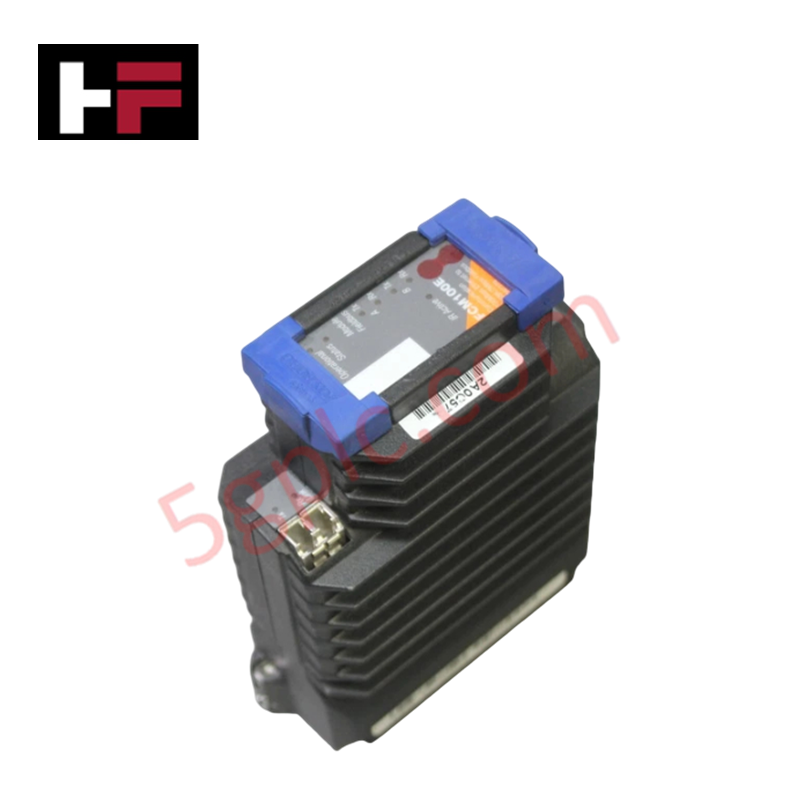
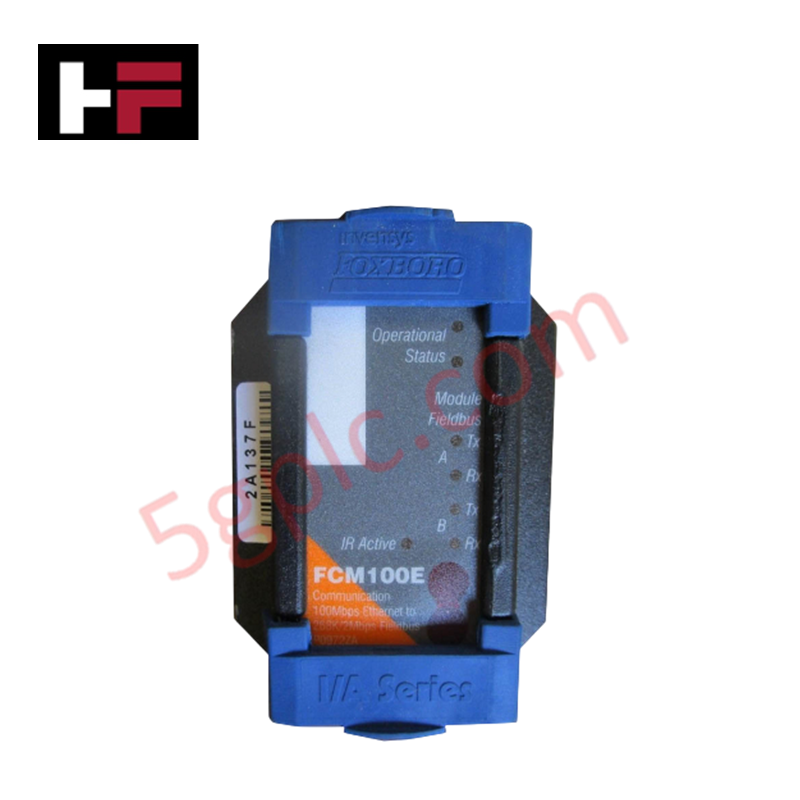
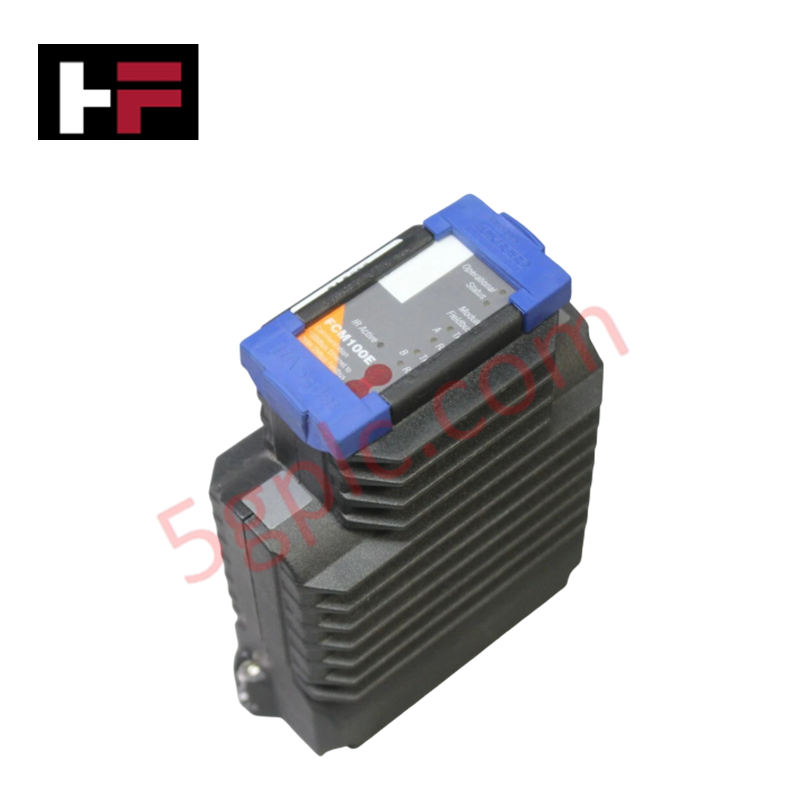
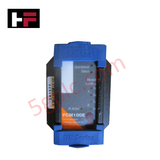
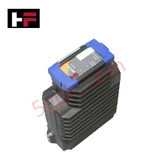
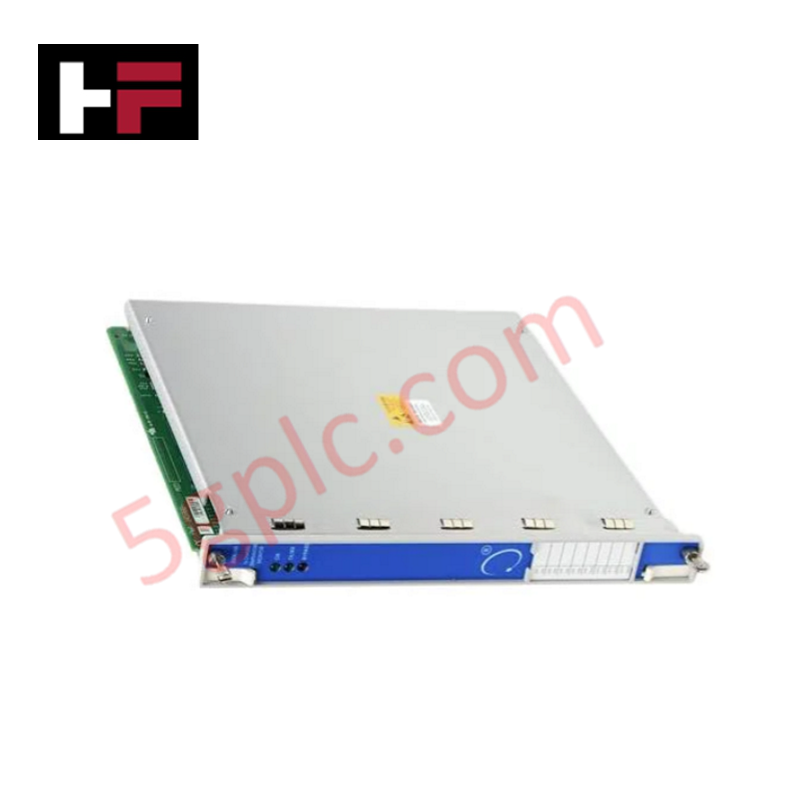
The Foxboro FCM100E P0972ZA, also cataloged as the P0972ZA Field Communication Module with Fibre Optic, operates as a dedicated hardware component for protocol translation and high-speed data transmission between Foxboro I/A Series control processors and distributed field bus modules. Configured for direct execution of optical-to-electrical signal routing, it handles 100 Mbps Ethernet communication uplinks alongside dual-rate fieldbus loops supporting 2 Mbps for 200 series FBMs or 268 Kbps for 100 series FBMs across multi-mode fibre-optic media.
Hardware Specifications
| Parameter | Specification |
|---|---|
| Model | P0972ZA |
| Brand | Foxboro |
| Origin | USA |
| Weight | 3 kg |
| Dimensions | 11.4 cm x 5.15 cm x 14.7 cm |
| Operating Temp | 0 to +70 deg C |
| Power Consumption | 5 W (max) |
| Input Voltage | 21 to 42 VDC |
| Ethernet Transmission Rate | 100 Mbps |
| Fieldbus Transmission Rate | 2 Mbps (200 Series) / 268 Kbps (100 Series) |
| Max Connected FBMs | 32 (200 Series) / 64 (100 Series) |
| Fibre Optic Media | MMF 62.5/125 um (up to 2 km) |
| Relative Humidity | 5 to 95% (non-condensing) |
Channel Isolation and Fibre Optic Communications
The Foxboro FCM100E module utilizes integrated optical transceivers paired with channel-to-channel isolation barriers to suppress electromagnetic interference across long-distance MMF 62.5/125 um fibre links up to 2 km. The internal architecture manages deterministic protocol translation between 100 Mbps Ethernet networks and field-level buses, sustaining isolated 4-20 mA HART loop protocol telemetry and discrete data streams. Ground isolation across the optical interface protects internal backplane processors from high-voltage transients originating in remote field distribution cabinets.
Frequently Asked Questions
Q: How many 200 series FBMs can a single FCM100E module drive on the local fieldbus loop?
A: A maximum of 32 Field Bus Modules can be connected per FCM100E when interfacing with 200 series hardware, subject to overall control processor sizing constraints.
Q: Does the FCM100E support online hot-swapping during active system operation?
A: Yes, the hardware allows module extraction and insertion on powered baseplates, provided power supply connections and fibre optic links are safely managed to prevent bus token loss.
Field Installation Guidelines
- Mount the FCM100E module securely onto the designated baseplate slot, ensuring complete pin alignment before locking module levers.
- Connect the 21 to 42 VDC power supply lines to the primary terminal block, verifying correct polarity before energizing.
- Clean fibre-optic connector tips (MMF 62.5/125 um) with approved optical wipes prior to mating with the front-panel ports.
- Route communication cables away from high-voltage power conduits and secure cable shields to the cabinet grounding bar.
Additional Information
- 100% Genuine Parts: All products are original and authentic, ensuring reliable industrial performance.
- 30-Day Refund Guarantee: Return any in-stock item within 30 days in original, unopened packaging for a full refund (excluding shipping and fees).
- 12-Month Warranty: Covers defects in materials or workmanship; excludes misuse, normal wear, or unauthorized modifications.
- Worldwide Shipping: We ship via USPS, UPS, FedEx, and DHL. Delivery times vary by country and may be subject to customs or import fees.
- Support & Contact: Technical and warranty assistance is available anytime. Contact us here: Contact.
- Purchase Guidance: Check product specifications and compatibility carefully before ordering to ensure proper application.




Tech & Buying Guide

Understanding VFD Mechanical Brake Logic and Control in Industrial Automation
Variable Frequency Drives (VFDs) play a crucial role in modern industrial automation by controlling motor speed, torque, and acceleration. However, high-inertia loads and vertical lifting systems require precise mechanical braking logic to ensure operational safety and prevent equipment damage.

Why Programmable Logic Controllers Drop into Stop Mode: An Expert Analysis
Industrial automation systems rely heavily on Programmable Logic Controllers (PLCs) to maintain uninterrupted production. When a PLC unexpectedly shifts from Run to Stop mode, whole manufacturing lines stall.
As control systems evolve across modern factory automation, understanding the root causes of these interruptions helps engineers minimize costly downtime. This technical guide breaks down why PLCs trip into Stop mode and provides practical strategies to mitigate system faults.

Understanding Root Causes of Unplanned PLC Stop Mode in Industrial Automation
Modern Programmable Logic Controllers manage execution through distinct operational states: Run, Stop, Start-Up, and Hold. During power-up, a controller initializes memory registers within Stop mode before briefly transitioning to Start-Up mode. During this phase, internal self-diagnostics evaluate system integrity across hardware and user programs. If the controller detects no critical faults, it enters Run mode to execute the control program continuously. However, any severe system anomaly forces the CPU back into Stop mode immediately to prevent erratic machine behavior across the plant floor.