










Product Details
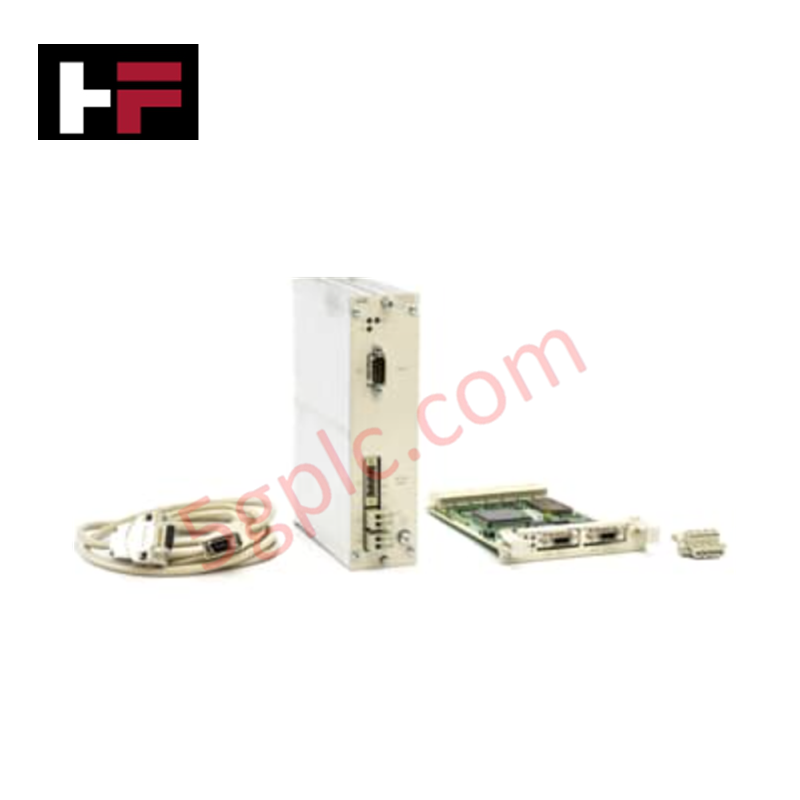
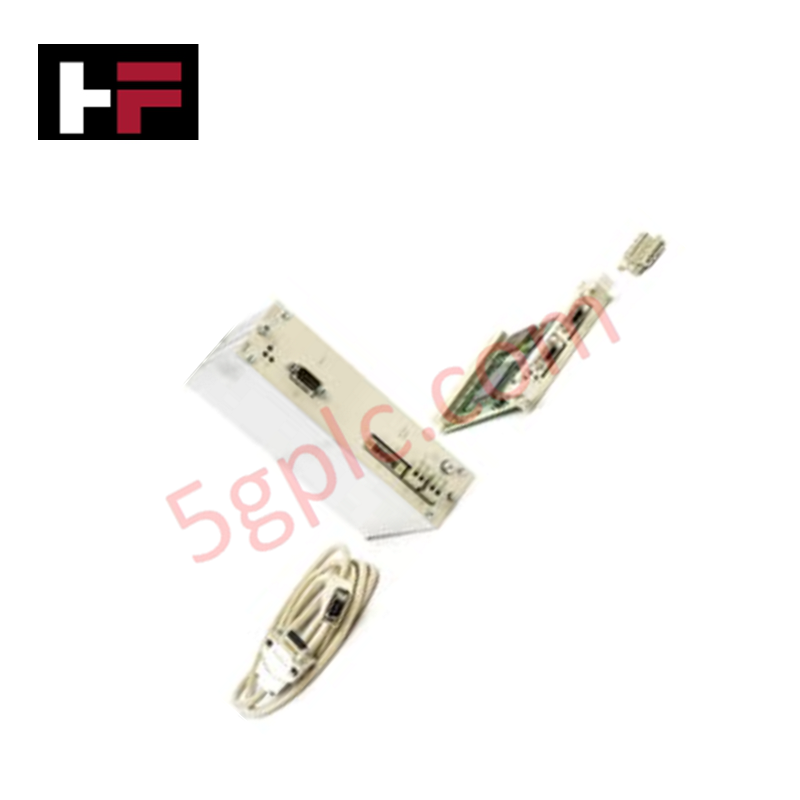
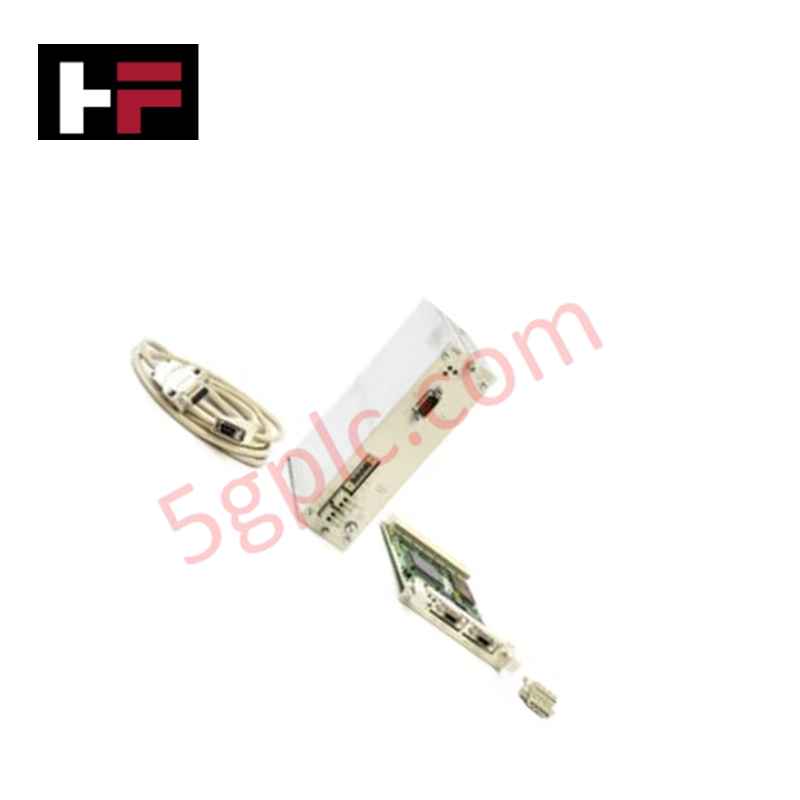
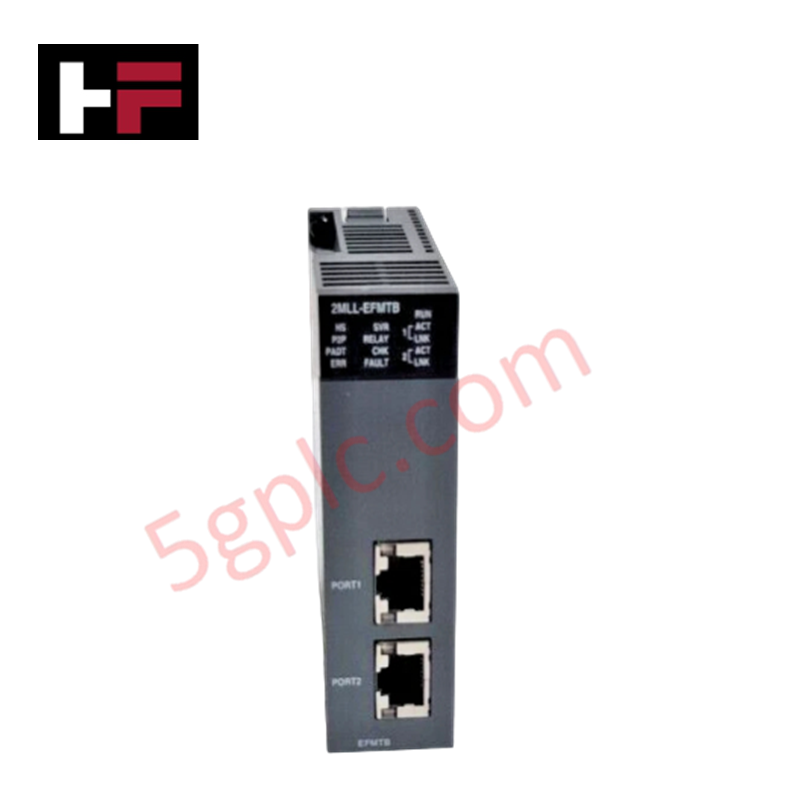
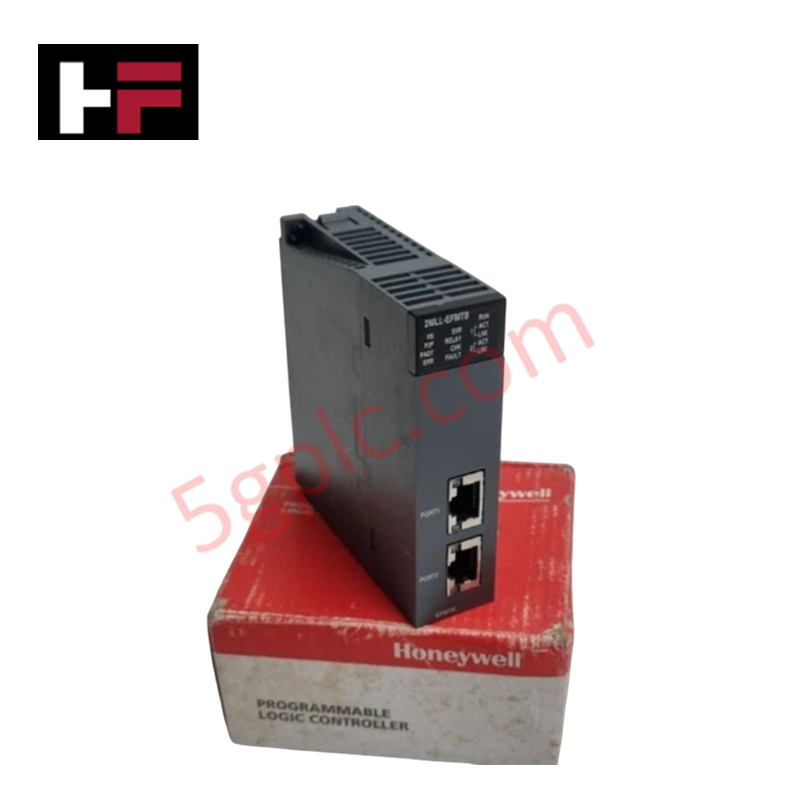
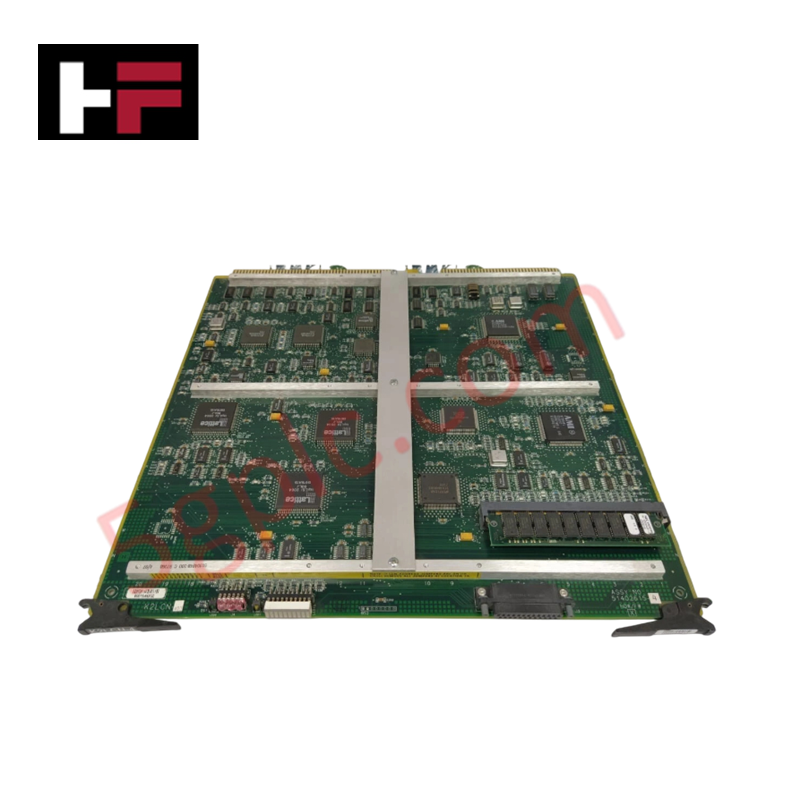
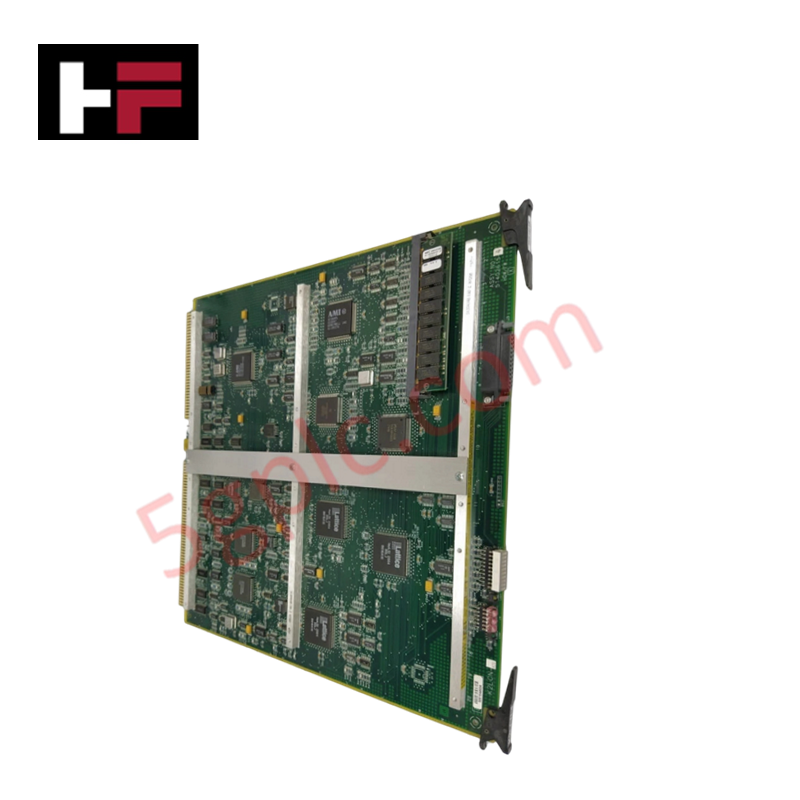
The ABB CI522AK04 3BSE018451R1, also cataloged as the CI522AK04 Communication Module, serves as the primary CI522AK04 Communication Module utilized to execute Advant Fieldbus 100 bus topology routing across AC 400 or compatible controller platforms.
Hardware Specifications
| Parameter | Specification |
|---|---|
| Model | CI522AK04 3BSE018451R1 |
| Brand | ABB |
| Origin | Sweden |
| Weight | 1.48 kg |
| Dimensions | 265 mm D x 72 mm H x 148.5 mm W |
| Operating Temp | Standard Industrial Limits (Refer to Technical Manual) |
| Power Consumption | System-fed via Baseplate Interface |
| Protocol Support | Advant Fieldbus 100 (AF 100) |
| Interface Kit Contents | Full Coupling Termination Hardware |
| Battery Count | 0 |
| Compliance | Non-RoHS Compliant; WEEE Category 5 (Small Equipment) |
Deterministic Network Profiles and Token-Passing Latencies
The hardware manages cyclical and acyclic data exchanges over the AF 100 bus via a deterministic master-slave or token-passing scheme. To maintain synchronous communication velocities across large I/O density configurations, the onboard communication controller regulates frame traffic down to the millisecond layer. Any divergence in the transmission line impedence or firmware flash compatibility across active bus drops will degrade network determinism, generating framing errors in the central controller subsystem.
Frequently Asked Questions
Q: Does the CI522AK04 interface module support online hot-swap installation?
A: No. Physical removal or insertion of the module while the backplane bus is energized will break the electrical continuity of the AF 100 line. This results in transmission dropouts and causes the host controller to flag a bus communication timeout fault.
Q: How does a mismatch in bus termination affect the module's diagnostic status?
A: Incorrect or missing 150-ohm termination resistors at the ends of the AF 100 physical layer drop the differential voltage levels, causing data transmission packet timeouts. The module flags this state internally and stops cyclical updates across the backplane bus.
Field Installation Guidelines
- Chassis Engagement: Align the interface guide rails with the designated slot positions on the subrack assembly. Push firmly until the rear connector block seats fully into the backplane, and lock the mechanical fastening screws.
- AF 100 Bus Topography: Connect the trunk lines using approved twisted-pair or coaxial media configured for AF 100 layouts. Maintain strict physical separation between communication lines and high-voltage AC power paths to prevent electromagnetic cross-talk.
- Shield Continuity Management: Ensure the incoming communication cable shields are grounded at the entry point of the enclosure frame using standard conductive ground clamps to dissipate stray high-frequency noise.
Additional Information
- 100% Genuine Parts: All products are original and authentic, ensuring reliable industrial performance.
- 30-Day Refund Guarantee: Return any in-stock item within 30 days in original, unopened packaging for a full refund (excluding shipping and fees).
- 12-Month Warranty: Covers defects in materials or workmanship; excludes misuse, normal wear, or unauthorized modifications.
- Worldwide Shipping: We ship via USPS, UPS, FedEx, and DHL. Delivery times vary by country and may be subject to customs or import fees.
- Support & Contact: Technical and warranty assistance is available anytime. Contact us here: Contact.
- Purchase Guidance: Check product specifications and compatibility carefully before ordering to ensure proper application.




Tech & Buying Guide

FAT vs SAT in Industrial Control Systems: Key Differences and Execution Guide
Industrial control system deployment relies on strict verification protocols to guarantee operational safety, system stability, and regulatory compliance. Commissioning complex Programmable Logic Controller (PLC) racks, Distributed Control Systems (DCS), and Safety Instrumented Systems (SIS) requires two critical milestones: the Factory Acceptance Test (FAT) and the Site Acceptance Test (SAT). Both procedures validate that system automation meets design specifications, but they occur at different stages of project execution and target distinct operational risks.

Hub vs Switch vs Router in Industrial Automation Architecture
Modern factory automation relies on reliable industrial networking infrastructure to exchange real-time field data across operational technology systems. Engineers often encounter networking hardware like hubs, switches, and routers when integrating Programmable Logic Controllers, Distributed Control Systems, and SCADA monitoring nodes. Although these devices share physical ports, they operate at different layers of the Open Systems Interconnection reference model and deliver distinct traffic management capabilities.

Marshalling Cabinet Preventive Maintenance: Essential Healthiness Checks for PLC, DCS, and ESD Systems
Marshalling cabinets serve as the vital interface between field instrumentation and control room electronics in modern process facilities. Regular preventive maintenance of these cabinets ensures signal integrity across programmable logic controllers (PLCs), distributed control systems (DCS), and emergency shutdown (ESD) networks. System technicians must execute structured inspection protocols to mitigate environmental risks, identify loose wiring, and maintain continuous operational readiness.