












Product Details
Product Overview
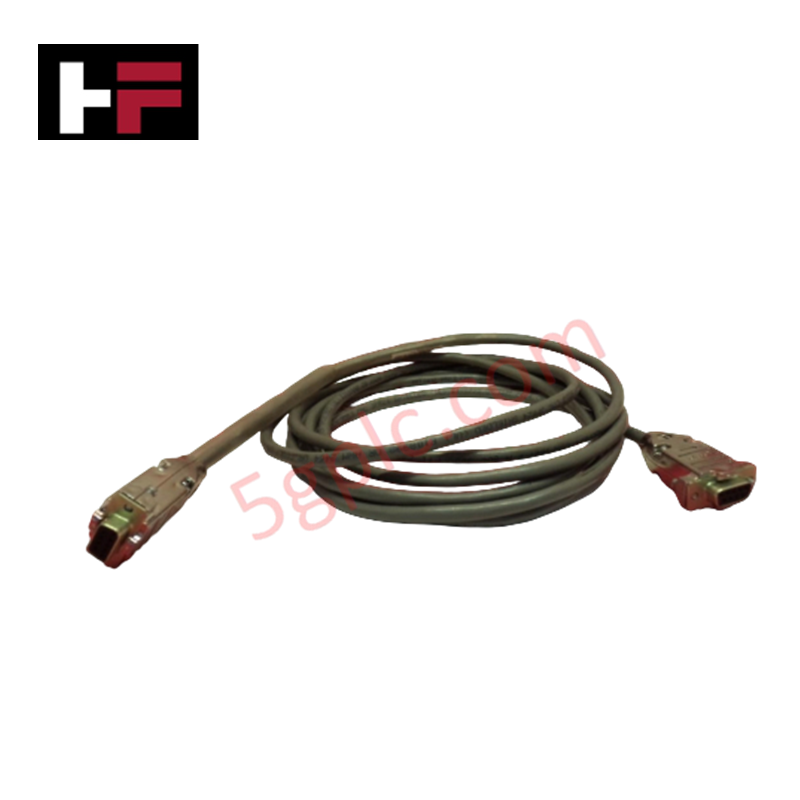
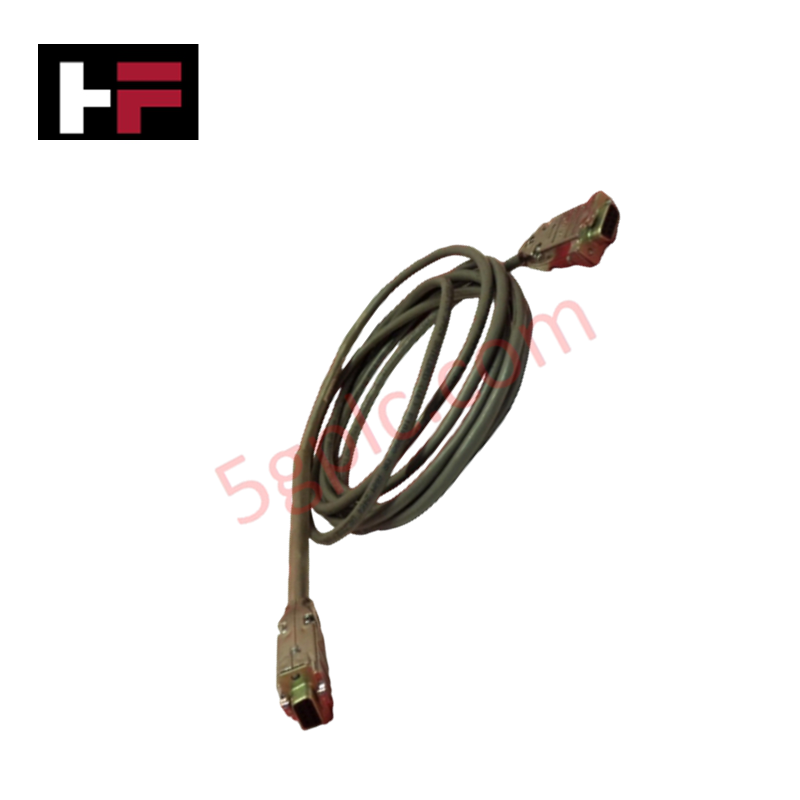
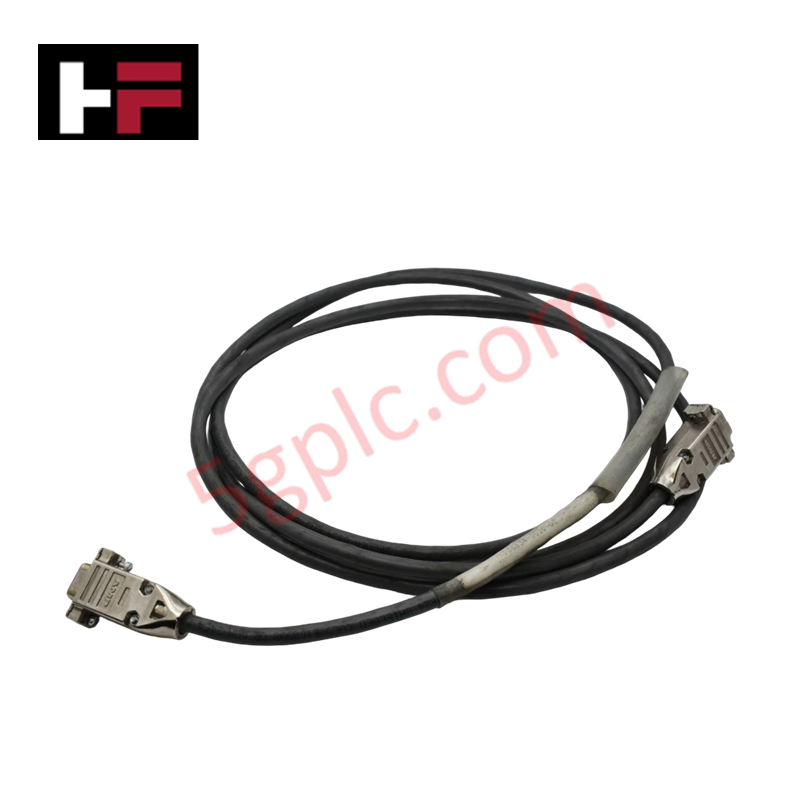
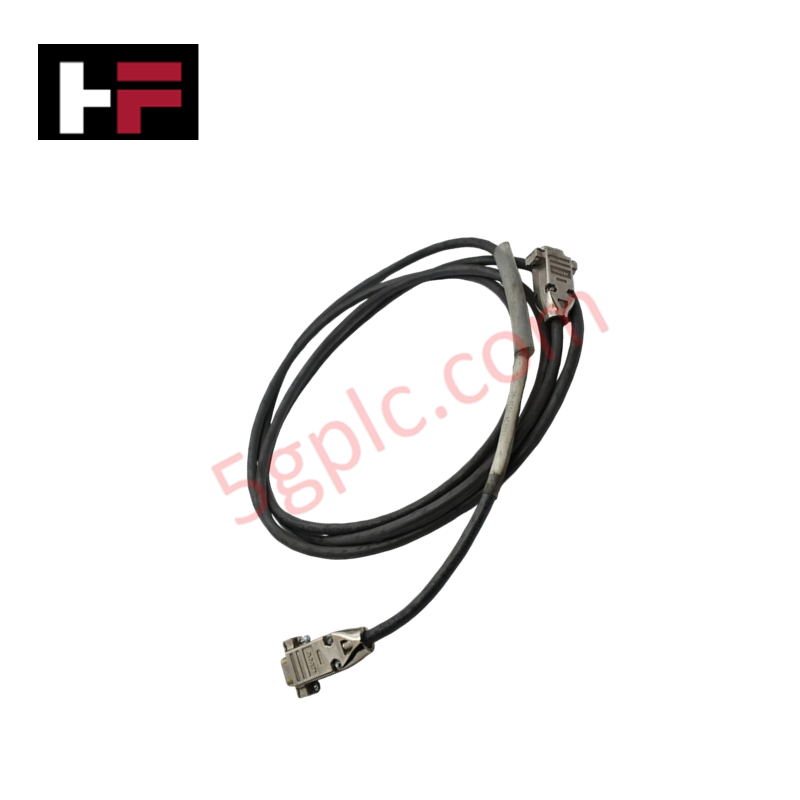
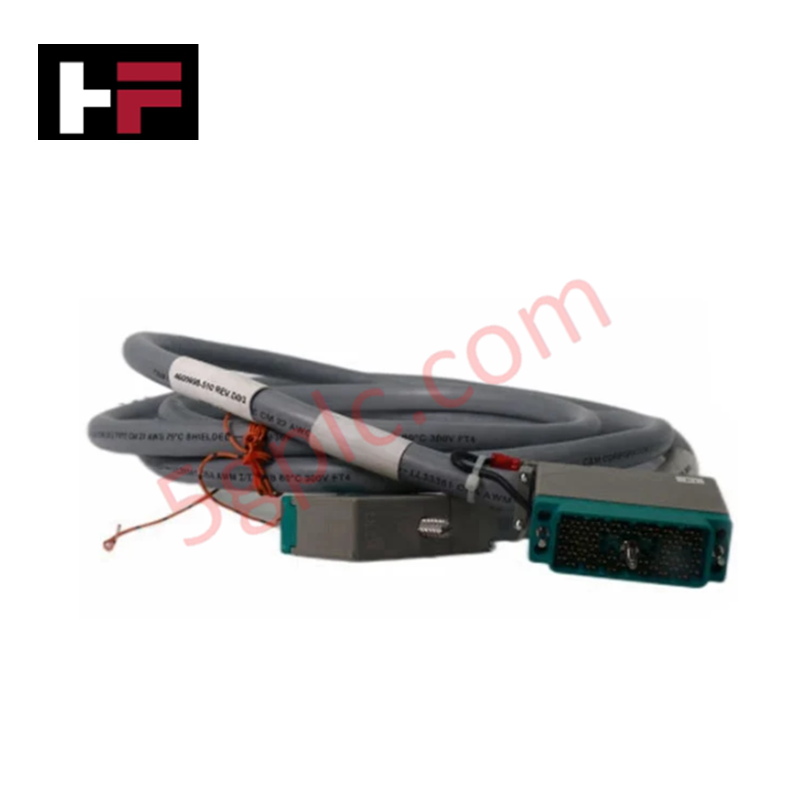
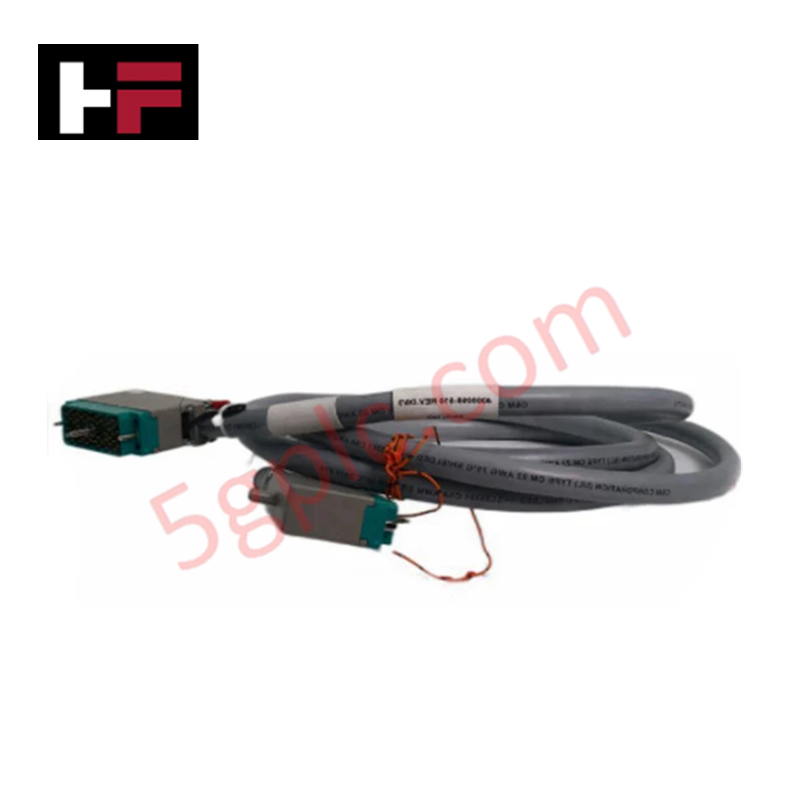
The Yokogawa YCB301-C020 functions as the high-speed communication backbone for the CENTUM VP integrated control system. This ESB (Extended Serial Backplane) Bus Cable facilitates the critical connection between the Field Control Station (FCS) and its expansion I/O nodes. With a specialized 36-to-36 pin interface, it enables real-time, deterministic data exchange across the control network. We supply this unit as 100% Brand New, ensuring factory-spec signal integrity and mechanical durability for your mission-critical automation infrastructure.
Part Number Breakdown
Yokogawa utilizes a specific suffix logic to define the physical length and connector orientation of the YCB series:
| Suffix Code | Functional Specification |
| YCB301 | Base Model: ESB Bus Cable (36-36 pins) |
| -C | Standard high-density shielded connector type |
| 020 | Cable length specification: 20 cm (0.2 Meters) |
Technical Specifications
The YCB301-C020 employs high-grade shielding and precision connectors to handle high-frequency data traffic.
-
Manufacturer: Yokogawa Electric Corporation
-
Interface Type: 36-pin to 36-pin High-Density Connector
-
Protocol Support: ESB Bus (Extended Serial Backplane)
-
Length: 20 cm (0.2 Meters)
-
Shipping Weight: 2.0 kg (Includes protective industrial packaging)
-
Construction: Multi-layered interference shielding
-
Condition: 100% Brand New and Original
Engineering Advantages
The YCB301-C020 optimizes system architecture through several technical features:
-
Minimal Latency for Adjacent Expansion: The short 20 cm length provides an ideal solution for side-by-side node expansion. It eliminates excess cable slack in the cabinet, reducing signal propagation delay and preventing cable clutter in high-density racks.
-
EMI/RFI Suppression: The cable incorporates heavy-duty industrial shielding. This design protects high-speed data packets from electromagnetic interference generated by adjacent power supplies or high-voltage switching gear within the control cabinet.
-
Vibration-Proof Locking Mechanism: The 36-pin connectors utilize mechanical fastening screws. These anchors prevent accidental disconnection in high-vibration industrial environments, ensuring continuous network uptime.
-
Engineered Impedance Matching: Yokogawa tunes the internal conductor impedance to match the ESB Bus interface precisely. This prevents signal reflection and data corruption, which often occur when using non-genuine or poorly terminated cables.
FAQs
Can I use the YCB301-C020 to connect to a remote I/O rack?
No. The C020 suffix indicates a 20 cm length, which engineers design specifically for connecting adjacent units within the same cabinet. For remote node expansion, you must select a longer YCB301 variant with a larger length suffix.
Does this cable support hot-swapping during operation?
While the CENTUM VP architecture offers redundancy, we recommend following standard Yokogawa safety protocols. Power down the expansion node before connecting or disconnecting the ESB Bus cable to prevent voltage spikes or communication errors on the live backplane.
Why is the shipping weight listed as 2 kg for a 20 cm cable?
To protect the high-density 36-pin connectors from damage during transit, we utilize heavy-duty protective packaging. This ensures the cable arrives with perfectly straight pins and intact shielding, ready for immediate installation.
Is this cable compatible with both the primary and redundant ESB Bus ports?
Yes. The YCB301-C020 serves both the "Bus 1" and "Bus 2" ports of the ESB interface. For a fully redundant configuration, we recommend purchasing two identical cables to ensure matched signal characteristics across both communication paths.
Additional Information
- 100% Genuine Parts: All products are original and authentic, ensuring reliable industrial performance.
- 30-Day Refund Guarantee: Return any in-stock item within 30 days in original, unopened packaging for a full refund (excluding shipping and fees).
- 12-Month Warranty: Covers defects in materials or workmanship; excludes misuse, normal wear, or unauthorized modifications.
- Worldwide Shipping: We ship via USPS, UPS, FedEx, and DHL. Delivery times vary by country and may be subject to customs or import fees.
- Support & Contact: Technical and warranty assistance is available anytime. Contact us here: Contact.
- Purchase Guidance: Check product specifications and compatibility carefully before ordering to ensure proper application.
Tech & Buying Guide

Understanding Types of Noise in Electronic Circuits and Control Systems
Signal integrity directly determines measurement accuracy and loop stability across industrial automation environments. Electronic noise introduces unwanted stochastic interference into analog loops, sensor feedback lines, and digital fieldbus networks. Understanding how intrinsic electronic noise and external electromagnetic interference manifest allows control engineers to optimize signal conditioning and shield sensitive instrumentation effectively.

Why 24V DC Power Supplies Standardize Modern Industrial Automation
Industrial control cabinets worldwide rely on 24V DC as the universal power standard for field instrumentation, sensors, and controllers. Walk into any manufacturing plant, and you will find PLCs, human-machine interfaces (HMIs), and smart actuators running on extra-low voltage DC. Standardizing on 24V DC enhances operational safety, lowers cabinet footprint, and maintains steady control performance across factory networks.

Essential Motion Control Commands: A Practical Guide for Engineers
Automation engineers often rely on precise position and speed control to drive modern factory machinery. Modern industrial systems, such as Programmable Logic Controllers (PLCs) and Distributed Control Systems (DCS), depend heavily on standardized motion instructions. Mastering these commands ensures operational safety, protects mechanical components, and optimizes cycle times across production lines.