










Product Details
Product Overview
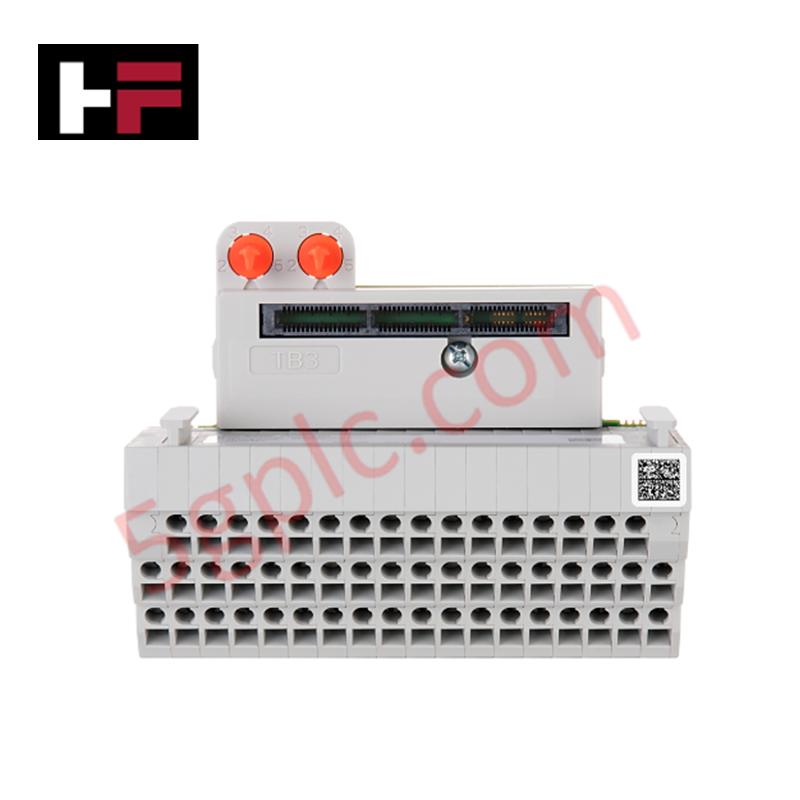
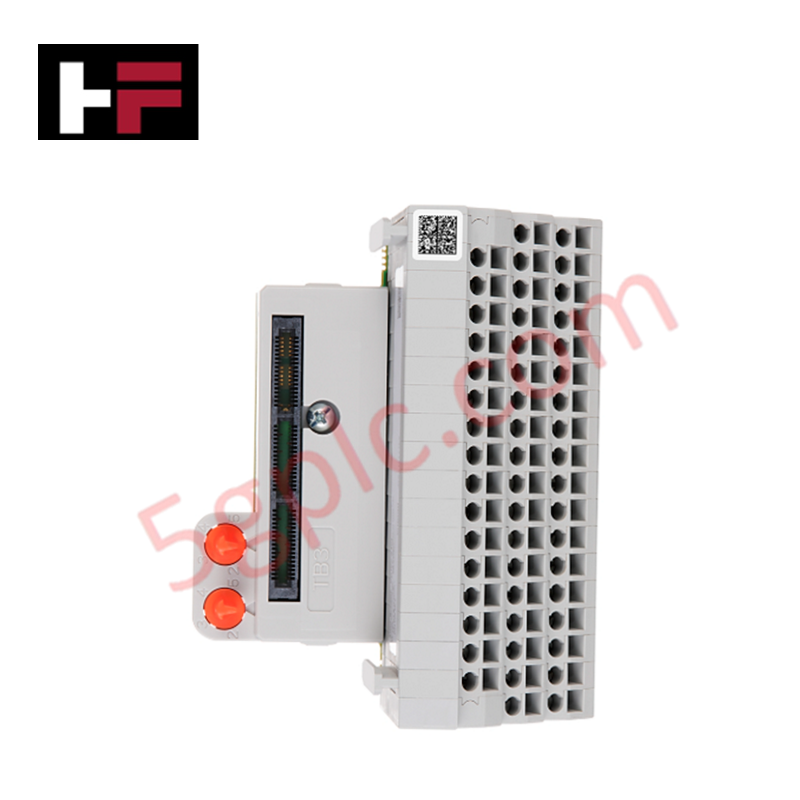
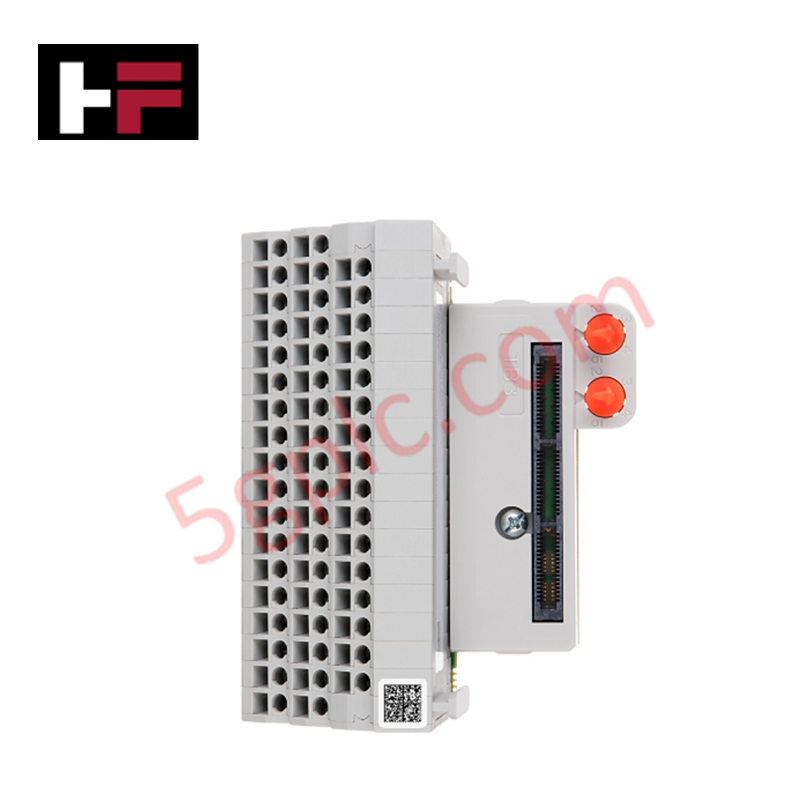
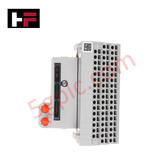
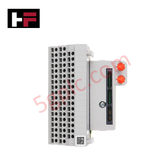
The 5094-RTB3 functions as the critical physical interface for the FLEX 5000 I/O platform. This Removable Terminal Block (RTB) provides the electrical connection points for field-side wiring, bridging external sensors and actuators to the I/O module. Its removable design allows for "warm swapping" of modules without disturbing established field wiring, which significantly minimizes system downtime during maintenance. We offer this component as 100% Brand New original hardware, ensuring maximum conductivity and a secure mechanical fit for your high-performance automation system.
Technical Specifications
The 5094-RTB3 handles significant power distribution and signal routing within the FLEX 5000 architecture:
| Parameter | Specification |
| Manufacturer | Allen-Bradley / Rockwell Automation |
| Part Number | 5094-RTB3 |
| Product Line | FLEX 5000 |
| Sensor Actuator Power | 10 Amperes @ 18-32V DC |
| Current Input/Output | 2 Amperes per circuit |
| Backplane Power | 100 mA @ 15V DC |
| Backplane Power (VCC) | 15 mA @ 3.3V DC |
| Wire Size Range | 22-14 AWG |
| Mounting Type | DIN Rail Mounting |
| Weight | 0.50 lbs (0.23 kg) |
Engineering Advantages
-
High-Current Power Distribution: This RTB manages up to 10 Amperes of sensor/actuator power. This high current capacity allows the terminal to drive multiple high-power field devices directly from the I/O assembly, reducing the need for intermediate relay blocks or external power distribution terminals.
-
Flexible Wiring Options: The terminal block accepts wire sizes ranging from 22 to 14 AWG. This broad range accommodates everything from delicate signal wires to heavy-gauge power leads, providing engineers with the flexibility to use standard shop wire without specialized adapters.
-
Reduced Mean Time to Repair (MTTR): The removable architecture enables technicians to replace a faulty I/O module in seconds. By leaving the 5094-RTB3 and its associated field wiring intact, you eliminate the risk of cross-wiring errors and bypass the time-consuming process of re-terminating individual wires.
-
Robust DIN Rail Integration: The assembly snaps securely onto standard DIN rails. This mechanical stability prevents signal loss caused by vibration and ensures the RTB remains perfectly aligned with the I/O module pins even in high-shock industrial environments.
-
Low-Profile Footprint: Despite its 10A rating, the 5094-RTB3 maintains a slim profile. This maximizes cabinet space and allows for high-density I/O configurations in compact control enclosures.
FAQs
Q: Can I plug the 5094-RTB3 into a standard FLEX I/O (1794) module?
A: No. The 5094-RTB3 specifically supports the FLEX 5000 series. It utilizes a different mechanical keying and pin configuration than the legacy 1794 FLEX I/O system.
Q: Does this RTB support both digital and analog FLEX 5000 modules?
A: You must verify the specific pinout requirements of your I/O module. While the 5094-RTB3 provides the physical connection, certain high-density or specialized analog modules may require specific RTB models (such as spring-style or different pin counts) to meet shielding or signal isolation requirements.
Q: What is the benefit of the 10A sensor actuator power rating?
A: The 10A rating allows the terminal block to act as a power bus for all field devices connected to that specific I/O module. This simplifies your wiring architecture by centralizing power distribution at the I/O level.
Q: Are any special tools required for wire termination?
A: No. You use standard industrial screwdrivers to secure the wires into the terminal clamps. Always follow the recommended torque specifications to ensure a gas-tight, vibration-resistant connection.
Additional Information
- 100% Genuine Parts: All products are original and authentic, ensuring reliable industrial performance.
- 30-Day Refund Guarantee: Return any in-stock item within 30 days in original, unopened packaging for a full refund (excluding shipping and fees).
- 12-Month Warranty: Covers defects in materials or workmanship; excludes misuse, normal wear, or unauthorized modifications.
- Worldwide Shipping: We ship via USPS, UPS, FedEx, and DHL. Delivery times vary by country and may be subject to customs or import fees.
- Support & Contact: Technical and warranty assistance is available anytime. Contact us here: Contact.
- Purchase Guidance: Check product specifications and compatibility carefully before ordering to ensure proper application.
Tech & Buying Guide

Understanding Types of Noise in Electronic Circuits and Control Systems
Signal integrity directly determines measurement accuracy and loop stability across industrial automation environments. Electronic noise introduces unwanted stochastic interference into analog loops, sensor feedback lines, and digital fieldbus networks. Understanding how intrinsic electronic noise and external electromagnetic interference manifest allows control engineers to optimize signal conditioning and shield sensitive instrumentation effectively.

Why 24V DC Power Supplies Standardize Modern Industrial Automation
Industrial control cabinets worldwide rely on 24V DC as the universal power standard for field instrumentation, sensors, and controllers. Walk into any manufacturing plant, and you will find PLCs, human-machine interfaces (HMIs), and smart actuators running on extra-low voltage DC. Standardizing on 24V DC enhances operational safety, lowers cabinet footprint, and maintains steady control performance across factory networks.

Essential Motion Control Commands: A Practical Guide for Engineers
Automation engineers often rely on precise position and speed control to drive modern factory machinery. Modern industrial systems, such as Programmable Logic Controllers (PLCs) and Distributed Control Systems (DCS), depend heavily on standardized motion instructions. Mastering these commands ensures operational safety, protects mechanical components, and optimizes cycle times across production lines.