










Product Details
Product Overview
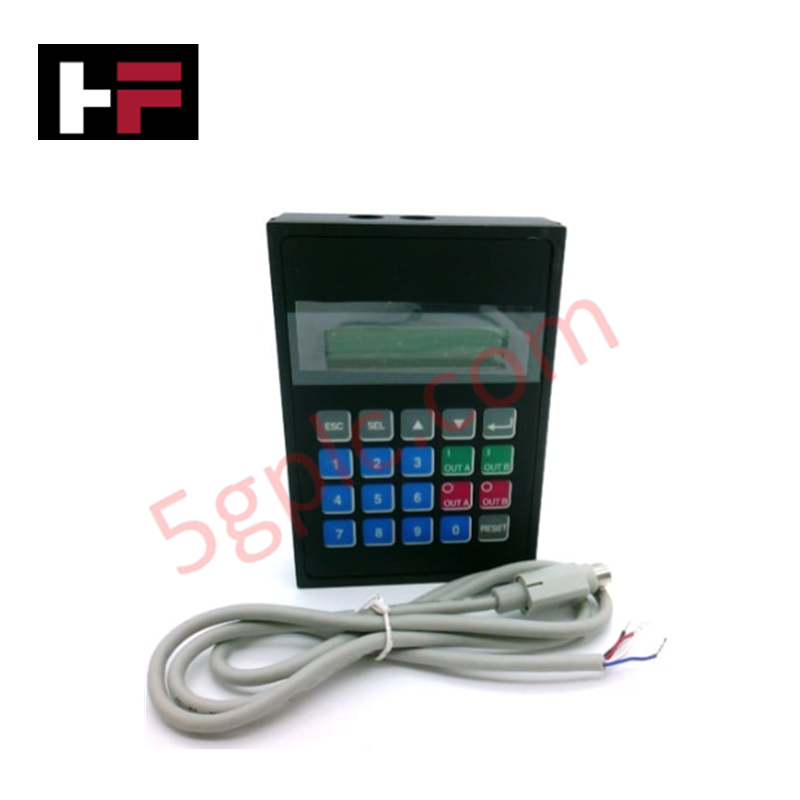
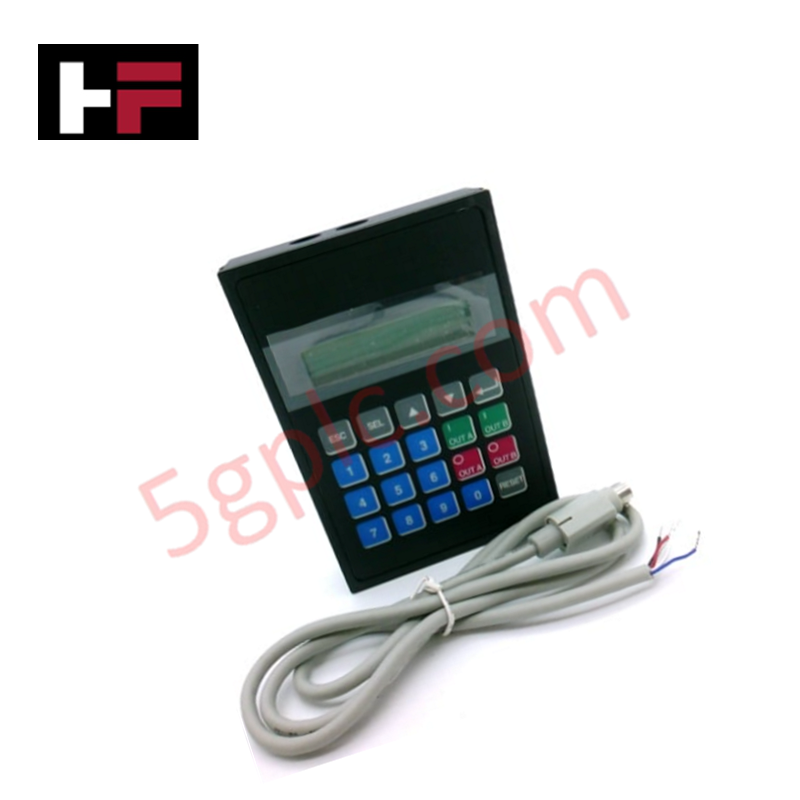
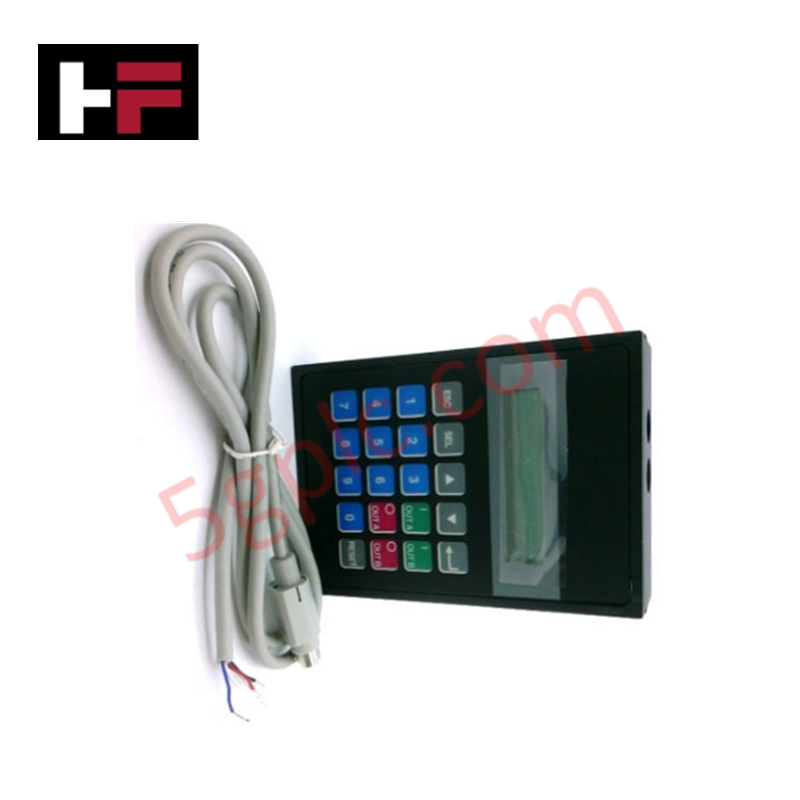
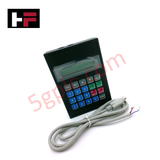
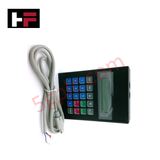
The 193-PCT functions as a dedicated handheld programming and control terminal designed for the Allen-Bradley motor protection series. This portable HMI enables engineers and technicians to configure, monitor, and troubleshoot E3 and E3 Plus Electronic Overload Relays directly at the motor control center (MCC). It provides real-time access to diagnostic data and parameter settings without requiring a permanent PC connection. We offer this unit as 100% Brand New and factory-original, ensuring clean keypad response and display clarity for your critical maintenance tasks.
Technical Specifications
The 193-PCT utilizes low-power architecture and a ruggedized handheld design to withstand harsh industrial environments.
| Feature | Specification |
| Terminal Type | Handheld Programming / Control Terminal |
| Operating Voltage | 11–25V DC |
| Power Consumption | 1.8 Watts |
| Interface | Tactile Keypad with Digital Display |
| Compatibility | E3 and E3 Plus Electronic Overload Relays |
| Category | HMI / OIT |
| Weight | 0.64 lbs (0.29 kg) |
Engineering Advantages
-
Direct Parameter Manipulation: The 193-PCT eliminates the need for complex network configurations during initial setup. It plugs directly into the relay’s communication port, allowing users to modify trip settings, reset modes, and communication addresses in seconds.
-
Ruggedized Portability: Engineered for the "front-line" of maintenance, the lightweight 0.64 lb chassis fits easily into a technician's toolkit. The robust casing protects internal electronics from the vibration and dust typical of industrial switchgear rooms.
-
Instant Diagnostic Visualization: The terminal pulls real-time data from the protection relay, displaying phase currents, trip history, and diagnostic fault codes. This immediate feedback accelerates fault isolation, significantly reducing Mean Time to Repair (MTTR) during motor failure events.
-
Efficient Power Sourcing: The device draws power (11-25V DC) directly from the connected relay or network link. This "plug-and-play" capability removes the burden of managing external batteries or separate power adapters during site-wide commissioning.
FAQs
-
Is the 193-PCT compatible with newer E300 series relays?
The 193-PCT specifically supports the legacy E3 and E3 Plus series. For newer E300 series relays, Allen-Bradley typically utilizes different interface modules or integrated web servers.
-
Can I leave the 193-PCT permanently connected to the relay?
While designed for handheld use, you can leave it connected for local monitoring. However, most engineers use it as a portable tool for periodic maintenance and initial parameter entry.
-
What should I do if the terminal does not power up when plugged in?
Verify that the relay is receiving at least 11V DC and check the communication cable integrity. Since the 193-PCT relies on the host device for power, insufficient voltage on the control circuit will prevent the terminal from initializing.
-
How do you guarantee this is "Brand New" given its discontinued status?
We source the 193-PCT from climate-controlled, factory-sealed surplus inventory. Every unit arrives in its original Allen-Bradley packaging with pristine keypad membranes and no history of field use, avoiding the common "ghosting" or button-sticking issues found in used surplus.
Additional Information
- 100% Genuine Parts: All products are original and authentic, ensuring reliable industrial performance.
- 30-Day Refund Guarantee: Return any in-stock item within 30 days in original, unopened packaging for a full refund (excluding shipping and fees).
- 12-Month Warranty: Covers defects in materials or workmanship; excludes misuse, normal wear, or unauthorized modifications.
- Worldwide Shipping: We ship via USPS, UPS, FedEx, and DHL. Delivery times vary by country and may be subject to customs or import fees.
- Support & Contact: Technical and warranty assistance is available anytime. Contact us here: Contact.
- Purchase Guidance: Check product specifications and compatibility carefully before ordering to ensure proper application.
Tech & Buying Guide

Understanding Types of Noise in Electronic Circuits and Control Systems
Signal integrity directly determines measurement accuracy and loop stability across industrial automation environments. Electronic noise introduces unwanted stochastic interference into analog loops, sensor feedback lines, and digital fieldbus networks. Understanding how intrinsic electronic noise and external electromagnetic interference manifest allows control engineers to optimize signal conditioning and shield sensitive instrumentation effectively.

Why 24V DC Power Supplies Standardize Modern Industrial Automation
Industrial control cabinets worldwide rely on 24V DC as the universal power standard for field instrumentation, sensors, and controllers. Walk into any manufacturing plant, and you will find PLCs, human-machine interfaces (HMIs), and smart actuators running on extra-low voltage DC. Standardizing on 24V DC enhances operational safety, lowers cabinet footprint, and maintains steady control performance across factory networks.

Essential Motion Control Commands: A Practical Guide for Engineers
Automation engineers often rely on precise position and speed control to drive modern factory machinery. Modern industrial systems, such as Programmable Logic Controllers (PLCs) and Distributed Control Systems (DCS), depend heavily on standardized motion instructions. Mastering these commands ensures operational safety, protects mechanical components, and optimizes cycle times across production lines.