










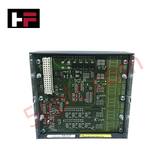
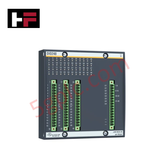
Product Details
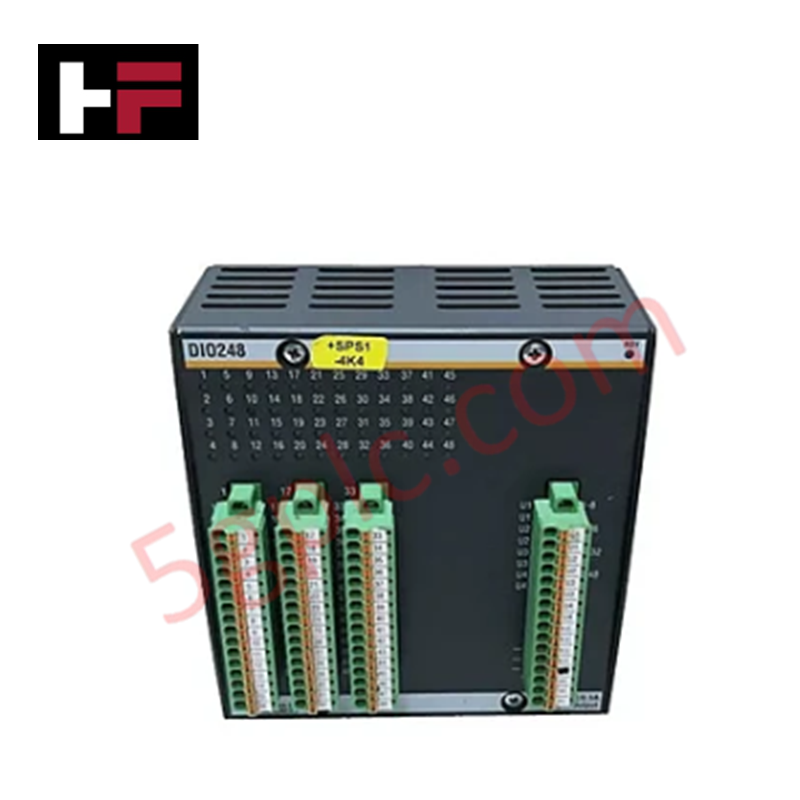
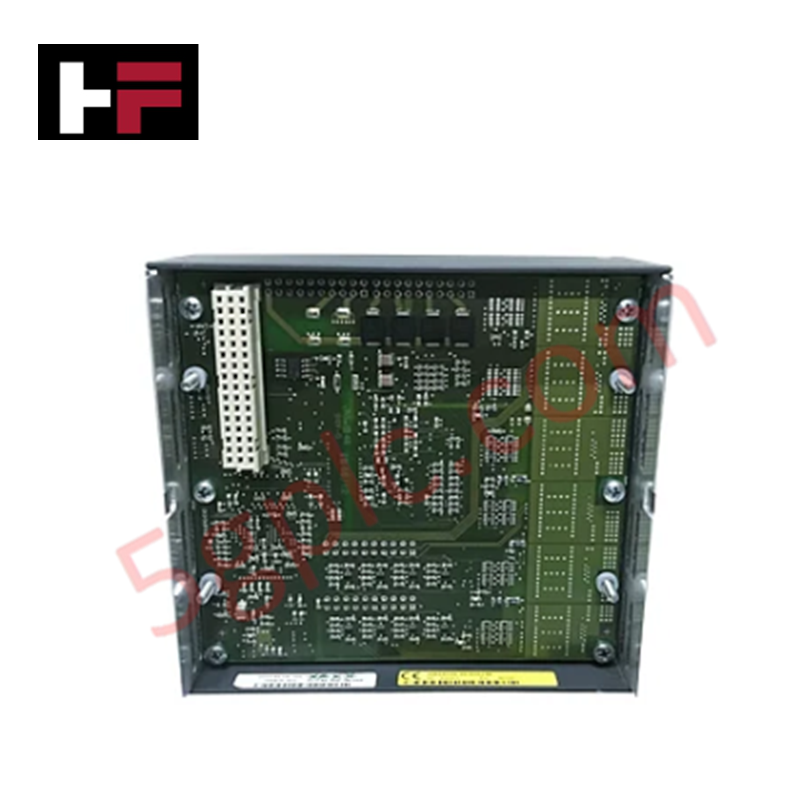
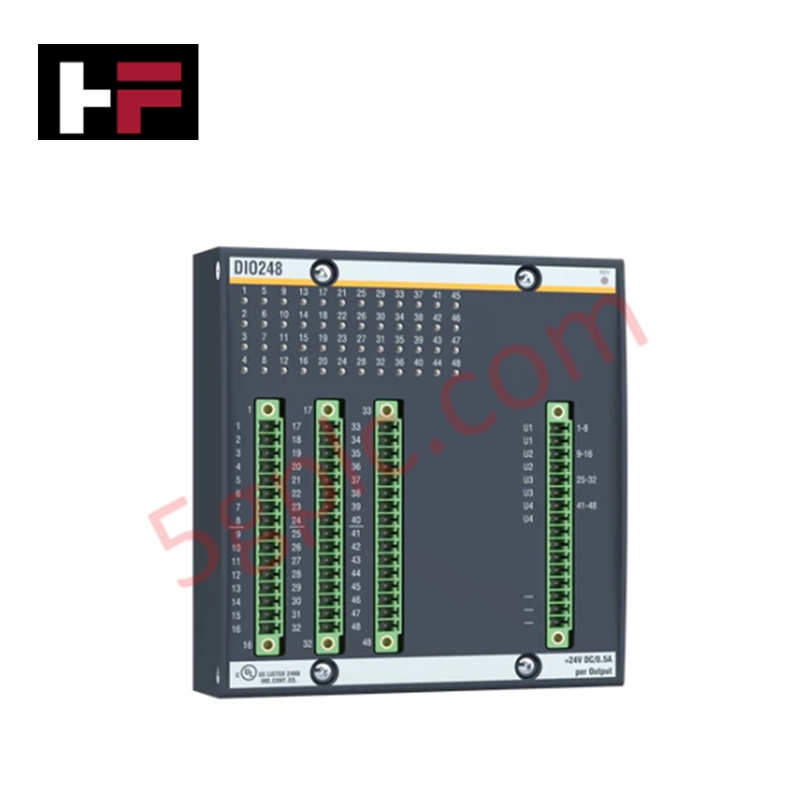
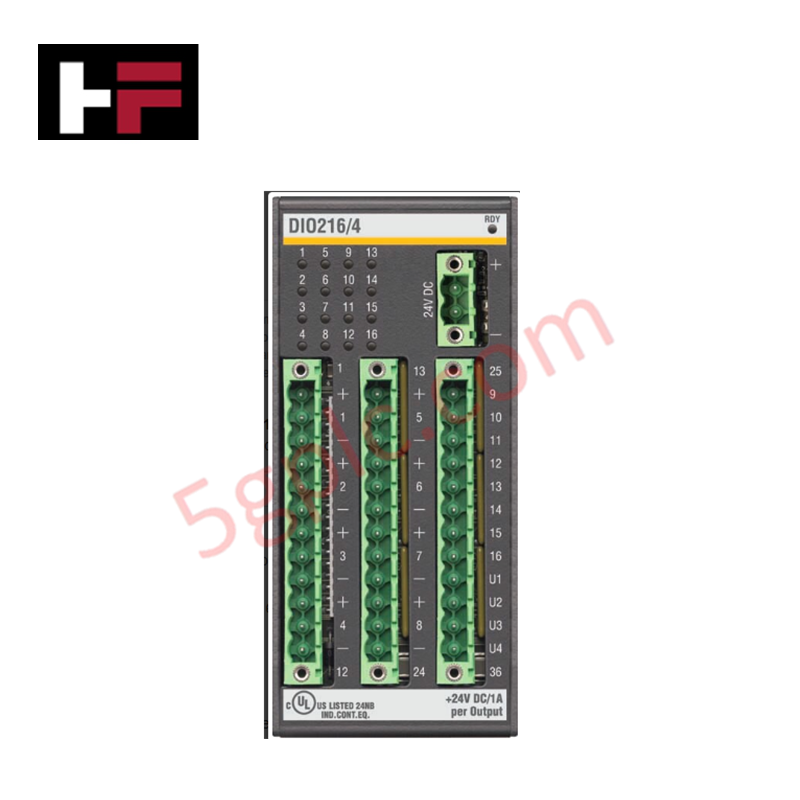
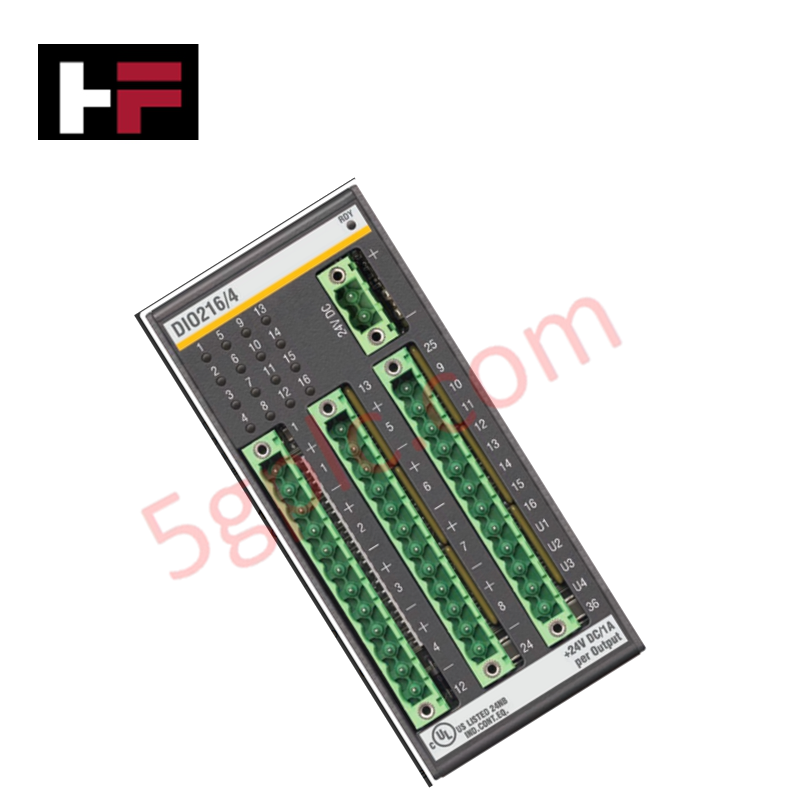
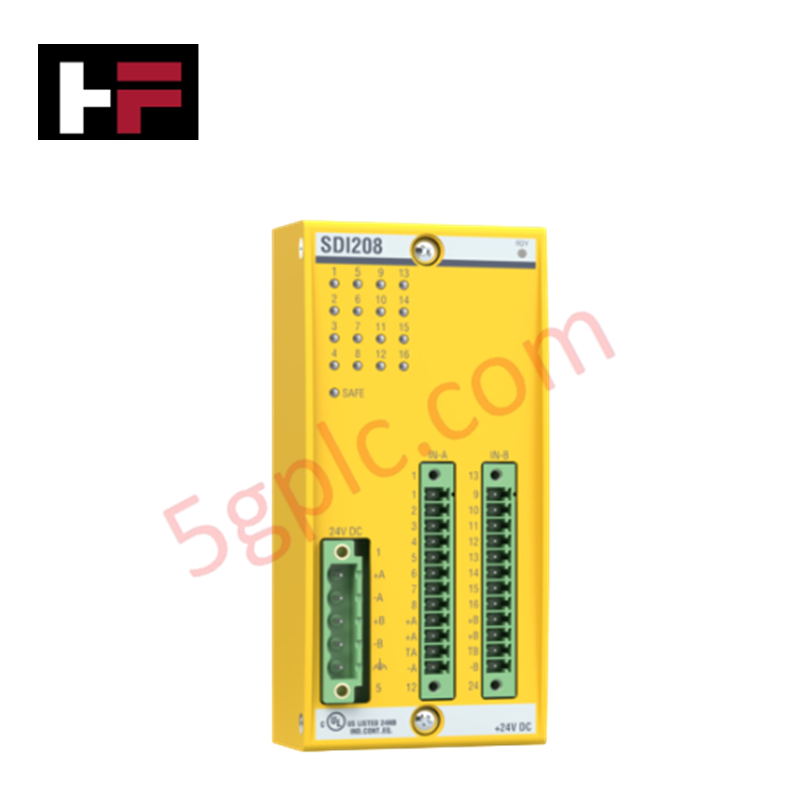
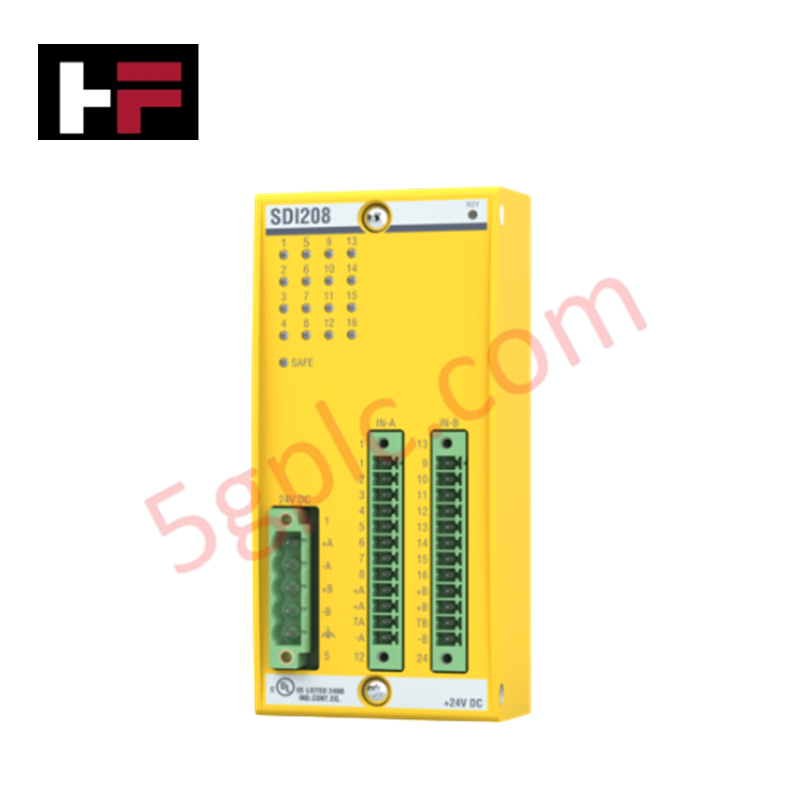
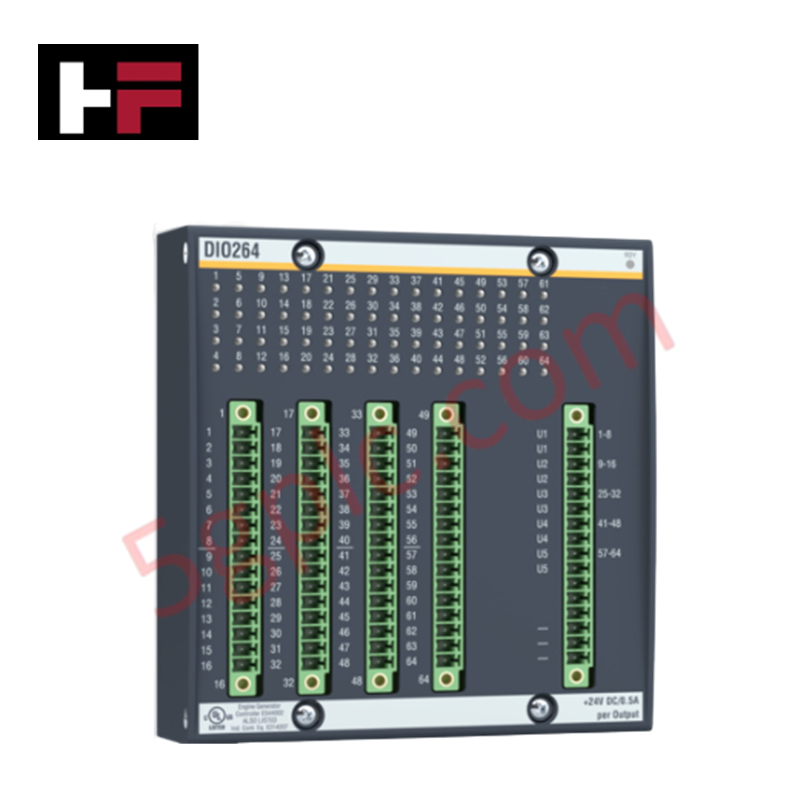
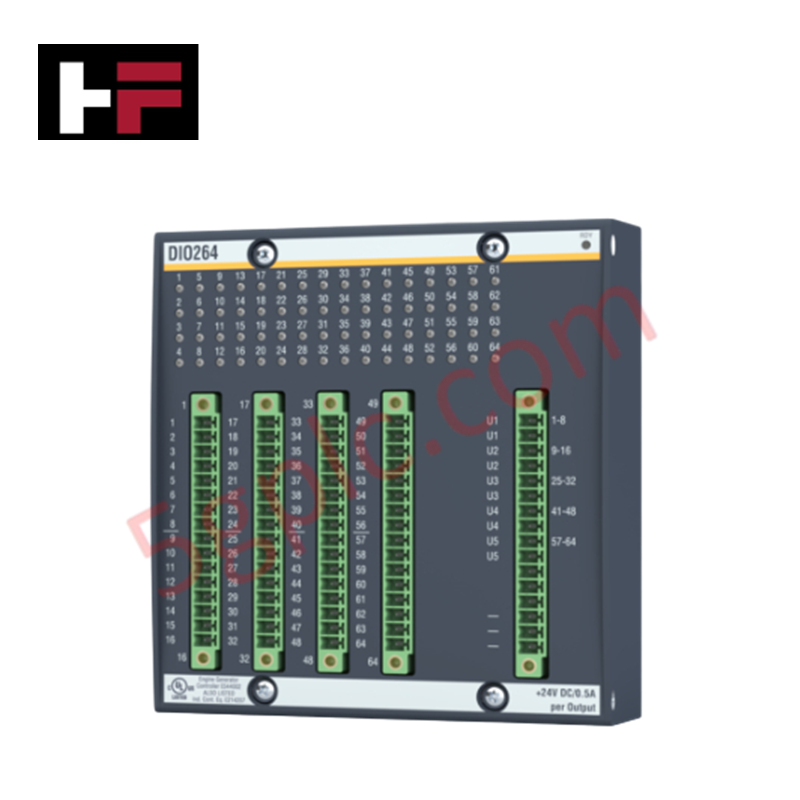
Configured for high-speed digital signal processing and counter/encoder interface tasks in M1 automation platforms, the Bachmann DIO248 (DIO248 Digital Input/Output Module) provides direct physical/electrical execution of signal monitoring and pulse counting.
Hardware Specifications
| Parameter | Specification |
|---|---|
| Model | DIO248 |
| Brand | Bachmann |
| Origin | Austria |
| Weight | 0.28 kg (approx.) |
| Dimensions | 102 mm x 12 mm x 130 mm |
| Operating Temp | 0 deg C to 60 deg C |
| Power Consumption | 3.0 W |
| Digital Inputs | 16 to 32 |
| Input Voltage (H) | 15 to 34 VDC |
| Input Voltage (L) | 0 to 5 VDC |
| Input Delay | 600 us (standard), 10 us to 270 ms (settable) |
| Max Input Frequency | 50 kHz (one-channel) |
Profinet / EtherNet/IP Deterministic Networks
The DIO248 module integrates into the M1 rack backplane to facilitate deterministic data exchange between field sensors and the controller CPU. The architecture supports I/O density scaling, allowing the configuration of multiple modules within a single rack to accommodate complex machine automation requirements. Firmware flash compatibility ensures that the counter and interrupt handling algorithms remain synchronized with the platform-specific I/O drivers. The backplane bus communication velocity is optimized to ensure that time-critical interrupt signals are processed with minimal jitter, maintaining deterministic response times for frequency measurement and gate control tasks.
Frequently Asked Questions
Q: Are the 8 interrupt inputs capable of handling high-speed encoder pulse trains?
A: Yes, these inputs are configurable for incremental encoder interfaces (A/B channels) and support pulse evaluation modes up to 20 kHz for dual-channel setups.
Q: Can the input delay be adjusted per channel, or is it global for the module?
A: The input delay is settable within the specified range of 10 us to 270 ms, allowing for per-channel or group-based optimization depending on the signal source characteristics.
Q: Does the module support hot-swapping under load?
A: No, the DIO248 does not support live hot-swapping. Ensure the system power is removed before inserting or extracting the module to prevent backplane damage or communication bus errors.
Field Installation Guidelines
- Wiring: Use shielded cables for all digital inputs, particularly for high-frequency encoder signals, to prevent electromagnetic interference (EMI). Connect the shield to the module's functional earth terminal.
- Signal Separation: Maintain clear physical separation between high-speed signal wiring and 24 VDC power distribution lines to prevent induced noise on the 8 kOhm input circuits.
- Grounding: Ensure the M1 rack backplane is connected to a low-impedance earth grid. Stable grounding is mandatory for reliable signal evaluation at 50 kHz input frequencies.
- Connector Seating: Verify that the front connector is properly seated and the locking mechanism is engaged to maintain connection integrity for all 32 input channels.
Additional Information
- 100% Genuine Parts: All products are original and authentic, ensuring reliable industrial performance.
- 30-Day Refund Guarantee: Return any in-stock item within 30 days in original, unopened packaging for a full refund (excluding shipping and fees).
- 12-Month Warranty: Covers defects in materials or workmanship; excludes misuse, normal wear, or unauthorized modifications.
- Worldwide Shipping: We ship via USPS, UPS, FedEx, and DHL. Delivery times vary by country and may be subject to customs or import fees.
- Support & Contact: Technical and warranty assistance is available anytime. Contact us here: Contact.
- Purchase Guidance: Check product specifications and compatibility carefully before ordering to ensure proper application.
Tech & Buying Guide

Why 24V DC Power Supplies Standardize Modern Industrial Automation
Industrial control cabinets worldwide rely on 24V DC as the universal power standard for field instrumentation, sensors, and controllers. Walk into any manufacturing plant, and you will find PLCs, human-machine interfaces (HMIs), and smart actuators running on extra-low voltage DC. Standardizing on 24V DC enhances operational safety, lowers cabinet footprint, and maintains steady control performance across factory networks.

Essential Motion Control Commands: A Practical Guide for Engineers
Automation engineers often rely on precise position and speed control to drive modern factory machinery. Modern industrial systems, such as Programmable Logic Controllers (PLCs) and Distributed Control Systems (DCS), depend heavily on standardized motion instructions. Mastering these commands ensures operational safety, protects mechanical components, and optimizes cycle times across production lines.
Mastering Modern Industrial Joystick Controls in Heavy Automation
Industrial joysticks play a pivotal role in human-machine interaction across heavy material handling and mobile hydraulics. These tactile controllers translate complex operator movements into precise electrical signals for PLCs, motion controllers, and DCS networks. Consequently, selecting and installing the right joystick architecture ensures operator safety, reduces fatigue, and optimizes equipment performance.