










Product Details
Product Overview
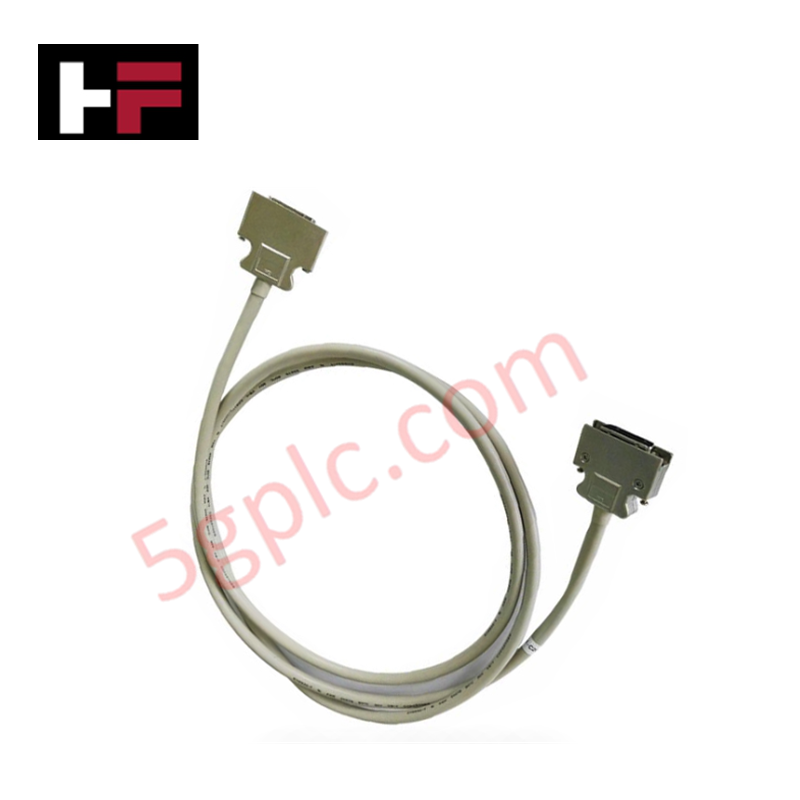
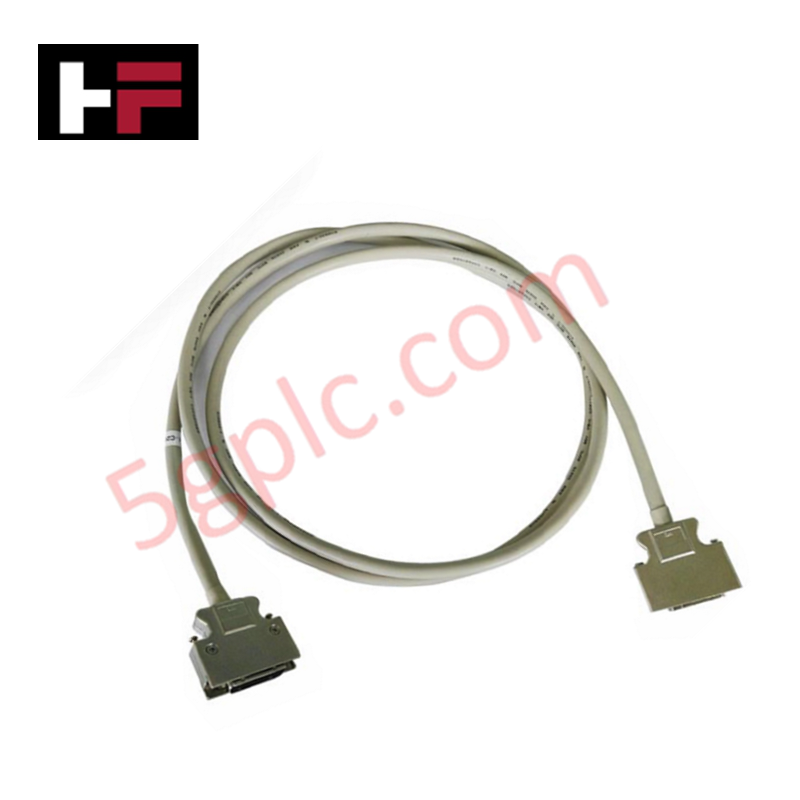
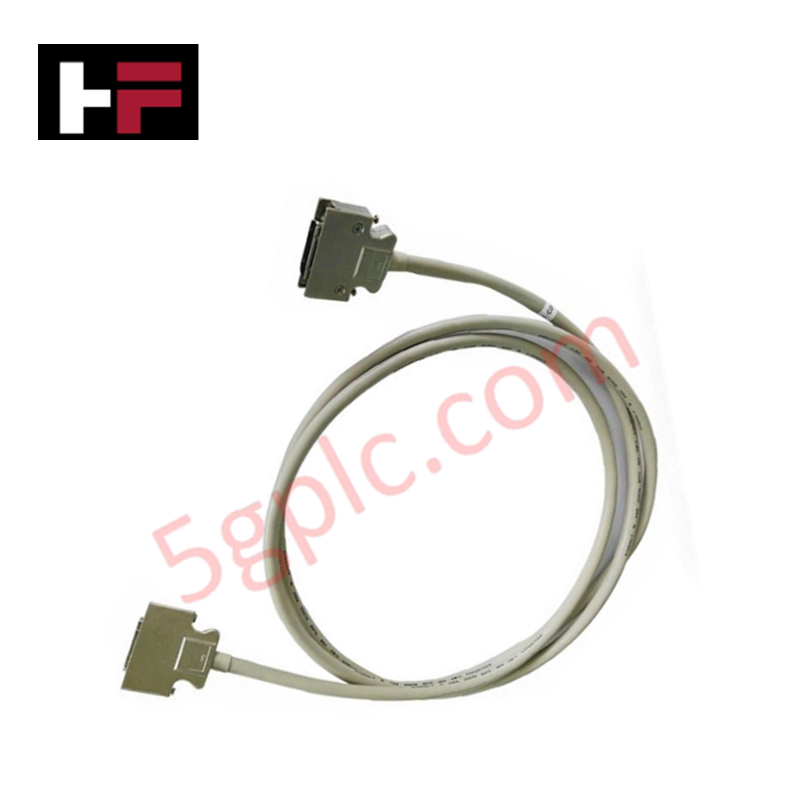
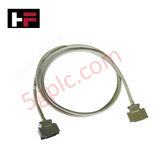
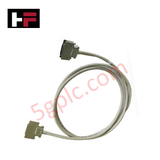
The Yokogawa YCB301-C100 acts as a high-speed backbone for the Electronic Serial Bus (ESB) network. This cable facilitates critical data exchange between Field Control Units (FCUs) and Advanced Network Bus (ANB) node units. We supply this unit as 100% Brand New and Original, ensuring high-integrity communication and system-wide synchronization for your Yokogawa DCS infrastructure.
Part Number Breakdown
| Model / Suffix | Specification | Description |
| YCB301 | Base Model | ESB Bus Cable (36-36 pins) |
| -C100 | Length Code | Cable length of 1 meter |
Technical Specifications
| Feature | Detail |
| Connector Type | 36-pin to 36-pin |
| Cable Length | 1 Meter (39.4 inches) |
| System Bus | Electronic Serial Bus (ESB) |
| Primary Application | FCU to ANB Node Unit interconnection |
| Build Quality | Industrial-grade shielding and strain relief |
Engineering Advantages
-
Optimized Data Throughput: The 36-pin configuration supports the high-speed requirements of the ESB network. Precision-engineered connectors eliminate data jitter and communication timeouts often caused by substandard aftermarket cables.
-
Compact Routing: The 1-meter length suits small-scale cabinet layouts where FCUs and ANB nodes sit in adjacent or stacked racks. The cable's flexible profile allows for clean, organized cable management without inducing mechanical stress on the backplane connectors.
-
Signal Integrity: Advanced internal shielding minimizes electromagnetic noise in dense control environments. This prevents CRC errors and link-state drops, even when routed near high-voltage motor control cables.
-
Locking Security: The 36-pin connectors provide a positive latching mechanism. This prevents accidental disconnections due to facility vibration or mechanical shock, maintaining continuous bus availability.
FAQs
-
Does the YCB301-C100 support longer distances?
The -C100 suffix explicitly designates a 1-meter cable. Yokogawa offers different suffix codes for longer cable runs; ensure you select the length that matches your cabinet layout to avoid excessive cable looping and potential signal degradation.
-
Can I use this cable to connect an FCS to a remote I/O node?
Yes. This cable specifically handles the communication link between Field Control Units and ANB node units. Confirm your specific node model compatibility in your system hardware manual before installation.
-
What are the key installation precautions?
Always align the 36-pin connectors squarely before engagement to prevent bent pins. Hand-tighten the mounting screws on the connectors to ensure proper electrical ground contact and prevent physical strain on the bus port.
-
Does this unit replace older ESB cable models?
Yes. The YCB301 series represents the current standard for Yokogawa ESB communication. It maintains full compatibility with legacy ESB bus architectures while meeting updated signal noise-suppression standards.
Additional Information
- 100% Genuine Parts: All products are original and authentic, ensuring reliable industrial performance.
- 30-Day Refund Guarantee: Return any in-stock item within 30 days in original, unopened packaging for a full refund (excluding shipping and fees).
- 12-Month Warranty: Covers defects in materials or workmanship; excludes misuse, normal wear, or unauthorized modifications.
- Worldwide Shipping: We ship via USPS, UPS, FedEx, and DHL. Delivery times vary by country and may be subject to customs or import fees.
- Support & Contact: Technical and warranty assistance is available anytime. Contact us here: Contact.
- Purchase Guidance: Check product specifications and compatibility carefully before ordering to ensure proper application.




Tech & Buying Guide

Static UPS vs. Rotary UPS: Technical Evaluation for Industrial Automation

Comprehensive Guide to Noise Types in Industrial Automation and Electronics

Mitigating Emergency Stop Spurious Trips in Industrial Control Systems
Emergency stop (E-Stop) pushbuttons serve as vital safety devices in factory automation and process control plants. Functional safety standards mandate normally-closed (NC) contact blocks to ensure fail-safe operation during wiring breaks or power outages. However, mechanical degradation over time can trigger unexpected spurious trips, halting production lines without an actual emergency. Understanding the underlying causes of mechanical contact failure allows automation engineers to implement robust, fault-tolerant safety circuits.