












Product Details
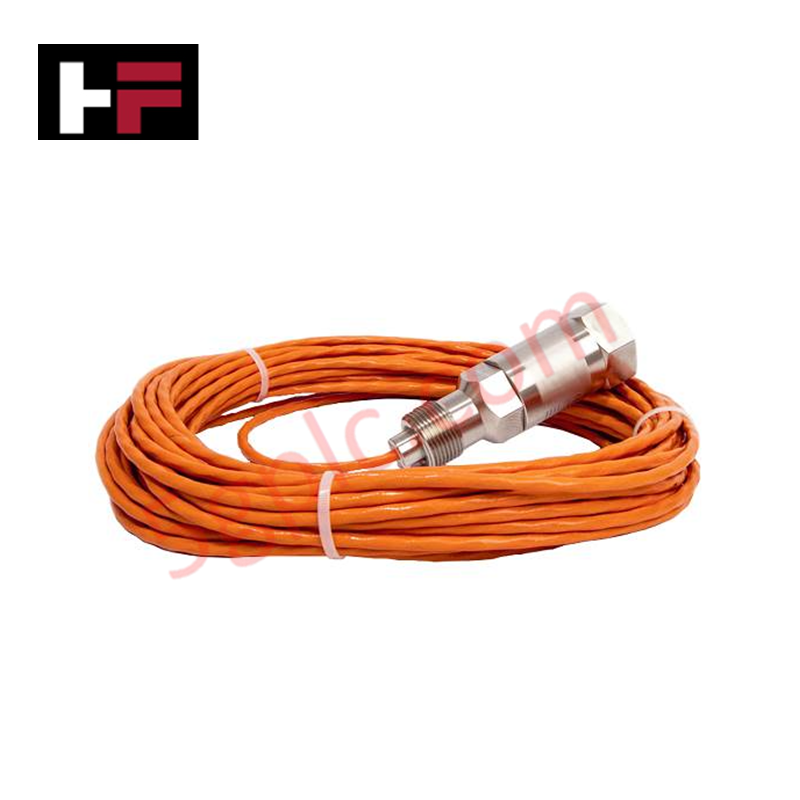
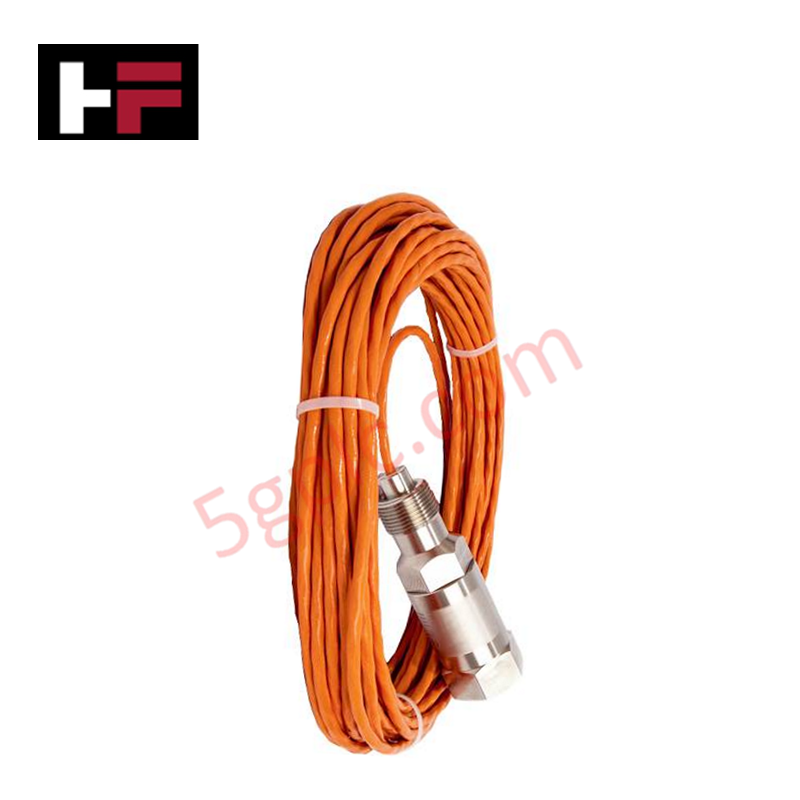
Configured for high-precision electrolytic conductivity measurement in industrial liquid handling networks, the Yokogawa SC42-SP24, also cataloged as the SC42 Contacting Conductivity Sensor, provides direct physical and electrical execution of process fluid interface detection.
Suffix Breakdown & Model Matrix
The Yokogawa SC42 conductivity sensor employs a structured suffix naming structure to specify wetted material composition, process connection type, cell constant, and electrode configuration.
| Suffix Position | Code | Parameter Selection / Technical Definition |
|---|---|---|
| Base Model | SC42 | Contacting Conductivity Sensor with integral Pt1000 RTD sensor |
| Material | -S | Wetted construction: Stainless steel AISI 316L and PEEK insulation |
| Mounting | P | Plug-in connector interface; intrinsically safe certified (ATEX/IECEx/FM) |
| Cell Constant | 2 | Nominal cell constant C = 0.1 cm-1 |
| Type | 4 | 2-electrode structure configured for flow cell installation |
Hardware Specifications
| Parameter | Specification |
|---|---|
| Model | SC42-SP24 |
| Brand | Yokogawa |
| Origin | Japan |
| Weight | Approx. 0.45 kg (1.0 lb) |
| Dimensions | 120 mm x 21 mm (4.72 in x 0.83 in) body diameter |
| Operating Temp | -20 to 135 deg C |
| Power Consumption | Passive sensor element (powered via external transmitter loop) |
| Measurement Type | Contacting conductivity, 2-electrode design |
| Cell Constant | C = 0.1 cm-1 |
| Wetted Materials | Stainless steel AISI 316L, PEEK |
| Temperature Element | Pt1000 Class A RTD |
| Process Connection | Plug-in type socket connector for flow cell adaptation |
| Max Operating Pressure | 10 bar at 25 deg C (145 psi at 77 deg F) |
| Ingress Protection | IP65 / NEMA 4X (when properly mated to cable connector) |
Process Control & DCS Instrument Characteristics
The SC42-SP24 sensor incorporates an integrated Pt1000 RTD element designed to deliver rapid dynamic temperature signals to downstream transmitter electronics for real-time automatic temperature compensation. Operating with a defined C = 0.1 cm-1 cell constant, the dual 316L stainless steel electrodes eliminate current fringing effects through targeted PEEK dielectric isolation. The hardware integrates seamlessly into 4-20 mA HART loop protocol transmitters and FOUNDATION Fieldbus / Profibus PA networks, providing high channel-to-channel isolation to prevent ground loop noise from degrading millivolt-level electrode feedback.
Frequently Asked Questions
Q: How does the cell constant (C = 0.1 cm-1) affect transmitter excitation frequency selection?
A: A cell constant of 0.1 cm-1 is optimized for low-to-medium conductivity process fluids. Downstream transmitters apply an alternating current (AC) voltage waveform across the electrodes, adjusting frequency dynamically to minimize polarization resistance and capacitive reactance at the electrode-liquid boundary.
Q: What precautions must be observed regarding the plug-in connector during field wiring?
A: The plug-in connector interface must remain free of moisture, oil, and conductive debris during assembly. Contamination across the high-impedance connector pins will degrade signal integrity and cause erroneous temperature compensation or conductivity drift readings on the DCS controller.
Field Installation Guidelines
- Inspect the 316L stainless steel electrode surfaces and PEEK body prior to installation. Ensure no oils or greases remain on the measuring surfaces; clean with isopropyl alcohol if necessary.
- Thread the sensor assembly into the dedicated flow cell using standard hand-tightening torque before applying a final 1/4 turn with a open-ended wrench. Do not overtighten to prevent damaging the internal seal face.
- Keep sensor cabling strictly separated from high-voltage AC lines, motor drives, and switching inductive loads to prevent high-frequency noise injection into the microvolt measurement circuit.
- Ensure the cable shield is grounded at a single point within the field transmitter terminal housing, maintaining a continuous floating shield along the sensor body run.
- Verify that the flow cell mounting orientation keeps the sensing surfaces continuously fully submerged under positive process liquid flow without entrapped air pockets.
Additional Information
- 100% Genuine Parts: All products are original and authentic, ensuring reliable industrial performance.
- 30-Day Refund Guarantee: Return any in-stock item within 30 days in original, unopened packaging for a full refund (excluding shipping and fees).
- 12-Month Warranty: Covers defects in materials or workmanship; excludes misuse, normal wear, or unauthorized modifications.
- Worldwide Shipping: We ship via USPS, UPS, FedEx, and DHL. Delivery times vary by country and may be subject to customs or import fees.
- Support & Contact: Technical and warranty assistance is available anytime. Contact us here: Contact.
- Purchase Guidance: Check product specifications and compatibility carefully before ordering to ensure proper application.





Tech & Buying Guide

Demystifying CPU Communication Ports in Siemens PLC Architectures
Industrial automation relies heavily on robust data exchange between devices. Without seamless connectivity, field instruments, network switches, human-machine interfaces, and programmable logic controllers cannot coordinate effectively. Therefore, understanding the various CPU communication ports available in Siemens hardware ensures efficient factory automation design and seamless system integration.

Mastering the Siemens PLC Scan Cycle: How the CPU Executes Automation Programs
Industrial automation relies heavily on programmable logic controllers (PLCs) to manage complex manufacturing processes. Many engineers dive straight into programming without mastering the underlying architecture. However, understanding how a PLC CPU executes a program ensures reliable system design. Therefore, mastering the scan cycle optimizes both performance and troubleshooting in modern control systems.

How to Connect to Siemens S7 PLCs: 5 Essential Communication Methods
Establishing a reliable hardware link between a programming terminal and a Siemens SIMATIC controller is essential for engineering workflows. Field engineers rely on distinct physical layers, ranging from legacy serial connections to high-speed Industrial Ethernet protocols. Modern factory automation environments prioritize fast data transfer and seamless driver integration. Selecting the correct connection method simplifies program downloads, online monitoring, and system troubleshooting in complex control systems.