










Product Details
Product Overview
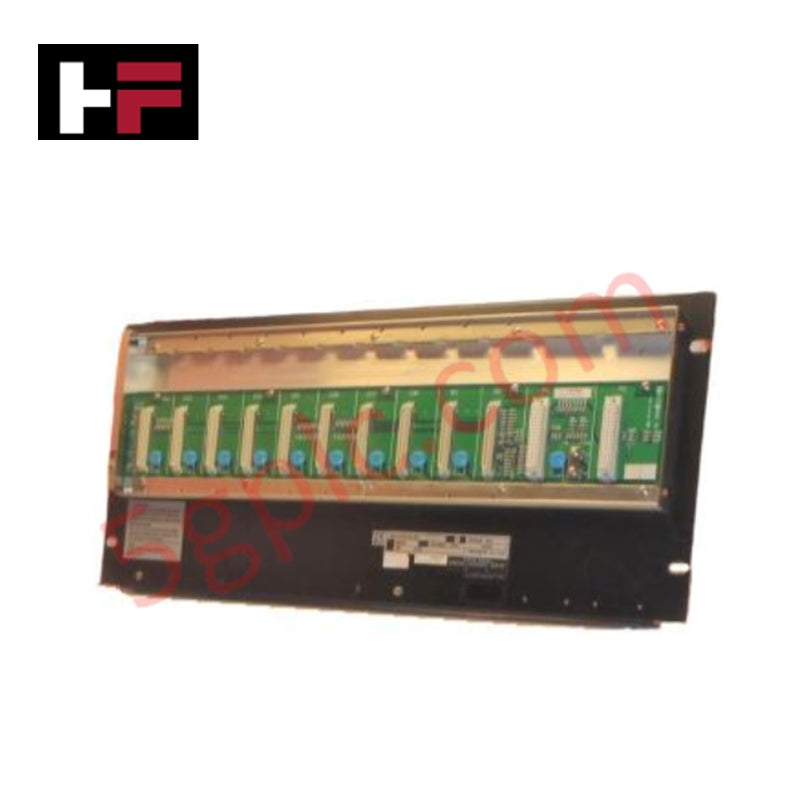
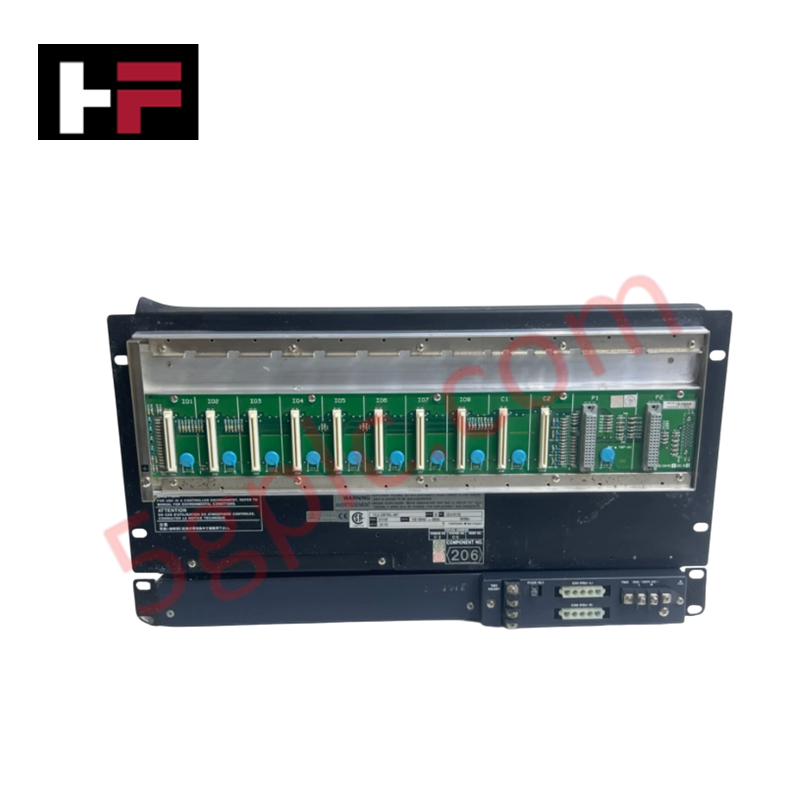
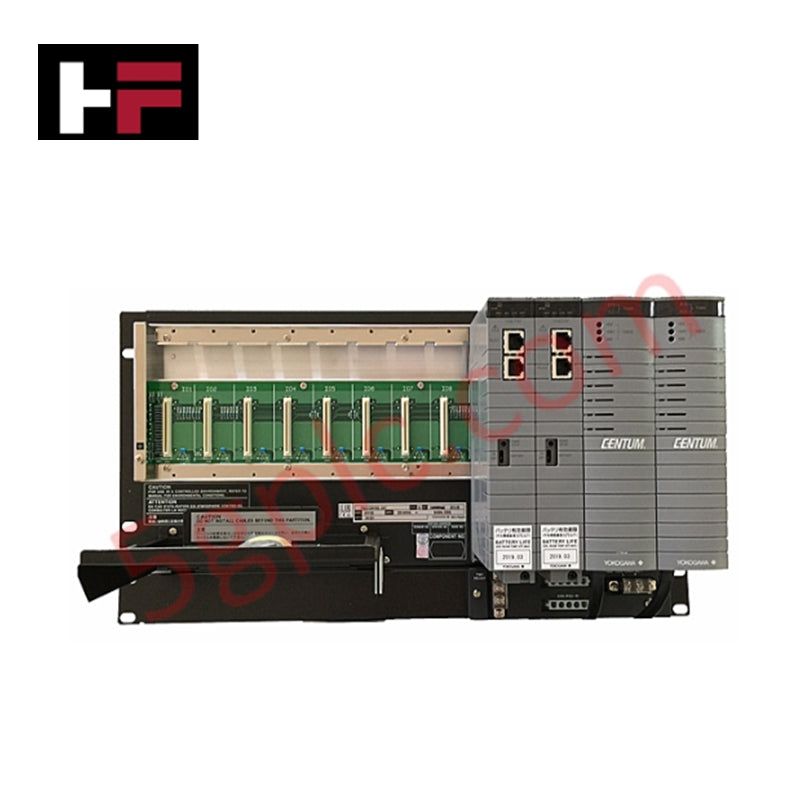
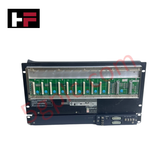
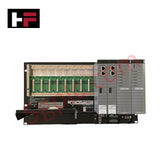
The Yokogawa ANB10D-410/NDEL functions as a high-performance communication backbone within the CENTUM VP Distributed Control System (DCS). This Node Interface Unit (NIU) bridges local I/O modules with the system's control network, facilitating seamless data flow between field devices and the Field Control Unit (FCU). By utilizing duplicated communication paths, the ANB10D-410/NDEL eliminates single points of failure, ensuring continuous process visibility in mission-critical industrial environments.
Condition: 100% Brand New and Original Factory Sealed.
Part Number Breakdown: ANB10D-410/NDEL
Yokogawa utilizes a structured suffix system to define the power and mounting specifications for the ANB10 series:
-
ANB10D: Duplicated Node Interface Unit (for FIO).
-
-4: Dual-redundant 100-120 V AC Power Supply.
-
1: 19-inch Rack-mount type.
-
0: Basic hardware type.
-
/NDEL: Specialized hardware designation for specific regional or project-based labeling requirements.
Technical Specifications
The ANB10D-410/NDEL provides the following technical parameters for system integration:
-
Module Type: Node Interface Unit (NIU)
-
Redundancy: Supports Duplicated ESB Bus and Power Supplies
-
Power Supply: 100-120 V AC, 50/60 Hz
-
Power Consumption: Approximately 100 VA (at max load)
-
I/O Capacity: Supports up to 8 FIO modules per node
-
Isolation: Optical and galvanic isolation between system and field
-
Operating Temperature: 0 to +55 °C (32 to 131 °F)
-
Storage Temperature: –20 to +70 °C (–4 to 158 °F)
-
Humidity: 5% to 95% RH (non-condensing)
-
Mounting: Standard 19-inch rack-mount or base-mounted
Engineering Advantages
-
Fault-Tolerant Communication: The duplicated architecture maintains stable data transmission even during a bus cable failure. This redundancy prevents unplanned downtime in high-stakes industries like oil and gas or chemical processing.
-
Enhanced Signal Purity: Optical isolation circuits block electromagnetic interference (EMI) from reaching the control network. This feature protects the integrity of sensitive process data in electrically noisy environments.
-
Streamlined System Expansion: The compact 19-inch rack-mount design allows engineers to scale I/O nodes quickly. This simplifies modernization projects by providing a plug-and-play interface for additional field points.
-
Precision Timing Control: High-speed proprietary bus technology ensures sub-millisecond data refresh rates. This precision allows the DCS to execute complex control loops with superior accuracy.
FAQs
-
How does the ANB10D-410/NDEL handle power failure?
The module features dual-redundant power supply inputs. If one power circuit fails, the second unit assumes the full load instantly without interrupting node communication.
-
Can I install this unit in a standard server rack?
Yes, the unit follows standard 19-inch rack-mount dimensions, though engineers should ensure adequate airflow and use the specific Yokogawa mounting brackets for secure installation.
-
What do the front-panel LEDs indicate during operation?
The LEDs provide real-time diagnostic data. Green "STATUS" indicates normal operation, while "ERR" or "COMM" flashes signal specific hardware faults or bus synchronization issues for rapid troubleshooting.
Additional Information
- 100% Genuine Parts: All products are original and authentic, ensuring reliable industrial performance.
- 30-Day Refund Guarantee: Return any in-stock item within 30 days in original, unopened packaging for a full refund (excluding shipping and fees).
- 12-Month Warranty: Covers defects in materials or workmanship; excludes misuse, normal wear, or unauthorized modifications.
- Worldwide Shipping: We ship via USPS, UPS, FedEx, and DHL. Delivery times vary by country and may be subject to customs or import fees.
- Support & Contact: Technical and warranty assistance is available anytime. Contact us here: Contact.
- Purchase Guidance: Check product specifications and compatibility carefully before ordering to ensure proper application.


Tech & Buying Guide

Demystifying CPU Communication Ports in Siemens PLC Architectures
Industrial automation relies heavily on robust data exchange between devices. Without seamless connectivity, field instruments, network switches, human-machine interfaces, and programmable logic controllers cannot coordinate effectively. Therefore, understanding the various CPU communication ports available in Siemens hardware ensures efficient factory automation design and seamless system integration.

Mastering the Siemens PLC Scan Cycle: How the CPU Executes Automation Programs
Industrial automation relies heavily on programmable logic controllers (PLCs) to manage complex manufacturing processes. Many engineers dive straight into programming without mastering the underlying architecture. However, understanding how a PLC CPU executes a program ensures reliable system design. Therefore, mastering the scan cycle optimizes both performance and troubleshooting in modern control systems.

How to Connect to Siemens S7 PLCs: 5 Essential Communication Methods
Establishing a reliable hardware link between a programming terminal and a Siemens SIMATIC controller is essential for engineering workflows. Field engineers rely on distinct physical layers, ranging from legacy serial connections to high-speed Industrial Ethernet protocols. Modern factory automation environments prioritize fast data transfer and seamless driver integration. Selecting the correct connection method simplifies program downloads, online monitoring, and system troubleshooting in complex control systems.