










Product Details
Product Overview
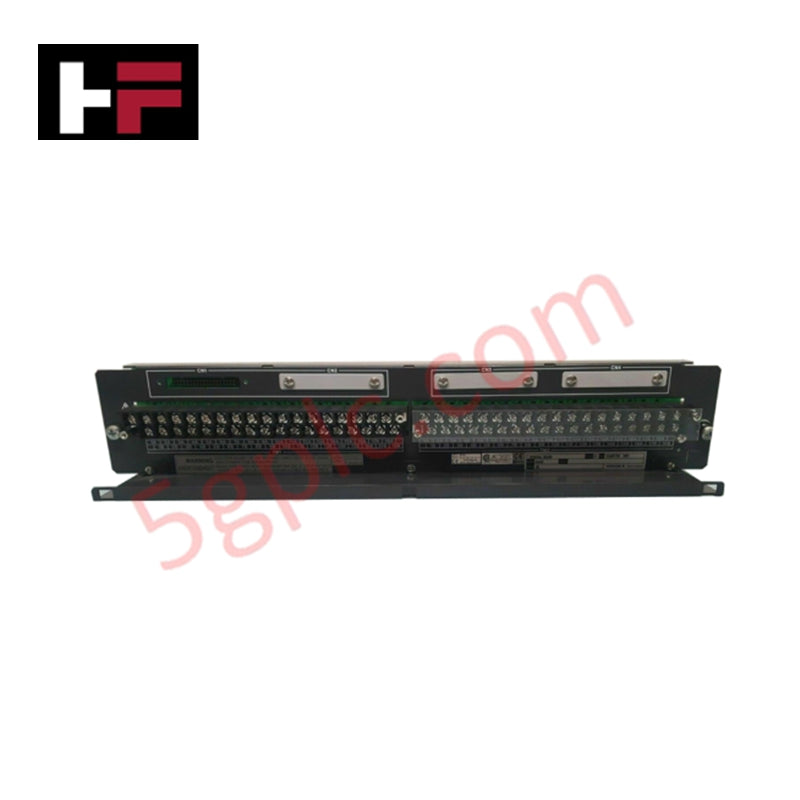
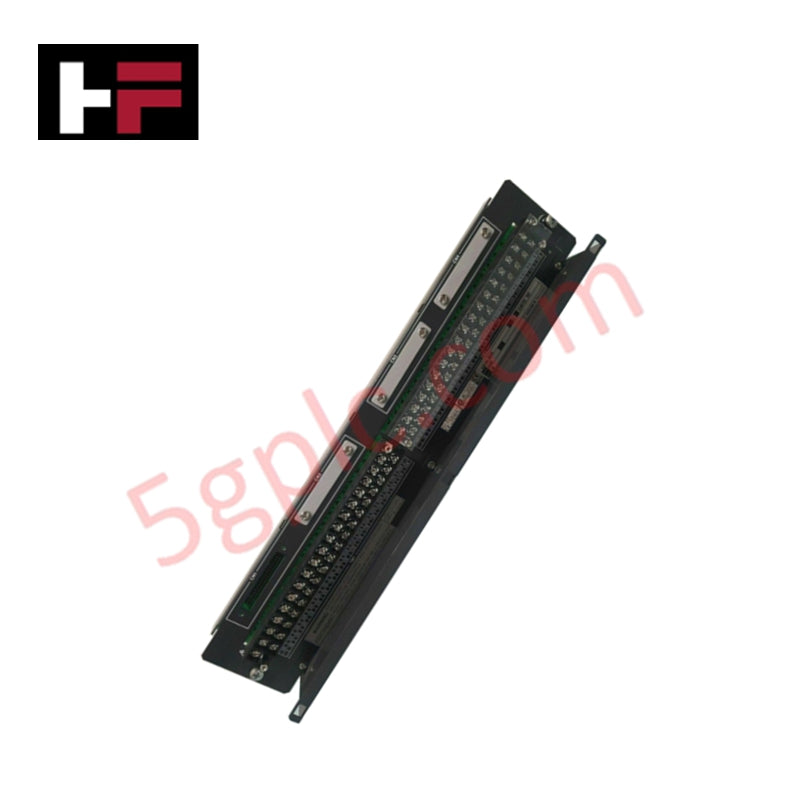
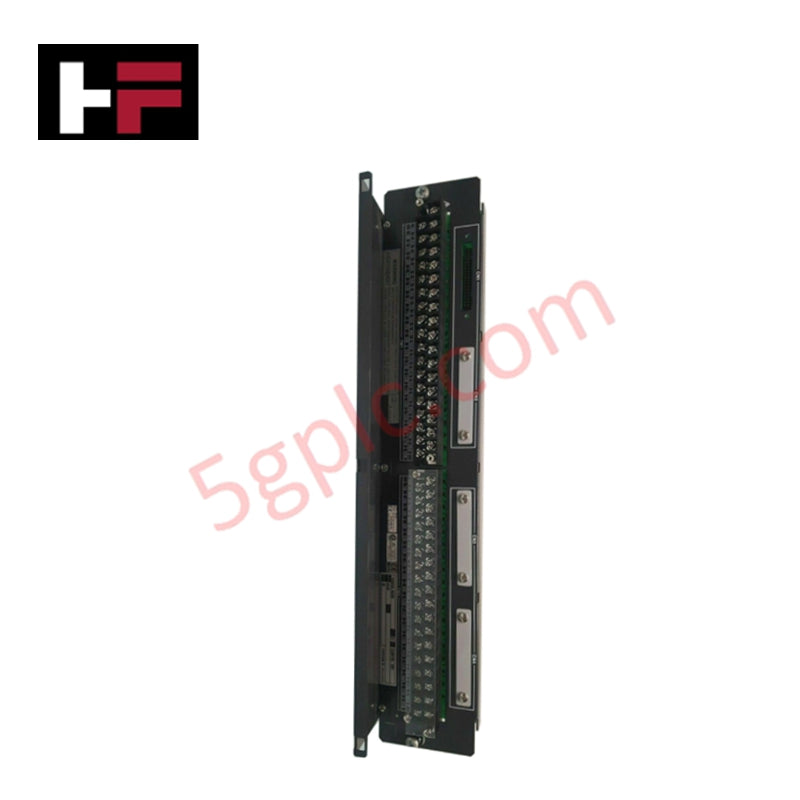
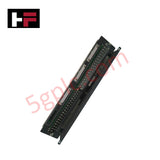
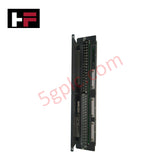
The Yokogawa AEA4D-05 acts as the primary interface for analog signals within the CENTUM VP control architecture. This terminal board facilitates the connection between field instruments and analog I/O modules, supporting both single and dual-redundant configurations across 16 channels. We deliver this unit as 100% Brand New in its original factory packaging, guaranteeing the signal integrity required for mission-critical industrial automation.
Part Number Breakdown
| Code | Specification | Detail |
| AEA4D | Basic Model | Terminal Board for Analog (16-channel) |
| -0 | Surge Protection | Without surge absorber |
| 5 | Protection Type | Basic type with no explosion protection |
Technical Specifications
| Feature | Specification |
| Number of Channels | 16 |
| Redundancy Support | Single and Dual-redundant configurations |
| Compatible Cable | KS1 Interface |
| Mounting Type | Rack or Surface Mount |
| Dimensions | Standard AEA4D Form Factor |
| Weight | 1.5 kg |
Engineering Advantages
-
Redundancy Ready: The AEA4D-05 architecture supports dual-redundant I/O module connections. This configuration ensures that a single module failure never interrupts the signal path between the field sensor and the controller.
-
Simplified Field Wiring: The board utilizes a standardized layout for 16-channel inputs. This systematic arrangement reduces wiring errors during the commissioning phase and speeds up troubleshooting during maintenance loops.
-
Robust Signal Shielding: Even without the optional surge absorber (-0 suffix), the board design optimizes signal traces to minimize crosstalk between adjacent analog channels, preserving 4-20mA accuracy.
-
Optimized Cabinet Space: The compact 1.5 kg frame allows for high-density mounting within standard Yokogawa control cabinets, maximizing the I/O count per square meter of floor space.
FAQs
-
Which cables should I use to connect the AEA4D-05 to the I/O module?
This terminal board requires the KS1 connection cable. Ensure you select the correct length and shielding type for your specific cabinet dimensions to maintain signal quality.
-
Can I use this board for digital signals?
No. Yokogawa designs the AEA4D series specifically for analog signals. Attempting to route digital signals through this board may lead to impedance mismatches or signal degradation.
-
What is the advantage of the "-05" version over version with surge protection?
The AEA4D-05 is a cost-effective solution for indoor, controlled environments where external lightning or power surges do not pose a direct threat to the signal lines.
-
Does this unit support hot-swapping of connected I/O modules?
Yes. When used in a dual-redundant configuration, you can replace the upstream I/O modules while the AEA4D-05 continues to pass field signals through the secondary path.
Additional Information
- 100% Genuine Parts: All products are original and authentic, ensuring reliable industrial performance.
- 30-Day Refund Guarantee: Return any in-stock item within 30 days in original, unopened packaging for a full refund (excluding shipping and fees).
- 12-Month Warranty: Covers defects in materials or workmanship; excludes misuse, normal wear, or unauthorized modifications.
- Worldwide Shipping: We ship via USPS, UPS, FedEx, and DHL. Delivery times vary by country and may be subject to customs or import fees.
- Support & Contact: Technical and warranty assistance is available anytime. Contact us here: Contact.
- Purchase Guidance: Check product specifications and compatibility carefully before ordering to ensure proper application.




Tech & Buying Guide

Static UPS vs. Rotary UPS: Technical Evaluation for Industrial Automation

Comprehensive Guide to Noise Types in Industrial Automation and Electronics

Mitigating Emergency Stop Spurious Trips in Industrial Control Systems
Emergency stop (E-Stop) pushbuttons serve as vital safety devices in factory automation and process control plants. Functional safety standards mandate normally-closed (NC) contact blocks to ensure fail-safe operation during wiring breaks or power outages. However, mechanical degradation over time can trigger unexpected spurious trips, halting production lines without an actual emergency. Understanding the underlying causes of mechanical contact failure allows automation engineers to implement robust, fault-tolerant safety circuits.