










Product Details
Product Overview
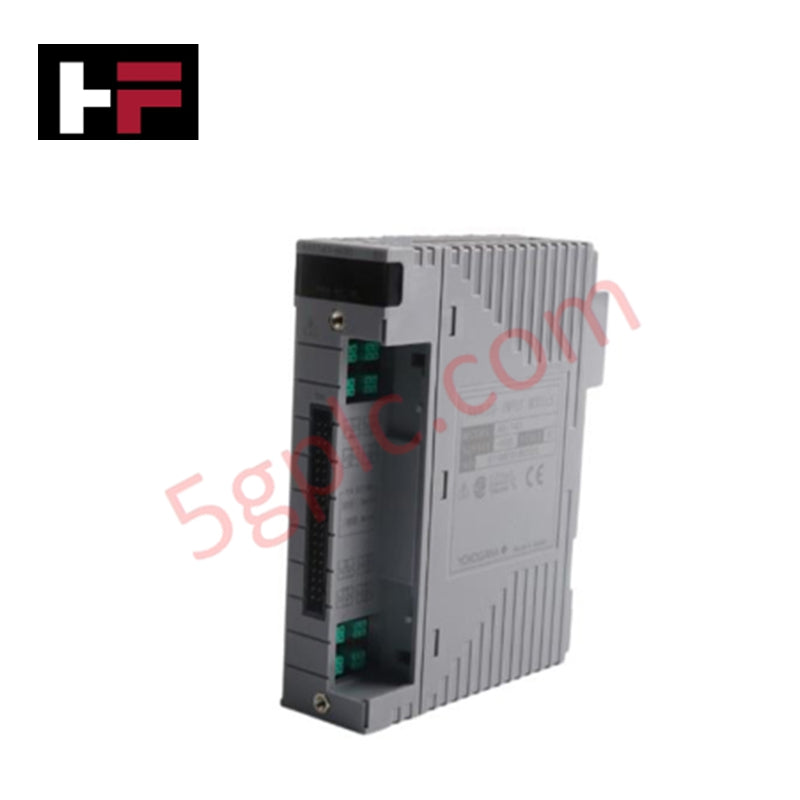
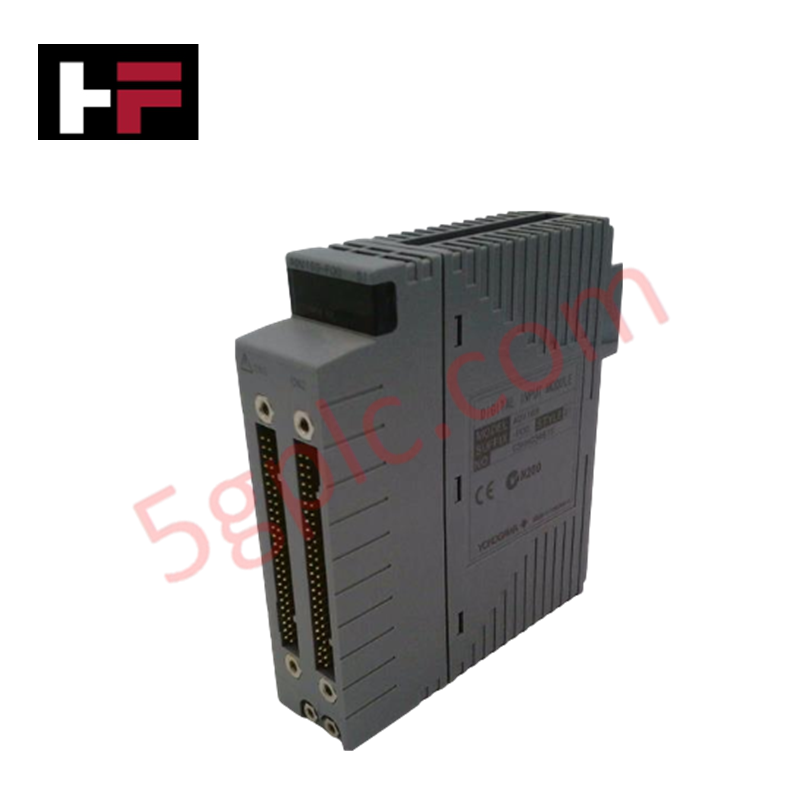
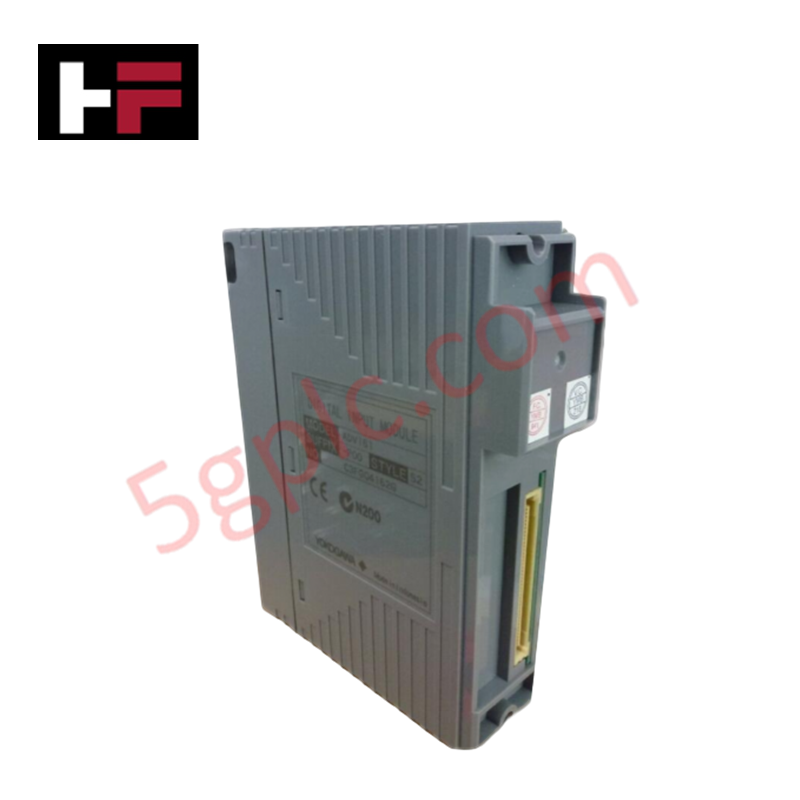
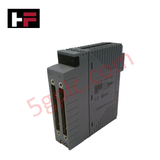
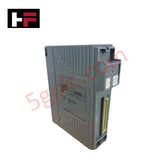
The Yokogawa ADV142-P03 serves as a specialized AC digital input module for the CENTUM VP Integrated Production Control System. It interfaces high-voltage field signals (200 to 240 V AC) directly with the control logic, providing 16 isolated channels for status monitoring and pushbutton pulse detection. We supply this module as 100% Brand New and Original, ensuring full compliance with factory safety certifications and long-term system integrity.
Part Number Breakdown
The suffix logic for the ADV142 series defines specific environmental and functional capabilities:
-
ADV142: Base 16-Channel AC Digital Input Module (200-240 V AC).
-
-P: Supports both Status Input and Pushbutton Edge Detection functions.
-
0: Basic type with standard terminal configuration.
-
3: Includes ISA Standard G3 conformal coating and extended temperature hardware for harsh industrial environments.
Technical Specifications
The ADV142-P03 utilizes robust electrical parameters to handle high-voltage industrial inputs:
| Feature | Specification |
| Input Channels | 16 (Common every 8 channels) |
| Rated Input Voltage | 200 to 240 V AC, 50/60 Hz |
| Input ON Voltage (Peak) | 160 V AC (226 V) to 264 V AC (373 V) |
| Input OFF Voltage (Peak) | ≤ 40 V AC (56 V) |
| Typical Input Current | 6.2 mA per channel (at 240 V / 60 Hz) |
| Withstanding Voltage | 2 kV AC (Signal to System) |
| Response Time | ≤ 160 ms (Status Input) |
| Current Consumption | 500 mA at 5 V DC |
Engineering Advantages
-
High-Voltage Direct Sensing: This module eliminates the need for interposing relays when monitoring 240V AC motor starters or heavy-duty limit switches. By accepting high-voltage inputs directly, it reduces cabinet complexity and potential points of failure.
-
Superior Isolation Security: A 2 kV AC withstanding voltage barrier protects the internal system bus from field-side transients. The module also maintains 1.35 kV AC isolation between commons, preventing cross-channel interference in complex electrical grids.
-
Debounced Pulse Detection: For manual operator consoles, the pushbutton input function recognizes pulses with a minimum ON detection time of 200 ms. This hardware-level filtering ensures accurate signal capture without requiring extensive software debouncing logic in the DCS.
FAQs
-
Can the ADV142-P03 handle frequency fluctuations?
Yes. The module operates reliably across both 50 Hz and 60 Hz power systems, maintaining consistent input current and response timing.
-
Is this a Brand New unit?
Absolutely. We guarantee that every ADV142-P03 we provide is 100% Brand New and original factory stock. We do not sell refurbished or used components for mission-critical DCS applications.
-
What is the significance of the "Common every 8 channels" specification?
This design groups the 16 channels into two banks of 8. This allows you to monitor signals from two different AC power sources or phases within a single module while maintaining electrical separation between the banks.
-
Does this module support hot-swapping?
The ADV142-P03 supports online replacement within a CENTUM VP FIO node, provided the user follows Yokogawa’s standard hot-swap procedures to ensure continuous system operation.
Additional Information
- 100% Genuine Parts: All products are original and authentic, ensuring reliable industrial performance.
- 30-Day Refund Guarantee: Return any in-stock item within 30 days in original, unopened packaging for a full refund (excluding shipping and fees).
- 12-Month Warranty: Covers defects in materials or workmanship; excludes misuse, normal wear, or unauthorized modifications.
- Worldwide Shipping: We ship via USPS, UPS, FedEx, and DHL. Delivery times vary by country and may be subject to customs or import fees.
- Support & Contact: Technical and warranty assistance is available anytime. Contact us here: Contact.
- Purchase Guidance: Check product specifications and compatibility carefully before ordering to ensure proper application.


Tech & Buying Guide

Demystifying the DDE Protocol in Legacy Industrial Automation Systems
Modern control systems rely heavily on seamless interprocess communication to exchange operational data between software programs. Microsoft first introduced the Dynamic Data Exchange (DDE) protocol in 1987 to enable real-time data sharing. In factory automation, DDE served as an early bridge between control software and Windows desktop applications. Therefore, understanding DDE mechanics provides crucial insights into how legacy industrial networks established software-level connectivity.

Demystifying CPU Communication Ports in Siemens PLC Architectures
Industrial automation relies heavily on robust data exchange between devices. Without seamless connectivity, field instruments, network switches, human-machine interfaces, and programmable logic controllers cannot coordinate effectively. Therefore, understanding the various CPU communication ports available in Siemens hardware ensures efficient factory automation design and seamless system integration.

Mastering the Siemens PLC Scan Cycle: How the CPU Executes Automation Programs
Industrial automation relies heavily on programmable logic controllers (PLCs) to manage complex manufacturing processes. Many engineers dive straight into programming without mastering the underlying architecture. However, understanding how a PLC CPU executes a program ensures reliable system design. Therefore, mastering the scan cycle optimizes both performance and troubleshooting in modern control systems.