




Product Details
Product Overview
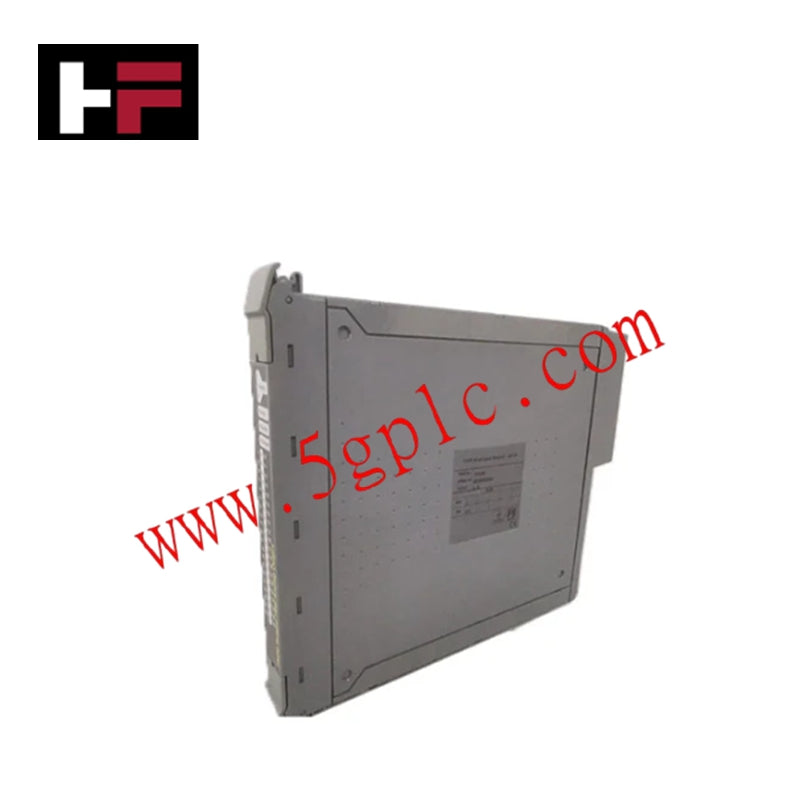
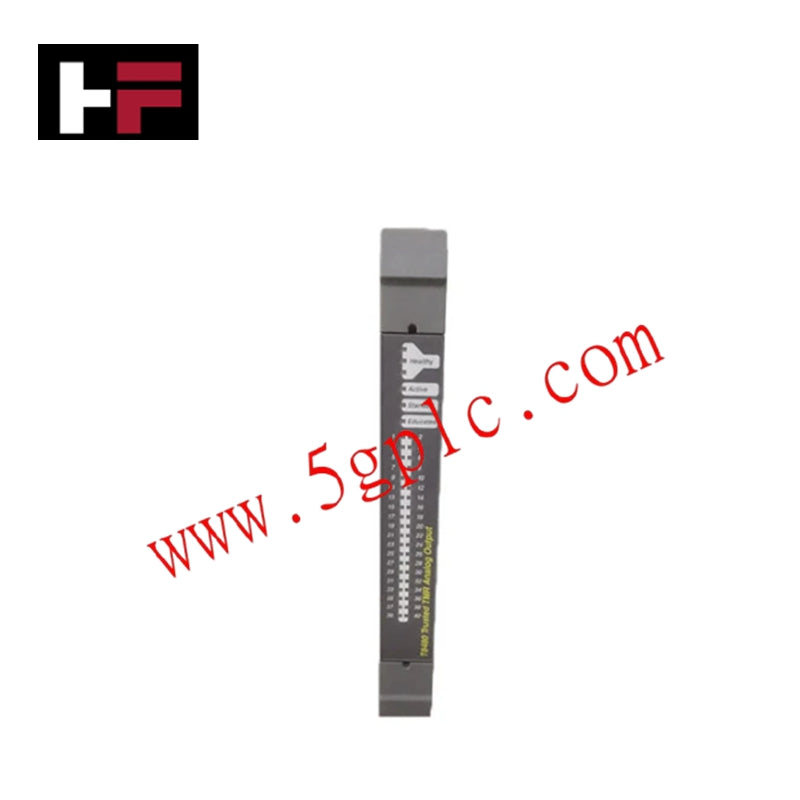
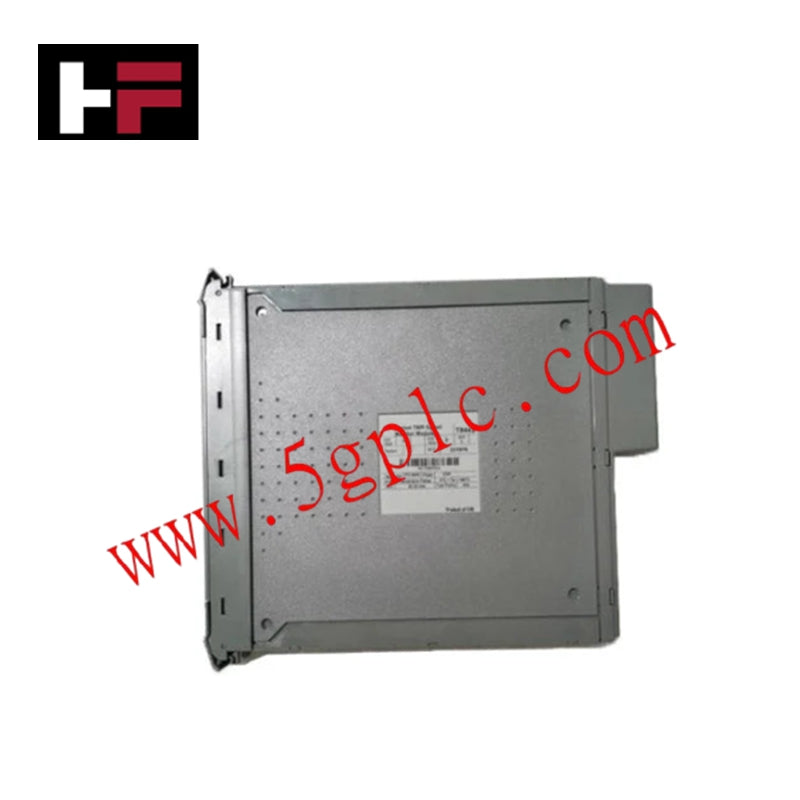
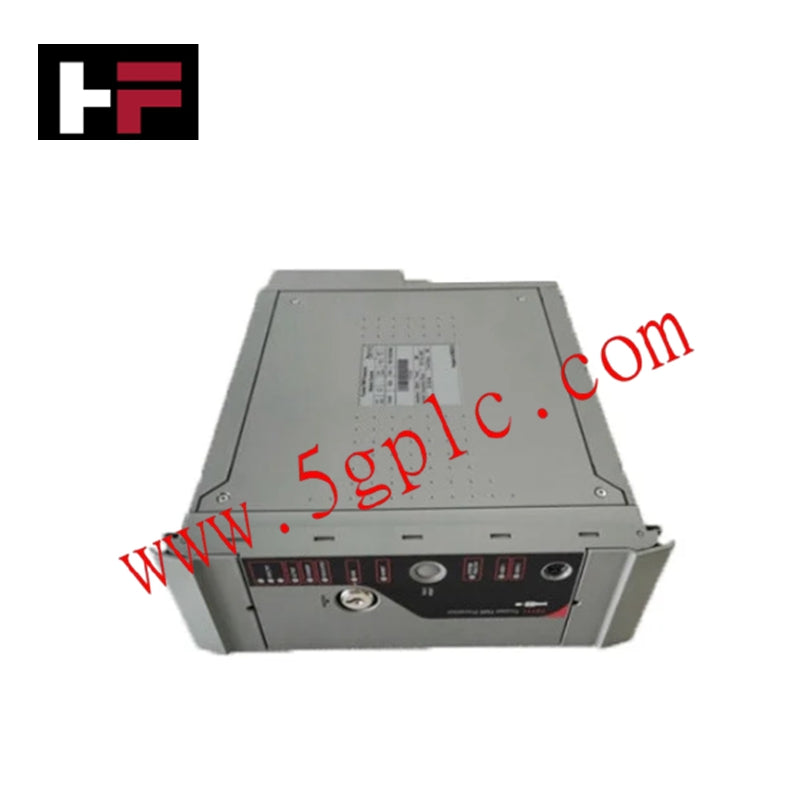
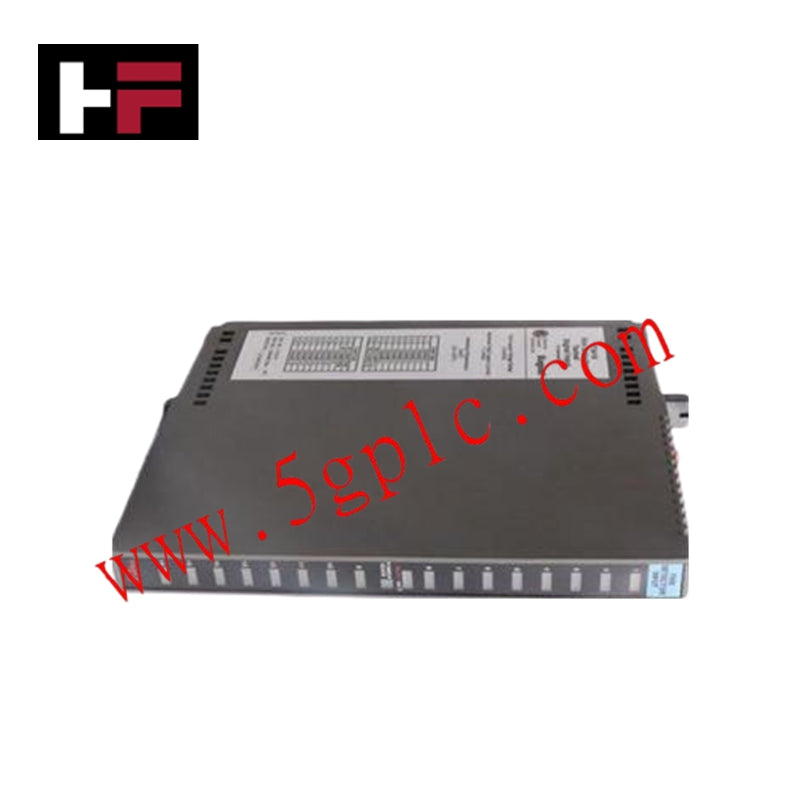
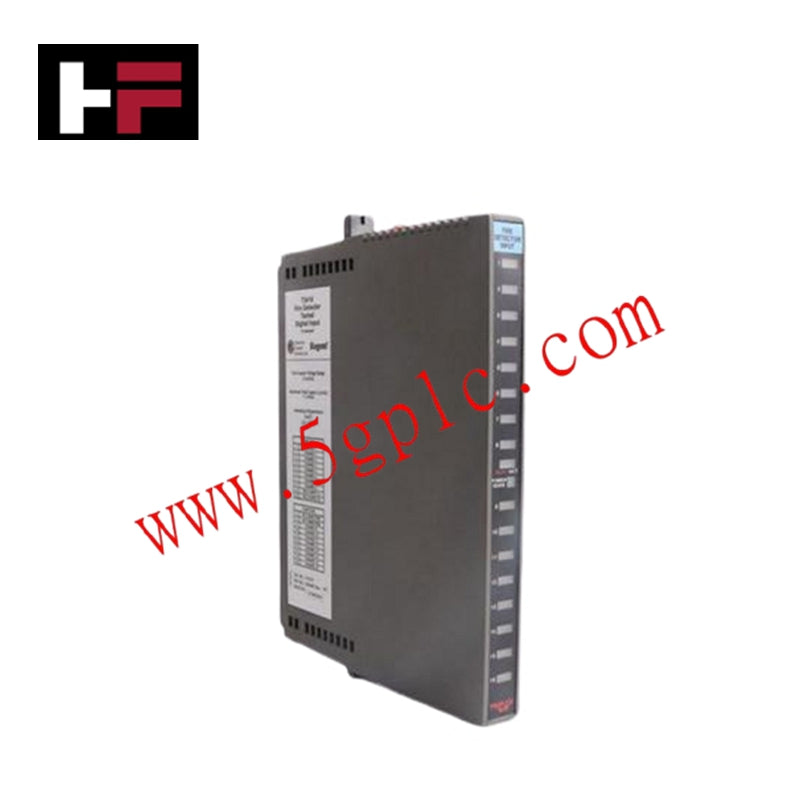
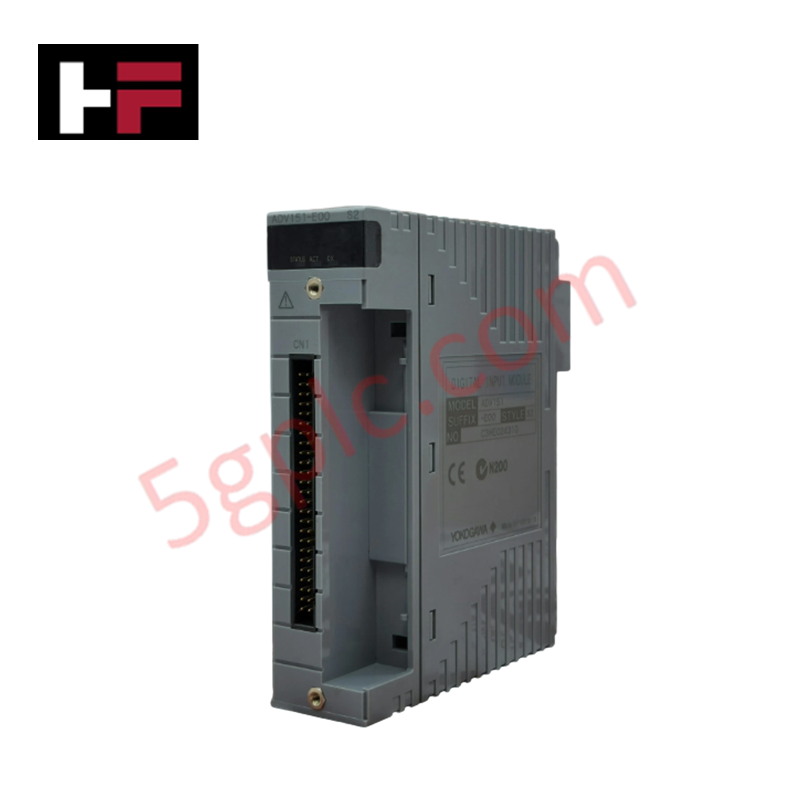
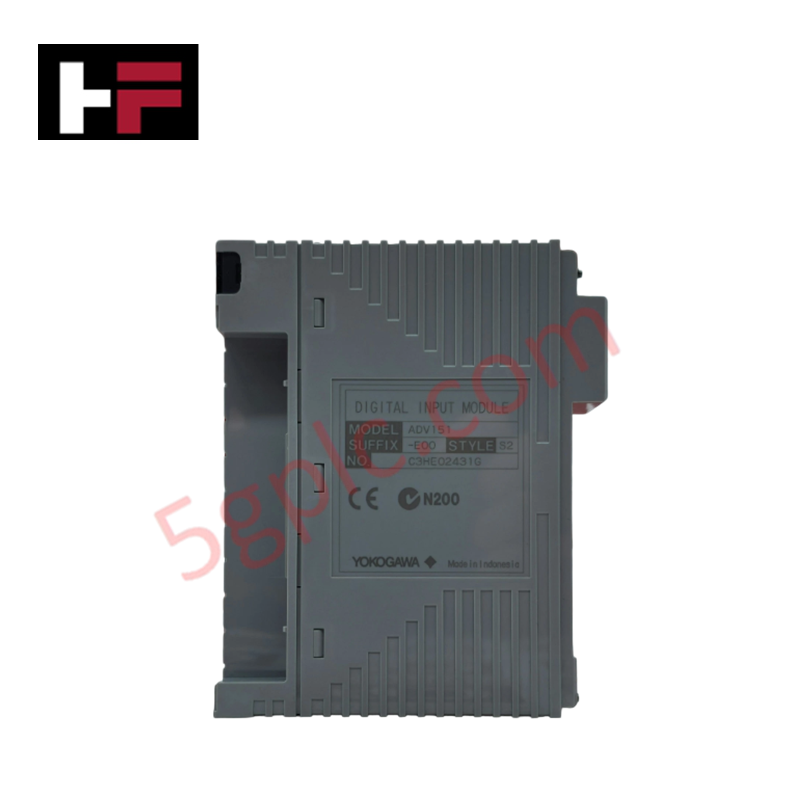
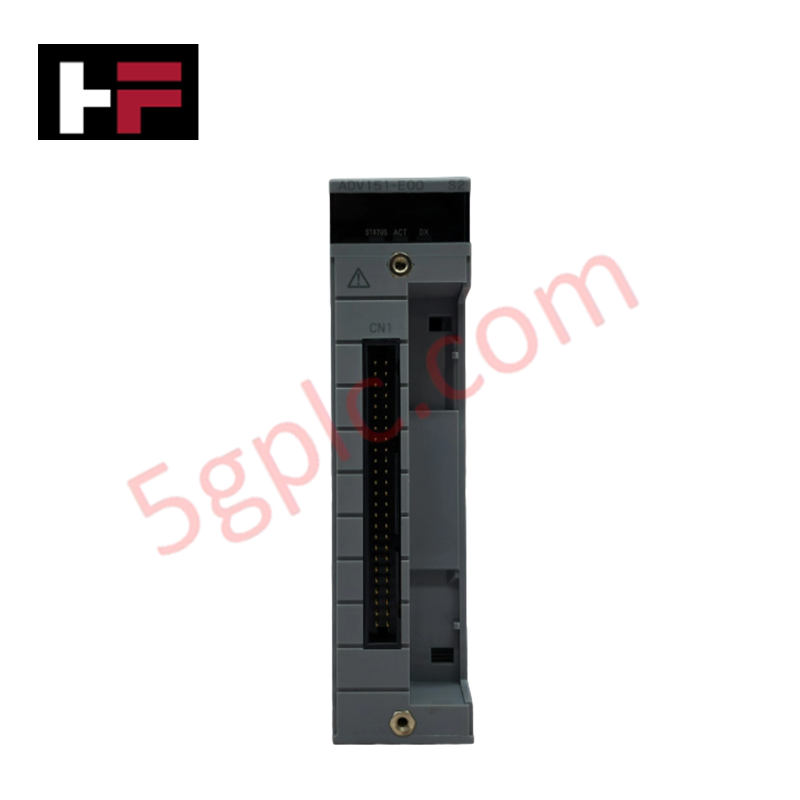
The Yokogawa AAT141-S50 functions as a high-performance temperature and millivolt acquisition interface for the CENTUM VP Integrated Production Control System. This module processes 16 isolated channels of diverse signal types, including multiple Thermocouple (TC) varieties and low-voltage millivolt (mV) inputs. By enabling individual channel configuration, the AAT141-S50 provides the flexibility required to monitor complex thermal profiles in power generation, chemical refining, and advanced manufacturing environments.
Part Number Breakdown
Yokogawa utilizes specific suffix codes to define the functional and safety profile of the AAT141 series:
-
AAT141: TC/mV Input Module (16-channel, Isolated)
-
-S: Standard functional type for universal industrial applications
-
5: Configured without explosion protection (for safe zone installation)
-
0: Basic environmental type with standard factory coating
Technical Specifications
The AAT141-S50 delivers high-resolution data acquisition through the following engineered parameters:
-
Input Channels: 16 isolated channels
-
Input Signal Types: Thermocouple (Types J, K, E, B, R, S, T, N); Millivolt (-100 to 150 mV, -20 to 80 mV)
-
Withstanding Voltage: 1500V AC (between input and system for 1 minute)
-
Reference Junction Compensation: Accuracy of ±1°C
-
Accuracy (TC): ±30 μV
-
Input Resistance: >2 MΩ (Both Power ON and Power OFF states)
-
Data Update Period: 1 second
-
Burn-out Detection: Configurable (UP/DOWN); 60-second detection time
-
Power Consumption: 450 mA @ 5V DC
-
Weight: 0.2 kg
-
External Connection: Pressure clamp terminal
Engineering Advantages
-
Superior Isolation Protection: This module features 1500V AC isolation between the field-side inputs and the internal system logic. This robust barrier prevents ground loops and eliminates the risk of high-voltage transients damaging the central processor or other I/O modules on the bus.
-
Versatile Signal Matching: Engineers can set each of the 16 channels individually for either Thermocouple or Millivolt signals. This multi-functionality allows the consolidation of different sensor types into a single module, effectively reducing rack space requirements and simplifying the I/O architecture.
-
Enhanced Measurement Stability: High input resistance (>2 MΩ) ensures that the module maintains signal integrity even when the system loses power. This prevents the loading effect from distorting sensor data during power transitions or maintenance cycles.
-
Proactive Fault Management: The configurable burn-out detection allows the system to identify sensor failures (such as broken thermocouple wires) within 60 seconds. This feature prevents the controller from using erroneous data, triggering safe-state logic immediately to protect downstream equipment.
FAQs
Is the Yokogawa AAT141-S50 supplied as a brand-new unit?
Yes. We supply this module as 100% Brand New, original equipment. It arrives in factory-sealed packaging to ensure a full operational lifespan and compliance with Yokogawa's strict E-E-A-T performance standards.
Which thermocouple types does this module support?
The AAT141-S50 supports all major industrial types, including J, K, E, B, R, S, T, and N, complying with JIS C1602:1995 and IEC584:1995 standards. You can configure these settings per channel via the CENTUM VP engineering station.
How does the module handle reference junction compensation (RJC)?
The module achieves a high RJC accuracy of ±1°C. This precision ensures that the temperature conversion remains accurate even as the ambient temperature within the control cabinet fluctuates.
What is the benefit of the pressure clamp terminal connection?
The integrated pressure clamp terminals allow for fast, secure wiring of field cables without the need for specialized crimping tools. This connection method provides high vibration resistance and simplifies long-term maintenance in high-density cabinets.
Additional Information
- 100% Genuine Parts: All products are original and authentic, ensuring reliable industrial performance.
- 30-Day Refund Guarantee: Return any in-stock item within 30 days in original, unopened packaging for a full refund (excluding shipping and fees).
- 12-Month Warranty: Covers defects in materials or workmanship; excludes misuse, normal wear, or unauthorized modifications.
- Worldwide Shipping: We ship via USPS, UPS, FedEx, and DHL. Delivery times vary by country and may be subject to customs or import fees.
- Support & Contact: Technical and warranty assistance is available anytime. Contact us here: Contact.
- Purchase Guidance: Check product specifications and compatibility carefully before ordering to ensure proper application.
Tech & Buying Guide
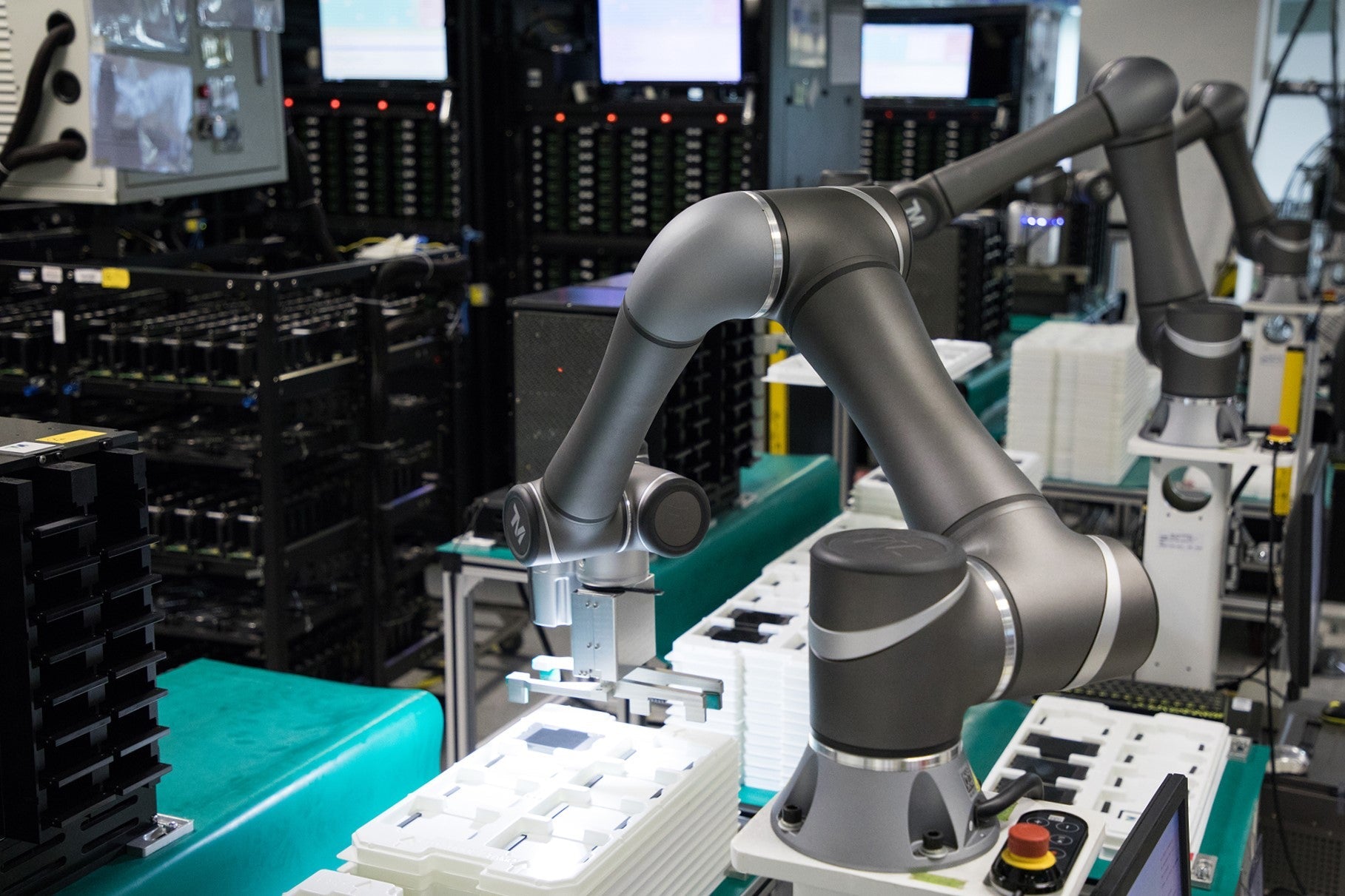
Redundant Automation Systems: Ensuring Continuous Uptime in Critical Control Infrastructure
System reliability directly determines operational profitability across high stakes process industries. Modern industrial automation platforms must eliminate single points of failure to prevent catastrophic shutdowns. Deploying fault tolerant architecture safeguards complex facilities against unexpected hardware glitches, network disruptions, and maintenance outages.

Understanding Types of Noise in Electronic Circuits and Control Systems
Signal integrity directly determines measurement accuracy and loop stability across industrial automation environments. Electronic noise introduces unwanted stochastic interference into analog loops, sensor feedback lines, and digital fieldbus networks. Understanding how intrinsic electronic noise and external electromagnetic interference manifest allows control engineers to optimize signal conditioning and shield sensitive instrumentation effectively.

Why 24V DC Power Supplies Standardize Modern Industrial Automation
Industrial control cabinets worldwide rely on 24V DC as the universal power standard for field instrumentation, sensors, and controllers. Walk into any manufacturing plant, and you will find PLCs, human-machine interfaces (HMIs), and smart actuators running on extra-low voltage DC. Standardizing on 24V DC enhances operational safety, lowers cabinet footprint, and maintains steady control performance across factory networks.