Product Details
Technical Product Overview
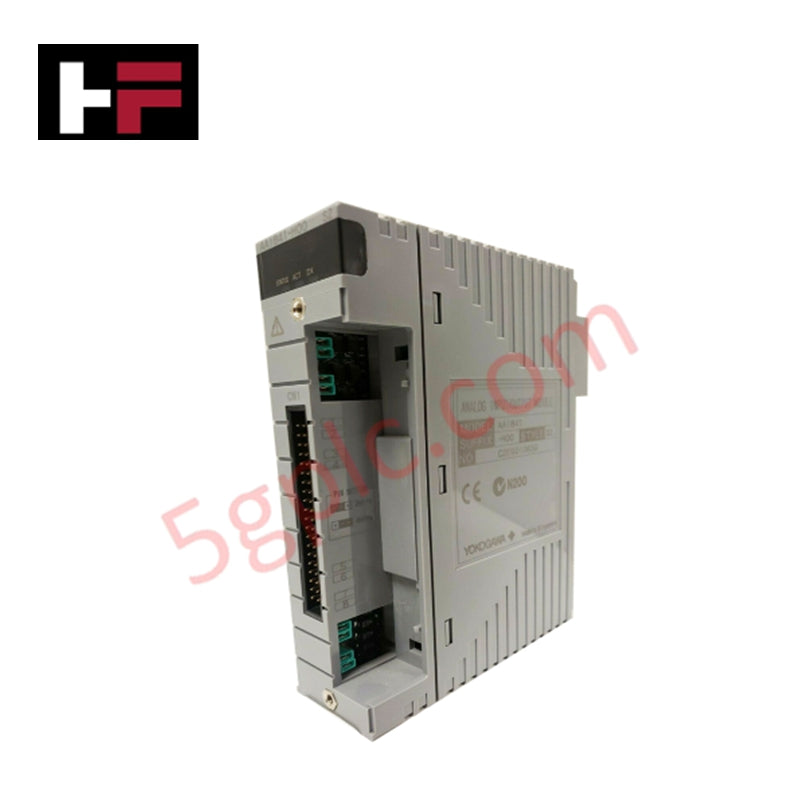
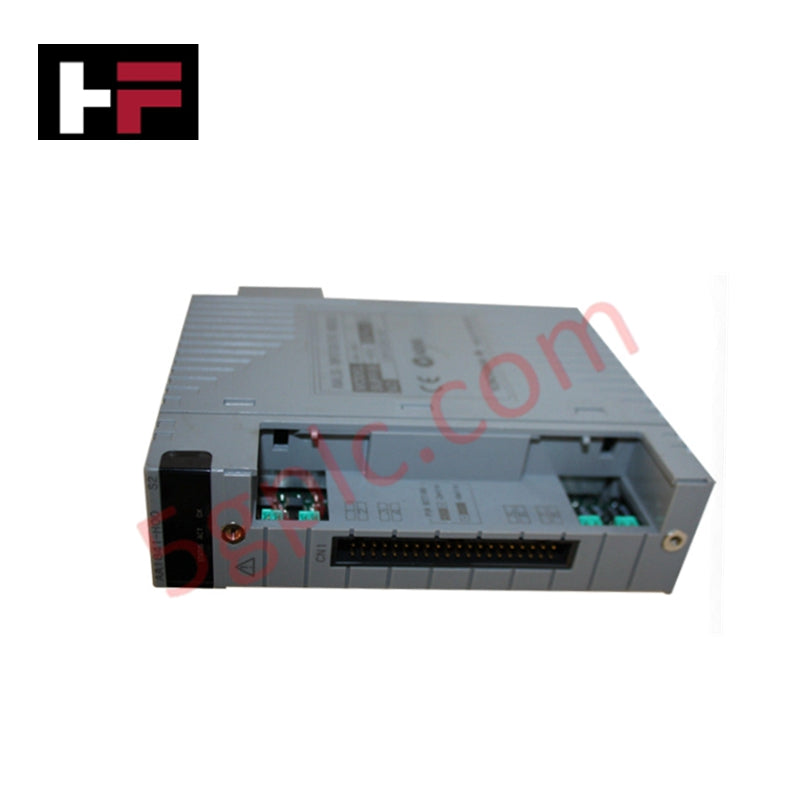
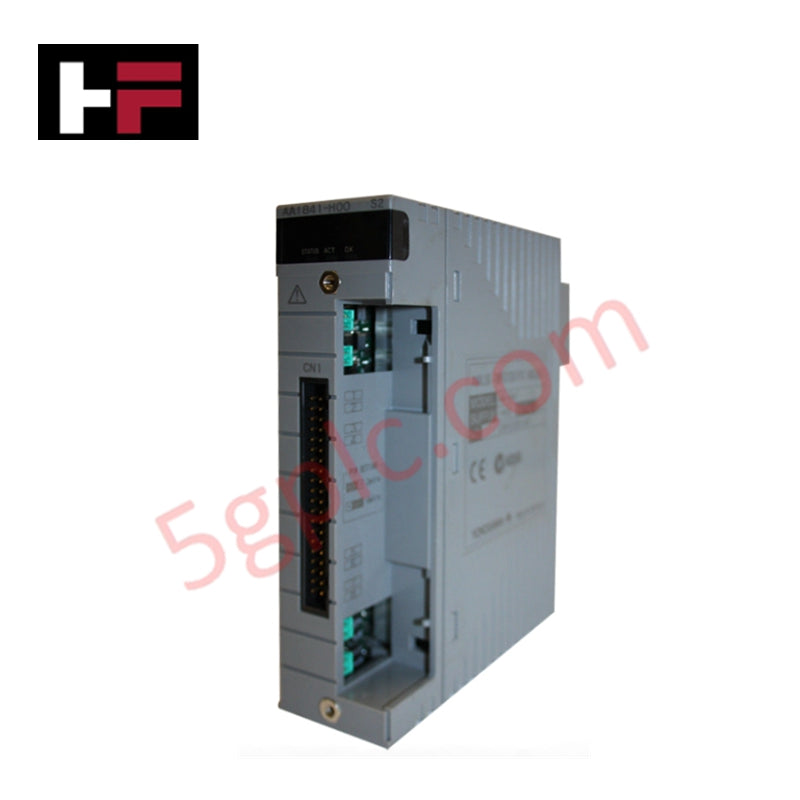
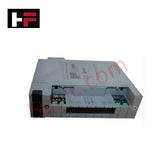
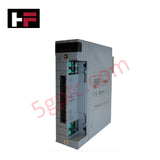
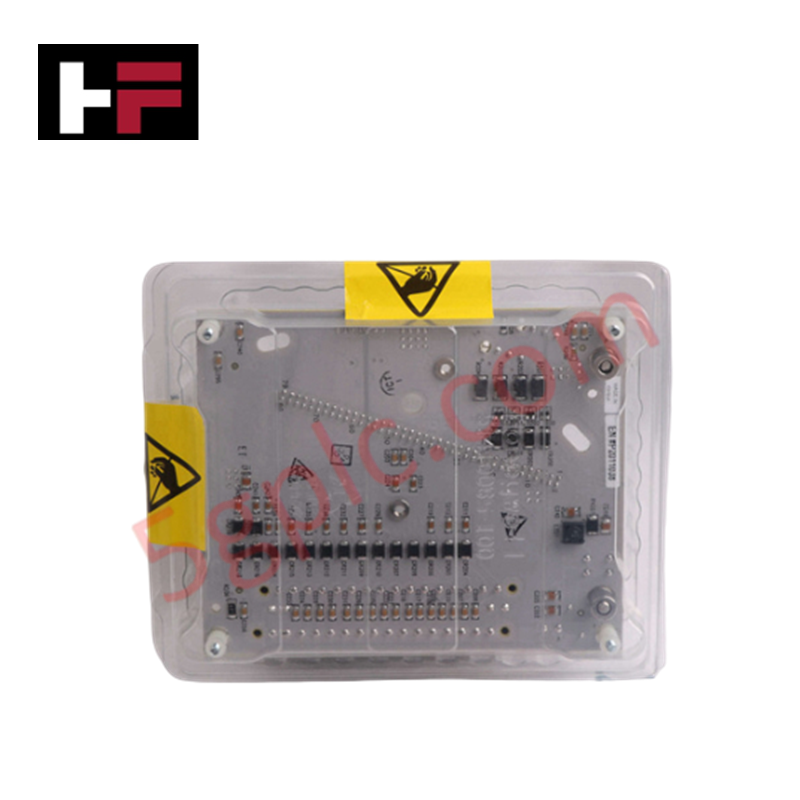
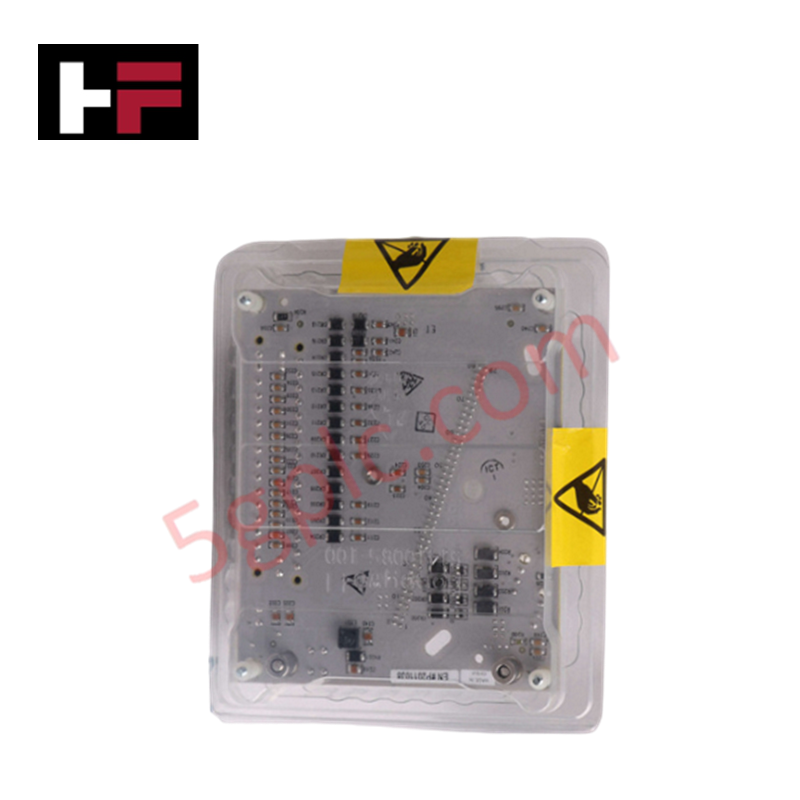
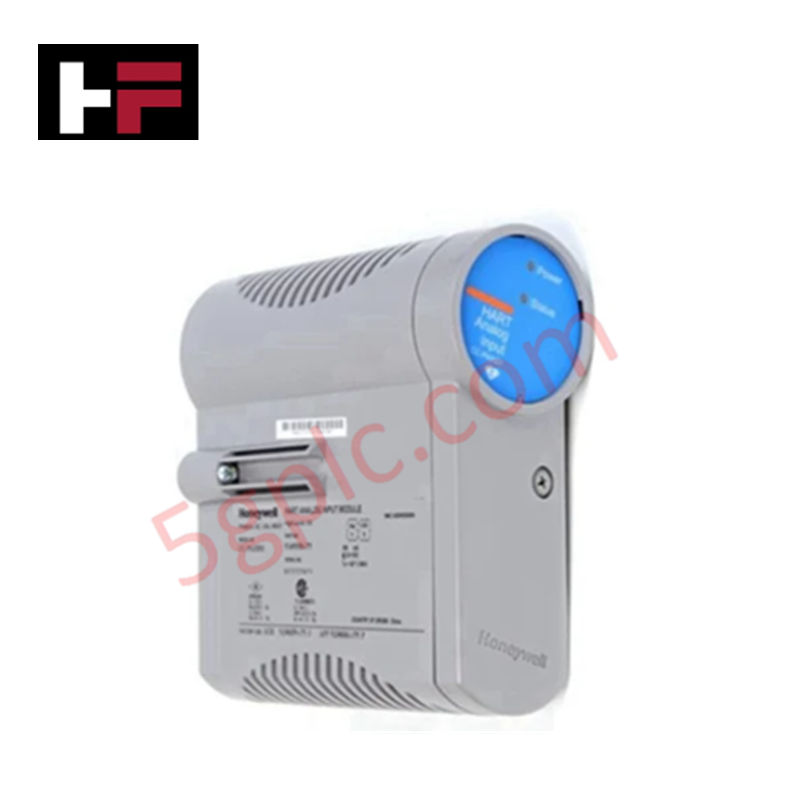
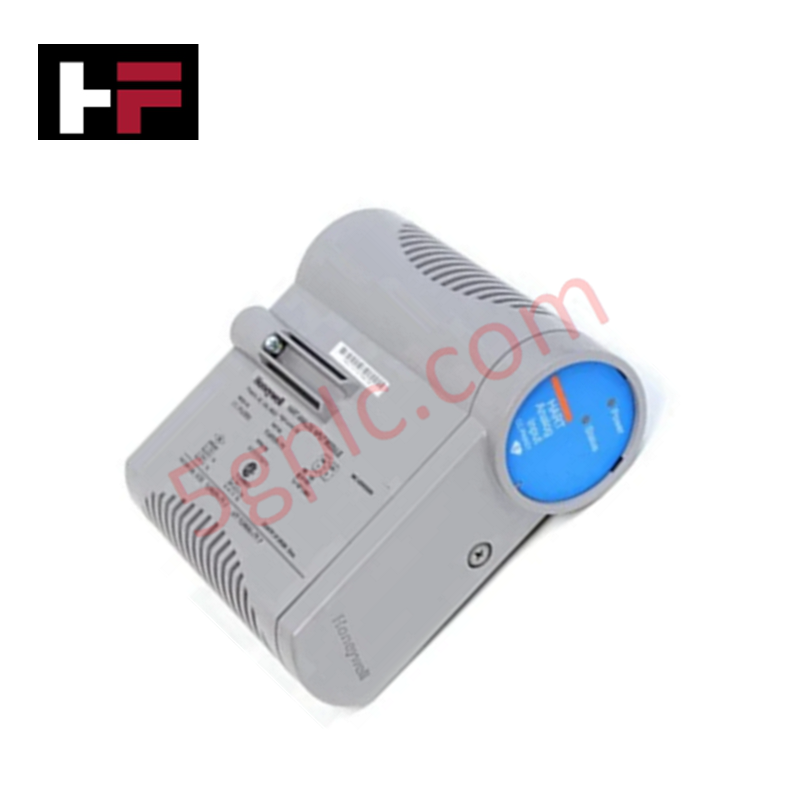
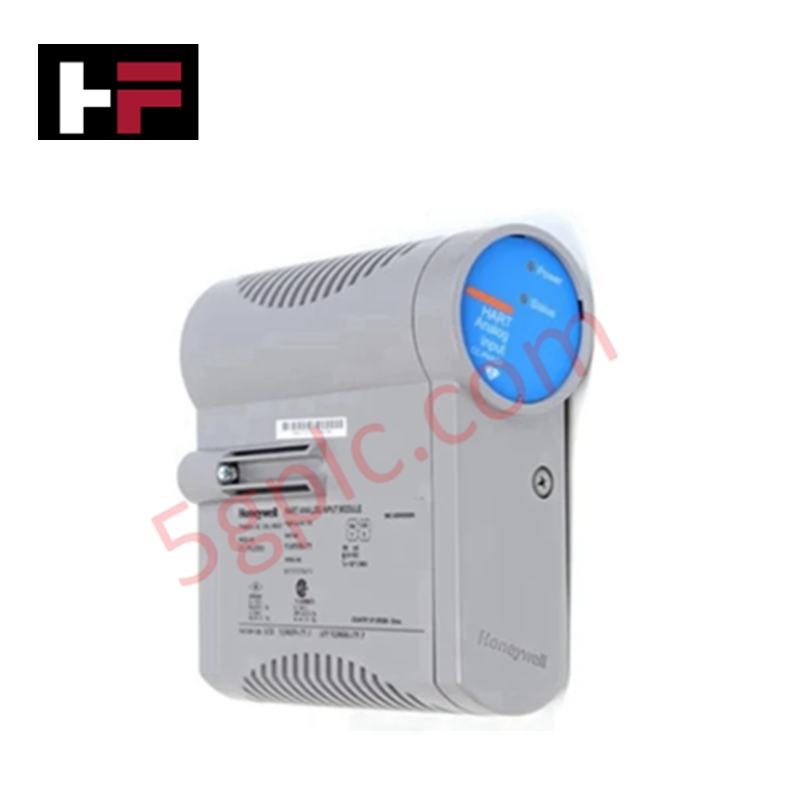
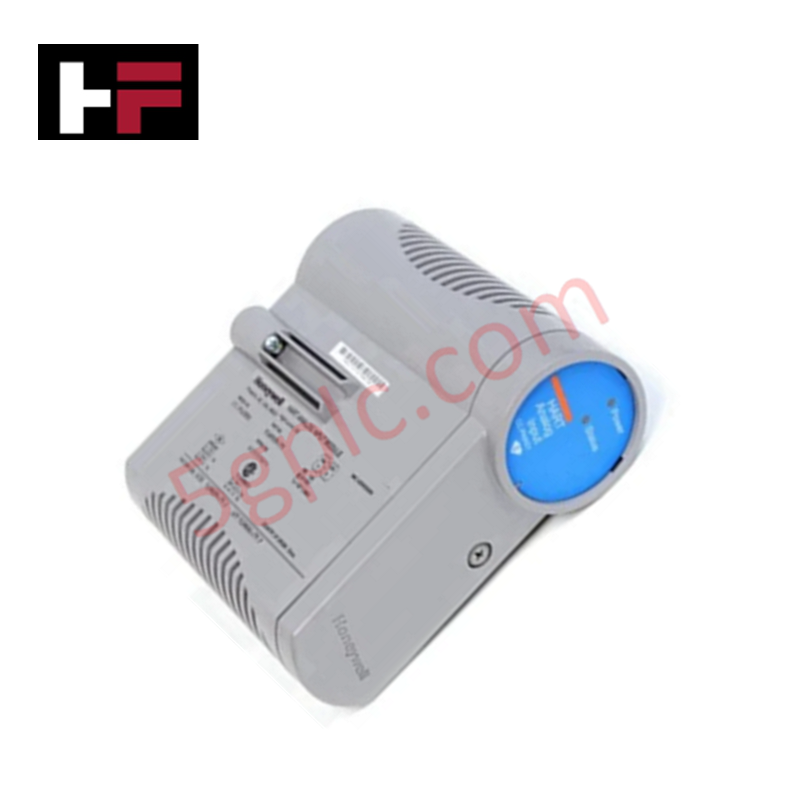
The AAI835-S50 is a high-performance, isolated Analog I/O module designed for integration within Yokogawa’s CENTUM VP and ProSafe-RS control systems. This hybrid module provides a space-efficient solution by combining four channels of analog input and four channels of analog output into a single slot, making it ideal for localized control loops where both sensing and actuation are required.
As a standard, non-explosion-protected variant, the AAI835-S50 utilizes full channel-to-channel isolation. This electrical separation prevents ground loop interference and protects the system's internal 5V and 24V DC rails from field-side transients. The module supports 4-20 mA signaling for both input and output stages, ensuring compatibility with a vast range of industrial transmitters and valve positioners.
Detailed Engineering Specifications
-
I/O Configuration: 4-Channel Input and 4-Channel Output (Combined)
-
Signal Range: 4 to 20 mA DC (Both Input and Output)
-
Isolation Architecture: Fully isolated channels (Channel-to-Channel and Channel-to-System)
-
Model Configuration: AAI835-S50 (Standard, Basic Type, No Explosion Protection)
-
Current Consumption (Internal): 360 mA @ 5 VDC
-
Current Consumption (Field/Load): 450 mA @ 24 VDC
-
External Interface Options: Pressure clamp terminals, MIL connector, or dedicated KS1 cable
-
Physical Dimensions: 13.0 cm (H) x 3.3 cm (W) x 10.7 cm (L)
-
Module Weight: 0.3 kg (0.66 lbs)
-
Mounting Integration: Compatible with Yokogawa I/O units and field control stations
Hardware Connectivity and Reliability
The AAI835-S50 is engineered for high-availability environments. The support for multiple connection types—ranging from traditional pressure clamps to high-density MIL connectors—allows for flexible cabinet internal wiring. For mission-critical applications, the module's 24V DC field-side power management ensures stable loop power even under maximum load conditions across all eight channels simultaneously.
Frequently Asked Questions
Does the AAI835-S50 support HART communication?
Standard AAI835-S50 modules primarily handle 4-20 mA analog signals. If HART digital overlay communication is required for device diagnostics, the HART-compatible version (typically designated with a different suffix) should be verified for your specific system revision.
What is the benefit of isolated channels in this module?
Isolation in the AAI835-S50 ensures that a fault or short circuit on one field loop does not propagate to the other seven channels or the central processor, significantly increasing the fault tolerance of the control loop.
Additional Information
- 100% Genuine Parts: All products are original and authentic, ensuring reliable industrial performance.
- 30-Day Refund Guarantee: Return any in-stock item within 30 days in original, unopened packaging for a full refund (excluding shipping and fees).
- 12-Month Warranty: Covers defects in materials or workmanship; excludes misuse, normal wear, or unauthorized modifications.
- Worldwide Shipping: We ship via USPS, UPS, FedEx, and DHL. Delivery times vary by country and may be subject to customs or import fees.
- Support & Contact: Technical and warranty assistance is available anytime. Contact us here: Contact.
- Purchase Guidance: Check product specifications and compatibility carefully before ordering to ensure proper application.


Tech & Buying Guide

Importance of Safety Barriers in PLC and DCS Control Systems

Static UPS vs. Rotary UPS: Technical Evaluation for Industrial Automation