










Product Details
Technical Overview
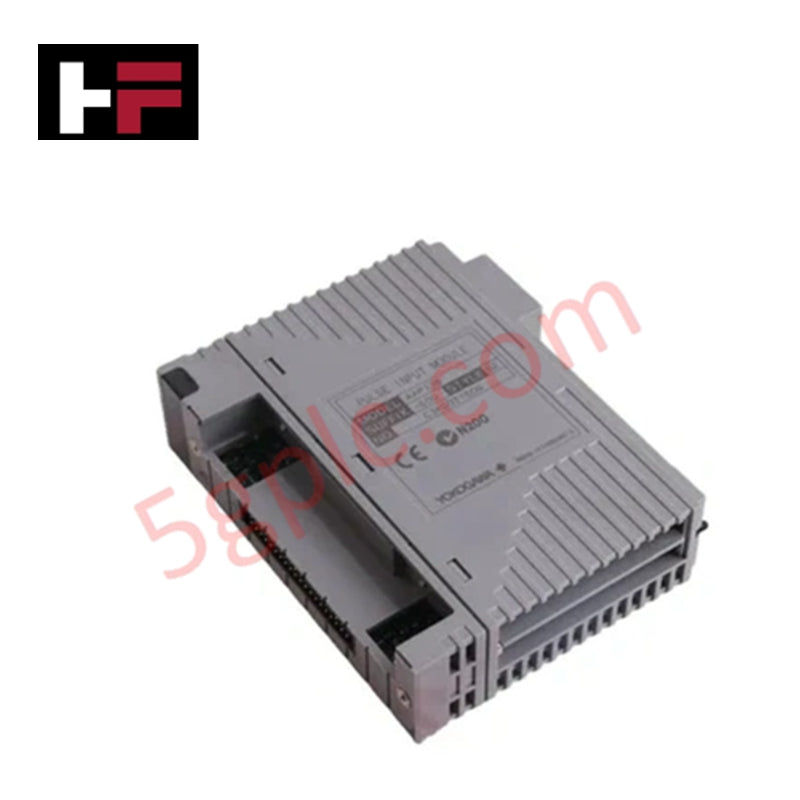
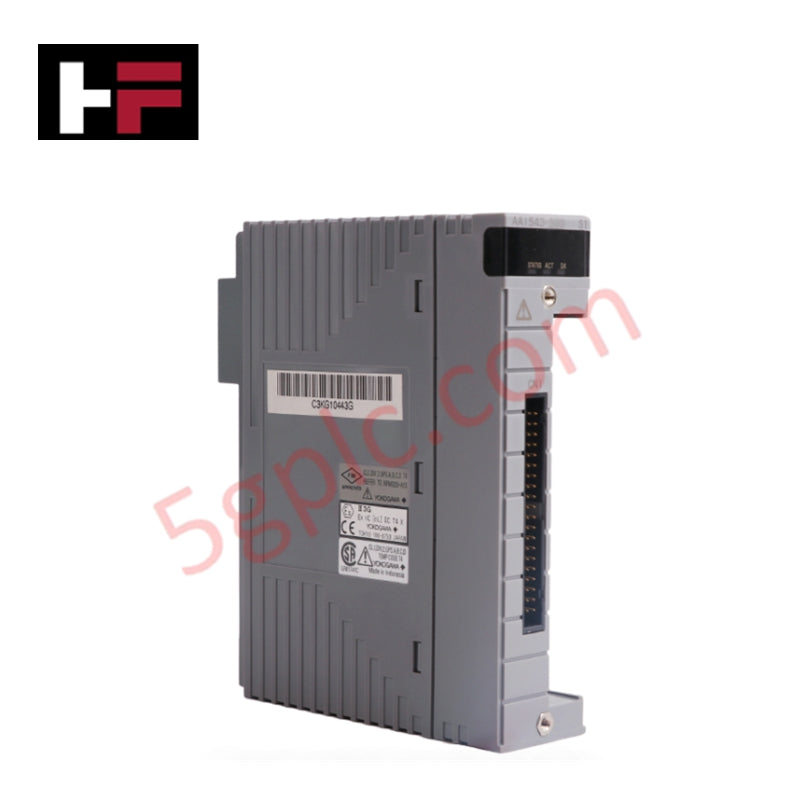
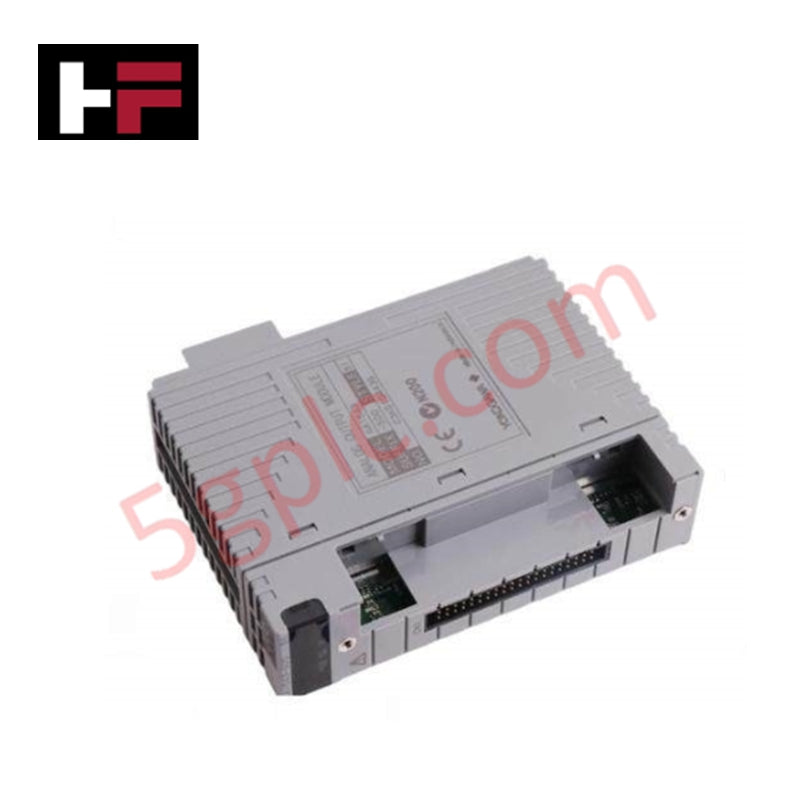
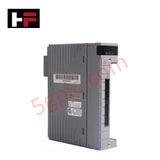
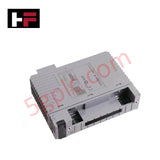
The AAI543-H50/A4S10 is a high-density analog output module engineered for the Yokogawa CENTUM VP control system. This module provides 16 isolated channels of 4 to 20 mA current signals, designed to drive final control elements such as control valve positioners and I/P converters. Featuring integrated HART digital communication, it allows for bi-directional data flow between the control system and intelligent field instruments.
This specific variant includes the A4S10 pressure clamp terminal block, supporting dual-redundant configurations. The module's architectural strength lies in its 1500 V AC isolation and rapid 10 ms update period, ensuring both system safety and high-fidelity control loop performance in critical process environments.
Detailed Specifications
-
Module Identification: AAI543-H50/A4S10
-
Output Channels: 16 channels, fully isolated
-
Signal Range: 4 to 20 mA DC
-
Digital Communication: HART protocol supported
-
Terminal Interface: Pressure clamp terminal block (A4S10 type)
-
Output Accuracy: ±48 µA (Precision current control)
-
Data Refresh Rate: 10 ms
-
Withstanding Voltage: 1500 V AC between output and system (1 minute)
-
Allowable Load Resistance: 0 to 600 Ω
-
External Connection: KS1 dedicated cable or MIL connector options
-
Power Consumption: Max 450 mA (5 V DC), 540 mA (24 V DC)
-
Temperature Stability: ±16 µA / 10 °C drift
-
System Compatibility: CENTUM VP, CENTUM CS 3000
-
Shipping Weight: Approx. 0.35 kg (Base module)
Key Operational Features
The AAI543-H50/A4S10 is designed for high-availability architectures. The redundant-ready design allows two modules to be paired, ensuring that a single module failure does not disrupt the 4-20 mA output to the field. Each channel remains independent, preventing a fault on one loop from affecting adjacent outputs. The inclusion of the pressure clamp terminal simplifies wiring for maintenance personnel while providing a gas-tight, vibration-resistant connection.
Common Maintenance Questions
-
Does this module support digital valve positioner diagnostics?
Yes, because it is a HART-enabled module, it can pass diagnostics and configuration data from the positioner back to the Plant Resource Manager (PRM) software.
-
What is the significance of the /A4S10 suffix?
This indicates the module is supplied with the specific pressure clamp terminal block designed for simplified field wiring and increased reliability.
-
Can this module be used in a redundant configuration?
Yes, it supports dual-redundancy to ensure continuous process operation in the event of hardware maintenance.
Additional Information
- 100% Genuine Parts: All products are original and authentic, ensuring reliable industrial performance.
- 30-Day Refund Guarantee: Return any in-stock item within 30 days in original, unopened packaging for a full refund (excluding shipping and fees).
- 12-Month Warranty: Covers defects in materials or workmanship; excludes misuse, normal wear, or unauthorized modifications.
- Worldwide Shipping: We ship via USPS, UPS, FedEx, and DHL. Delivery times vary by country and may be subject to customs or import fees.
- Support & Contact: Technical and warranty assistance is available anytime. Contact us here: Contact.
- Purchase Guidance: Check product specifications and compatibility carefully before ordering to ensure proper application.


Tech & Buying Guide

Master Acceptance Testing: Understanding FAT and SAT in Industrial Control Systems
Factory Acceptance Testing (FAT) and Site Acceptance Testing (SAT) serve as critical quality assurance gateways in complex industrial control systems. Both procedures verify that programmable logic controllers (PLCs), distributed control systems (DCS), and associated field devices meet strict functional specifications. However, executing these tests effectively requires clear delineation between off-site staging and final field commissioning.

Industrial Networking Essentials: Demystifying Hubs, Switches, and Routers in Control Systems
Industrial automation relies heavily on robust networking infrastructure to connect programmable logic controllers (PLCs), distributed control systems (DCS), and human-machine interfaces (HMIs). Modern factory automation environments generate vast amounts of real-time operational data across deterministic networks. Understanding the structural differences between hubs, switches, and routers ensures optimal traffic segmentation, minimizes latency, and maintains high network availability.

Safety Relays in Industrial Automation: Fundamentals, Design Standards, and Fail-Safe Architecture
Safety relays form the bedrock of functional safety in modern factory automation, preventing catastrophic equipment failure and protecting plant personnel. While standard electromechanical relays handle basic load switching, they lack the redundant diagnostics required for high-risk industrial environments. Modern industrial automation platforms—including programmable logic controllers (PLCs) and distributed control systems (DCS)—rely on specialized safety relays to monitor field devices and isolate hazards instantly.