










Product Details
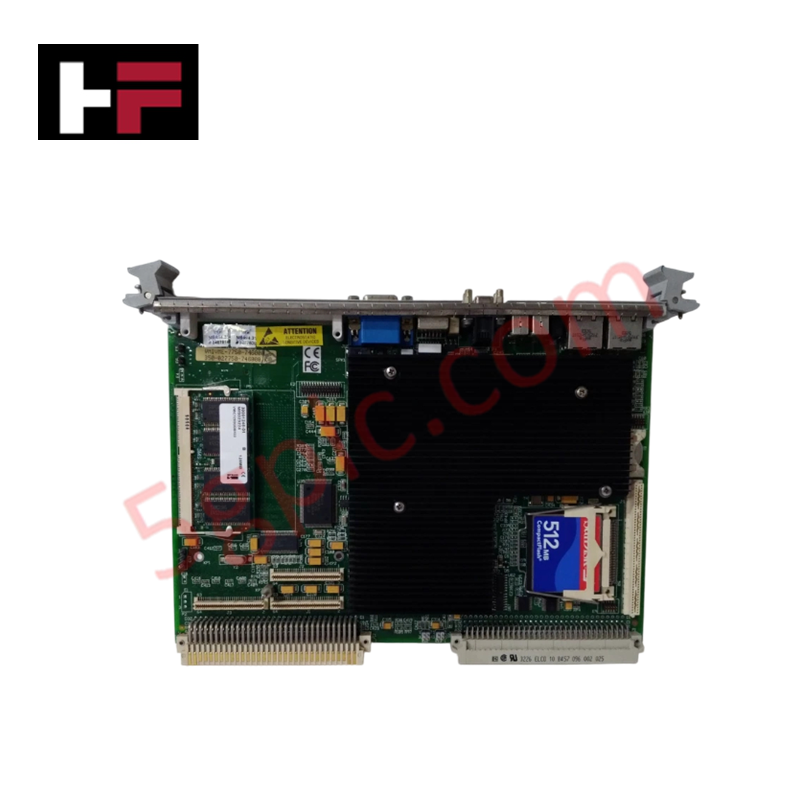
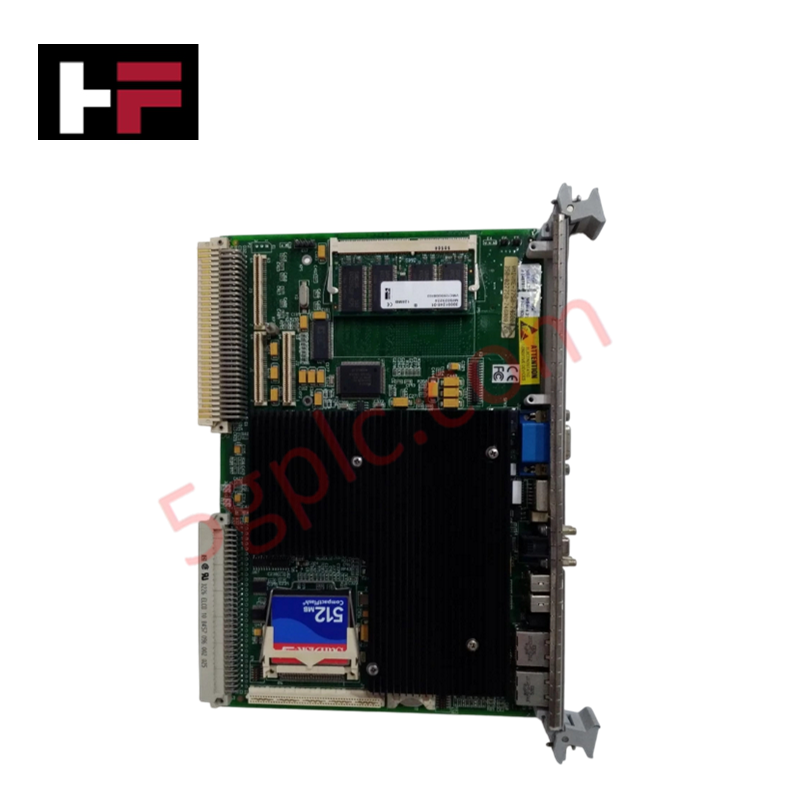
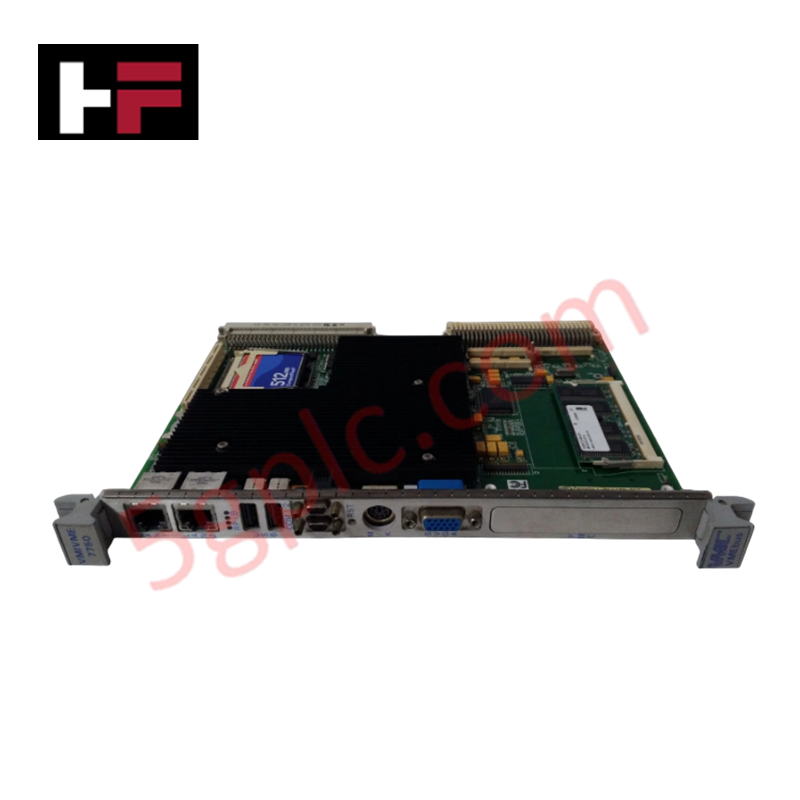
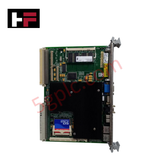
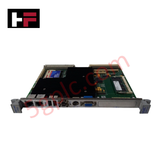
Configured for high-performance computing in VMEbus-based industrial control systems, the GE Fanuc VMIVME-7750-746000 (VMIVME-7750 CPU Module) provides direct physical/electrical execution of processing tasks via a Pentium III architecture and integrated peripheral management.
Hardware Specifications
| Parameter | Specification |
|---|---|
| Model | VMIVME-7750-746000 |
| Brand | GE Fanuc |
| Dimensions | Single slot VMEbus |
| Operating Temp | Standard industrial ambient |
| Processor | Up to 1.26 GHz Pentium III |
| RAM | Up to 512 MB PC133 SDRAM |
| Storage Interface | CompactFlash support up to 1 GB |
| Network | Dual 10BaseT / 100BaseTX Ethernet |
Industrial Control Deterministic Network
The VMIVME-7750-746000 serves as a single-board computer within the VME ecosystem, utilizing the Intel 815E chipset to manage a 133 MHz system bus. To maintain deterministic operation in control loops, the module's backplane bus communication velocity must be configured to synchronize with the VME backplane master. Firmware flash compatibility is governed by the onboard BIOS and hardware revision; users must ensure that peripheral drivers, specifically for the internal AGP SVGA controller and dual Ethernet interfaces, are validated against the host control software to prevent interrupt latency during runtime operations. I/O density scaling and PMC expansion site usage should be managed to avoid bus contention on the VME backplane.
Frequently Asked Questions
Q: Does the VMIVME-7750 support hot-swapping within an active VME rack?
A: No. The VMIVME-7750-746000 is not designed for hot-swapping. The VME chassis must be de-energized prior to insertion or extraction to prevent damage to the backplane pins and the module's power supply input stages.
Q: Are there specific constraints regarding the 512 MB SDRAM SODIMM installation?
A: The module supports PC133 SDRAM in a single SODIMM configuration. Ensure that the module is fully seated in the socket and the retaining clips are engaged to prevent memory read/write errors caused by vibration or thermal expansion in the industrial cabinet.
Field Installation Guidelines
- VME Backplane Seating: Verify that the VME slot is free of debris. Slide the module along the card guides until the connectors make firm contact with the backplane. Use the extraction levers to secure the module into the fully locked position.
- Network Cabling: Ensure Ethernet cables are shielded and properly grounded at the cabinet entry point to prevent electromagnetic interference (EMI) from disrupting the dual 10/100BaseTX data streams.
- PMC Expansion: If a PMC card is installed, ensure that mechanical standoffs are used to maintain structural stability. Verify that the PMC power requirements do not exceed the VME module's local power distribution capacity.
- Thermal Management: Ensure adequate airflow across the module. While the unit is designed for industrial environments, blocked ventilation will lead to thermal throttling of the Pentium III processor, potentially causing unpredictable timing variations in control software.
Additional Information
- 100% Genuine Parts: All products are original and authentic, ensuring reliable industrial performance.
- 30-Day Refund Guarantee: Return any in-stock item within 30 days in original, unopened packaging for a full refund (excluding shipping and fees).
- 12-Month Warranty: Covers defects in materials or workmanship; excludes misuse, normal wear, or unauthorized modifications.
- Worldwide Shipping: We ship via USPS, UPS, FedEx, and DHL. Delivery times vary by country and may be subject to customs or import fees.
- Support & Contact: Technical and warranty assistance is available anytime. Contact us here: Contact.
- Purchase Guidance: Check product specifications and compatibility carefully before ordering to ensure proper application.


Tech & Buying Guide

Demystifying the DDE Protocol in Legacy Industrial Automation Systems
Modern control systems rely heavily on seamless interprocess communication to exchange operational data between software programs. Microsoft first introduced the Dynamic Data Exchange (DDE) protocol in 1987 to enable real-time data sharing. In factory automation, DDE served as an early bridge between control software and Windows desktop applications. Therefore, understanding DDE mechanics provides crucial insights into how legacy industrial networks established software-level connectivity.

Demystifying CPU Communication Ports in Siemens PLC Architectures
Industrial automation relies heavily on robust data exchange between devices. Without seamless connectivity, field instruments, network switches, human-machine interfaces, and programmable logic controllers cannot coordinate effectively. Therefore, understanding the various CPU communication ports available in Siemens hardware ensures efficient factory automation design and seamless system integration.

Mastering the Siemens PLC Scan Cycle: How the CPU Executes Automation Programs
Industrial automation relies heavily on programmable logic controllers (PLCs) to manage complex manufacturing processes. Many engineers dive straight into programming without mastering the underlying architecture. However, understanding how a PLC CPU executes a program ensures reliable system design. Therefore, mastering the scan cycle optimizes both performance and troubleshooting in modern control systems.