












Product Details
Product Overview
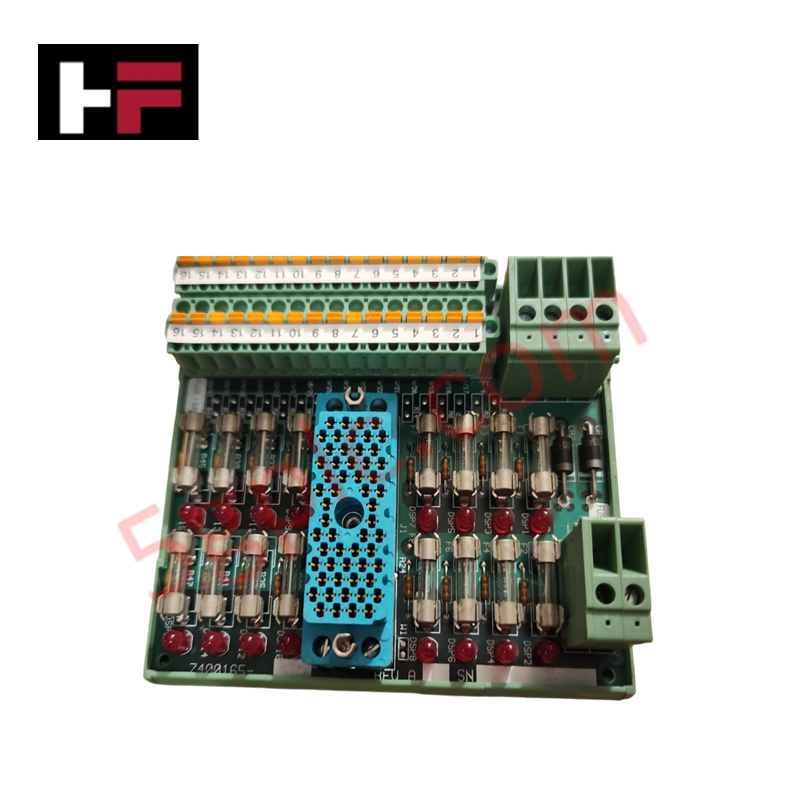
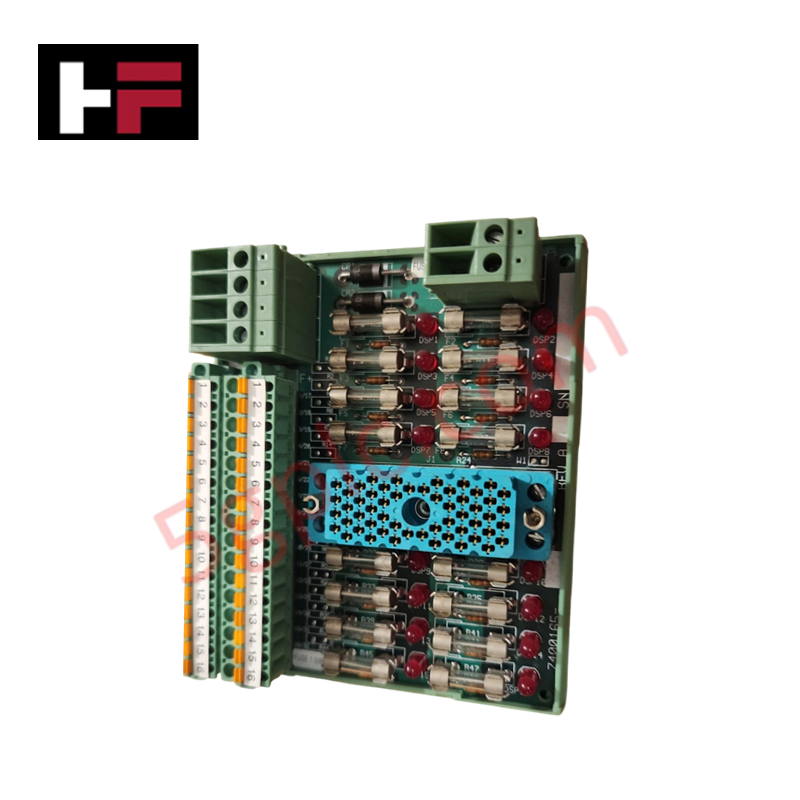
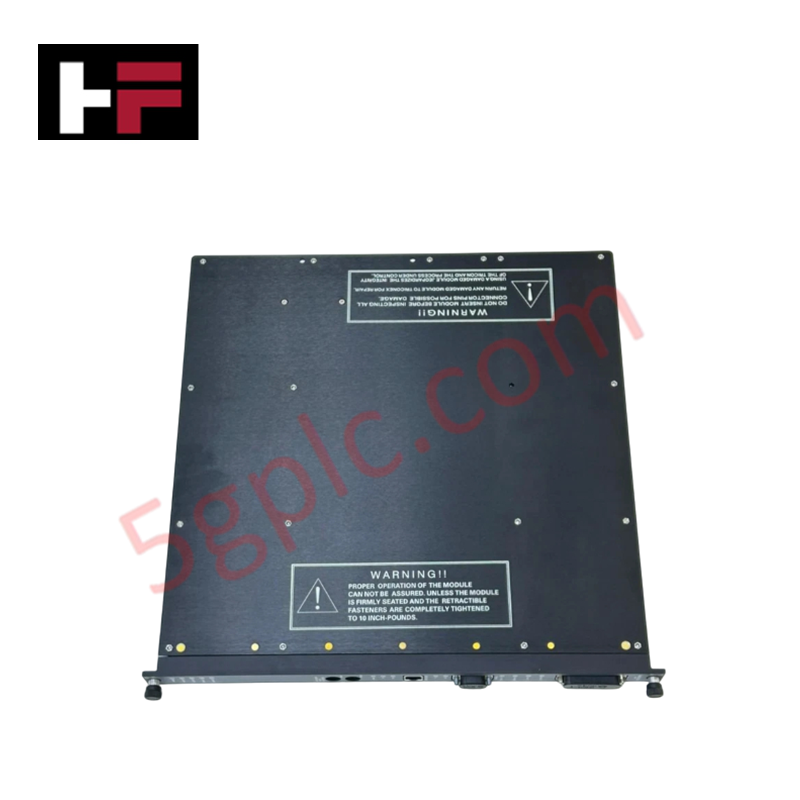
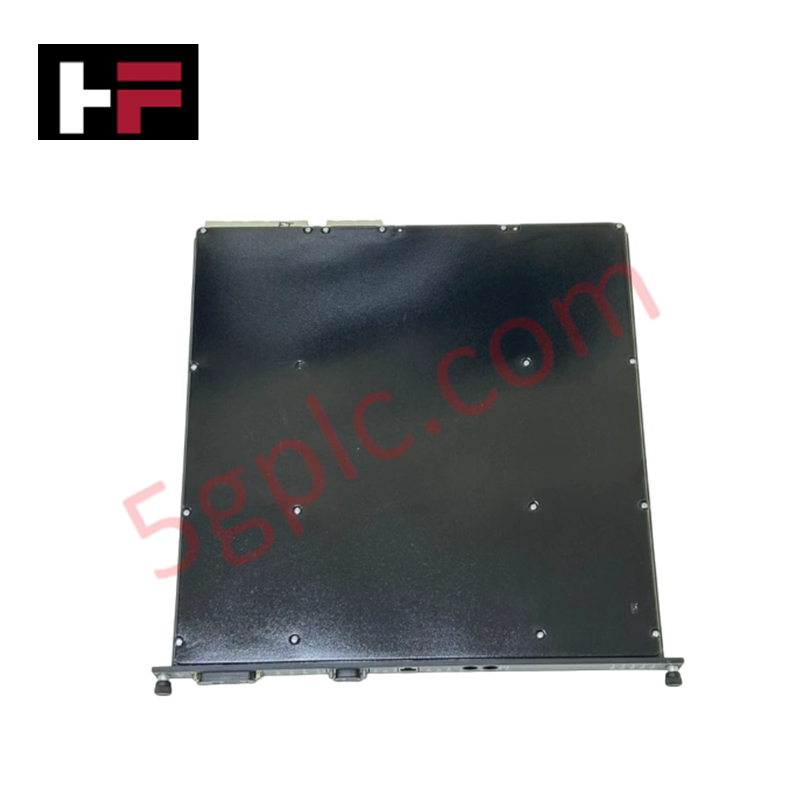
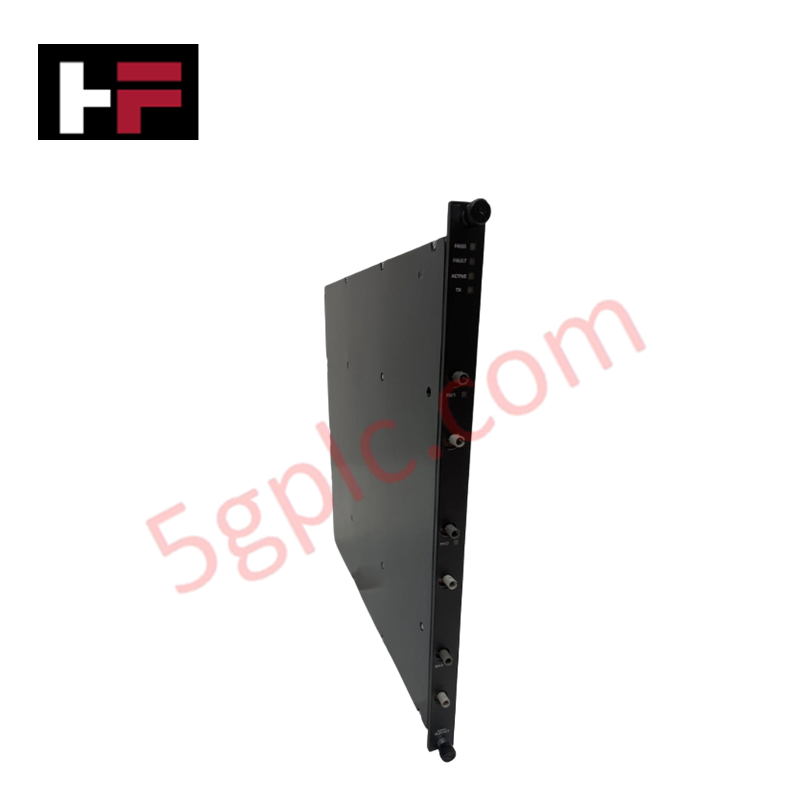
The Triconex 4201 Remote Extender Module (RXM) extends the Tricon I/O bus across long distances, allowing users to position I/O chassis up to 2 kilometers away from the main controller. This 100% brand new, original module acts as both a repeater and a galvanic isolator. It facilitates Triple Modular Redundancy (TMR) by operating in sets of three identical modules, ensuring that remote data transmission maintains the same safety integrity as local I/O.
Technical Specifications
The 4201 RXM utilizes high-bandwidth fiber optic technology to bridge remote chassis without signal degradation.
| Feature | Specification |
| Manufacturer | Triconex (Schneider Electric) |
| Model Number | 4201 |
| Module Type | Remote Extender Module (RXM) |
| Cable Type | Multi-mode Fiber Optic |
| Maximum Distance | 1.2 miles (2 kilometers) |
| Connector Interface | 6 Fiber Optic Ports with ST Connectors |
| Power Consumption | 30 W Maximum |
| Operating Temperature | -40°C to +70°C |
| Input Voltage Range | 18V to 30V DC (24V DC Nominal) |
| Weight | 6.8 kg (15 lbs) |
| Condition | 100% Brand New Original |
Engineering Advantages
The Triconex 4201 resolves complex distributed control challenges in large-scale industrial facilities:
-
Elimination of Ground Loops: By utilizing fiber optic cabling instead of copper, the 4201 provides total electrical isolation between the main chassis and remote locations. This prevents ground loop currents and protects the system from lightning-induced surges.
-
Extended Facility Reach: The 2km distance limit enables the central control room to manage I/O located in remote tank farms, offshore platforms, or satellite substations without requiring additional localized processors.
-
TMR Continuity: Each RXM set maintains the Triconex voting architecture. The modules synchronize data across three independent fiber paths, ensuring that a single cable break or transceiver failure does not interrupt the process.
-
Ruggedized Resilience: A wide operating temperature range (-40°C to +70°C) allows installation in unconditioned remote cabinets, surviving both arctic cold and desert heat.
FAQs
-
Does this 4201 module come with original factory certification?
Yes. We supply the 4201 in 100% brand new condition, complete with original manufacturer packaging, serial numbers, and quality assurance documentation for full traceability.
-
How many fiber cables does a standard RXM link require?
A standard TMR link requires three pairs of fiber cables (six individual fibers) to connect a primary RXM set to a remote RXM set. The 4201 features six ST connectors to accommodate these redundant communication paths.
-
Can I mix the 4201 with other RXM models?
Triconex requires identical modules within an RXM set (three of the same model). When linking a primary chassis to a remote chassis, ensure both ends use compatible RXM hardware and multi-mode fiber to prevent synchronization errors.
-
What are the primary installation requirements for the ST connectors?
Inspect and clean all fiber optic ST tips before insertion. Ensure the cable bend radius does not exceed manufacturer limits to prevent signal attenuation over the 2km span.
Additional Information
- 100% Genuine Parts: All products are original and authentic, ensuring reliable industrial performance.
- 30-Day Refund Guarantee: Return any in-stock item within 30 days in original, unopened packaging for a full refund (excluding shipping and fees).
- 12-Month Warranty: Covers defects in materials or workmanship; excludes misuse, normal wear, or unauthorized modifications.
- Worldwide Shipping: We ship via USPS, UPS, FedEx, and DHL. Delivery times vary by country and may be subject to customs or import fees.
- Support & Contact: Technical and warranty assistance is available anytime. Contact us here: Contact.
- Purchase Guidance: Check product specifications and compatibility carefully before ordering to ensure proper application.



Tech & Buying Guide

Understanding VFD Mechanical Brake Logic and Control in Industrial Automation
Variable Frequency Drives (VFDs) play a crucial role in modern industrial automation by controlling motor speed, torque, and acceleration. However, high-inertia loads and vertical lifting systems require precise mechanical braking logic to ensure operational safety and prevent equipment damage.

Why Programmable Logic Controllers Drop into Stop Mode: An Expert Analysis
Industrial automation systems rely heavily on Programmable Logic Controllers (PLCs) to maintain uninterrupted production. When a PLC unexpectedly shifts from Run to Stop mode, whole manufacturing lines stall.
As control systems evolve across modern factory automation, understanding the root causes of these interruptions helps engineers minimize costly downtime. This technical guide breaks down why PLCs trip into Stop mode and provides practical strategies to mitigate system faults.

Understanding Root Causes of Unplanned PLC Stop Mode in Industrial Automation
Modern Programmable Logic Controllers manage execution through distinct operational states: Run, Stop, Start-Up, and Hold. During power-up, a controller initializes memory registers within Stop mode before briefly transitioning to Start-Up mode. During this phase, internal self-diagnostics evaluate system integrity across hardware and user programs. If the controller detects no critical faults, it enters Run mode to execute the control program continuously. However, any severe system anomaly forces the CPU back into Stop mode immediately to prevent erratic machine behavior across the plant floor.