










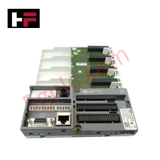
Product Details
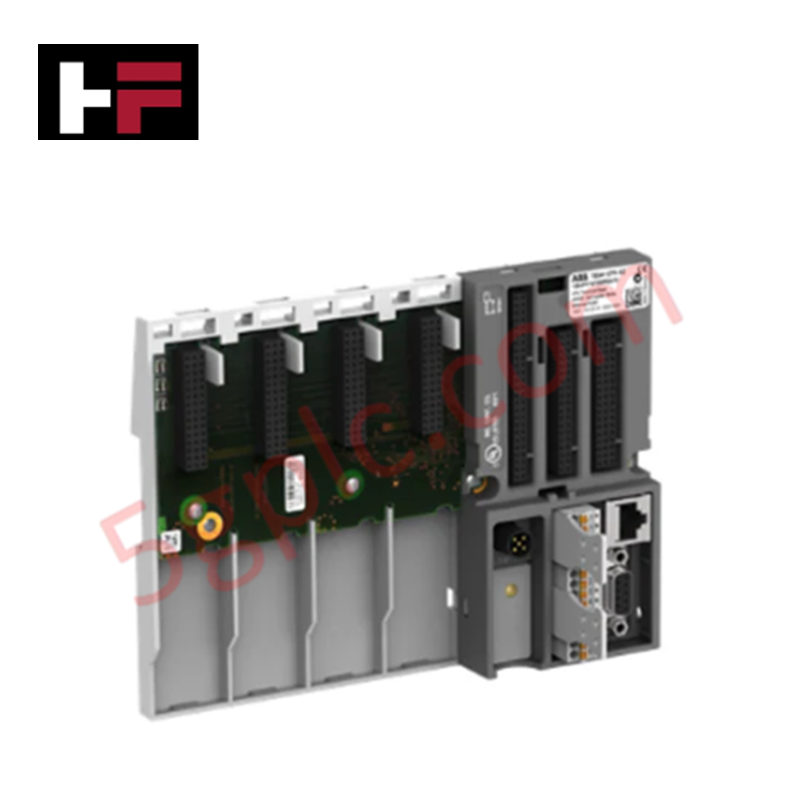
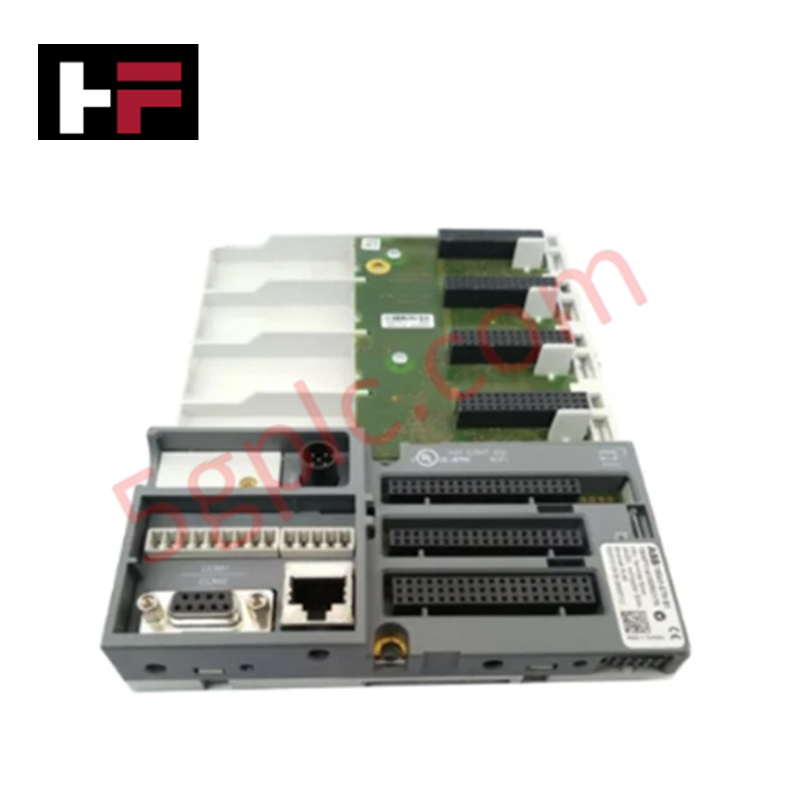
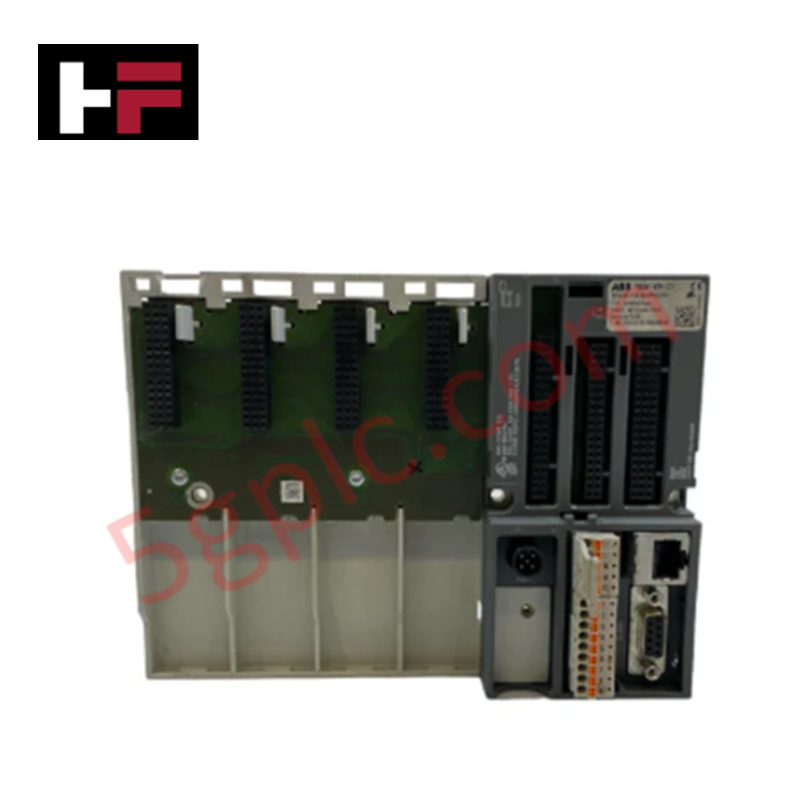
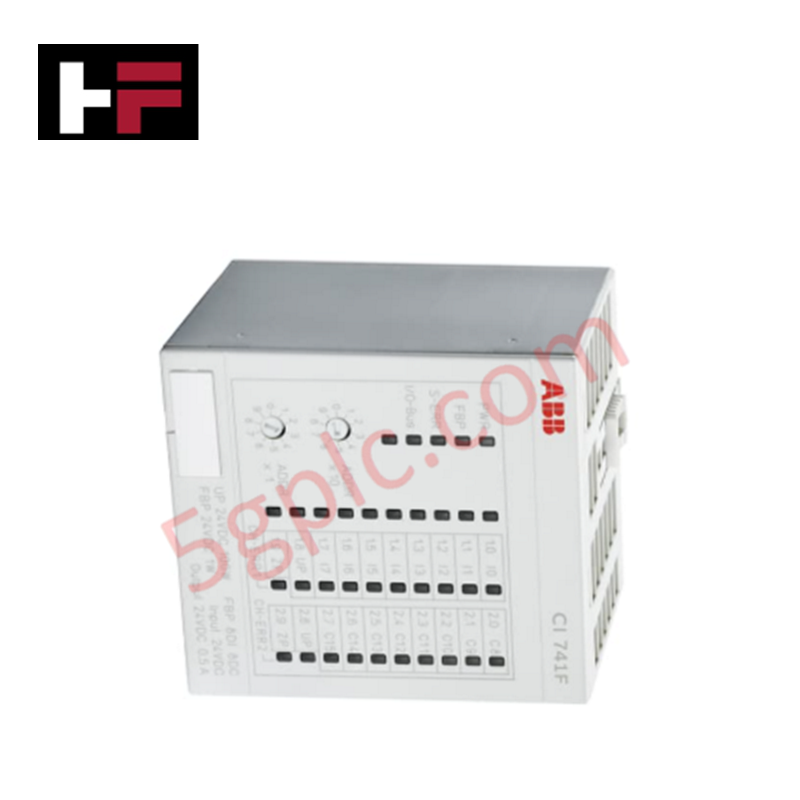
Configured for communication expansion and communication infrastructure interfacing in industrial master controller networks, the ABB TB541-ETH 3ABD10058695 (ABB TB541-ETH AC500 Terminal Base) provides direct physical/electrical execution.
Hardware Specifications
| Parameter | Specification |
|---|---|
| Model | TB541-ETH 3ABD10058695 |
| Brand | ABB |
| Origin | China |
| Weight | 0.24 kg net (0.311 kg gross) |
| Dimensions | 175.5 mm x 135 mm x 28 mm (W x H x D) |
| Operating Temp | 0 to 60 deg C |
| Power Consumption | Integrated logic bus distributed |
| Product Type | PLC-AC500 Base Plate |
| Extension Capacity | 4 slots for communication modules |
| Integrated Interfaces | 1 x Ethernet interface, 2 x serial interfaces (RS232/RS485) |
| Platform Compatibility | AC500 V2 controller series |
| Customs Tariff Number | 85044040 |
Deterministic Network Routing and Firmware Flash Compatibility
The ABB TB541-ETH 3ABD10058695 forms the foundational routing matrix that supports high-speed backplane bus communication velocity across standard AC500 V2 expansion setups. By incorporating an onboard Ethernet channel along with twin RS232/RS485 serial ports, the card structure executes simultaneous data transport from legacy serial field lines to modern Profinet / EtherNet/IP deterministic networks. This module handles rapid I/O density scaling routines across its four integrated option slots while maintaining strict hardware signal balancing, guaranteeing stable firmware flash compatibility across all hot-slotted master processors and industrial network couplers.
Frequently Asked Questions
Q: What are the guidelines regarding inserting or extracting add-on modules into the four expansion slots while under power?
A: To prevent data packet loss or damage to internal logic pins, the terminal base must be completely de-energized before mounting or unmounting option modules or the central processor unit.
Q: How is the choice between the RS232 and RS485 communication modes configured on the dual serial interfaces?
A: The configuration is governed directly through the matching engineering software environment. It establishes structural network parameters and physical pinouts on the hardware interface without manual jumper modifications on the baseplate.
Field Installation Guidelines
- Mount the terminal base securely on a standard symmetric 35 mm DIN rail inside a protective industrial panel to minimize physical vibrations.
- Ensure proper grounding by checking that the integrated DIN rail contact clips are clean and firmly engaged with a properly earthed steel rail system.
- Keep standard physical isolation distances between low-voltage RS232/RS485 cables, Ethernet communication lines, and parallel high-power electrical paths.
- Verify all internal option module plug connections are fully seated and latched into the four dedicated slots before applying the primary 24 VDC system power.
Additional Information
- 100% Genuine Parts: All products are original and authentic, ensuring reliable industrial performance.
- 30-Day Refund Guarantee: Return any in-stock item within 30 days in original, unopened packaging for a full refund (excluding shipping and fees).
- 12-Month Warranty: Covers defects in materials or workmanship; excludes misuse, normal wear, or unauthorized modifications.
- Worldwide Shipping: We ship via USPS, UPS, FedEx, and DHL. Delivery times vary by country and may be subject to customs or import fees.
- Support & Contact: Technical and warranty assistance is available anytime. Contact us here: Contact.
- Purchase Guidance: Check product specifications and compatibility carefully before ordering to ensure proper application.






Tech & Buying Guide

Demystifying the DDE Protocol in Legacy Industrial Automation Systems
Modern control systems rely heavily on seamless interprocess communication to exchange operational data between software programs. Microsoft first introduced the Dynamic Data Exchange (DDE) protocol in 1987 to enable real-time data sharing. In factory automation, DDE served as an early bridge between control software and Windows desktop applications. Therefore, understanding DDE mechanics provides crucial insights into how legacy industrial networks established software-level connectivity.

Demystifying CPU Communication Ports in Siemens PLC Architectures
Industrial automation relies heavily on robust data exchange between devices. Without seamless connectivity, field instruments, network switches, human-machine interfaces, and programmable logic controllers cannot coordinate effectively. Therefore, understanding the various CPU communication ports available in Siemens hardware ensures efficient factory automation design and seamless system integration.

Mastering the Siemens PLC Scan Cycle: How the CPU Executes Automation Programs
Industrial automation relies heavily on programmable logic controllers (PLCs) to manage complex manufacturing processes. Many engineers dive straight into programming without mastering the underlying architecture. However, understanding how a PLC CPU executes a program ensures reliable system design. Therefore, mastering the scan cycle optimizes both performance and troubleshooting in modern control systems.