










Product Details
Product Overview
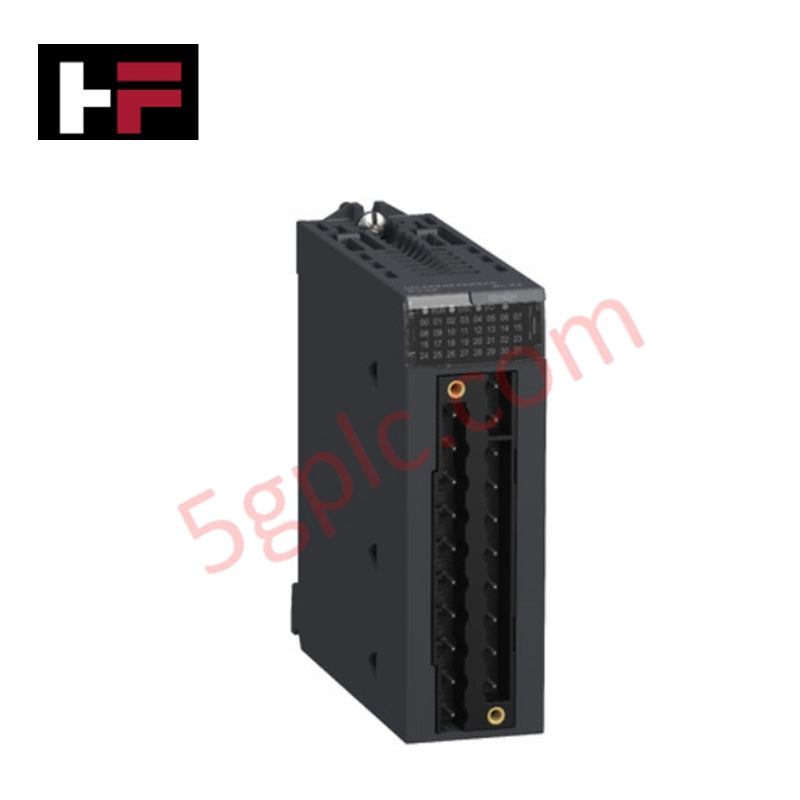
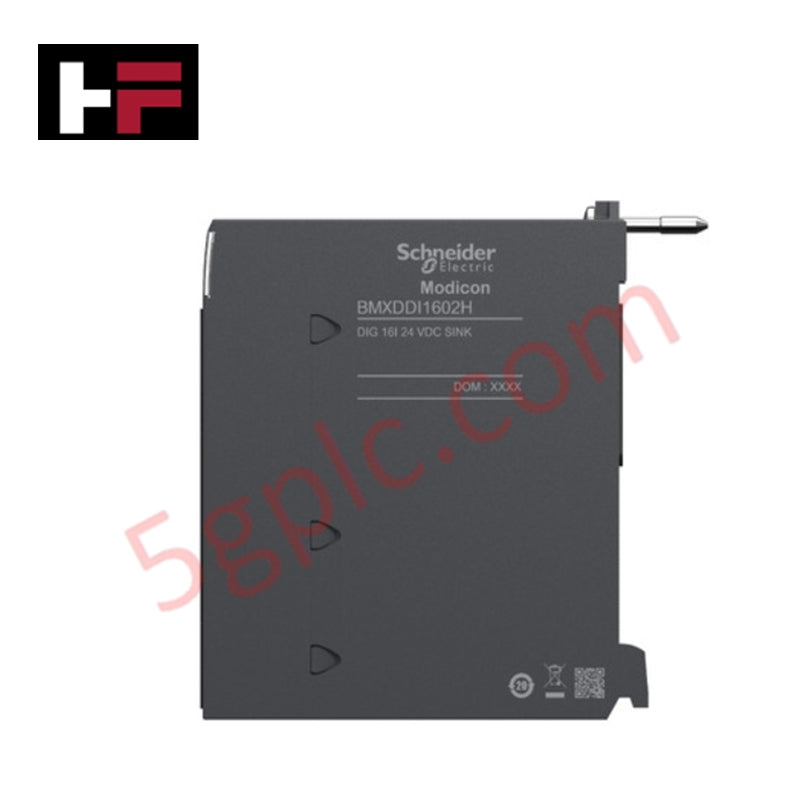
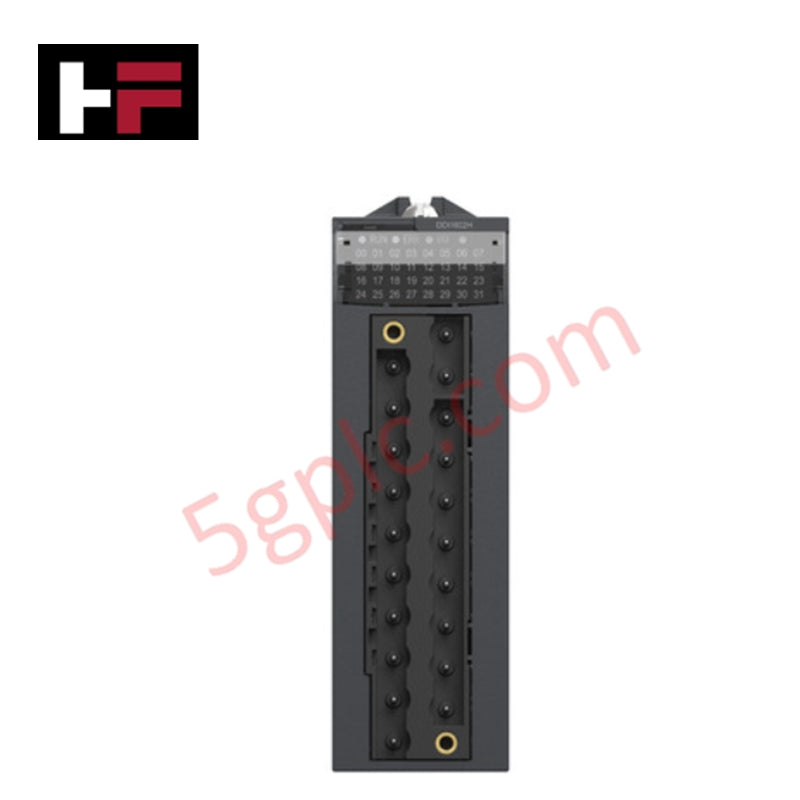
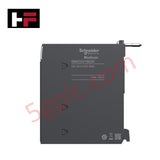
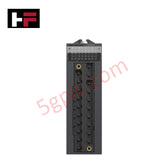
The Schneider Electric BMXDDI1602H interfaces physical field sensors with the Modicon X80 PAC platform within harsh industrial environments. This 16-channel isolated discrete input module captures binary state data from proximity switches, limit switches, pushbuttons, and photoelectric sensors. Operating on 24 V DC positive logic (sink configuration), the module processes critical field signals for heavy-duty applications, including oil and gas extraction sites, marine machinery, and water treatment infrastructure exposed to wide temperature swings.
Technical Specifications
| Parameter | Technical Specification Value |
| Manufacturer | Schneider Electric |
| Model | BMXDDI1602H |
| Range of Product | Modicon X80 |
| Product Type | Discrete Input Module (Severe Environment Version) |
| Condition | 100% Brand New Original |
| Number of Inputs | 16 isolated channels |
| Nominal Input Voltage | 24 V DC |
| Discrete Input Logic | Positive logic (Sink configuration) |
| Standard Compliance |
IEC 60947-5-2 IEC 61131-2 Type 3 |
| Input Wiring Topology | 2-wire or 3-wire sensor interfaces |
| Discrete Input Current | 3.5 mA at 24 V DC |
| Input Impedance | 6800 Ohm |
| State 1 (True) Thresholds |
Voltage >= 11 V Current >= 2 mA |
| State 0 (False) Thresholds |
Voltage < 5 V Current <= 1.5 mA |
| Response Time Performance |
Typical: 4 ms Maximum: 7 ms |
| Permissible Sensor Supply |
19…30 V DC up to 60 °C 21.1…26.4 V DC up to 70 °C |
| Isolation Barrier Rating | 1500 V between channels and bus for 1 minute |
| Mean Time Between Failures | 775,000 Hours (MTBF) |
| Module Dimensions (W x H x D) | 1.3 x 4.08 x 3.4 in (32 x 103.7 x 86 mm) |
| Product Net Weight | 0.254 lb (0.115 kg) |
Engineering Advantages
-
Severe Environment Thermal Tolerance: Standard commercial I/O modules fail when control cabinets encounter solar radiation or unventilated industrial heat. The BMXDDI1602H features hardened internal electronics that run continuously up to 70 °C. The module automatically matches tightening voltage tolerances from 19–30 V DC at 60 °C down to 21.1–26.4 V DC at 70 °C to sustain reliable logic processing without thermal degradation.
-
IEC Type 3 High-Impedance Noise Immunity: Long, unshielded field sensor runs pick up parasitic capacitive coupling and inductive noise from surrounding motor starters. By incorporating a precise 6800 Ohm input impedance conforming to IEC 61131-2 Type 3 standards, this module draws a clean 3.5 mA signal current. This design filters out leakage currents and ghost voltages, preventing false input triggers in high-EMI environments.
-
High-Potential Bus Galvanic Separation: High-voltage ground loops or lightning strikes on external field wiring can pass destructive surges back to central PAC processors. The BMXDDI1602H provides a robust 1500 V isolation barrier for 1 minute between the 16 input channels and the internal communication bus. This separation confines electrical faults strictly to the field terminal side.
-
Hot-Swapping Continuity with Safe Fallback: Process lines cannot tolerate complete rack power shutdowns during minor hardware changeouts. This module fully supports dynamic hot-swapping into active X80 backplanes. Integrated fallback logic automatically manages channel states during insertion and extraction, preventing upstream logic corruption or unexpected CPU halts.
-
Autonomous Sensor Loop Health Diagnostic: Pinpointing intermittent power failures across 16 separate instruments typically requires manual multimeter tracking. The BMXDDI1602H runs continuous onboard supervision, triggering a low-voltage sensor fault flag when supply drops below 14 V DC. The module clears the error and signals normal operational status only when field supply returns past 18 V DC.
FAQs
-
Is this BMXDDI1602H module a 100% brand new item?
Yes. We supply this module strictly as a 100% brand new, original factory-sealed unit. It ships in the original Schneider Electric industrial packaging, preserving all factory serial numbers, hardware revision tracking bar codes, and anti-static wraps intact.
-
What does the "H" suffix signify in this specific part number?
The "H" suffix designates the specialized "Harsh" or severe environment treatment. Schneider Electric applies advanced protective coatings and utilizes ruggedized internal components, allowing this module to resist corrosion, extreme vibration, and elevated temperatures that would degrade a standard BMXDDI1602 card.
-
Can I wire both 2-wire proximity sensors and standard 3-wire switches to this unit?
Yes. The input channels accommodate both 2-wire and 3-wire field connection modes. The module supplies positive logic sink processing, drawing current from field-powered sensors or common 24 V DC positive supply rails back into the input points.
-
How does the module signal channel states and field wiring faults to operators?
The front face includes a comprehensive LED diagnostic array. A green RUN LED indicates active module backplane processing, while a red ERR LED highlights internal hardware exceptions. Additionally, a red I/O fault LED illuminates when sensor line voltages cross below the 14 V DC threshold, and 16 individual green LEDs map the live digital state of each channel.
Additional Information
- 100% Genuine Parts: All products are original and authentic, ensuring reliable industrial performance.
- 30-Day Refund Guarantee: Return any in-stock item within 30 days in original, unopened packaging for a full refund (excluding shipping and fees).
- 12-Month Warranty: Covers defects in materials or workmanship; excludes misuse, normal wear, or unauthorized modifications.
- Worldwide Shipping: We ship via USPS, UPS, FedEx, and DHL. Delivery times vary by country and may be subject to customs or import fees.
- Support & Contact: Technical and warranty assistance is available anytime. Contact us here: Contact.
- Purchase Guidance: Check product specifications and compatibility carefully before ordering to ensure proper application.


Tech & Buying Guide

Comprehensive Guide to PLC Types in Modern Industrial Automation
Modern industrial automation relies on programmable logic controllers to govern critical factory operations. System integrators classify PLCs based on scale, hardware architecture, and power supply design. Understanding these core categories enables automation engineers to select the right control system architecture. Consequently, proper hardware selection optimizes performance while minimizing long-term operational costs.

Demystifying the DDE Protocol in Legacy Industrial Automation Systems
Modern control systems rely heavily on seamless interprocess communication to exchange operational data between software programs. Microsoft first introduced the Dynamic Data Exchange (DDE) protocol in 1987 to enable real-time data sharing. In factory automation, DDE served as an early bridge between control software and Windows desktop applications. Therefore, understanding DDE mechanics provides crucial insights into how legacy industrial networks established software-level connectivity.

Demystifying CPU Communication Ports in Siemens PLC Architectures
Industrial automation relies heavily on robust data exchange between devices. Without seamless connectivity, field instruments, network switches, human-machine interfaces, and programmable logic controllers cannot coordinate effectively. Therefore, understanding the various CPU communication ports available in Siemens hardware ensures efficient factory automation design and seamless system integration.