











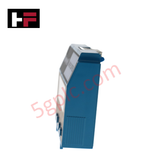
Product Details
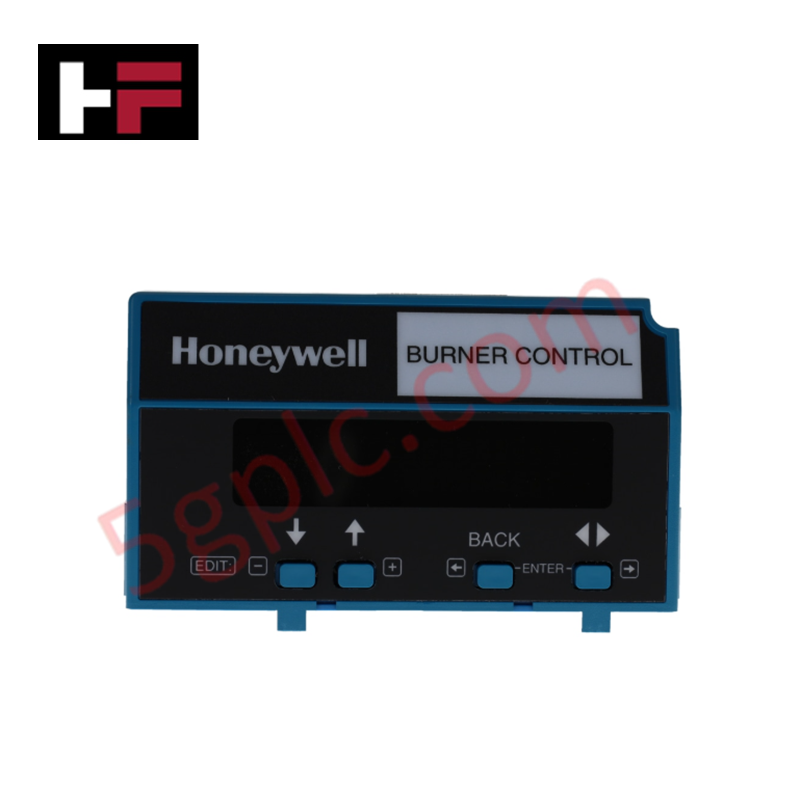
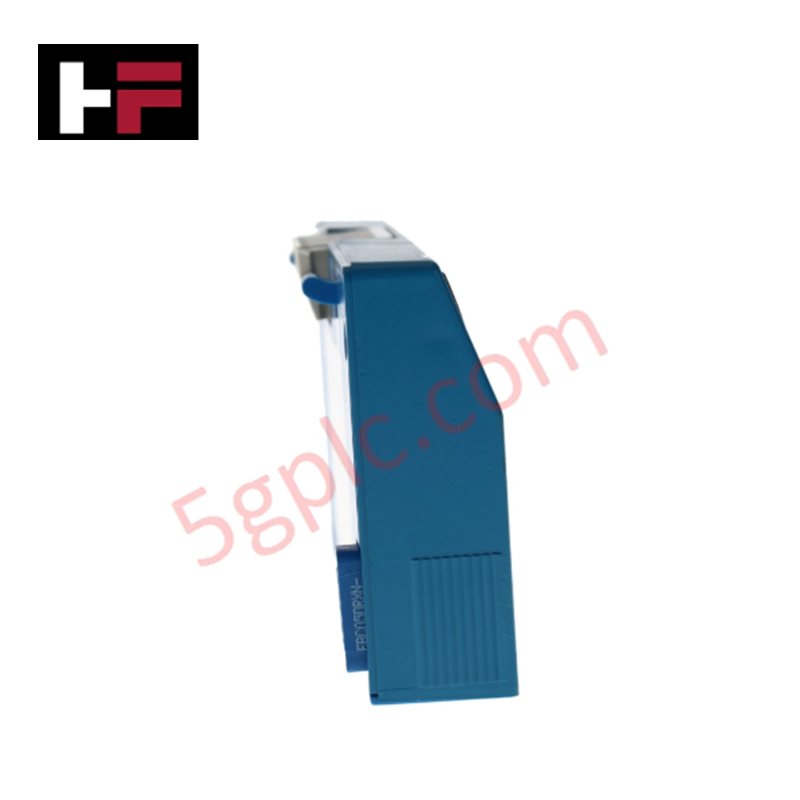
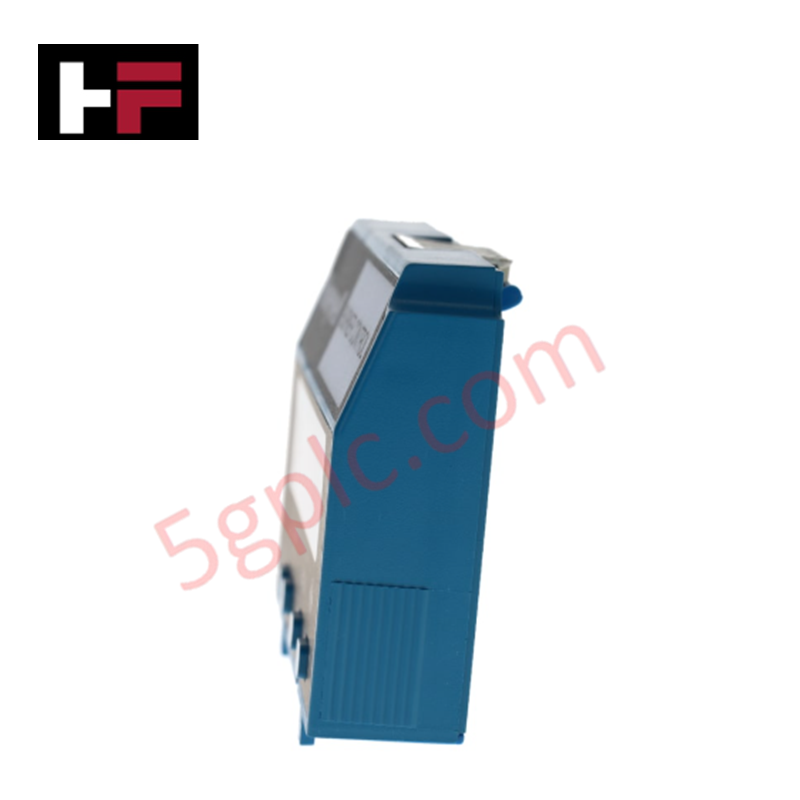
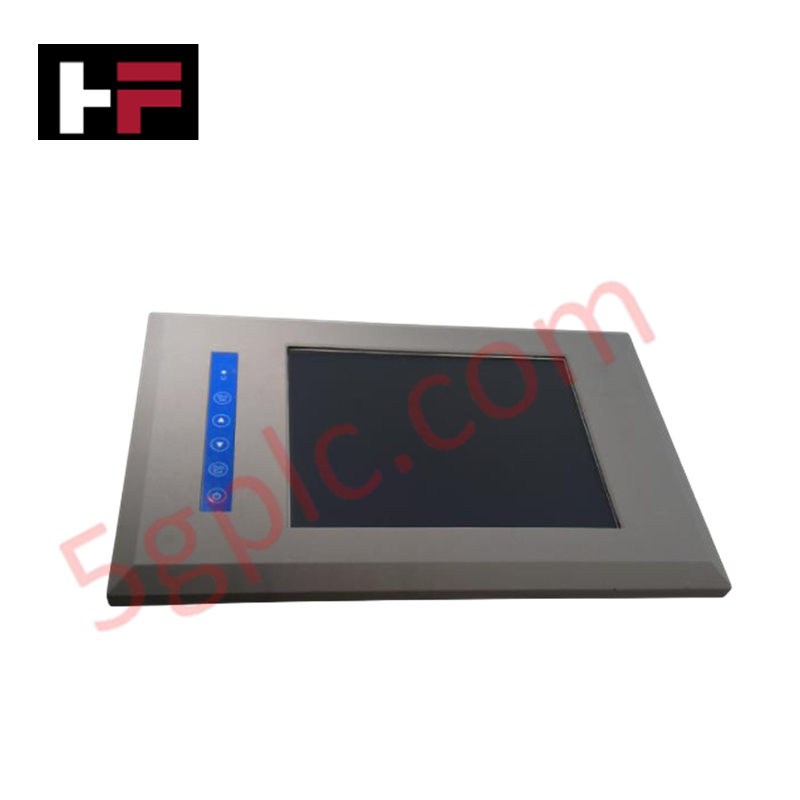
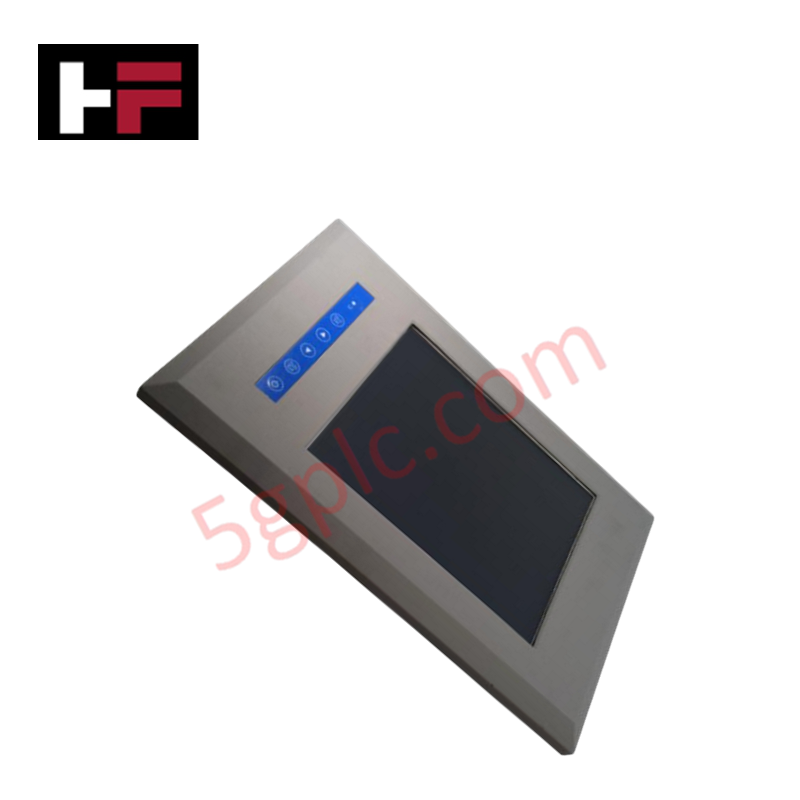
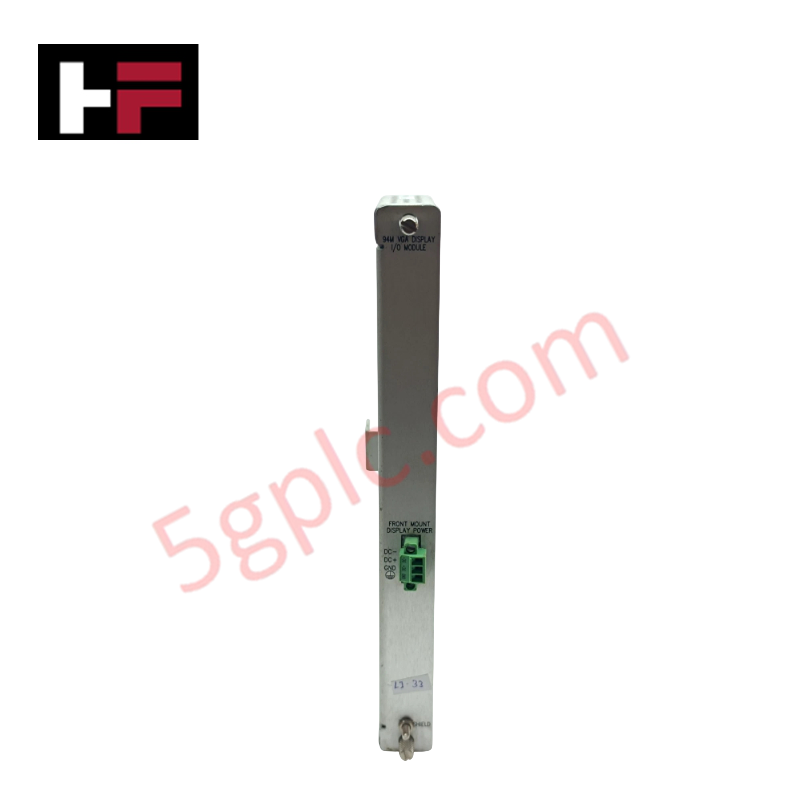
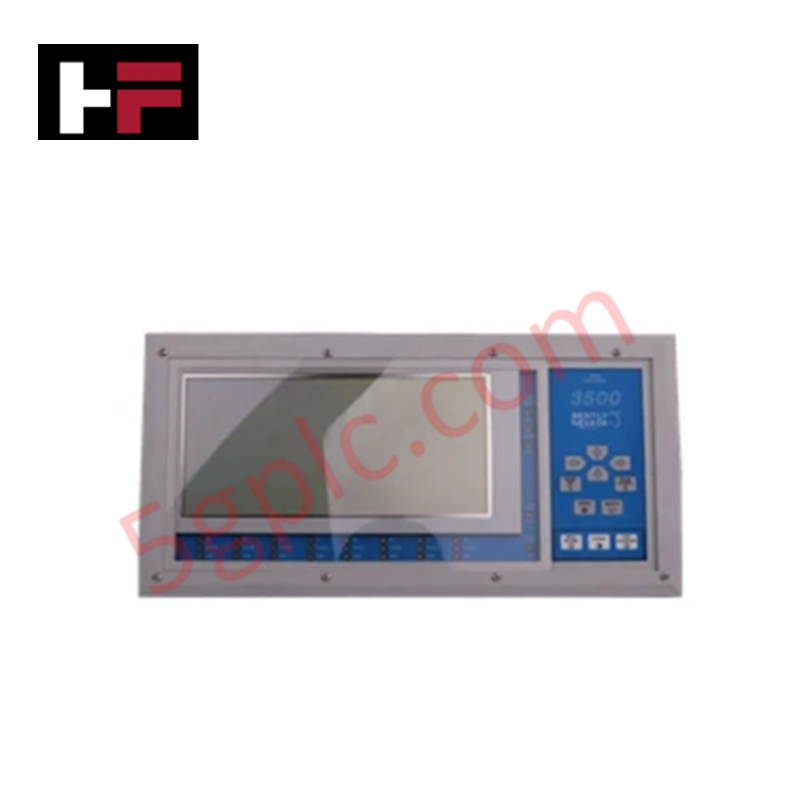
The Honeywell S7800A1001, also cataloged as the S7800A Keyboard Display Module, operates as a dedicated hardware component for diagnostic data readout and parameter configuration within Honeywell 7800 Series burner control platforms. Powered by a 13 VDC peak full-wave rectified supply from the burner control module, the unit receives dynamic status messages and fault history logs via local serial transmission. It translates internal control state registers into a 40-character English language display, providing real-time optical feedback on sequence timing, flame signal voltage, and system hold conditions.
Hardware Specifications
| Parameter | Specification |
|---|---|
| Model | S7800A1001 |
| Brand | Honeywell |
| Origin | USA |
| Weight | 0.14 kg (0.30 lbs) |
| Dimensions | Standard 7800 Series flush-mount housing |
| Operating Temp | -40 to +60 deg C |
| Power Consumption | 7 W / 2 VA (13 VDC peak full-wave rectified) |
| Display Capacity | 40 characters (2 lines x 20 characters) |
| Display Language | English |
| Replacement Model | S7800A2142 |
4-20 mA HART Loop Protocol Coexistence & Cold Junction Compensation
The S7800A1001 incorporates high-density CMOS logic circuits and optically isolated communication lines designed to operate in severe electrical noise environments. When deployed alongside process instrumentation utilizing 4-20 mA HART loop protocol signaling or cold junction compensation (CJC) thermocouple circuits, internal high-frequency filtering prevents display flicker and data corruption caused by adjacent electromagnetic fields. The display circuitry maintains steady-state current draw across the 13 VDC supply rail, shielding internal microprocessors from voltage transients generated by main burner ignition transformers.
Frequently Asked Questions
Q: Can the S7800A1001 be hot-plugged directly into an energized 7800 Series relay module?
A: Yes, the module supports direct hot-plug insertion into the front card edge socket of an energized 7800 Series control module, as power and serial communication lines are current-limited at the main board connection interface.
Q: What power source drives the 40-character LCD backlight and logic processor?
A: The module derives its power directly from the host 7800 Series relay module via a 13 VDC peak full-wave rectified power bus, requiring no external secondary power supply connections.
Field Installation Guidelines
- Align the rear card edge plug of the module with the front receiving jack of the 7800 Series relay module or remote mounting bracket.
- Press the assembly straight into the socket until the side retaining clips snap securely into place to establish ground continuity.
- For remote cabinet door mounting, ensure the interconnecting ribbon cable is routed away from high-voltage ignition wiring and motor starters.
- Verify that the ambient operating temperature surrounding the display panel does not exceed +60 deg C to preserve LCD liquid crystal contrast response.
Additional Information
- 100% Genuine Parts: All products are original and authentic, ensuring reliable industrial performance.
- 30-Day Refund Guarantee: Return any in-stock item within 30 days in original, unopened packaging for a full refund (excluding shipping and fees).
- 12-Month Warranty: Covers defects in materials or workmanship; excludes misuse, normal wear, or unauthorized modifications.
- Worldwide Shipping: We ship via USPS, UPS, FedEx, and DHL. Delivery times vary by country and may be subject to customs or import fees.
- Support & Contact: Technical and warranty assistance is available anytime. Contact us here: Contact.
- Purchase Guidance: Check product specifications and compatibility carefully before ordering to ensure proper application.




Tech & Buying Guide

Comparing PID and Model Predictive Control (MPC) in Industrial Automation
Advanced process control strategies remain fundamental for maintaining optimal plant efficiency and product quality. Therefore, control engineers frequently evaluate whether a traditional Proportional-Integral-Derivative (PID) algorithm or a Model Predictive Control (MPC) strategy suits a given application. In my 15 years of commissioning distributed control systems (DCS) and factory automation networks, I have tuned thousands of PID loops while deploying complex MPC packages on multivariable distillation columns. Below, I break down the core operational differences between these two foundational control methodologies.
Mastering Time Synchronization in Industrial Automation Applications
Precise time synchronization remains vital for modern industrial automation, distributed control systems (DCS), and power protection networks. Therefore, control engineers must maintain uniform clocks across all controllers, human-machine interfaces (HMIs), and supervisory stations. In my 15 years of commissioning complex industrial automation projects, I have frequently investigated root-cause failures where misaligned timestamps obscured the true sequence of events. Below, I break down the core time synchronization protocols and methods essential for reliable factory automation.

Designing Robust SCADA Systems for Electrical Substation Automation
Electrical substation automation requires rigorous engineering standards to guarantee uninterrupted power distribution and grid stability. Therefore, control engineers must design supervisory control and data acquisition (SCADA) architectures with absolute precision. In my 15 years of commissioning power protection and substation automation systems, I have witnessed how meticulous SCADA design prevents catastrophic grid failures. Below, I outline the critical engineering practices required to build reliable substation SCADA solutions.