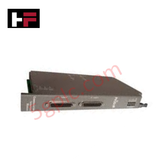
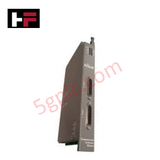
Product Details
Product Overview
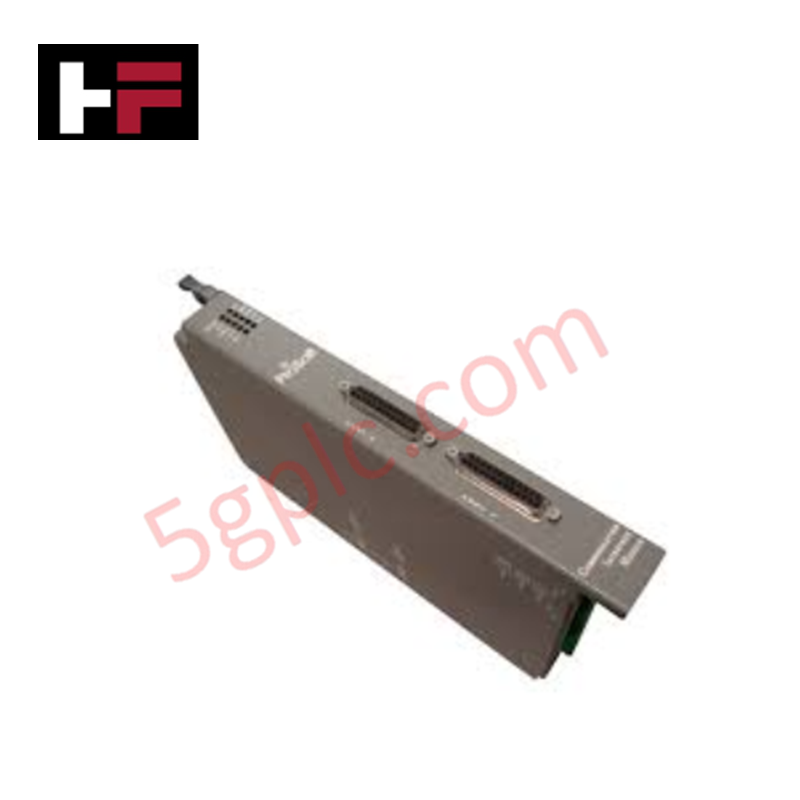
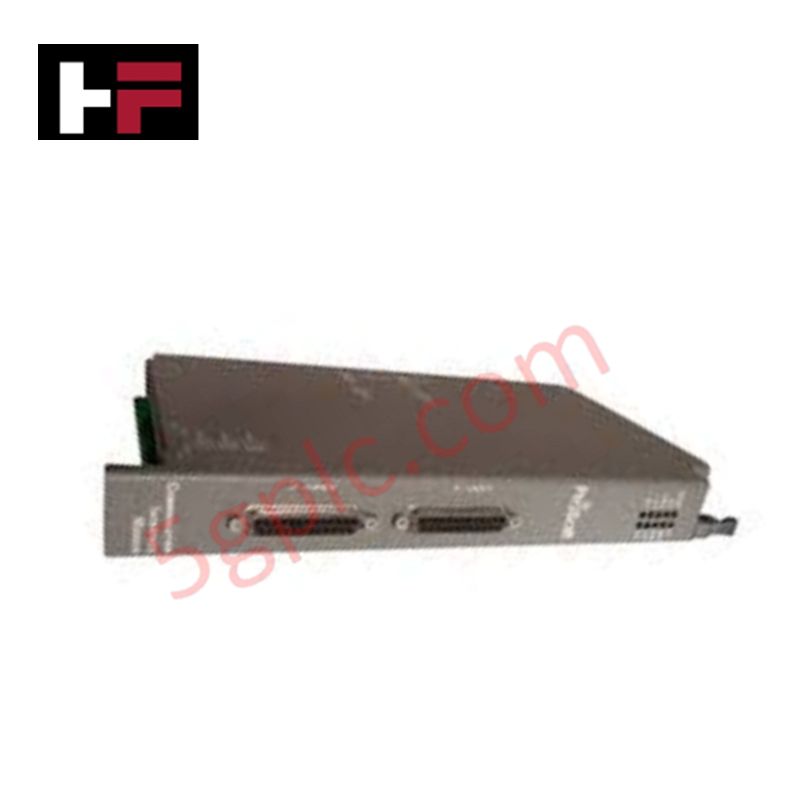
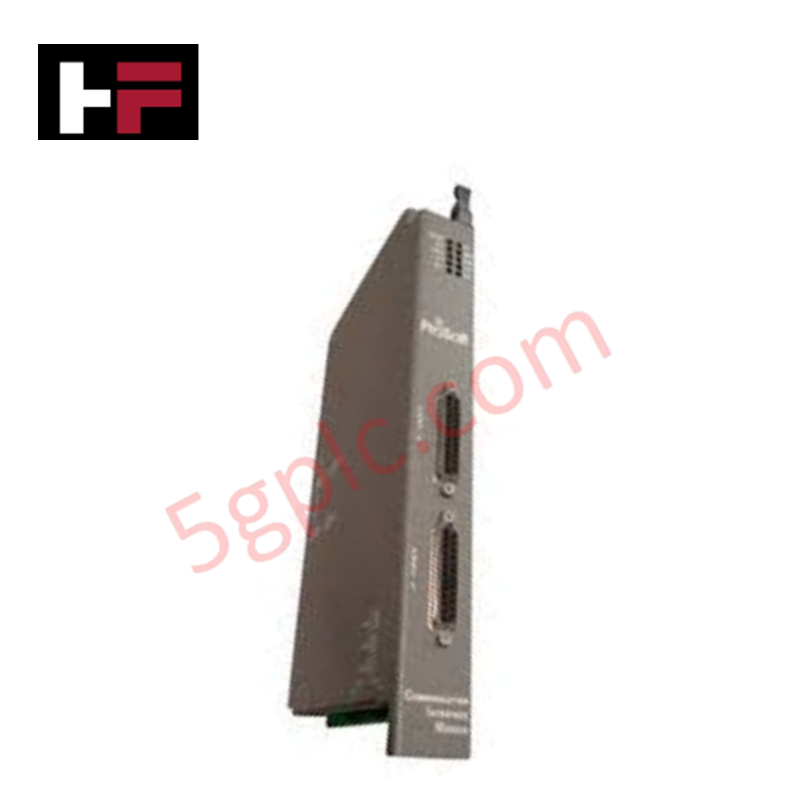
The ProSoft 3100-MCM functions as a high-performance communication gateway, enabling seamless data exchange between a host controller and Modbus RTU/ASCII compatible devices. This module features two independent ports, allowing for simultaneous multi-point networking. We supply this unit as 100% Brand New and factory-original, providing a critical solution for integrating modern field instruments with legacy Emerson or compatible PLC architectures.
Technical Specifications
The 3100-MCM utilizes a dual-port architecture to maximize network throughput and connectivity.
| Feature | Specification |
| Manufacturer | ProSoft Technology (Emerson Compatible) |
| Part Number | 3100-MCM |
| Module Type | Communication Interface |
| Protocol | Modbus RTU / Modbus ASCII |
| Ports | 2 Independent RS-232/422/485 Ports |
| Operational Modes | Modbus Master and/or Modbus Slave |
| Baud Rate | 110 to 115,200 bps |
| Backplane Power | Drawn from Chassis |
| Weight | 1.10 lbs (0.50 kg) |
Engineering Advantages
-
Versatile Master/Slave Configuration: Each port operates independently as either a Modbus Master or a Modbus Slave. This flexibility allows the 3100-MCM to collect data from remote sensors (Master mode) while simultaneously reporting that data to a SCADA system or HMI (Slave mode).
-
Protocol Bridging: The module bridges disparate industrial devices by supporting both Modbus RTU and ASCII formats. It converts complex register data into a format the host processor understands, eliminating the need for custom driver development.
-
Independent Port Isolation: The dual-port design ensures that a failure or signal noise on one network segment does not affect the other. This physical and logical separation maintains system uptime during localized wiring faults.
-
Simplified Parameter Mapping: The 3100-MCM utilizes a straightforward memory mapping technique. Engineers map Modbus registers directly to the host processor’s internal data files, which accelerates software commissioning and simplifies long-term maintenance.
FAQs
-
Can the 3100-MCM operate as a Master on Port 1 and a Slave on Port 2 simultaneously?
Yes. The module supports independent configuration for each port. You can designate Port 1 to poll downstream field devices (Master) while Port 2 provides data to an upstream supervisor system (Slave).
-
What cable lengths does the 3100-MCM support?
Cable length depends on the selected physical interface. RS-232 typically supports up to 50 feet (15 meters), while RS-485 configurations extend up to 4,000 feet (1,200 meters). Always use high-quality shielded twisted-pair cabling to minimize electromagnetic interference.
-
Does this module require external power?
The 3100-MCM draws its operating power directly from the PLC backplane. However, ensure your chassis power supply has sufficient headroom to accommodate the module's current draw along with your existing I/O cards.
-
Is this unit compatible with modern Emerson systems?
The 3100-MCM specifically supports the platform indicated in the original hardware specifications. As this is a Brand New original unit, it functions as a direct drop-in replacement for failed or obsolete modules, requiring no modifications to the existing physical rack.
Additional Information
- 100% Genuine Parts: All products are original and authentic, ensuring reliable industrial performance.
- 30-Day Refund Guarantee: Return any in-stock item within 30 days in original, unopened packaging for a full refund (excluding shipping and fees).
- 12-Month Warranty: Covers defects in materials or workmanship; excludes misuse, normal wear, or unauthorized modifications.
- Worldwide Shipping: We ship via USPS, UPS, FedEx, and DHL. Delivery times vary by country and may be subject to customs or import fees.
- Support & Contact: Technical and warranty assistance is available anytime. Contact us here: Contact.
- Purchase Guidance: Check product specifications and compatibility carefully before ordering to ensure proper application.




Tech & Buying Guide

Importance of Safety Barriers in PLC and DCS Control Systems

Static UPS vs. Rotary UPS: Technical Evaluation for Industrial Automation