Product Details
Product Overview
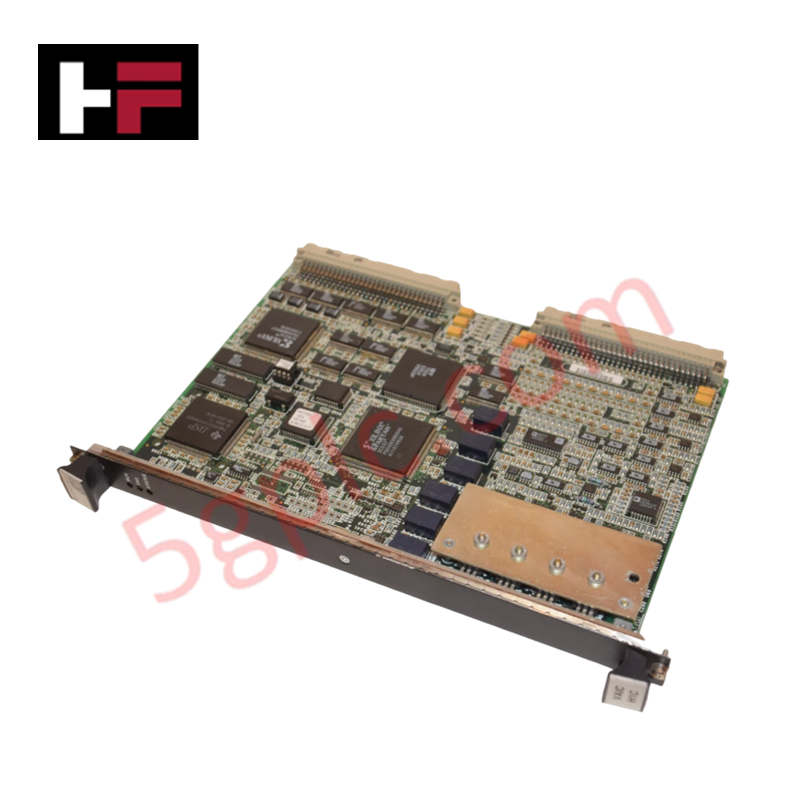
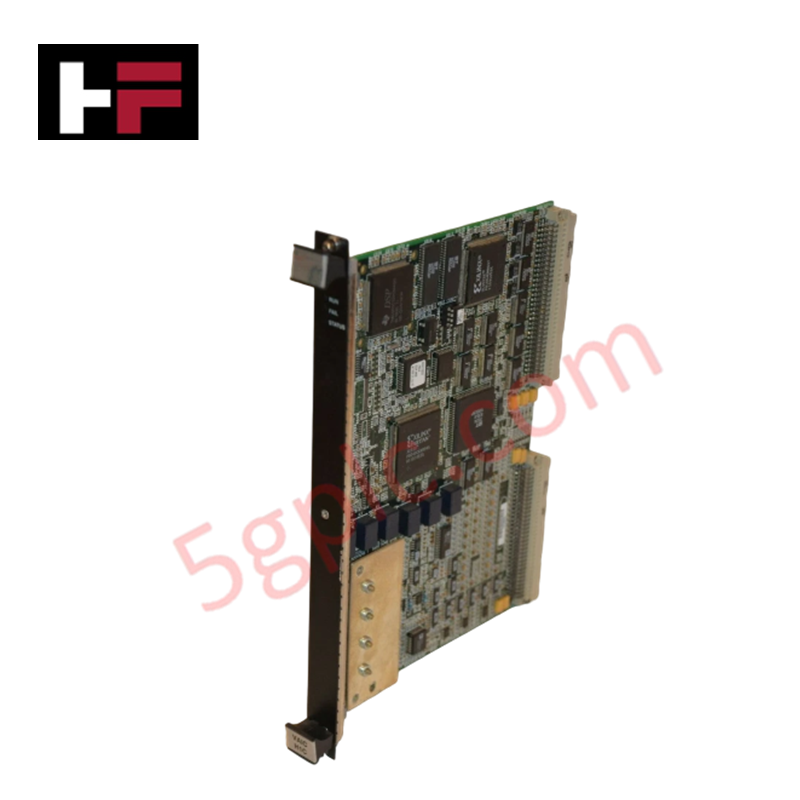
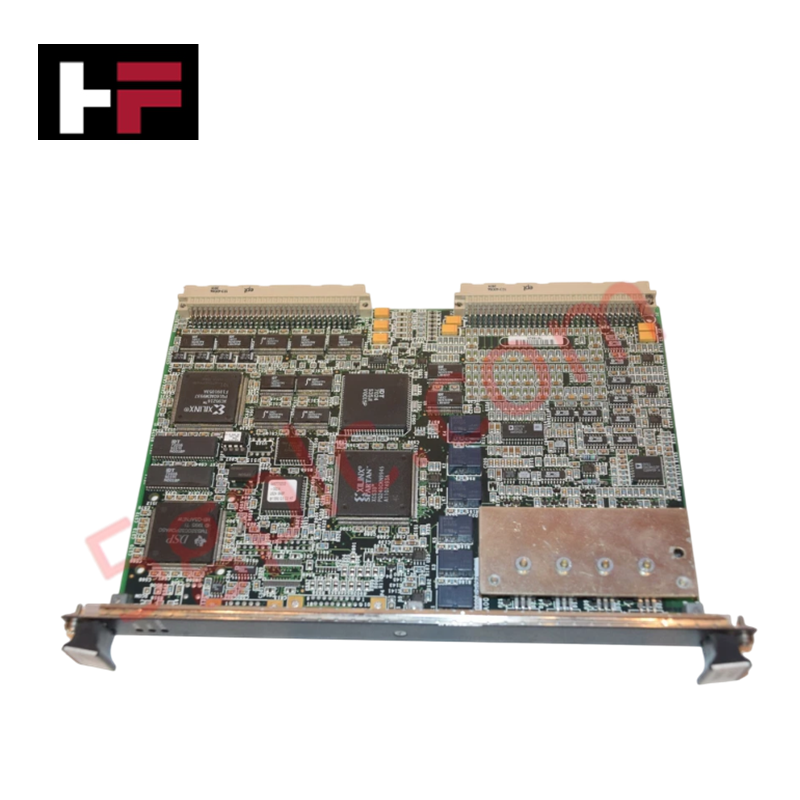
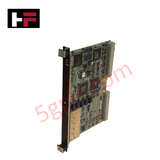
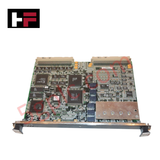
The IS200VTCCH1CBB functions as a high-precision Thermocouple Processor Board within the General Electric Mark VI Speedtronic control architecture. This 100% Brand New original component digitizes low-voltage thermal signals from the turbine’s exhaust, combustion chambers, and bearings to facilitate real-time monitoring and over-temperature protection. By integrating an onboard AMD-K6 300 MHz microprocessor, the VTCC board executes localized cold-junction compensation and linearization, providing the Mark VI controller with accurate temperature data essential for maintaining turbine thermal health and efficiency.
Technical Specifications
The IS200VTCCH1CBB utilizes specialized hardware layers to maintain signal resolution in high-EMI industrial environments.
| Feature | Specification Details |
| Manufacturer | General Electric (GE) |
| Part Number | IS200VTCCH1CBB |
| Series | Mark VI |
| Microprocessor | AMD-K6 300 MHz |
| Input Capacity | 12 Differential Channels |
| TC Types Supported | Type E, J, K, S |
| A/D Conversion | 16-bit High Resolution |
| Input Span | -8 mV to +45 mV |
| Normal Mode Rejection | 250 mV |
| Operating Temp | -30 to 65°C |
| Manufacturing | Surface Mount Technology (SMT) |
| Country of Origin | United States (USA) |
Engineering Advantages
-
High-Resolution Thermal Mapping: The 16-bit A/D converter delivers exceptional granularity when processing thermocouple spans from -8 mV to +45 mV. This precision allows the system to detect minute thermal gradients across turbine exhaust thermocouples, which proves vital for early detection of combustion instability or burner malfunctions.
-
Superior Noise Suppression: The board architecture provides 250 mV of normal mode rejection and handles a +5V common mode voltage. These hardware filters strip away electromagnetic interference generated by nearby high-voltage ignition systems and large motors, ensuring only clean temperature data reaches the governor.
-
Deterministic Local Processing: An onboard AMD-K6 300 MHz processor handles all signal conditioning and linearization tasks. This distributed intelligence ensures that thermal data remains consistent and updated regardless of the main controller's CPU load, maintaining the deterministic scan rates required for turbine trip logic.
-
Extreme Climate Durability: GE designed the VTCC board to operate reliably between -30°C and 65°C. The use of industrial-grade surface mount technology (SMT) prevents thermal stress on solder joints, ensuring the board survives the heat cycles and mechanical vibrations typical of a power plant's control cabinet.
FAQs
-
Is the IS200VTCCH1CBB unit a brand new original?
Yes. We supply this product exclusively as 100% Brand New original factory stock. Each board arrives in its original anti-static shielding with all factory inspection markings to ensure it meets the highest E-E-A-T standards for industrial reliability.
-
Which thermocouple types can I use with this board?
The IS200VTCCH1CBB natively supports Type E, J, K, and S thermocouples. You must select the specific thermocouple curve within the GEH-6421V manual settings during software configuration to ensure correct linearization of the input mV signals.
-
How does the board handle Cold-Junction Compensation (CJC)?
The board works in conjunction with terminal boards that house CJC sensors (typically thermistors). The onboard processor integrates these ambient temperature readings to calculate the true junction temperature at the probe tip, eliminating errors caused by thermal shifts at the termination points.
-
What is the typical maintenance requirement for this module?
As a solid-state processor board, the VTCC requires no routine mechanical maintenance. However, we recommend periodically verifying the seating of the board within the VME rack to ensure optimal electrical contact and grounding against the backplane.
Additional Information
- 100% Genuine Parts: All products are original and authentic, ensuring reliable industrial performance.
- 30-Day Refund Guarantee: Return any in-stock item within 30 days in original, unopened packaging for a full refund (excluding shipping and fees).
- 12-Month Warranty: Covers defects in materials or workmanship; excludes misuse, normal wear, or unauthorized modifications.
- Worldwide Shipping: We ship via USPS, UPS, FedEx, and DHL. Delivery times vary by country and may be subject to customs or import fees.
- Support & Contact: Technical and warranty assistance is available anytime. Contact us here: Contact.
- Purchase Guidance: Check product specifications and compatibility carefully before ordering to ensure proper application.




Tech & Buying Guide

Importance of Safety Barriers in PLC and DCS Control Systems

Static UPS vs. Rotary UPS: Technical Evaluation for Industrial Automation