










Product Details
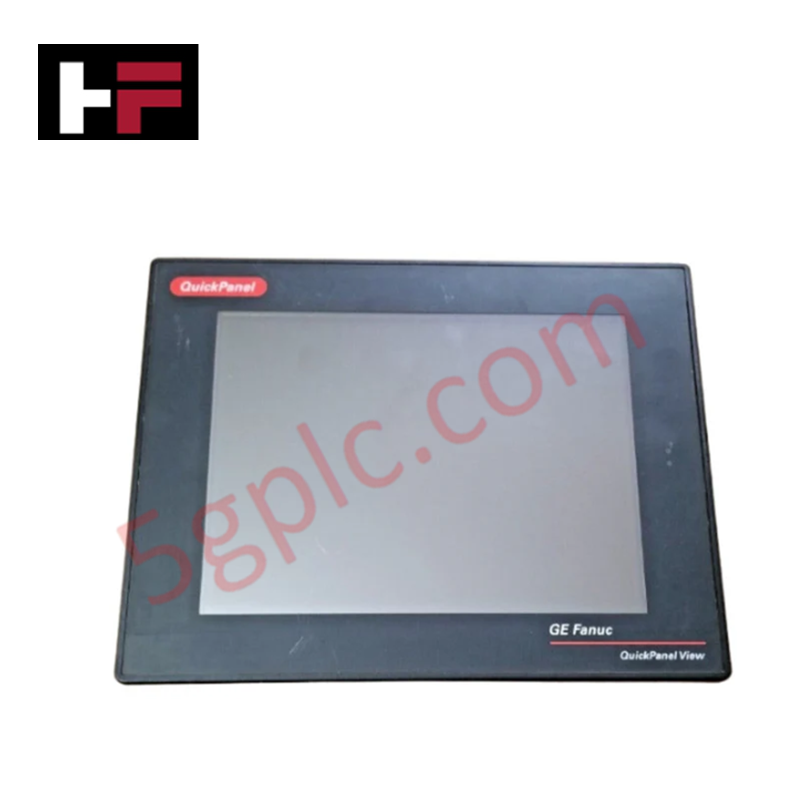
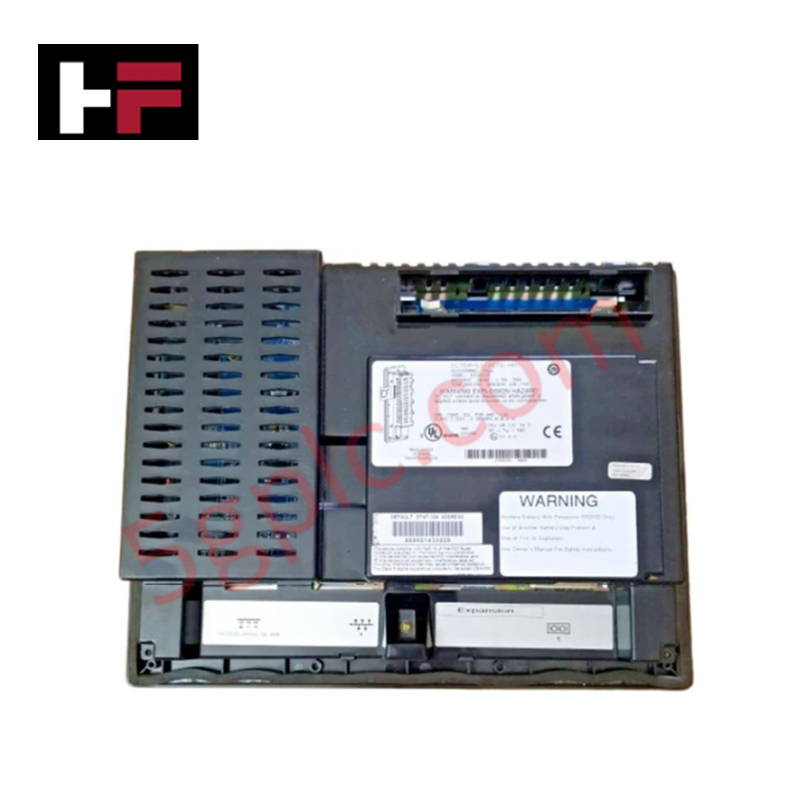
The General Electric IC755SUE10CTD, also cataloged as the IC755SUE10CTD Power Interface Component, operates as a dedicated hardware component for voltage step-down and electrical isolation within industrial control networks.
Hardware Specifications
| Parameter | Specification |
|---|---|
| Model | IC755SUE10CTD |
| Brand | General Electric (GE) |
| Origin | United States |
| Weight | Standard 10 kVA Enclosure Weight |
| Dimensions | Compact NEMA 1 Footprint |
| Operating Temp | 0 - 50 deg C |
| Power Consumption | Power Rating: 10 kVA |
| Transformer Type | Single-phase |
| Primary Voltage | 480 VAC |
| Secondary Voltage | 240 VAC |
| Insulation Class | Class F |
| Cooling Method | Air-cooled (natural convection) |
| Enclosure Type | NEMA 1 |
Firmware Flash Compatibility and Power Node Integration
The power component executes voltage translation across independent inductive paths to deliver a stable 240 VAC secondary supply from a 480 VAC primary supply feed. When integrated into distributed multi-node topologies alongside smart breaker controllers, downstream telemetry validation relies on matching system parameters with verified firmware flash compatibility layers. This alignment ensures that data tracking regarding thermal state variables and load management across local networks remains synchronous and free of registration drops.
Frequently Asked Questions
Q: Does the IC755SUE10CTD support configuration changes or mechanical terminal servicing while energized?
A: No. The line terminal blocks and input tap positions lack physical isolation shutters or transient arc mitigation barriers. Primary and secondary power circuits must be fully isolated before any terminal manipulation to avoid catastrophic high-voltage breakdown.
Q: How is the Class F insulation system validated during continuous full-load execution?
A: The Class F composition limits internal winding temperature rises to standard industrial parameters. Enclosure ventilation openings must remain clear of debris to ensure unrestricted air-cooled convective thermal dissipation.
Field Installation Guidelines
- Enclosure Orientation Layout: Mount the NEMA 1 chassis securely on a level structural surface capable of supporting the full weight of the assembly to eliminate resonance vibration.
- Power Conductor Routing: Enter the chassis through the designated conduit knockouts, keeping separate pathways for the 480 VAC primary input lines and the 240 VAC secondary distribution runs.
- Frame Earth Grounding: Connect a dedicated low-impedance grounding conductor from the main enclosure internal ground lug directly to the local facility master ground grid.
Additional Information
- 100% Genuine Parts: All products are original and authentic, ensuring reliable industrial performance.
- 30-Day Refund Guarantee: Return any in-stock item within 30 days in original, unopened packaging for a full refund (excluding shipping and fees).
- 12-Month Warranty: Covers defects in materials or workmanship; excludes misuse, normal wear, or unauthorized modifications.
- Worldwide Shipping: We ship via USPS, UPS, FedEx, and DHL. Delivery times vary by country and may be subject to customs or import fees.
- Support & Contact: Technical and warranty assistance is available anytime. Contact us here: Contact.
- Purchase Guidance: Check product specifications and compatibility carefully before ordering to ensure proper application.


Tech & Buying Guide
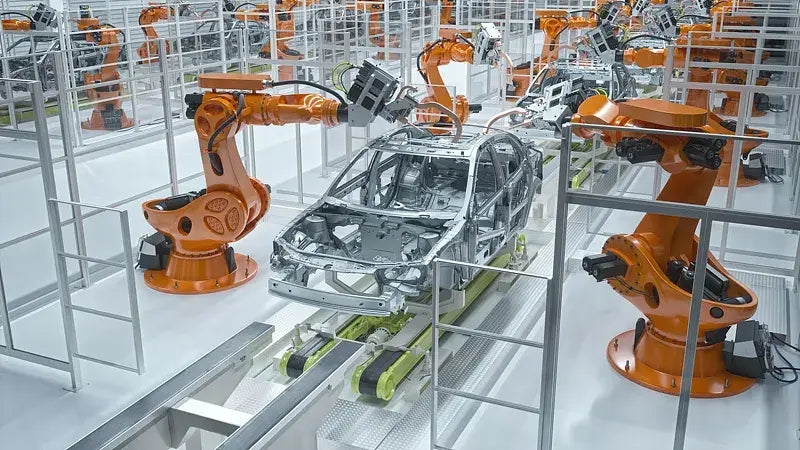
Safety Relays in Industrial Automation: Fundamentals, Design Standards, and Fail-Safe Architecture
Safety relays form the bedrock of functional safety in modern factory automation, preventing catastrophic equipment failure and protecting plant personnel. While standard electromechanical relays handle basic load switching, they lack the redundant diagnostics required for high-risk industrial environments. Modern industrial automation platforms—including programmable logic controllers (PLCs) and distributed control systems (DCS)—rely on specialized safety relays to monitor field devices and isolate hazards instantly.

Voice-Activated Industrial Automation: Integrating Speech Control into PLC and DCS Architectures
Industrial automation integrates speech recognition, IIoT protocols, and NLP with PLCs and DCS to streamline operations. By leveraging advanced edge computing, engineers enable real-time, hands-free control—allowing personnel to manage smart factory processes safely away from hazardous equipment.
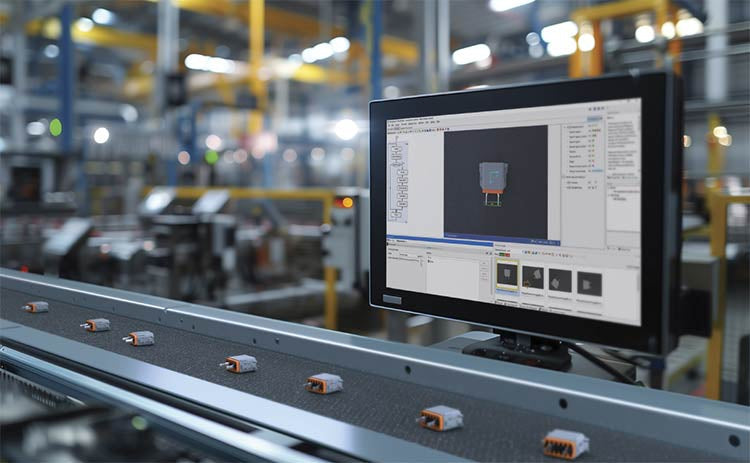
Modern Industrial Automation: Transforming Safety and Efficiency in Mining Operations
Industrial automation has evolved from a simple manufacturing tool into the operational backbone of high-risk sectors. Modern mining operations increasingly rely on advanced control systems, programmable logic controllers (PLCs), distributed control systems (DCS), and artificial intelligence to address deep-underground hazards. By replacing manual labor in high-risk zones, factory automation technologies protect personnel while significantly boosting operational throughput.