












Product Details
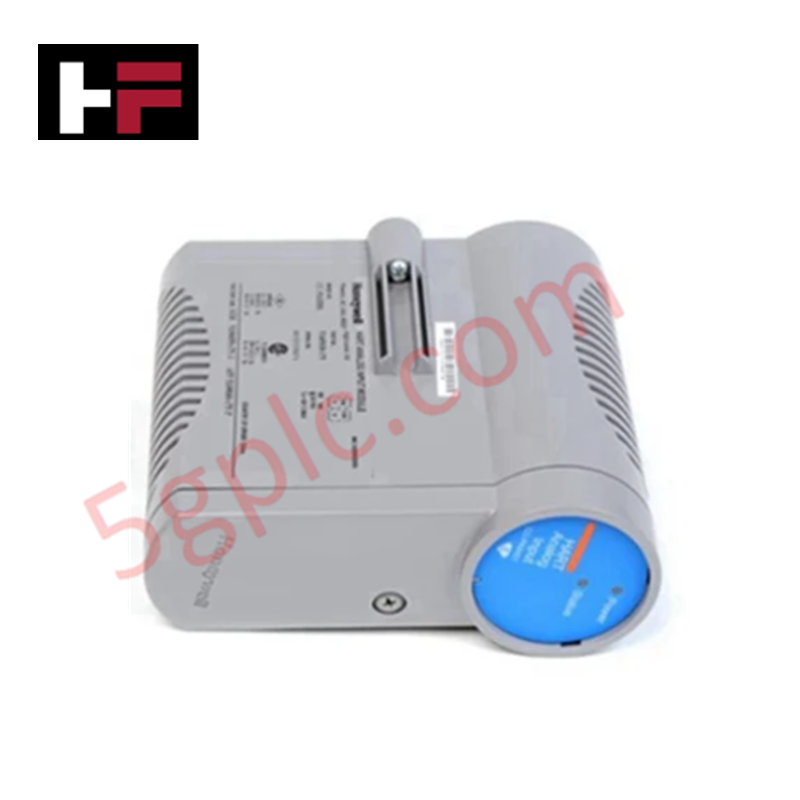
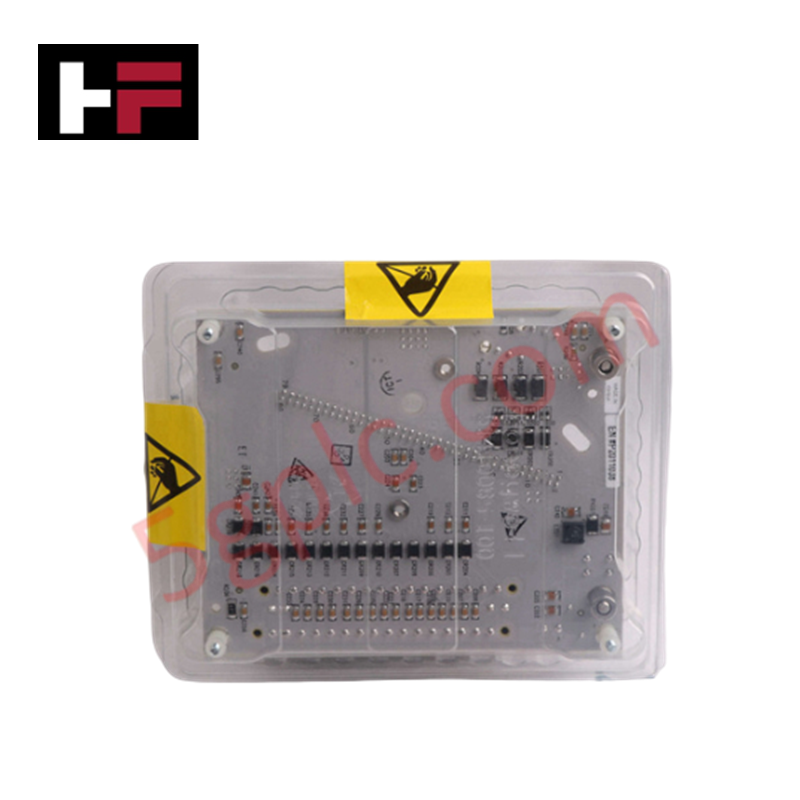
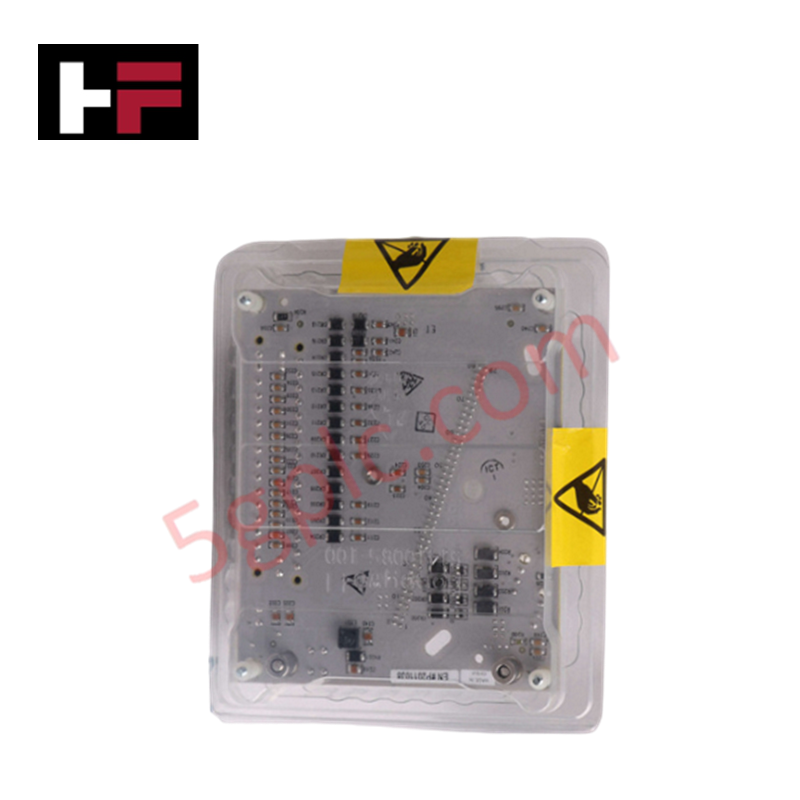
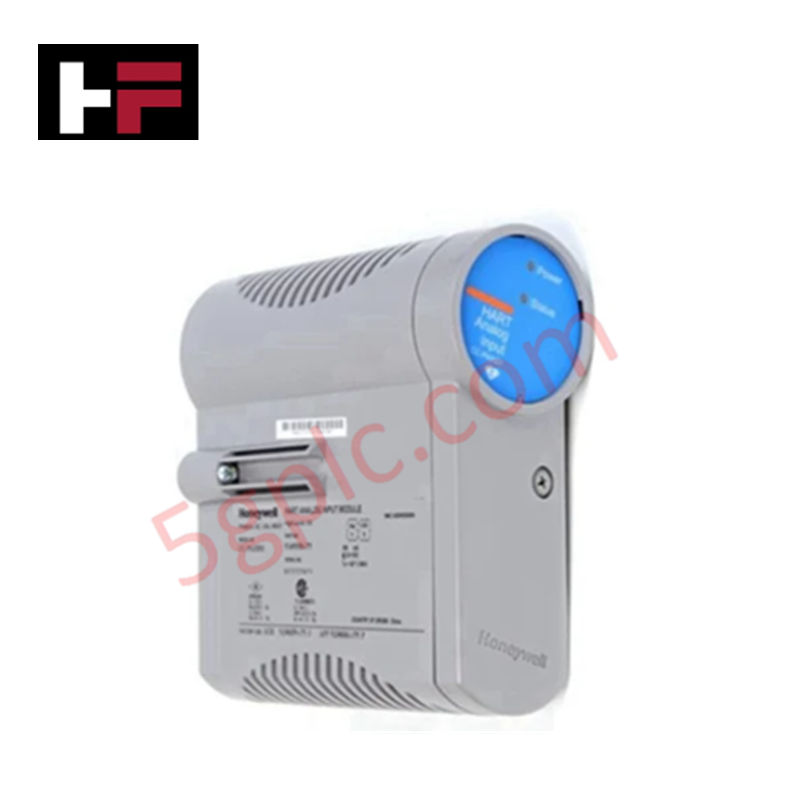
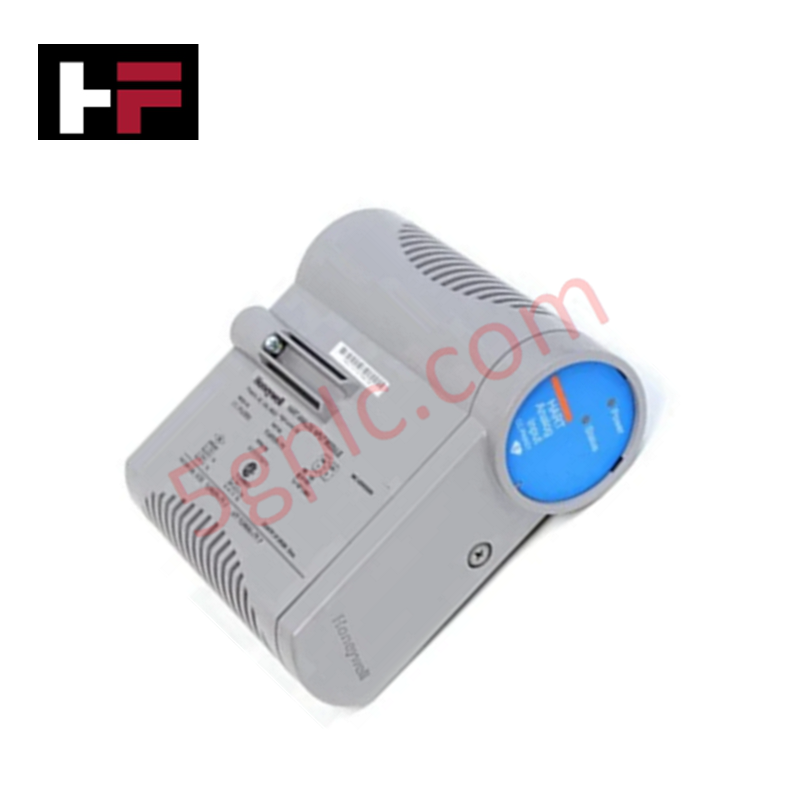
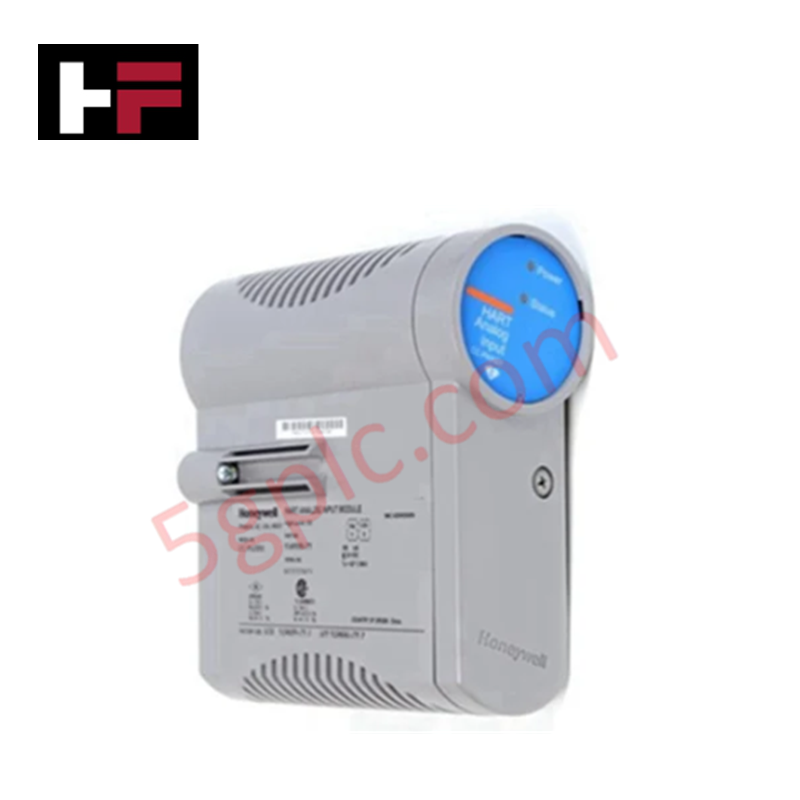
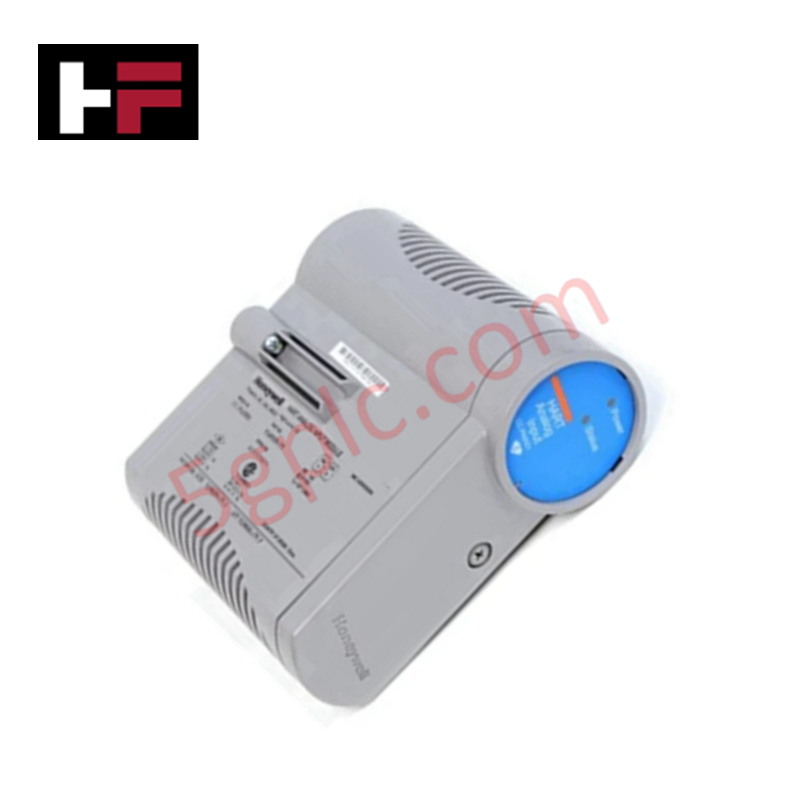
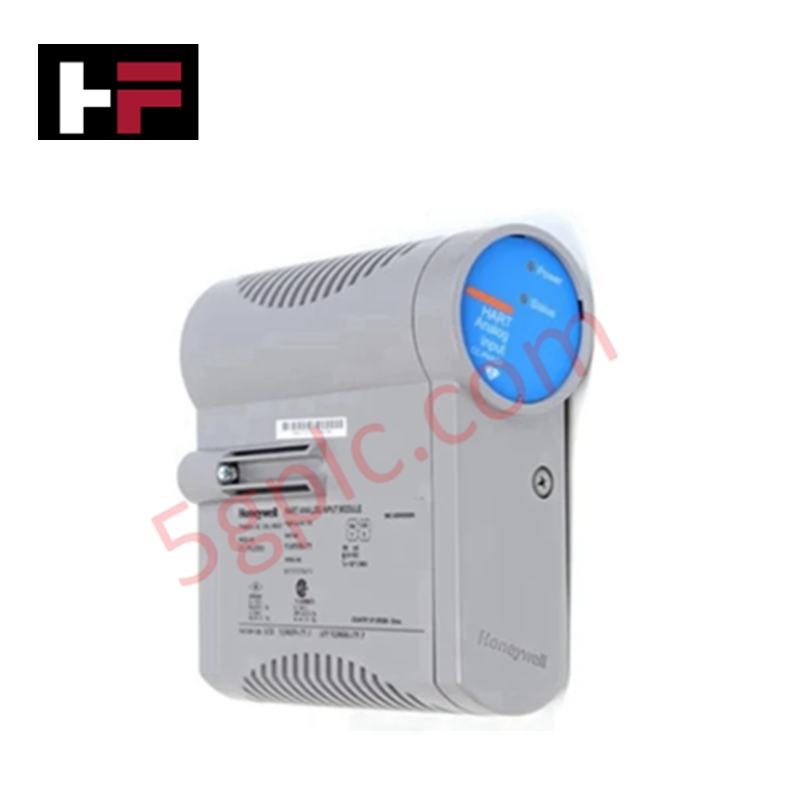
The Honeywell 8U-PAIMA1, also cataloged as the 8U-PAIMA1 Analog Input Modules, operates as a dedicated hardware component for low-level signal acquisition within Honeywell Series 8 platforms.
Hardware Specifications
| Parameter | Specification |
|---|---|
| Model | 8U-PAIMA1 |
| Brand | Honeywell |
| Origin | USA |
| Operating Temp | 0 deg C to 60 deg C |
| Power Consumption | 120 mA at 24 VDC |
| Channels | 16 (Fully Isolated) |
| Input Types | Thermocouple, RTD, Millivolt |
| Scan Rate | 1 second (fixed) |
| Input Impedance | 1 Megaohm (DC) |
| CMRR | 120 dB minimum |
| NMRR | 60 dB minimum |
4-20 mA HART Loop Protocol and Cold Junction Compensation
The module executes precise low-level voltage and resistance conversion across 16 isolated channels, interfacing with thermocouples, RTDs, and millivolt sources. Channel-to-channel, channel-to-IOL, and channel-to-power electrical isolation prevent ground potential loops and attenuate electrical noise. Integrated cold junction compensation (CJC) maintains signal conversion accuracy across temperature variations, while selectable 50 Hz or 60 Hz line frequency rejection filter networks stabilize input processing.
Frequently Asked Questions
Q: What types of RTDs does the 8U-PAIMA1 support?
A: The module supports Pt100 (DIN 4376 and JIS C 1604), Ni120 ohm, Cu10 ohm, and Cu50 ohm temperature sensors.
Q: How is operating power supplied to the 8U-PAIMA1 module?
A: The hardware operates on a 24 VDC supply delivered directly through the Series 8 I/O carrier backplane, drawing 120 mA current.
Q: Is conformal coating provided on the standard 8U-PAIMA1 hardware assembly?
A: No, the 8U-PAIMA1 base catalog designation specifies an uncoated module assembly.
Field Installation Guidelines
- Ensure the I/O carrier power supply is isolated or follow under-power insertion procedures to prevent backplane bus transients.
- Align the module with the assigned Series 8 rack carrier slot and press firmly until the mechanical locking latch seats completely.
- Utilize shielded twisted-pair cabling for all low-level thermocouple, RTD, and millivolt input runs to mitigate EMI/RFI interference.
- Connect overall cable shields to designated cabinet earth grounding bars to prevent floating potentials.
- Maintain adequate cabinet ventilation to keep the local operating temperature within the rated 0 deg C to 60 deg C range.
Additional Information
- 100% Genuine Parts: All products are original and authentic, ensuring reliable industrial performance.
- 30-Day Refund Guarantee: Return any in-stock item within 30 days in original, unopened packaging for a full refund (excluding shipping and fees).
- 12-Month Warranty: Covers defects in materials or workmanship; excludes misuse, normal wear, or unauthorized modifications.
- Worldwide Shipping: We ship via USPS, UPS, FedEx, and DHL. Delivery times vary by country and may be subject to customs or import fees.
- Support & Contact: Technical and warranty assistance is available anytime. Contact us here: Contact.
- Purchase Guidance: Check product specifications and compatibility carefully before ordering to ensure proper application.
Tech & Buying Guide

Comprehensive Guide to Noise Types in Industrial Automation and Electronics

Mitigating Emergency Stop Spurious Trips in Industrial Control Systems
Emergency stop (E-Stop) pushbuttons serve as vital safety devices in factory automation and process control plants. Functional safety standards mandate normally-closed (NC) contact blocks to ensure fail-safe operation during wiring breaks or power outages. However, mechanical degradation over time can trigger unexpected spurious trips, halting production lines without an actual emergency. Understanding the underlying causes of mechanical contact failure allows automation engineers to implement robust, fault-tolerant safety circuits.

Redundant Automation Systems: Maximizing Uptime in Critical Control Applications
Industrial automation relies on continuous operational stability to prevent catastrophic downtime and financial loss. While standard dictionary definitions treat redundancy as superfluous, industrial engineers consider redundant control architectures indispensable for high-availability systems. Implementing backup hardware ensures seamless takeover during primary equipment failures, protecting critical infrastructure across manufacturing and process industries.