










Product Details
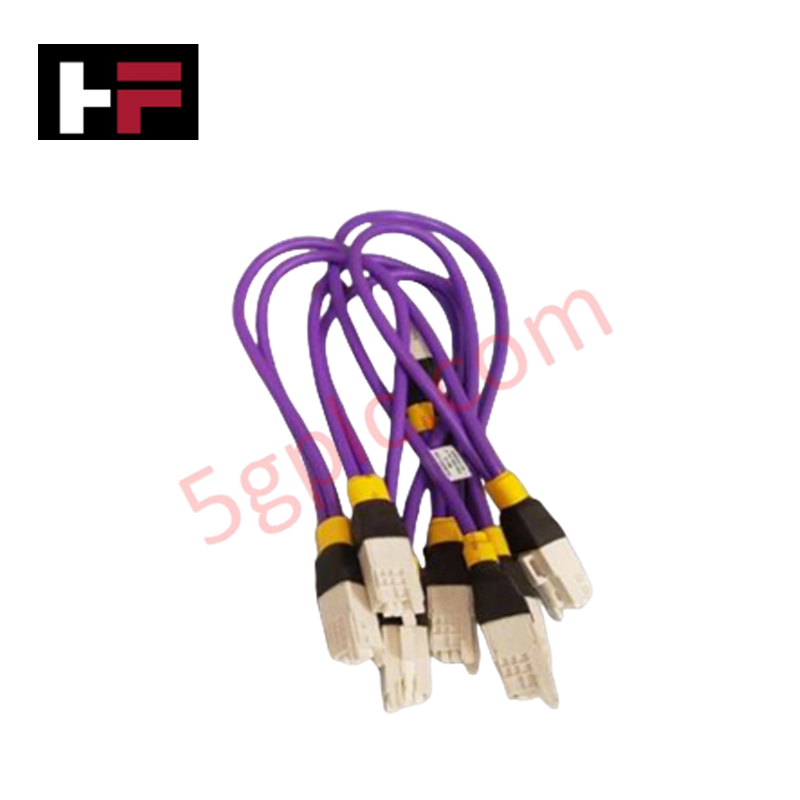
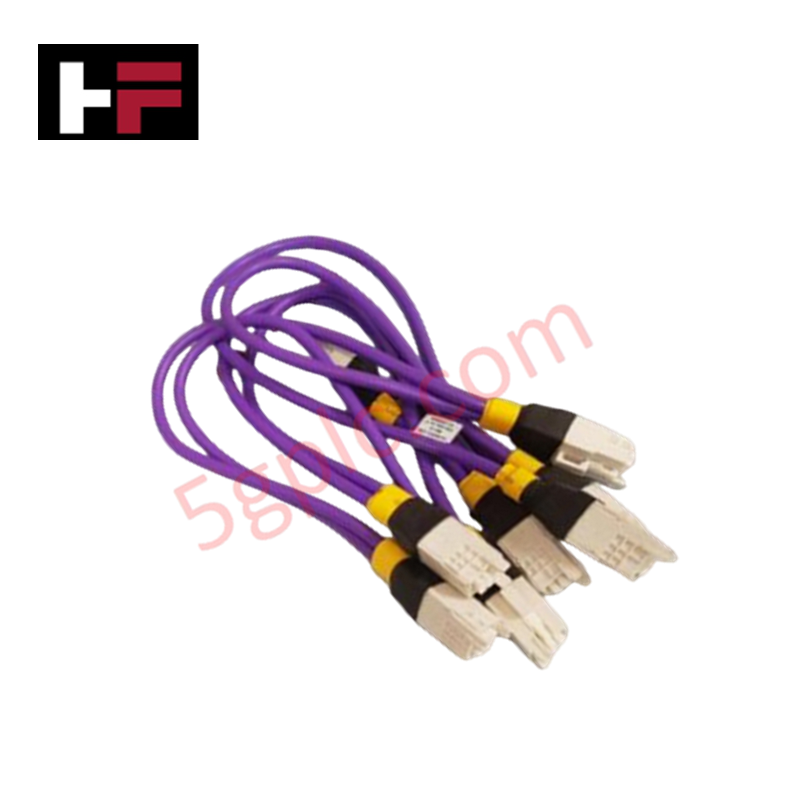
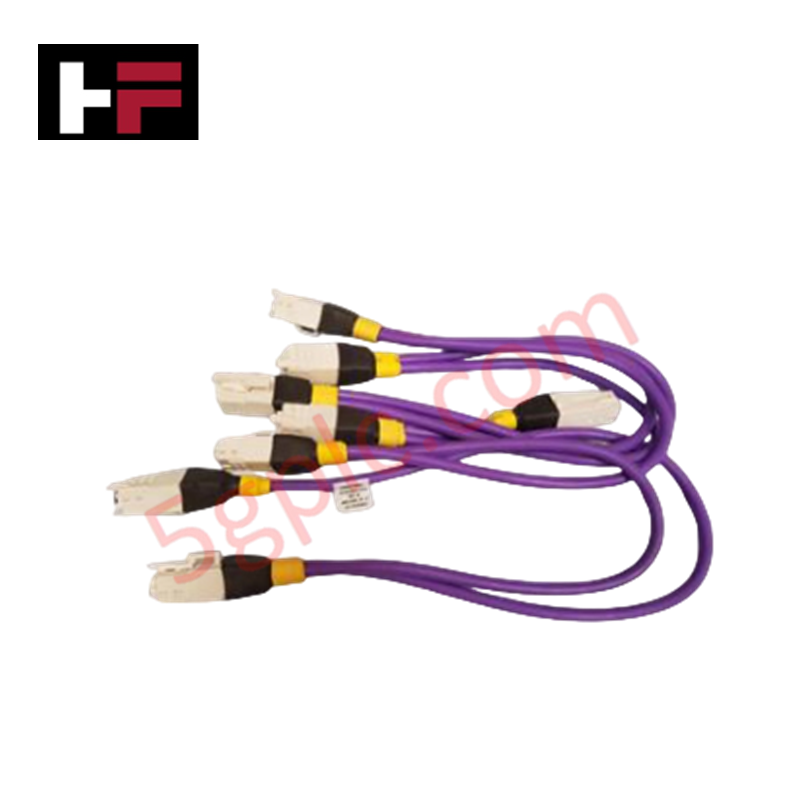
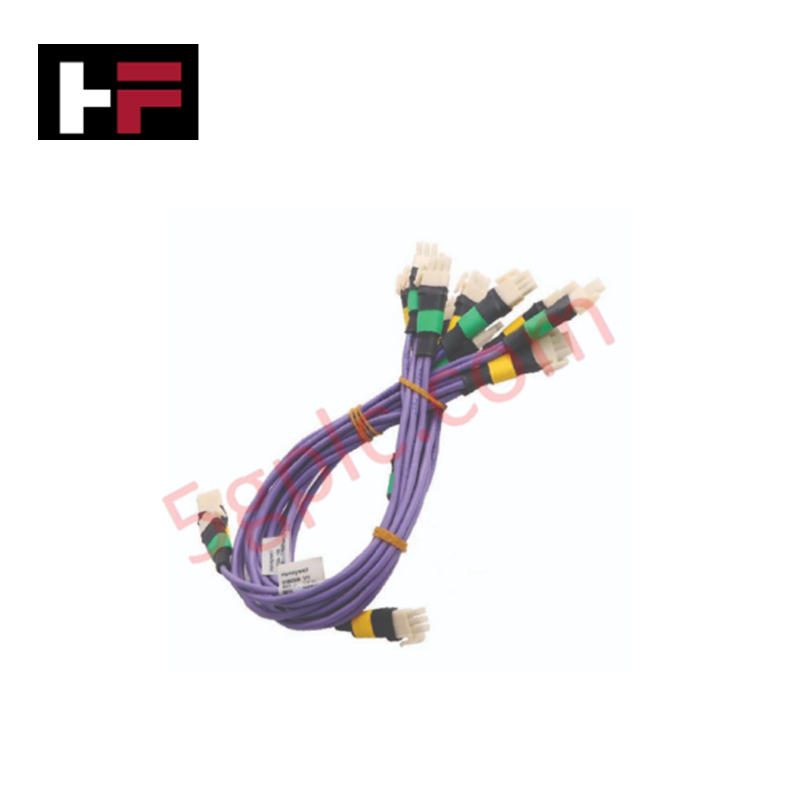
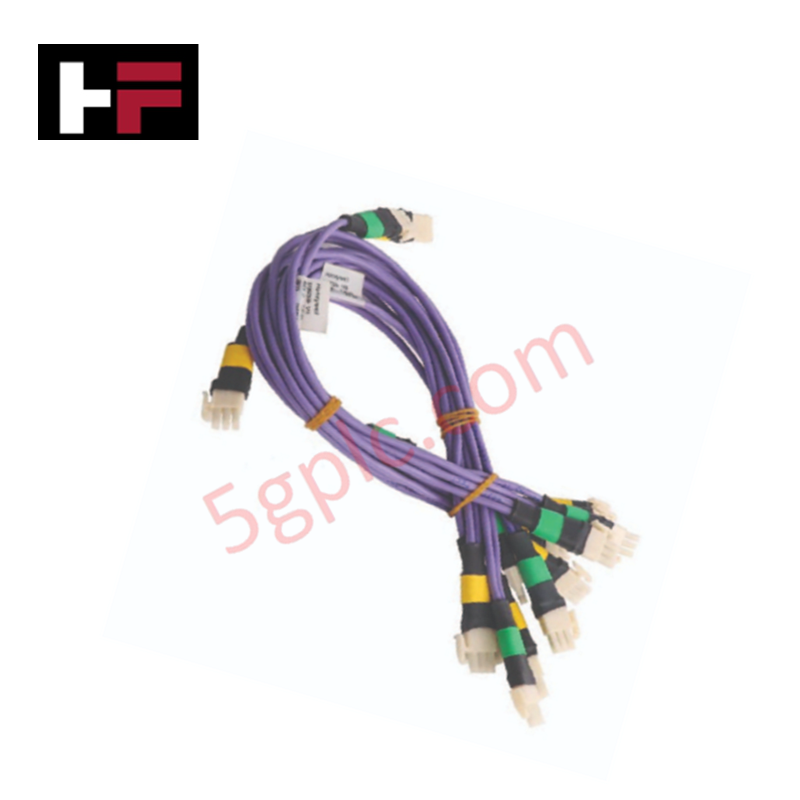
Configured for stable power delivery in Honeywell DCS and PLC automation networks, the Honeywell 51305830-400 (51305830 AC Power Cable / Power Splitter) provides direct physical/electrical execution. The assembly splits and routes high-voltage AC utility distribution pathways to supply primary processing units, localized I/O nodes, and rack-mounted peripheral chassis while ensuring long-term continuity within standard electrical enclosures.
Hardware Specifications
| Parameter | Specification |
|---|---|
| Model | 51305830-400 |
| Brand | Honeywell |
| Origin | USA |
| Weight | 0.36 kg |
| Dimensions | Multi-drop splitter assembly span length (Variable by deployment) |
| Operating Temp | -20 to 80 deg C |
| Power Consumption | Passive power distribution network (Zero internal active power consumption) |
| Rated Voltage | 250 VAC |
| Rated Current | 10-15 A |
| Conductor Material | High-conductivity stranded copper |
| Insulation Material | Flame-retardant, high-temperature PVC |
| Outer Jacket | Oil-resistant, abrasion-resistant industrial PVC |
| Flame Rating | UL VW-1, IEC 60332-1 |
Honeywell DCS Channel-to-Channel Isolation Parameters
To balance internal bus topologies alongside critical communication nodes, this high-voltage distribution layout maintains physical separation from low-voltage field instrument wiring. While the cable itself handles raw electrical supply line routing rather than direct 4-20 mA HART loop protocol translation, its industrial jacket composition prevents voltage tracking leakage across adjacent cable trays, ensuring zero degradation of channel-to-channel isolation parameters within neighboring analog instrumentation modules.
Frequently Asked Questions
Q: Can this power cable assembly be disconnected while the downstream I/O modules are fully energized?
A: No, interrupting live AC lines via physical extraction under load creates arcing risks and induces immediate power failure across connected rack segments, dropping active loops out of scan.
Q: Is this assembly compatible with low-voltage DC power distributions?
A: The physical conductors are electrically rated for up to 250 VAC. While copper lines can carry lower DC potentials, this harness is physically engineered and pinned out specifically for AC power splitting routines inside Honeywell automation environments.
Field Installation Guidelines
- Run all AC distribution cabling through dedicated, isolated high-voltage wireways to mitigate electromagnetic noise coupling into sensitive data lines.
- Confirm that the total combined current draw of all downstream devices does not exceed the maximum 15 A technical load threshold of the splitter.
- Seat all power connector terminals fully inside the matching chassis receptacles and tighten any integral mechanical locking screws to eliminate resistance points.
- Ensure the cable outer jacket is protected from sharp metal enclosure edges, and maintain structural bend radii that exceed the minimum parameters defined for standard industrial PVC multi-conductor wires.
Additional Information
- 100% Genuine Parts: All products are original and authentic, ensuring reliable industrial performance.
- 30-Day Refund Guarantee: Return any in-stock item within 30 days in original, unopened packaging for a full refund (excluding shipping and fees).
- 12-Month Warranty: Covers defects in materials or workmanship; excludes misuse, normal wear, or unauthorized modifications.
- Worldwide Shipping: We ship via USPS, UPS, FedEx, and DHL. Delivery times vary by country and may be subject to customs or import fees.
- Support & Contact: Technical and warranty assistance is available anytime. Contact us here: Contact.
- Purchase Guidance: Check product specifications and compatibility carefully before ordering to ensure proper application.


Tech & Buying Guide

Wellhead Control Panel (WHCP) Architecture in Oil and Gas Automation
Upstream oil and gas operations rely on specialized field control platforms to manage wellhead extraction safety and hydraulic actuation. A Wellhead Control Panel (WHCP) serves as a dedicated hydraulic and pneumatic power unit designed to operate critical Christmas Tree isolation valves. By interfacing field safety components directly with Programmable Logic Controller (PLC) architecture, a WHCP protects upstream extraction assets against overpressure, catastrophic leaks, and thermal emergencies.

Understanding Marshalling Cabinets in Industrial Control Systems Architecture
Industrial control system deployments rely on structured signal distribution to bridge field instrumentation with central processing hardware. A marshalling cabinet serves as the vital intermediate connection point between heavy field home-run multi-pair cables and delicate input/output (I/O) modules housed inside Programmable Logic Controller (PLC) or Distributed Control System (DCS) enclosures. By segregating field cable terminations from control hardware, engineers maintain system flexibility, safeguard controller components, and streamline commissioning workflows.

FAT vs SAT in Industrial Control Systems: Key Differences and Execution Guide
Industrial control system deployment relies on strict verification protocols to guarantee operational safety, system stability, and regulatory compliance. Commissioning complex Programmable Logic Controller (PLC) racks, Distributed Control Systems (DCS), and Safety Instrumented Systems (SIS) requires two critical milestones: the Factory Acceptance Test (FAT) and the Site Acceptance Test (SAT). Both procedures validate that system automation meets design specifications, but they occur at different stages of project execution and target distinct operational risks.