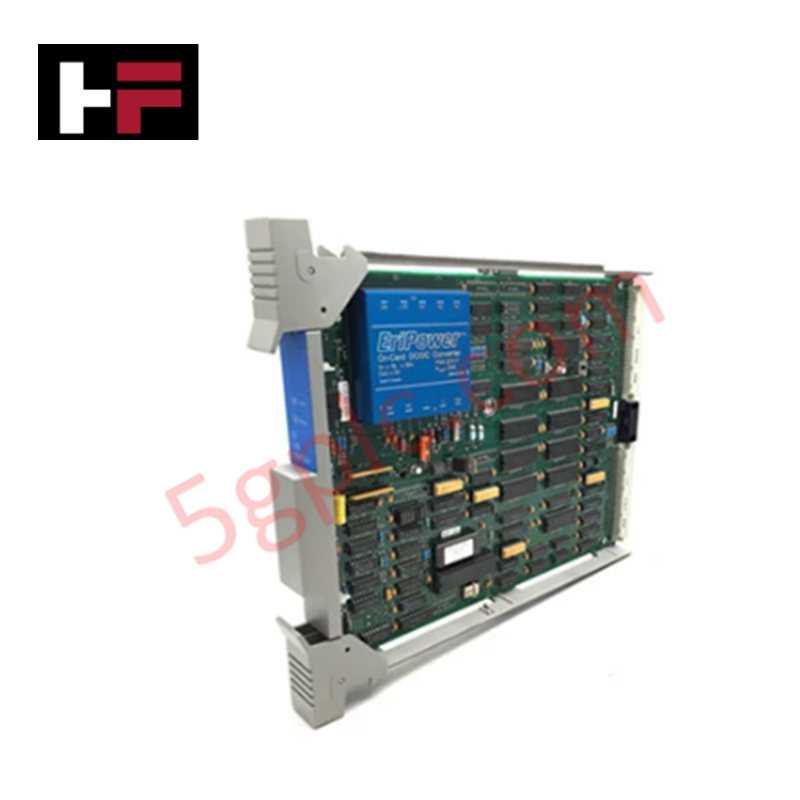
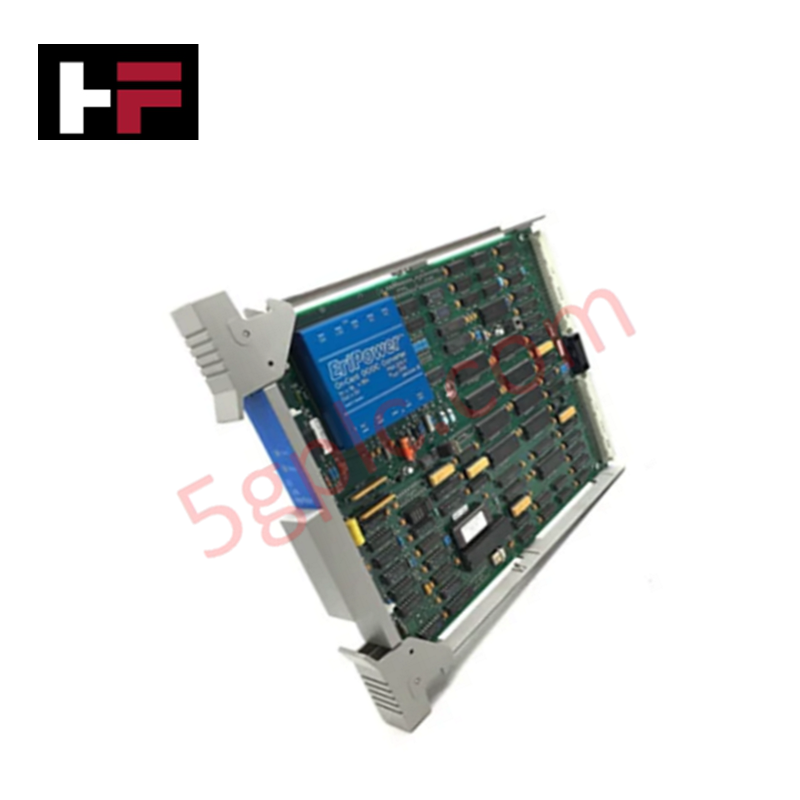
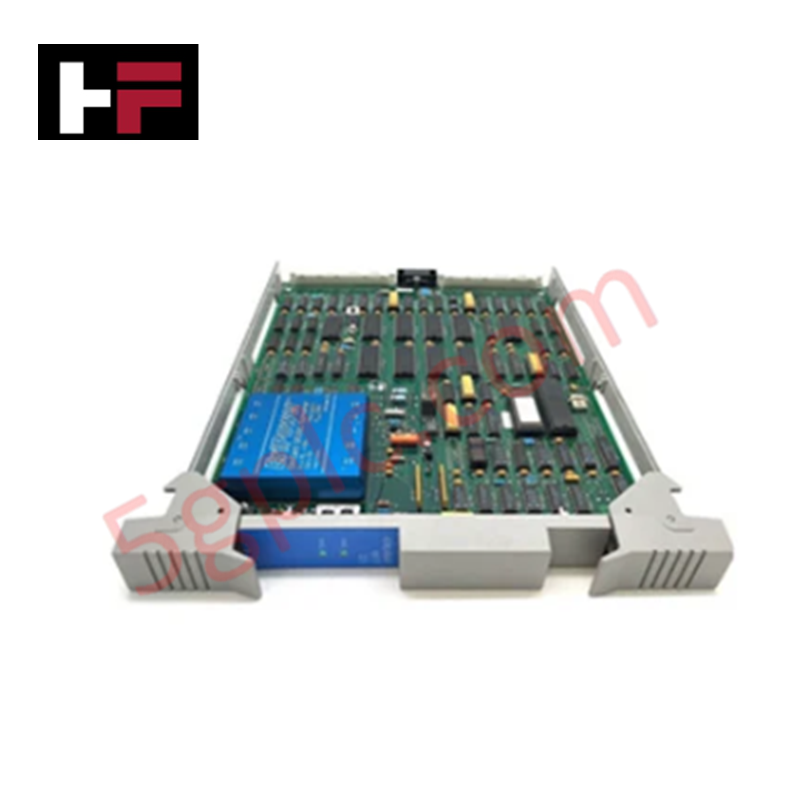
Product Details
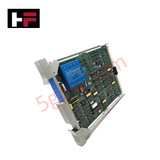
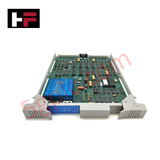
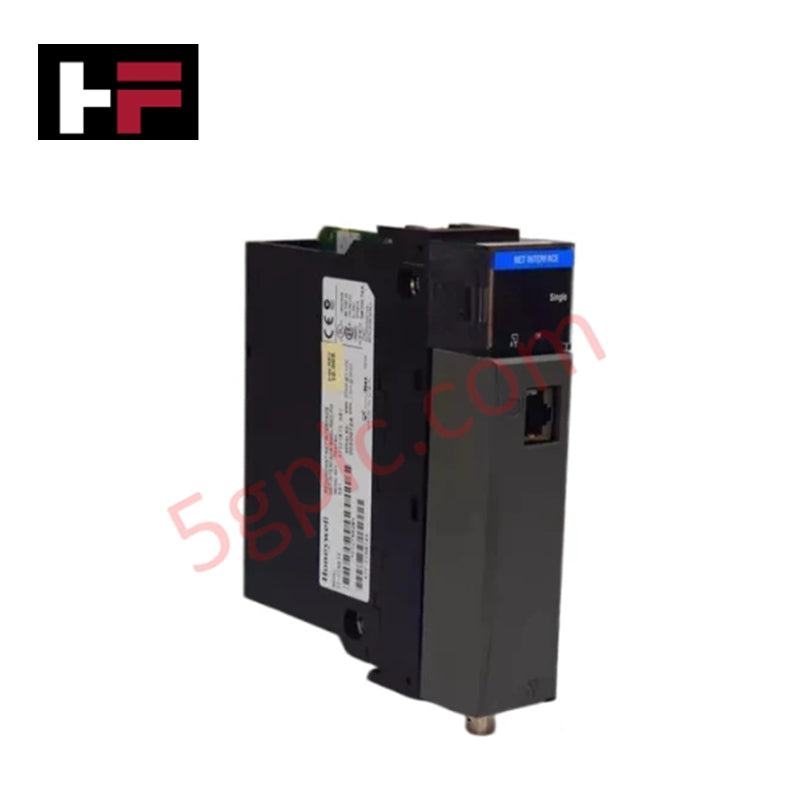
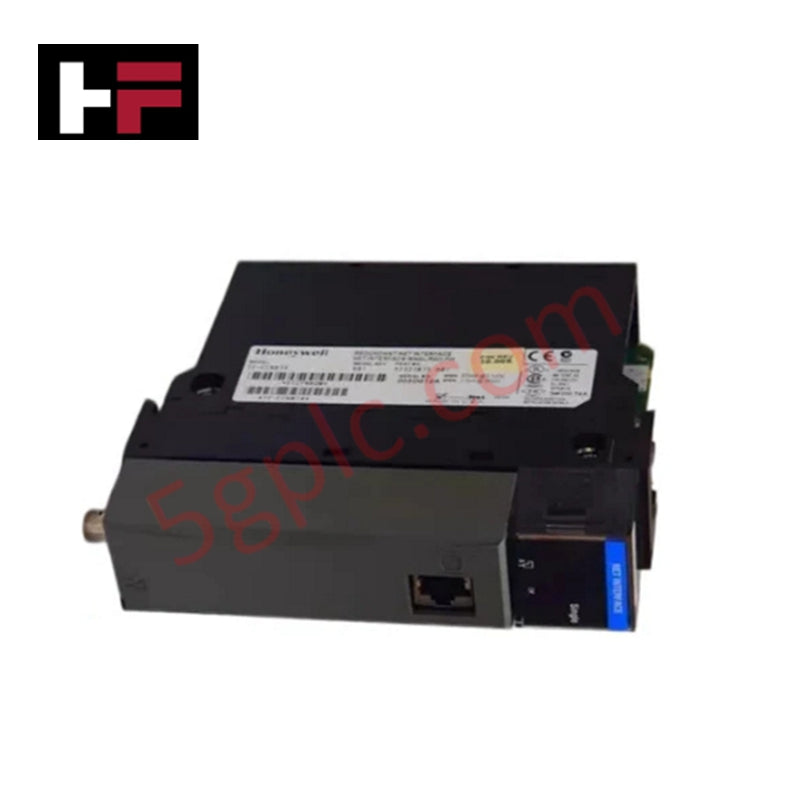
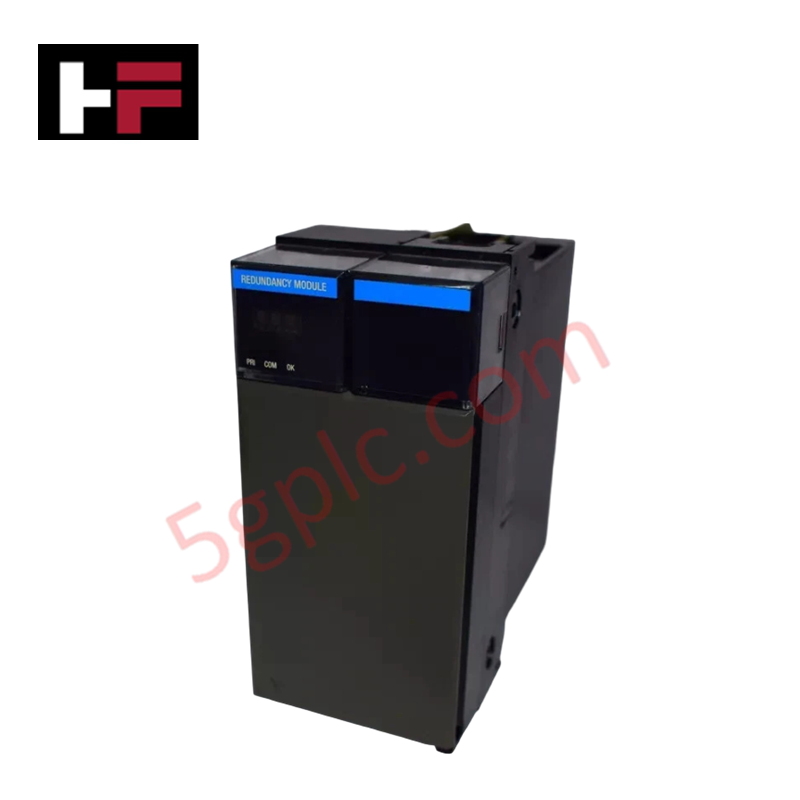
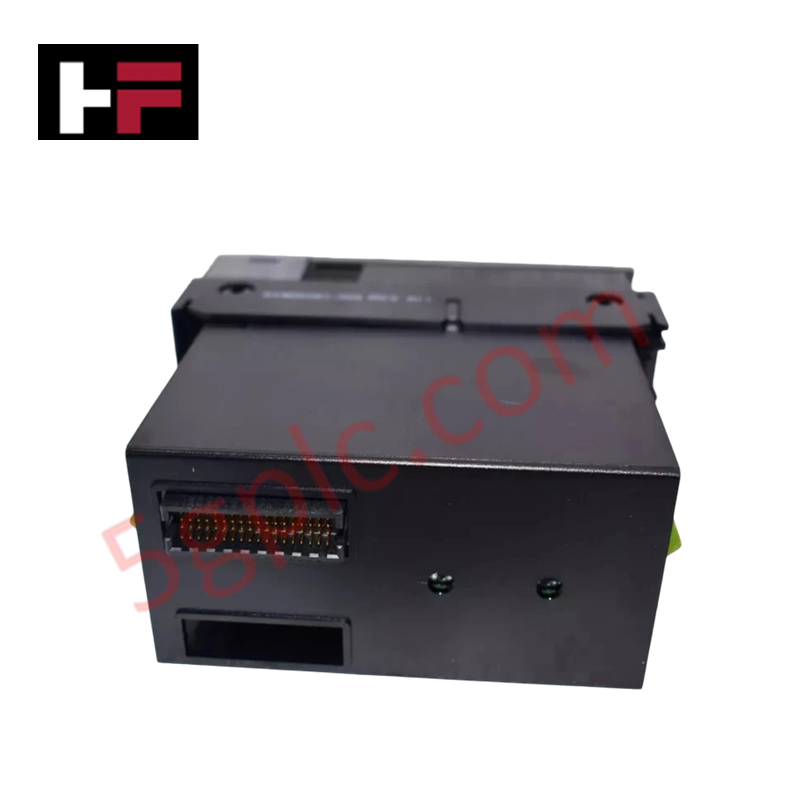
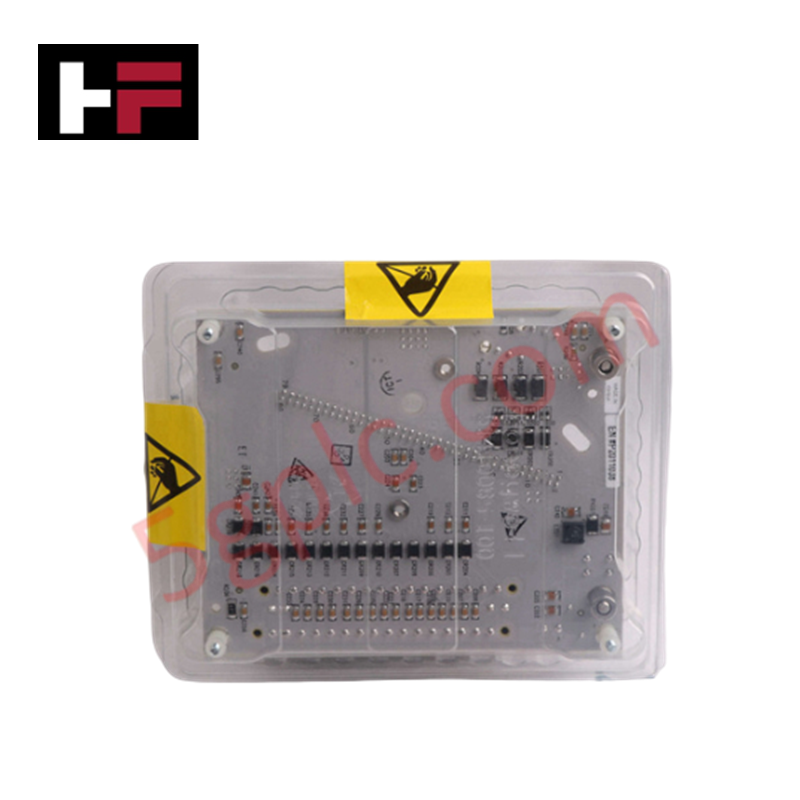
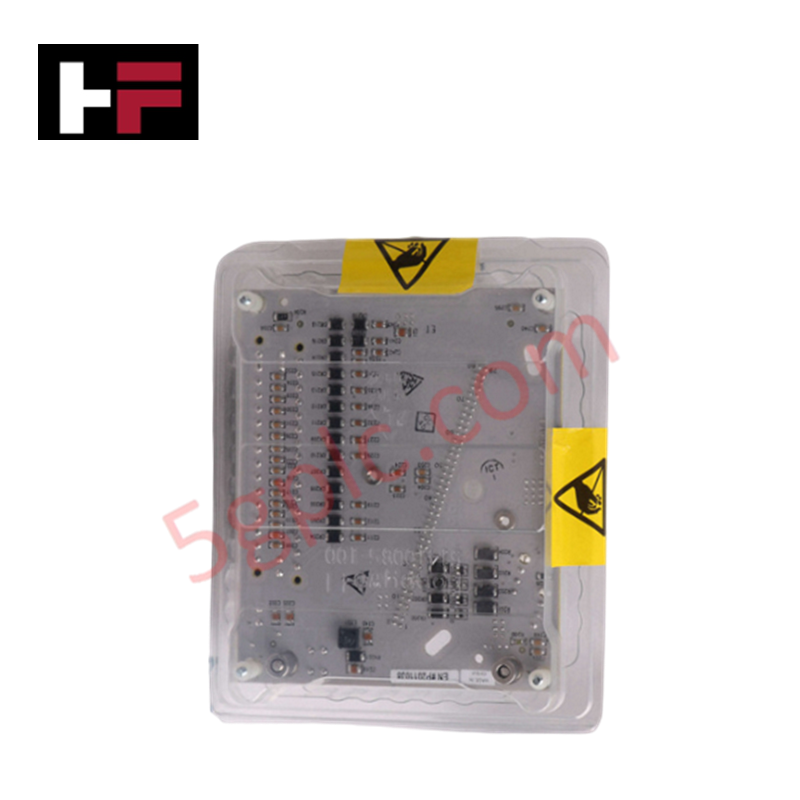
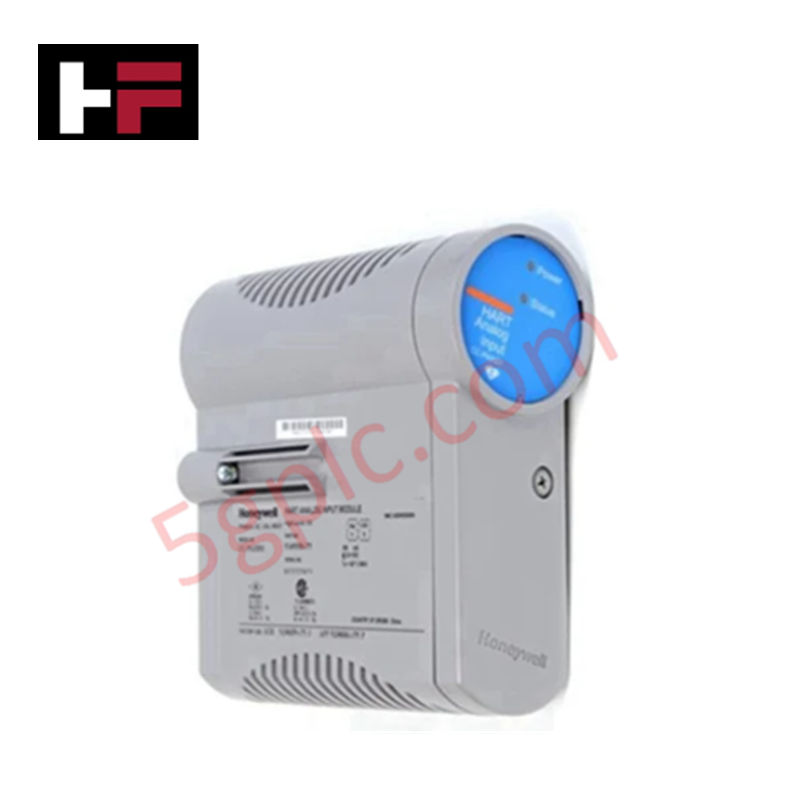
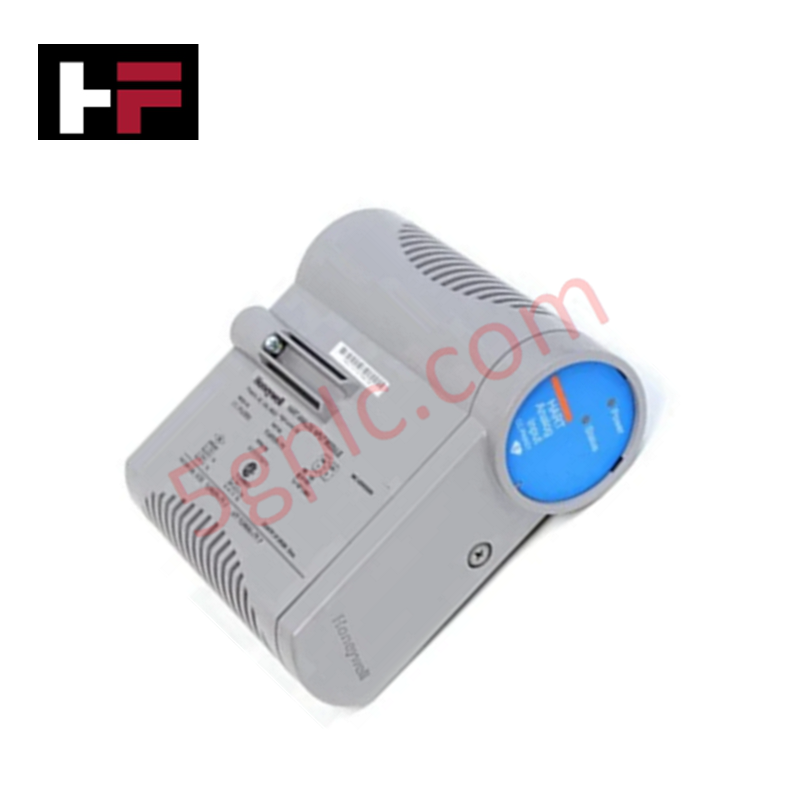
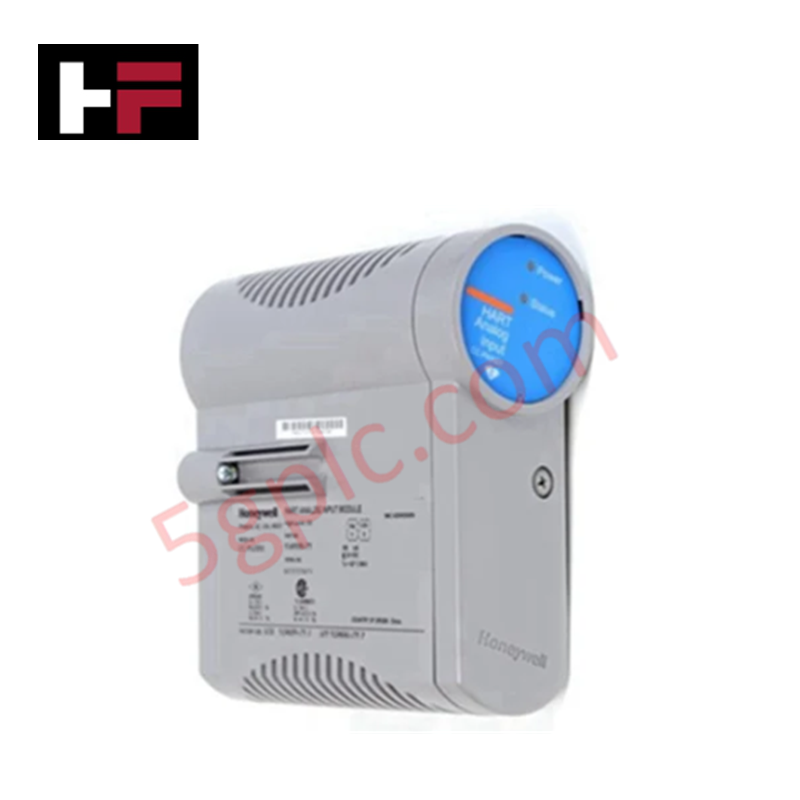
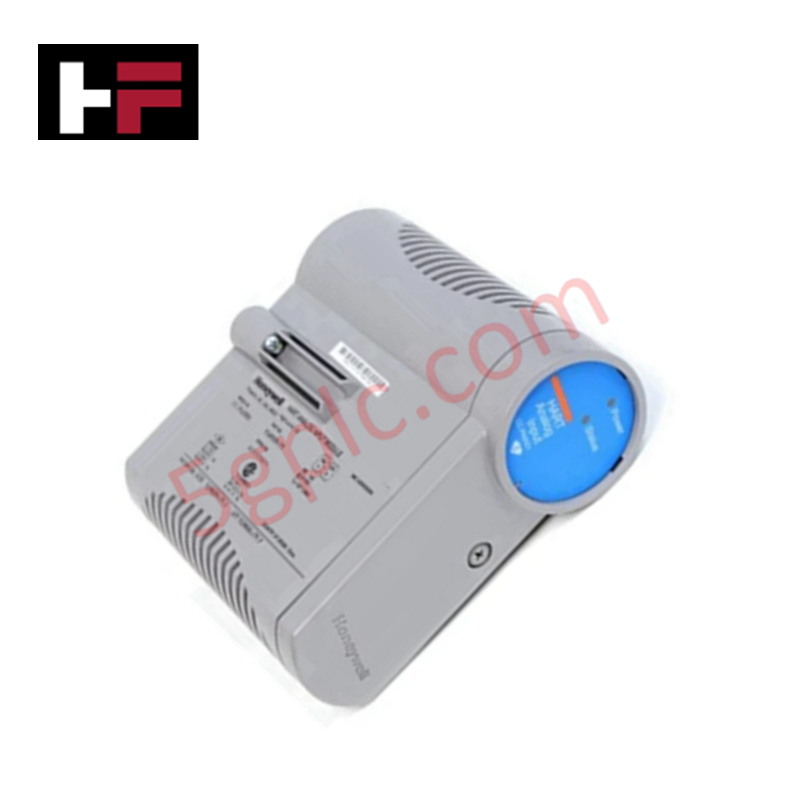
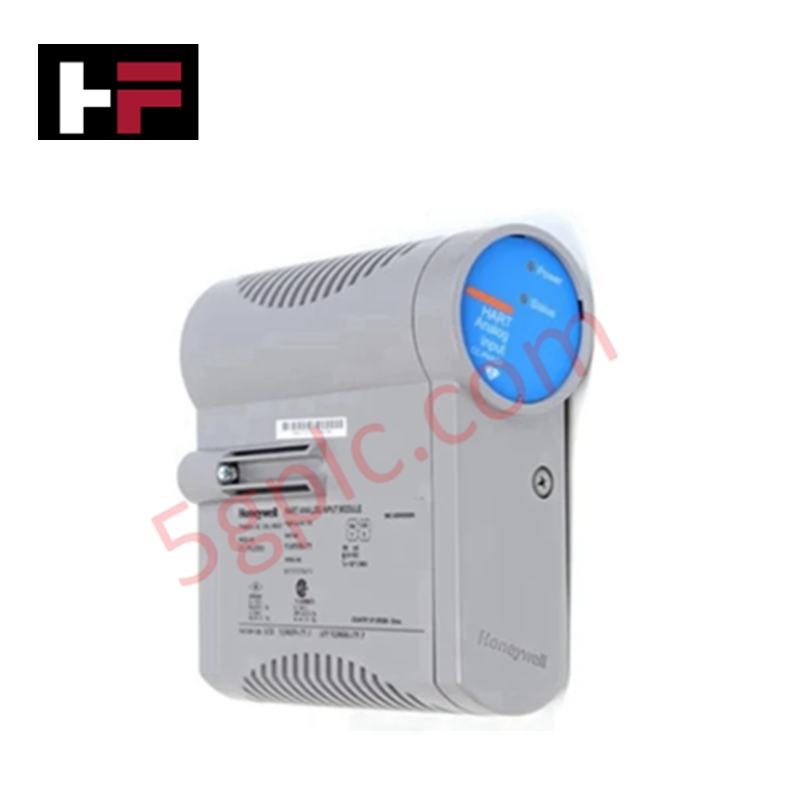
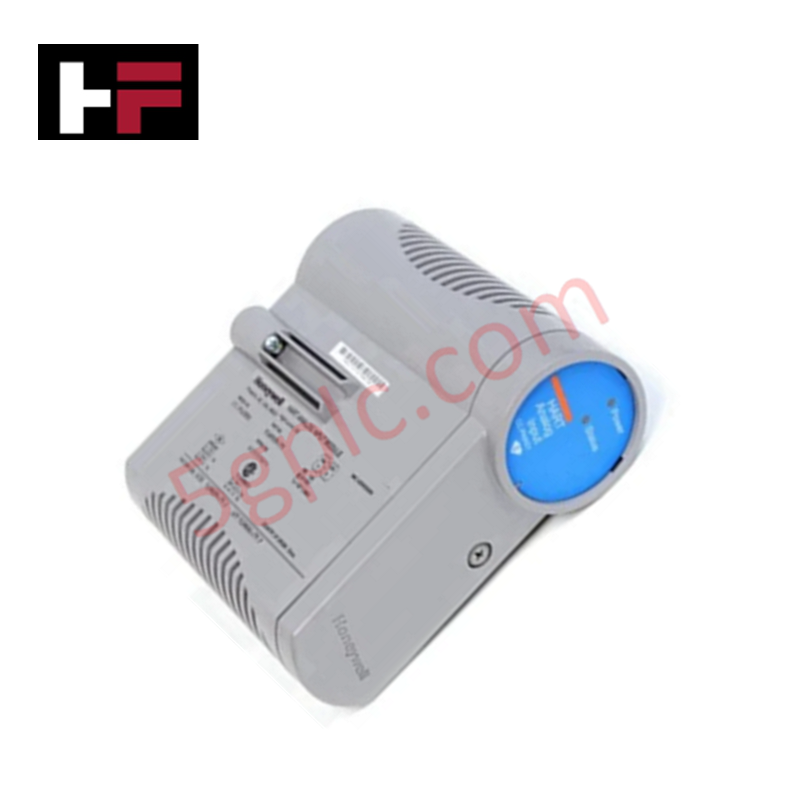
Configured for data exchange within TDC 3000 Distributed Control System architectures, the Honeywell 51304920-100 (51304920-100 Serial Interface Module) provides direct physical and electrical execution of serial communication between controllers and field instruments.
Hardware Specifications
| Parameter | Specification |
|---|---|
| Model | 51304920-100 |
| Brand | Honeywell |
| Origin | USA |
| Weight | 0.5 kg |
| Dimensions | 216 x 160 x 30 mm |
| Communication Ports | RS-232, RS-485 |
| System Compatibility | TDC 3000 DCS |
DCS Process Control and Connectivity
The 51304920-100 module manages serial data traffic by supporting both RS-232 and RS-485 physical layer standards. Within the DCS environment, this interface card maintains channel-to-channel isolation on the serial bus, which prevents ground potential differences between remote field devices and the controller backplane from inducing data errors. By providing robust signal buffering, the module mitigates electromagnetic interference (EMI) typical in industrial cabling runs. Additionally, the assembly facilitates integration with 4-20 mA HART loop protocol instruments when used in conjunction with appropriate signal converters, ensuring that serial diagnostic data is successfully merged with primary process control loops.
Frequently Asked Questions
Q: Does this module support hot-swapping on a live rack?
A: The 51304920-100 is not designed for hot-swapping. Inserting or removing the module while the backplane is powered can induce transient voltages that may damage the serial communication buffers or interrupt the processor bus communication.
Q: Are there specific termination requirements for the RS-485 port?
A: Yes. When utilizing the RS-485 port in multi-drop configurations, ensure that 120 Ohm termination resistors are installed at both physical ends of the communication line to prevent signal reflections and data collisions.
Field Installation Guidelines
- Ensure the control rack is de-energized and all power sources are isolated before module installation.
- Carefully slide the module into the designated rack slot, ensuring the edge connector is fully engaged with the backplane socket.
- Secure the module front panel to the rack frame using the provided mounting hardware to guarantee chassis grounding and structural stability.
- Route RS-232/RS-485 cabling through shielded conduits, keeping signal lines physically separated from high-voltage AC power lines to minimize noise induction.
- Verify cable integrity and termination resistance before establishing communication with field instruments.
Additional Information
- 100% Genuine Parts: All products are original and authentic, ensuring reliable industrial performance.
- 30-Day Refund Guarantee: Return any in-stock item within 30 days in original, unopened packaging for a full refund (excluding shipping and fees).
- 12-Month Warranty: Covers defects in materials or workmanship; excludes misuse, normal wear, or unauthorized modifications.
- Worldwide Shipping: We ship via USPS, UPS, FedEx, and DHL. Delivery times vary by country and may be subject to customs or import fees.
- Support & Contact: Technical and warranty assistance is available anytime. Contact us here: Contact.
- Purchase Guidance: Check product specifications and compatibility carefully before ordering to ensure proper application.
Tech & Buying Guide

Importance of Safety Barriers in PLC and DCS Control Systems

Static UPS vs. Rotary UPS: Technical Evaluation for Industrial Automation