










Product Details
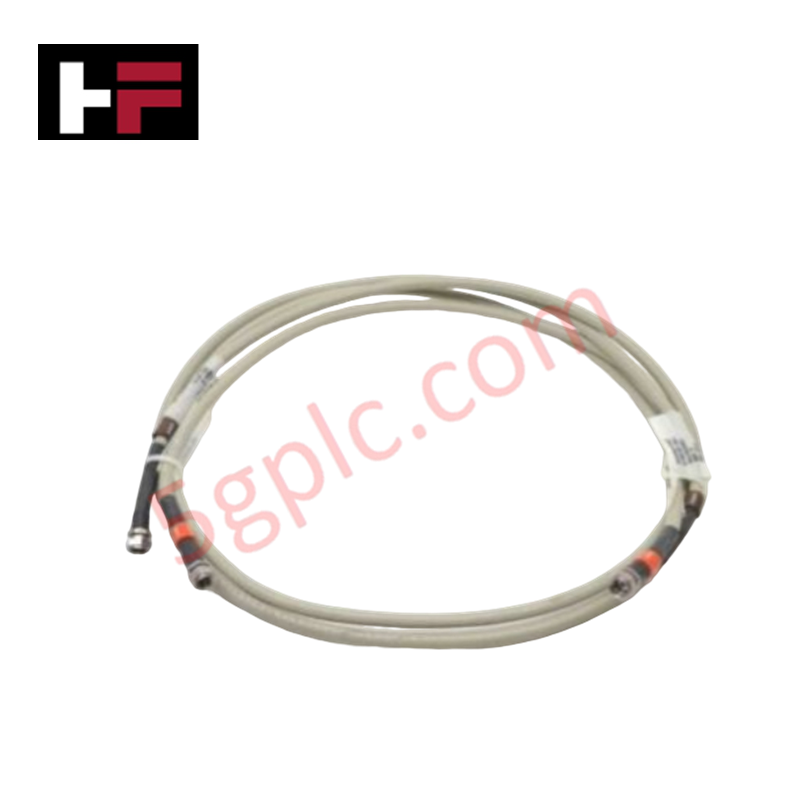
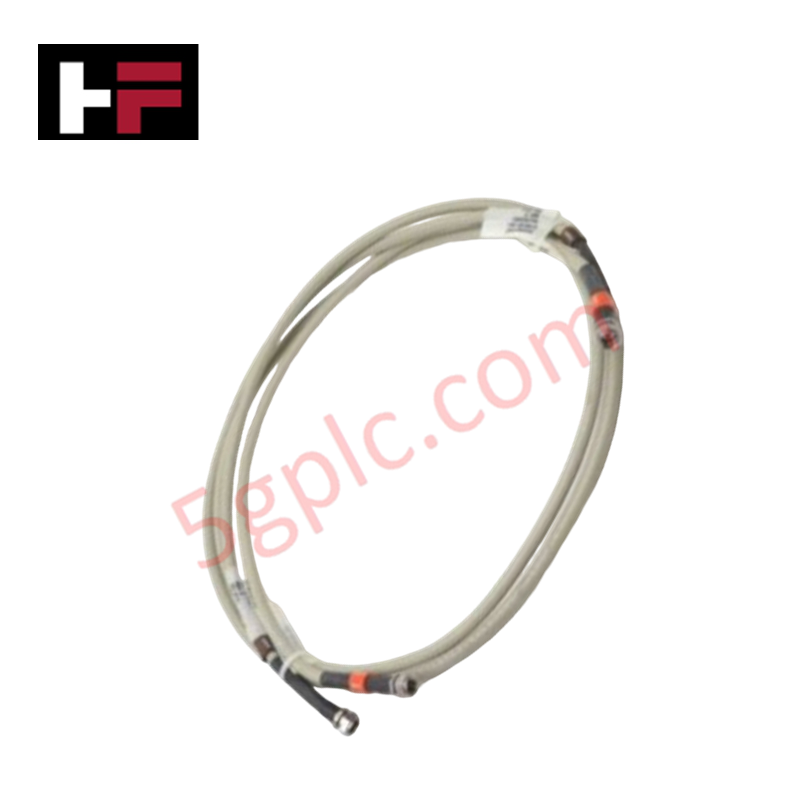
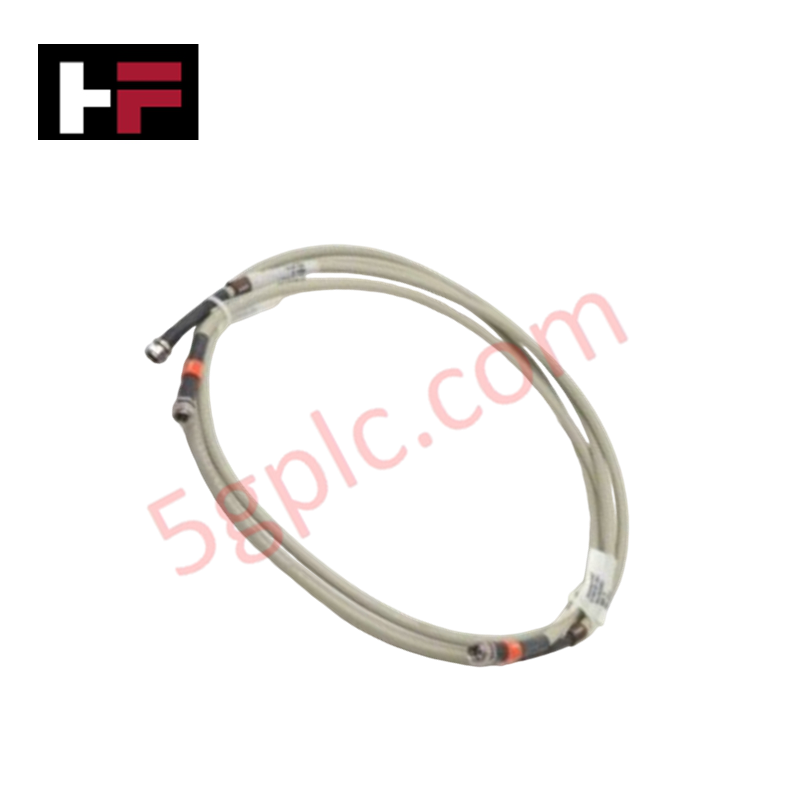
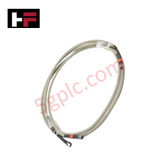
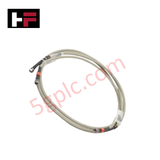
The Honeywell 51195156-300 is a different module, so we focus on the core hardware: The Honeywell 51195199-005, also cataloged as the 51195199-005 Cable Assembly, operates as a dedicated hardware component for high-frequency coaxial drop data routing within control network environments. The coaxial drop interface establishes point-to-point network links between controller nodes, termination blocks, or active tap units, executing continuous electrical carrier frequency transmission.
Hardware Specifications
| Parameter | Specification |
|---|---|
| Model | 51195199-005 |
| Brand | Honeywell |
| Series / Module Type | Legacy Control System / Coaxial Drop Cable |
| Origin | USA |
| Weight | 0.50 kg (1.10 lbs) |
| Dimensions | 5 meters total length assembly |
| Operating Temp | -40 to +70 deg C (Standard physical installation path limit) |
| Power Consumption | Passive component (Zero direct power draw) |
| Cable Type | Coaxial drop network cable |
| Impedance Control | Factory matched transmission line standard |
| System Compatibility | Legacy Honeywell distributed control networks |
Channel-to-Channel Isolation and Electromagnetic Interference Control
The dual-shielded dielectric design of the 51195199-005 provides passive cross-talk suppression and maintains signal boundary definition against adjacent electrical circuits. By utilizing high-coverage braided and foil shields, the coaxial assembly limits high-frequency noise from coupling into industrial process runs. This localized shielding protects the core network data frame from structural degradation, preventing voltage transients from generating common-mode noise across neighboring low-voltage instrumentation loops, such as 4-20 mA HART loop protocol wiring systems inside shared routing trays.
Frequently Asked Questions
Q: Does the installation or extraction of this coaxial drop cable support live hot-swap procedures without network disruption?
A: No. Disconnecting a drop line directly breaks the impedance chain on active control network trunks. Always isolate the network node or confirm redundant path routing before removing the coaxial termination to prevent data drops or signal reflections.
Q: How does the cable construction manage mechanical stress while maintaining channel-to-channel isolation parameters?
A: The solid dielectric layer keeps the inner conductor centered relative to the outer shield matrix. This constant physical geometry ensures uniform characteristic impedance along the 5 meters run, even when bent within acceptable industrial tray parameters.
Field Installation Guidelines
- Bend Radius Restrictions: Route the 5 meters cable through cable trays ensuring the manufacturer minimum dynamic bend radius is not exceeded. Sharp kinking will permanently warp the internal dielectric layer and degrade signal propagation.
- Connector Torque Verification: Hand-tighten the BNC or F-type coaxial terminations onto the transceiver tap block, then turn until the locking collar fully engages. Do not use excessive mechanical tools that may strip the thread paths.
- Physical Path Isolation: Maintain physical distance between this coaxial transmission line and heavy alternating current power lines or variable frequency drive loops to avoid inductive noise injection.
- Environmental Grounding: Ensure the drop cable shield grounds correctly at the tap block termination node. Improper termination grounding breaks the loop isolation, allowing ambient electromagnetic interference to induce packet errors.
Additional Information
- 100% Genuine Parts: All products are original and authentic, ensuring reliable industrial performance.
- 30-Day Refund Guarantee: Return any in-stock item within 30 days in original, unopened packaging for a full refund (excluding shipping and fees).
- 12-Month Warranty: Covers defects in materials or workmanship; excludes misuse, normal wear, or unauthorized modifications.
- Worldwide Shipping: We ship via USPS, UPS, FedEx, and DHL. Delivery times vary by country and may be subject to customs or import fees.
- Support & Contact: Technical and warranty assistance is available anytime. Contact us here: Contact.
- Purchase Guidance: Check product specifications and compatibility carefully before ordering to ensure proper application.


Tech & Buying Guide

Demystifying CPU Communication Ports in Siemens PLC Architectures
Industrial automation relies heavily on robust data exchange between devices. Without seamless connectivity, field instruments, network switches, human-machine interfaces, and programmable logic controllers cannot coordinate effectively. Therefore, understanding the various CPU communication ports available in Siemens hardware ensures efficient factory automation design and seamless system integration.

Mastering the Siemens PLC Scan Cycle: How the CPU Executes Automation Programs
Industrial automation relies heavily on programmable logic controllers (PLCs) to manage complex manufacturing processes. Many engineers dive straight into programming without mastering the underlying architecture. However, understanding how a PLC CPU executes a program ensures reliable system design. Therefore, mastering the scan cycle optimizes both performance and troubleshooting in modern control systems.

How to Connect to Siemens S7 PLCs: 5 Essential Communication Methods
Establishing a reliable hardware link between a programming terminal and a Siemens SIMATIC controller is essential for engineering workflows. Field engineers rely on distinct physical layers, ranging from legacy serial connections to high-speed Industrial Ethernet protocols. Modern factory automation environments prioritize fast data transfer and seamless driver integration. Selecting the correct connection method simplifies program downloads, online monitoring, and system troubleshooting in complex control systems.