










Product Details
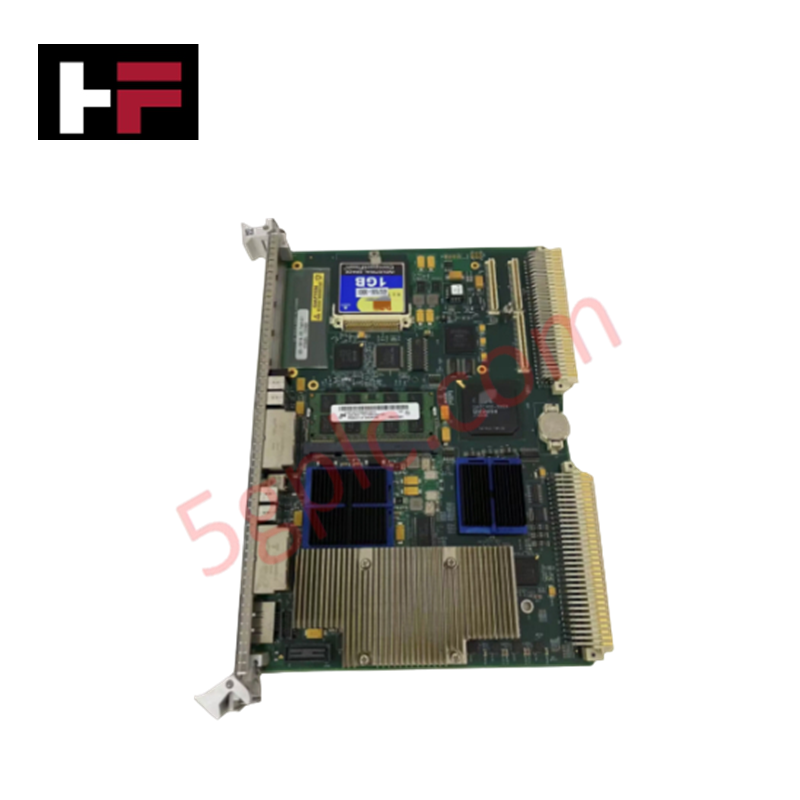
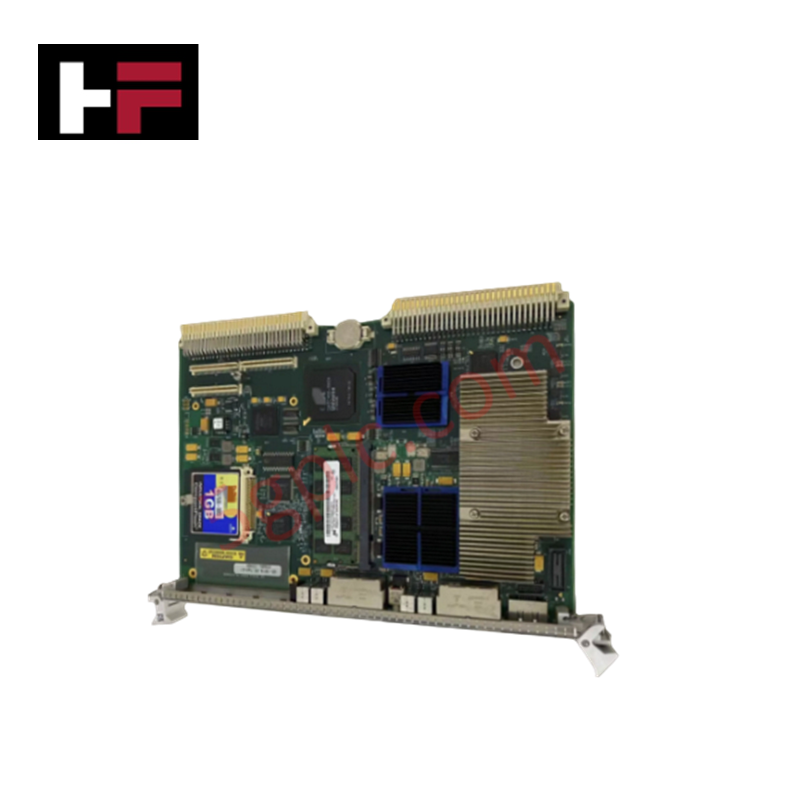
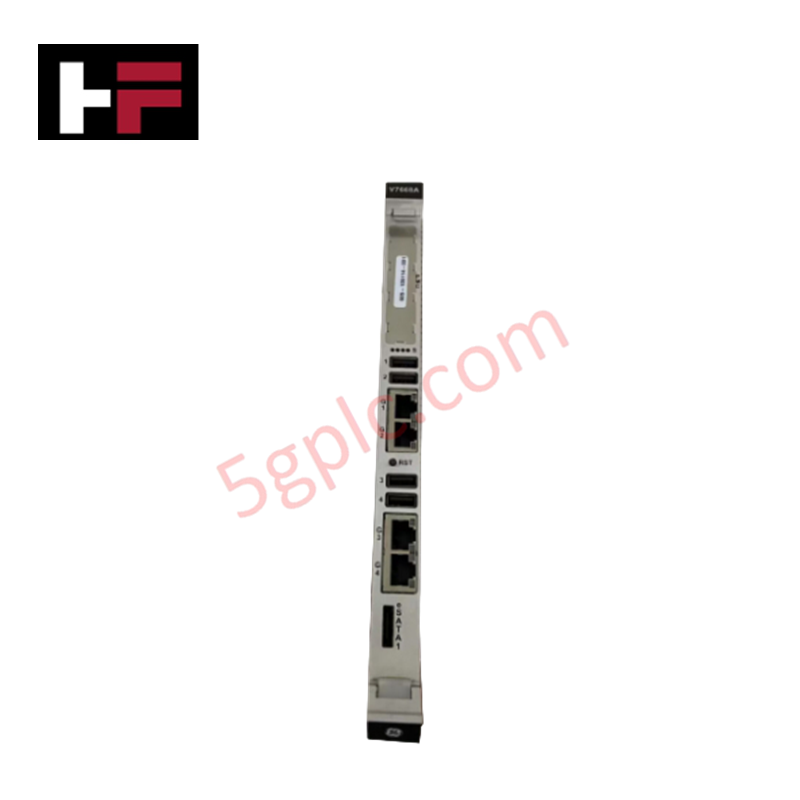
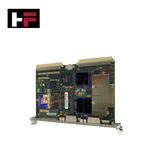
Configured for high-speed computation and board-level system integration in embedded computing platforms, the General Electric V7668A-131000 (V7668A Mainboard) provides direct physical/electrical execution.
Hardware Specifications
| Parameter | Specification |
|---|---|
| Model | V7668A-131000 (Part Number: 605-109114-001) |
| Brand | General Electric |
| Origin | USA |
| Weight | 0.3 kg |
| Dimensions | 10.25 cm x 8.2 cm x 7.2 cm |
| Operating Temp | Standard industrial range |
| Power Consumption | Standard backplane power draw |
| Processor | T7400 Intel Core 2 Duo Mobile |
| Processor Speed | 2.167 GHz |
| SODIMM Memory | 2 GB |
| Soldered Memory | 512 MB |
| CompactFlash Storage | 1 GB |
| Expansion Slots | 1 PMC Slot |
Backplane Bus Communication & Firmware Flash Execution
The board leverages an Intel Core 2 Duo T7400 processor running at 2.167 GHz to achieve maximum processing throughput across backplane bus communication structures. Onboard memory architecture consists of 512 MB soldered RAM combined with a 2 GB SODIMM module to maintain low-latency data access during execution cycles.
Internal firmware flash compatibility and non-volatile storage are managed via an onboard 1 GB CompactFlash slot, allowing system boot routines and real-time operating systems to launch directly at board level. Expansion mezzanine capabilities are enabled via a single PCI Mezzanine Card (PMC) slot, accommodating specialized I/O density scaling without increasing the primary card slot footprint.
Frequently Asked Questions
Q: What memory architecture and expansion options are physically integrated into the board?
A: The mainboard incorporates 512 MB of onboard soldered memory, a 2 GB SODIMM socket, a 1 GB CompactFlash socket for boot storage, and 1 PMC slot for custom mezzanine expansion modules.
Q: How does the processing unit interface with system firmware flash memory?
A: The 2.167 GHz Intel Core 2 Duo processor executes initial boot code directly from onboard flash memory and loads system images directly from the integrated 1 GB CompactFlash card.
Q: Can PMC expansion modules be connected or replaced while the mainboard is energized?
A: No. Power to the primary rack enclosure must be fully isolated prior to seating or unseating any mezzanine card in the PMC slot to prevent physical circuit damage.
Field Installation Guidelines
- Power Isolation: Ensure all primary and auxiliary power sources to the host rack enclosure are completely switched off before installing or removing the board assembly.
- ESD Protection: Wear a grounded electro-static discharge (ESD) wrist strap connected to the metal chassis ground before touching the mainboard surface or components.
- Mezzanine Assembly: If utilizing a PMC expansion card, secure the mezzanine card to the PMC slot using the specified mounting standoffs prior to inserting the mainboard into the system rack.
- Card Slot Insertion: Align the mainboard edge connectors carefully along the enclosure card guide rails, pushing evenly until the assembly fully seats into the backplane connectors.
- Mechanical Fastening: Hand-tighten top and bottom faceplate retaining screws to lock the card in place and ensure frame-ground continuity across the metal panel.
Additional Information
- 100% Genuine Parts: All products are original and authentic, ensuring reliable industrial performance.
- 30-Day Refund Guarantee: Return any in-stock item within 30 days in original, unopened packaging for a full refund (excluding shipping and fees).
- 12-Month Warranty: Covers defects in materials or workmanship; excludes misuse, normal wear, or unauthorized modifications.
- Worldwide Shipping: We ship via USPS, UPS, FedEx, and DHL. Delivery times vary by country and may be subject to customs or import fees.
- Support & Contact: Technical and warranty assistance is available anytime. Contact us here: Contact.
- Purchase Guidance: Check product specifications and compatibility carefully before ordering to ensure proper application.


Tech & Buying Guide

Demystifying CPU Communication Ports in Siemens PLC Architectures
Industrial automation relies heavily on robust data exchange between devices. Without seamless connectivity, field instruments, network switches, human-machine interfaces, and programmable logic controllers cannot coordinate effectively. Therefore, understanding the various CPU communication ports available in Siemens hardware ensures efficient factory automation design and seamless system integration.

Mastering the Siemens PLC Scan Cycle: How the CPU Executes Automation Programs
Industrial automation relies heavily on programmable logic controllers (PLCs) to manage complex manufacturing processes. Many engineers dive straight into programming without mastering the underlying architecture. However, understanding how a PLC CPU executes a program ensures reliable system design. Therefore, mastering the scan cycle optimizes both performance and troubleshooting in modern control systems.

How to Connect to Siemens S7 PLCs: 5 Essential Communication Methods
Establishing a reliable hardware link between a programming terminal and a Siemens SIMATIC controller is essential for engineering workflows. Field engineers rely on distinct physical layers, ranging from legacy serial connections to high-speed Industrial Ethernet protocols. Modern factory automation environments prioritize fast data transfer and seamless driver integration. Selecting the correct connection method simplifies program downloads, online monitoring, and system troubleshooting in complex control systems.