










Product Details
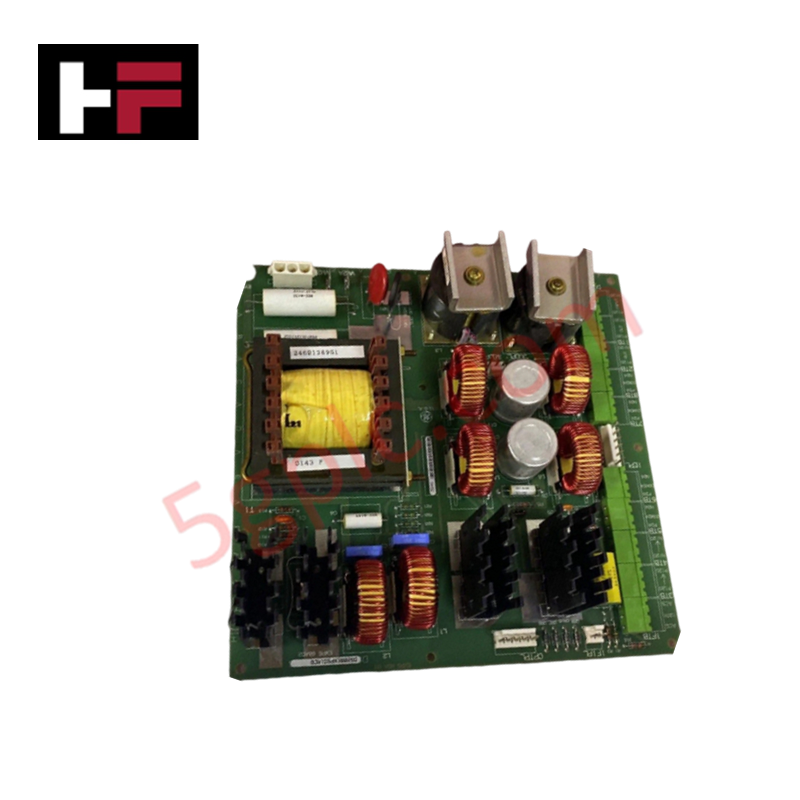
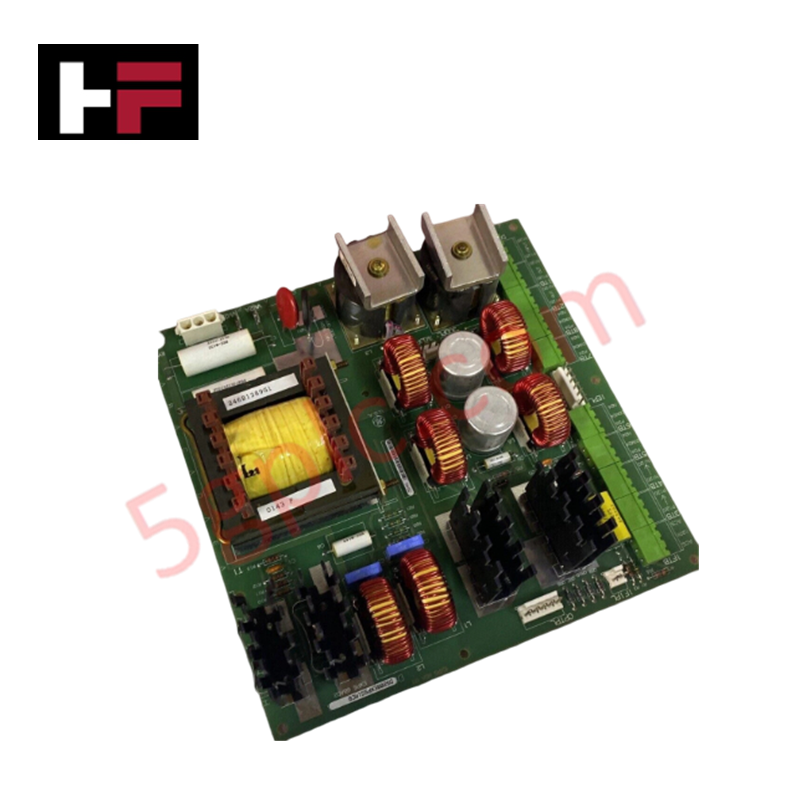
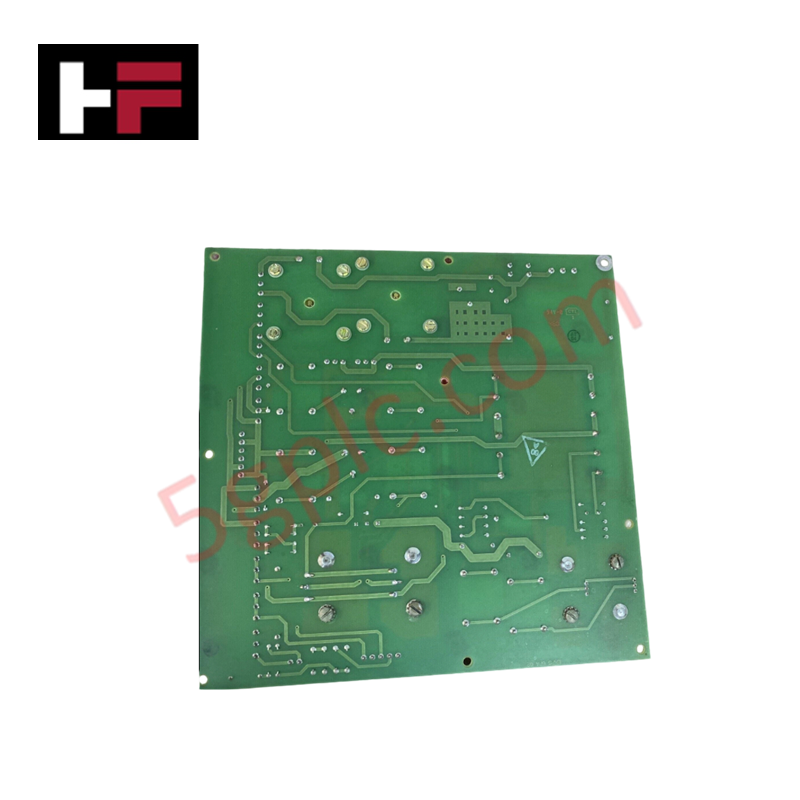
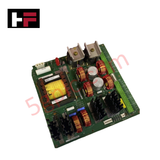
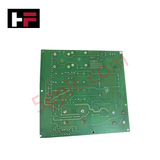
Configured for power regulation and system diagnostics within Mark V turbine control environments, the GE DS200EXPSG1ACB (DS200EXPSG1 Power Supply Board) provides direct physical electrical distribution and status monitoring.
Hardware Specifications
| Parameter | Specification |
|---|---|
| Model | DS200EXPSG1ACB |
| Brand | General Electric |
| Core Components | 1 LED, 3 fuses, 1 reset button, 3 9-pin connectors |
Industrial Control & Firmware Compatibility
The DS200EXPSG1ACB manages local power distribution utilizing a 5C060 programmable logic device to govern system regulation. For operational consistency, the board supports integration into the Mark V Speedtronic architecture, ensuring backplane bus communication velocity remains stable during high-demand turbine control cycles. The onboard diagnostic LED serves as a primary status indicator; steady green illumination confirms successful completion of power-on self-tests. While the board includes a Berg-type JP1 jumper for factory testing, it does not support field-configurable firmware flash updates; system logic remains fixed within the pre-programmed 5C060 device.
Frequently Asked Questions
Q: What does it indicate when the onboard green LED fails to illuminate?
A: A non-illuminated LED signifies that the board has not passed startup diagnostic tests or is experiencing a power fault. Technicians should utilize the designated onboard test points to verify individual circuit voltages as outlined in the GEI-100168 instruction manual.
Q: Can the JP1 jumper be modified to change board operation?
A: No. The JP1 Berg-type jumper is strictly for manufacturing test purposes. Any attempt to modify or move this jumper may disrupt the factory-set logic and is not permitted for field application.
Field Installation Guidelines
- Power Isolation: Before installation or removal, remove all power sources from the assembly. Verify zero voltage potential at all connection points to prevent damage to voltage-sensitive integrated circuits.
- Connector Management: Disconnect all 9-pin connectors in accordance with the sequences defined in the GEI-100168 technical manual. Ensure connectors are seated firmly upon reinstallation to prevent intermittent power fluctuations.
- Handling Precautions: The board contains sensitive surface-mount components. Handle by the edges or mounting hardware to avoid electrostatic discharge (ESD) or accidental contact with hazardous surface voltages present on the base PCB.
- Diagnostic Verification: Following installation, monitor the green LED status. Use the board's test points to validate that output voltage rails align with system requirements before restoring full control logic to the turbine processor.
Additional Information
- 100% Genuine Parts: All products are original and authentic, ensuring reliable industrial performance.
- 30-Day Refund Guarantee: Return any in-stock item within 30 days in original, unopened packaging for a full refund (excluding shipping and fees).
- 12-Month Warranty: Covers defects in materials or workmanship; excludes misuse, normal wear, or unauthorized modifications.
- Worldwide Shipping: We ship via USPS, UPS, FedEx, and DHL. Delivery times vary by country and may be subject to customs or import fees.
- Support & Contact: Technical and warranty assistance is available anytime. Contact us here: Contact.
- Purchase Guidance: Check product specifications and compatibility carefully before ordering to ensure proper application.


Tech & Buying Guide

Understanding VFD Mechanical Brake Logic and Control in Industrial Automation
Variable Frequency Drives (VFDs) play a crucial role in modern industrial automation by controlling motor speed, torque, and acceleration. However, high-inertia loads and vertical lifting systems require precise mechanical braking logic to ensure operational safety and prevent equipment damage.

Why Programmable Logic Controllers Drop into Stop Mode: An Expert Analysis
Industrial automation systems rely heavily on Programmable Logic Controllers (PLCs) to maintain uninterrupted production. When a PLC unexpectedly shifts from Run to Stop mode, whole manufacturing lines stall.
As control systems evolve across modern factory automation, understanding the root causes of these interruptions helps engineers minimize costly downtime. This technical guide breaks down why PLCs trip into Stop mode and provides practical strategies to mitigate system faults.

Understanding Root Causes of Unplanned PLC Stop Mode in Industrial Automation
Modern Programmable Logic Controllers manage execution through distinct operational states: Run, Stop, Start-Up, and Hold. During power-up, a controller initializes memory registers within Stop mode before briefly transitioning to Start-Up mode. During this phase, internal self-diagnostics evaluate system integrity across hardware and user programs. If the controller detects no critical faults, it enters Run mode to execute the control program continuously. However, any severe system anomaly forces the CPU back into Stop mode immediately to prevent erratic machine behavior across the plant floor.