










Product Details
Product Description
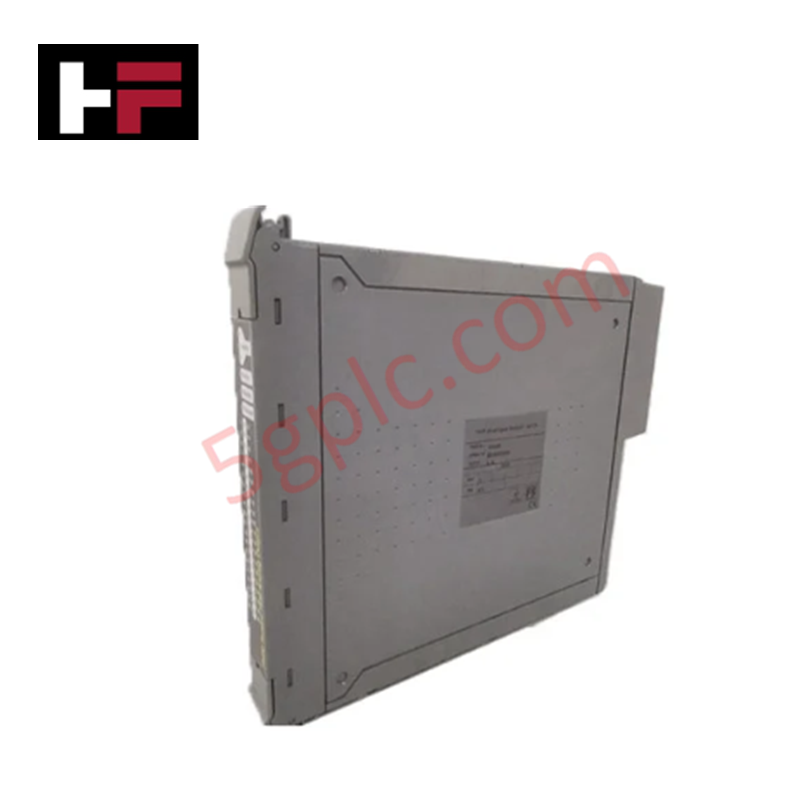
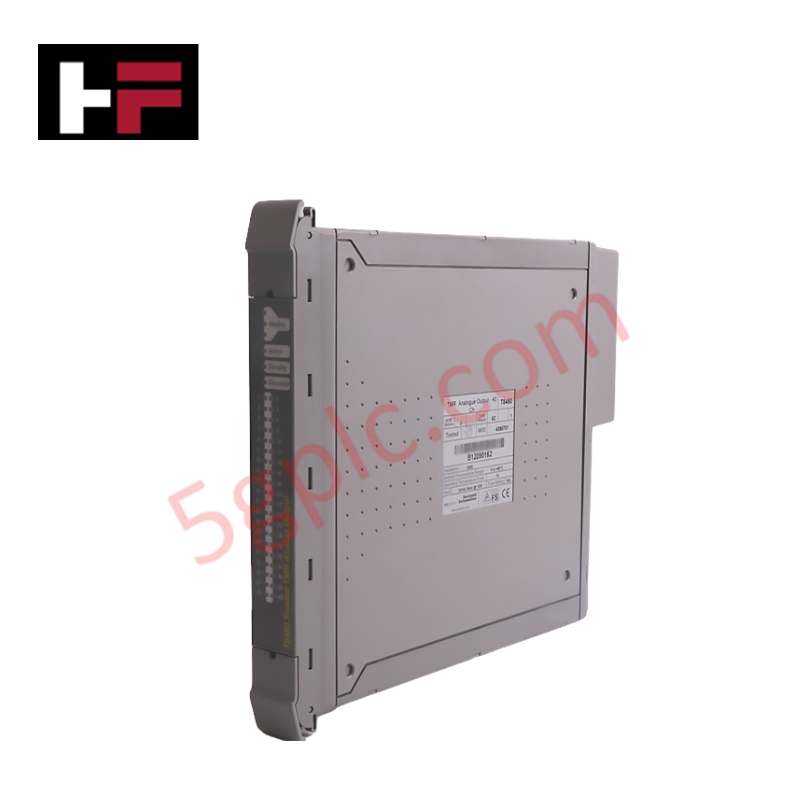
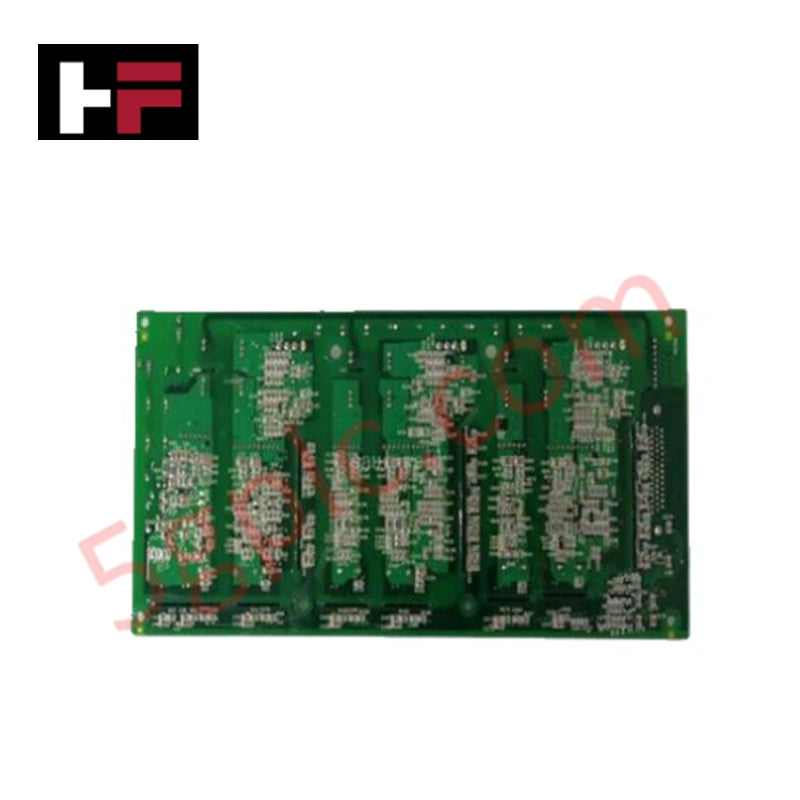
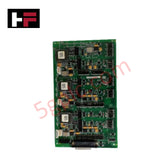
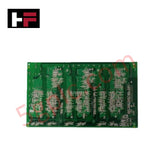
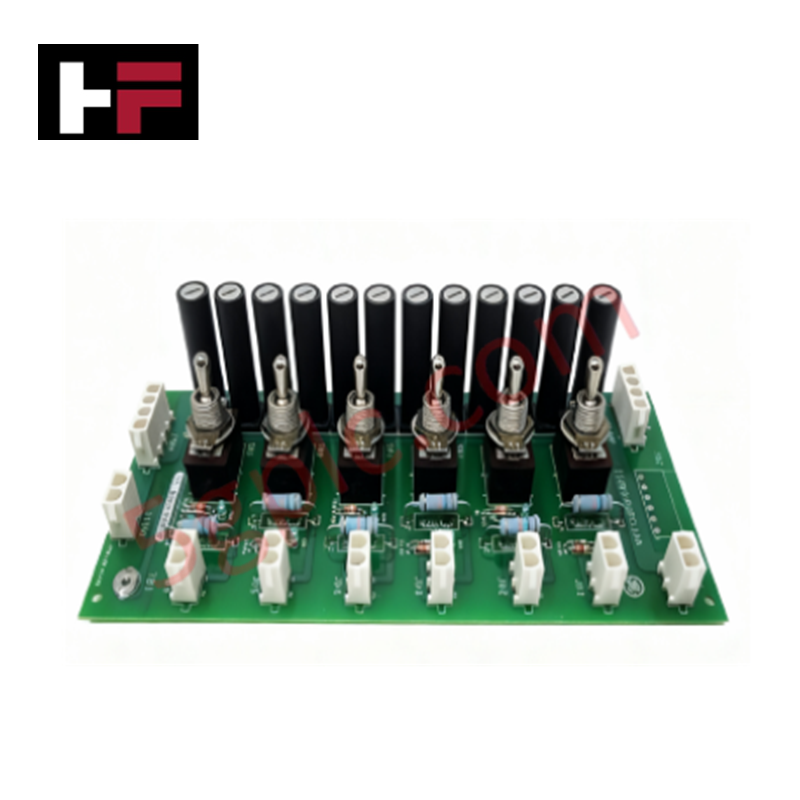
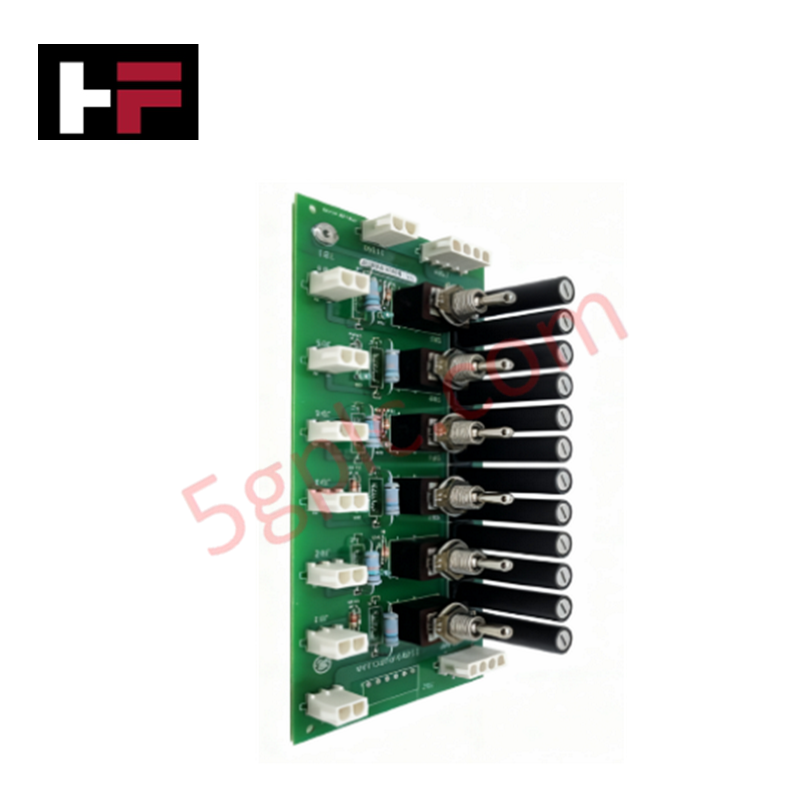
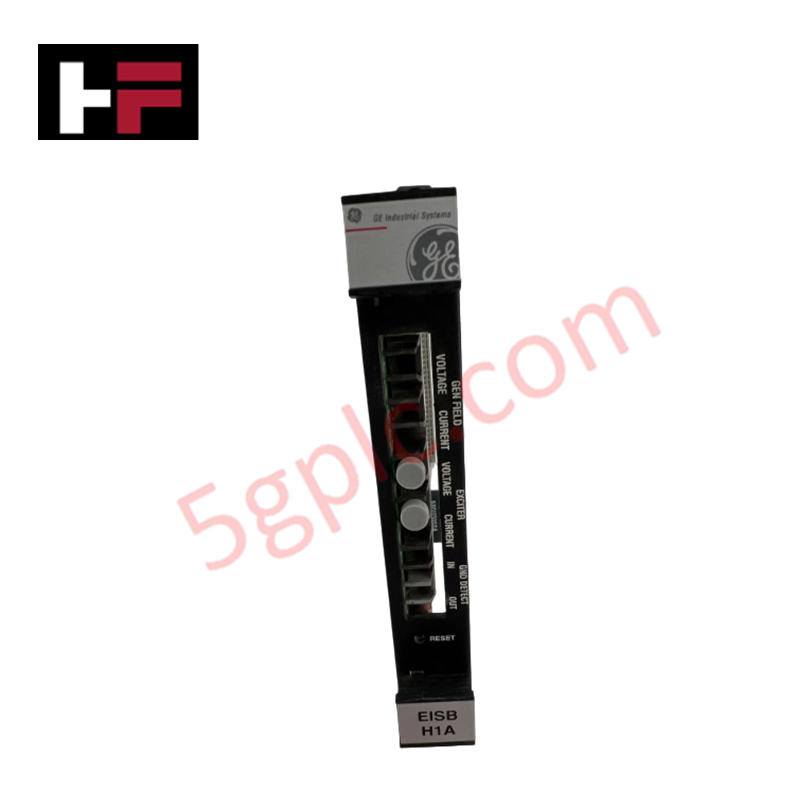
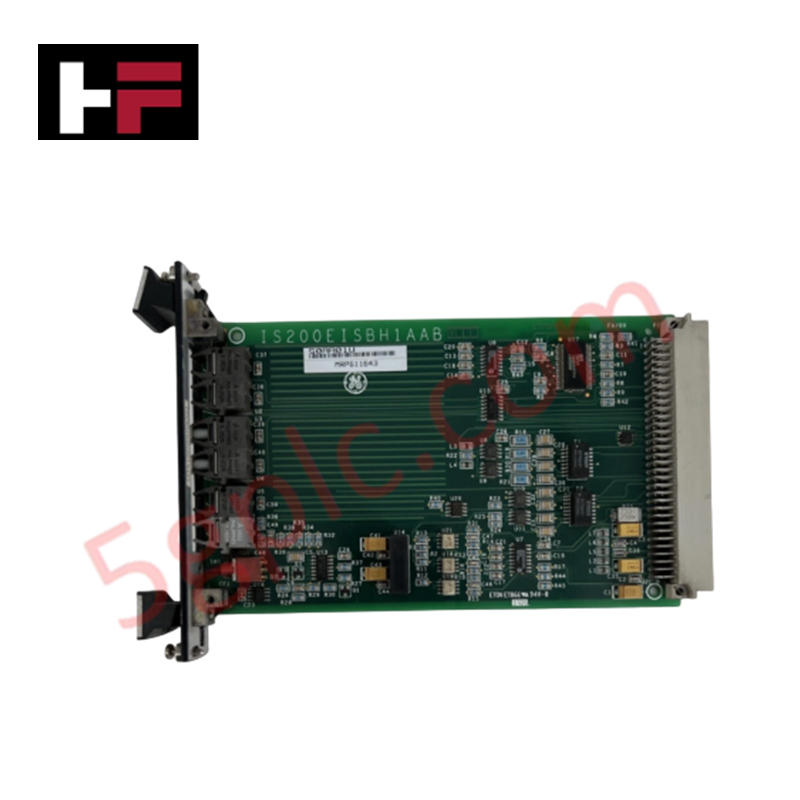
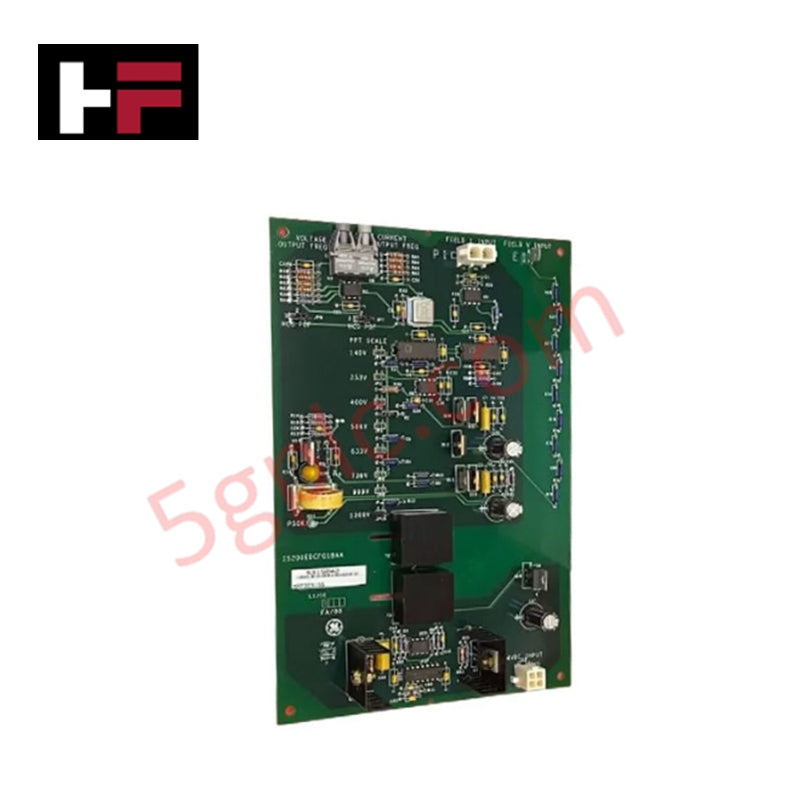
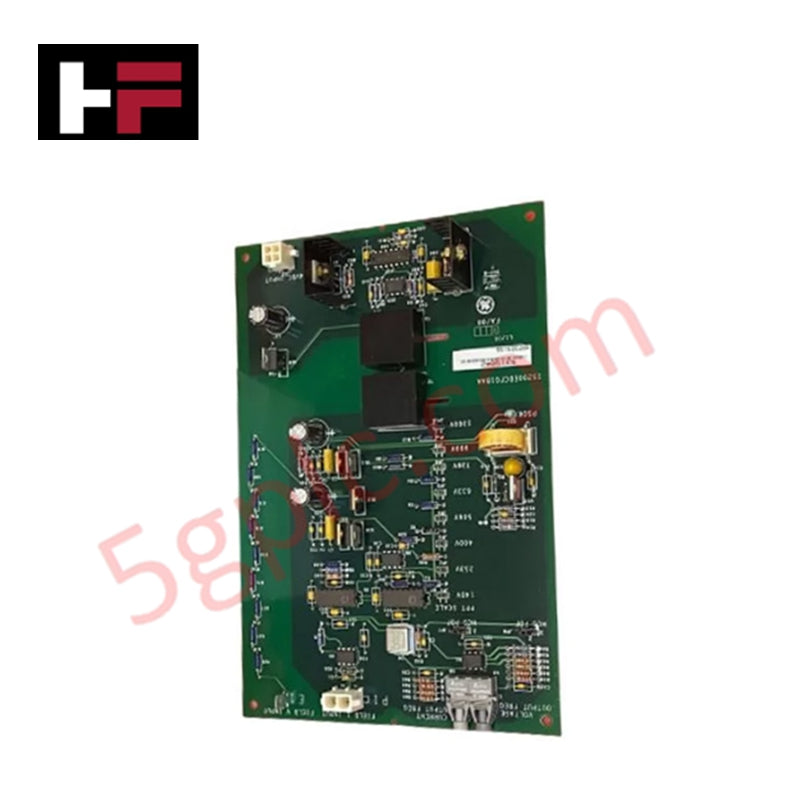
The IS210AEBIH3BEC Bridge Interface Card is a compact I/O board manufactured by GE Fanuc, designed for integration within wind turbine and industrial automation systems. This module plays a critical role in managing data communication and control, ensuring seamless operation across connected subsystems. Built with a robust design, it meets the reliability standards required for demanding industrial environments.
Technical Specifications
-
Model Number: IS210AEBIH3BEC
-
Manufacturer: General Electric (GE Fanuc)
-
Series/Family: Mark VIe Control System
-
Product Type: Bridge Interface I/O Board
-
Dimensions: 14.8 cm (L) × 10.3 cm (W) × 3.2 cm (H)
-
Weight: 0.24 kg
-
Country of Origin: United States
-
Applications: Wind turbines, industrial automation systems
-
Role: Facilitates data input/output and ensures control within automation systems
-
Key Features:
-
Reliable data communication between system components
-
Supports integration with monitoring and control subsystems
-
Rugged construction for durability in harsh environments
Application Scenarios
-
Wind turbine control systems requiring efficient data exchange
-
Industrial automation platforms with distributed I/O requirements
-
Power generation systems needing robust communication modules
FAQ
Q: What is the primary function of the IS210AEBIH3BEC? A: It manages data input/output and ensures reliable communication between turbine control subsystems.
Q: Is this board suitable for non-turbine applications? A: Yes, it can be used in broader industrial automation systems requiring robust I/O communication.
Q: What makes this board durable for industrial use? A: It is designed with a rugged construction that meets reliability and durability standards for harsh environments.
Comparable Models
-
IS210AEBIH3BAA – Earlier revision with limited integration features.
-
IS210AEBIH3BFA – Enhanced version offering extended monitoring capabilities.
Additional Information
- 100% Genuine Parts: All products are original and authentic, ensuring reliable industrial performance.
- 30-Day Refund Guarantee: Return any in-stock item within 30 days in original, unopened packaging for a full refund (excluding shipping and fees).
- 12-Month Warranty: Covers defects in materials or workmanship; excludes misuse, normal wear, or unauthorized modifications.
- Worldwide Shipping: We ship via USPS, UPS, FedEx, and DHL. Delivery times vary by country and may be subject to customs or import fees.
- Support & Contact: Technical and warranty assistance is available anytime. Contact us here: Contact.
- Purchase Guidance: Check product specifications and compatibility carefully before ordering to ensure proper application.




Tech & Buying Guide

Redundant Automation Systems: Core Architecture, Business Value, and Technical Advantages
Unplanned downtime poses a major financial threat to process manufacturing. To prevent costly interruptions, engineers deploy redundant PLC and DCS architectures that ensure continuous operation when hardware fails. This technical guide explores redundancy principles, critical system nodes, and real-world scenarios.

Preventing Emergency Stop Spurious Trips in Industrial Control Systems
Emergency Stop pushbuttons use Normally Closed contacts for fail-safe safety, but mechanical wear can cause costly spurious trips. This technical guide examines E-Stop contact failure root causes, redundant hardware setups, PLC logic monitoring, and maintenance strategies to maximize plant availability.

Why 24V DC Is the Universal Standard for Industrial Automation Power Supplies
Industrial manufacturing requires continuous uptime to prevent equipment damage. Unlike AC power, 24V DC circuits seamlessly integrate with UPS units and battery banks. During main grid failures, a 24V DC backup system instantly maintains PLC memory, instrument loops, and critical safety valves without interruption.