

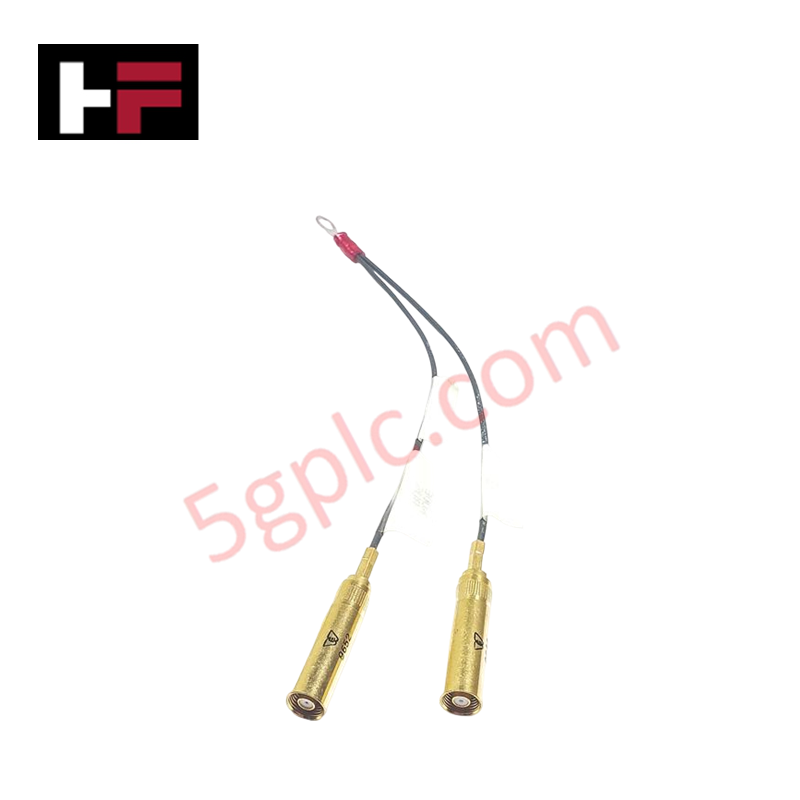

Product Details
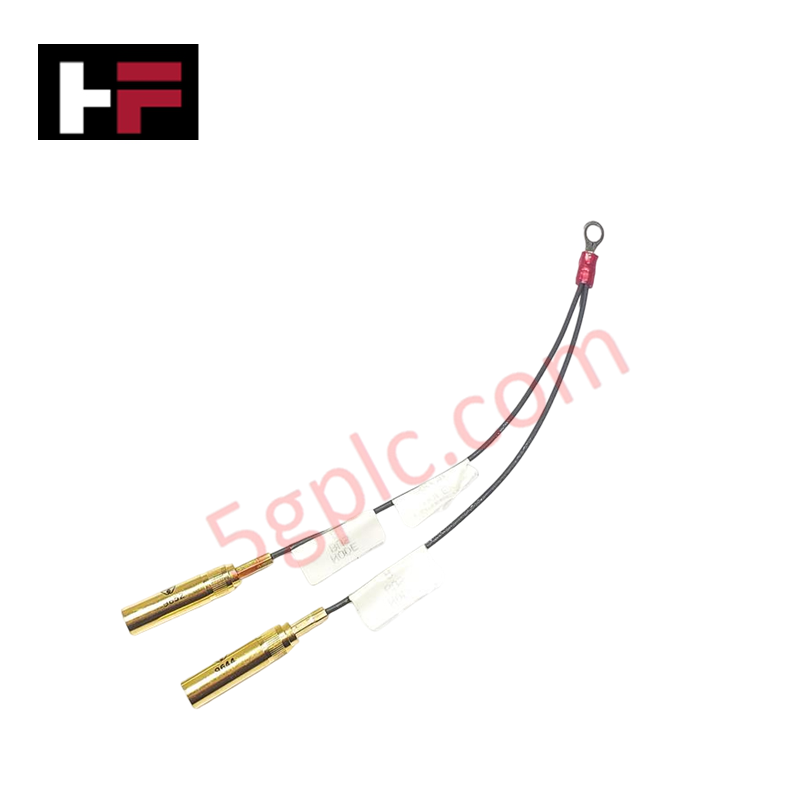
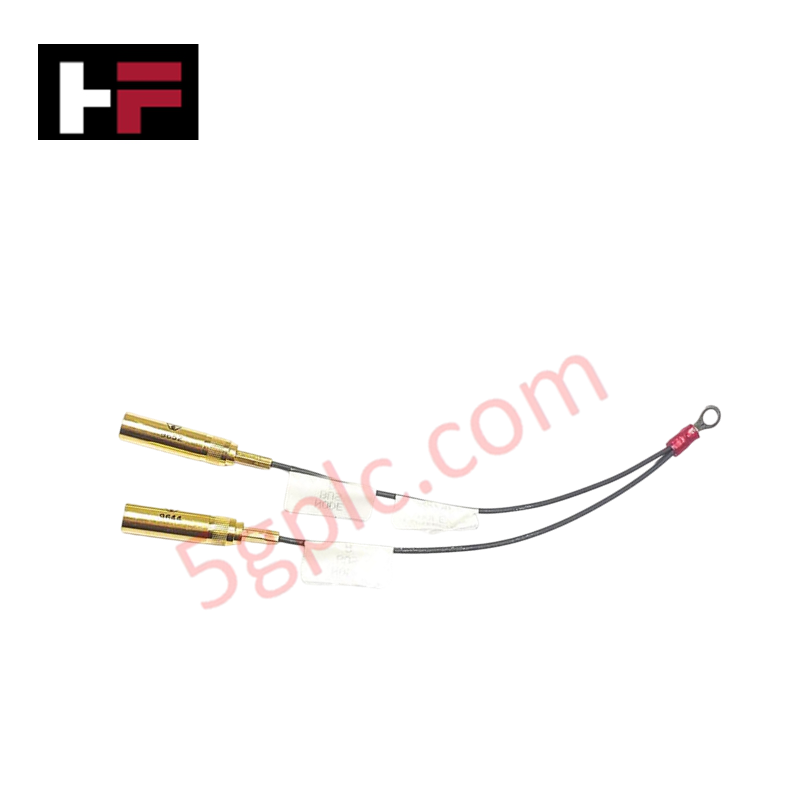
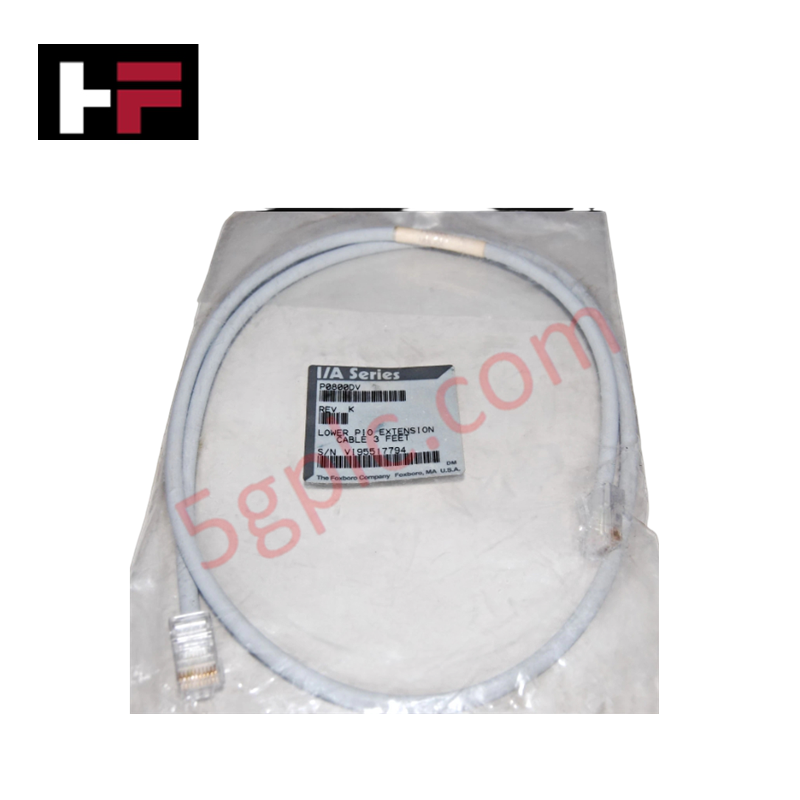
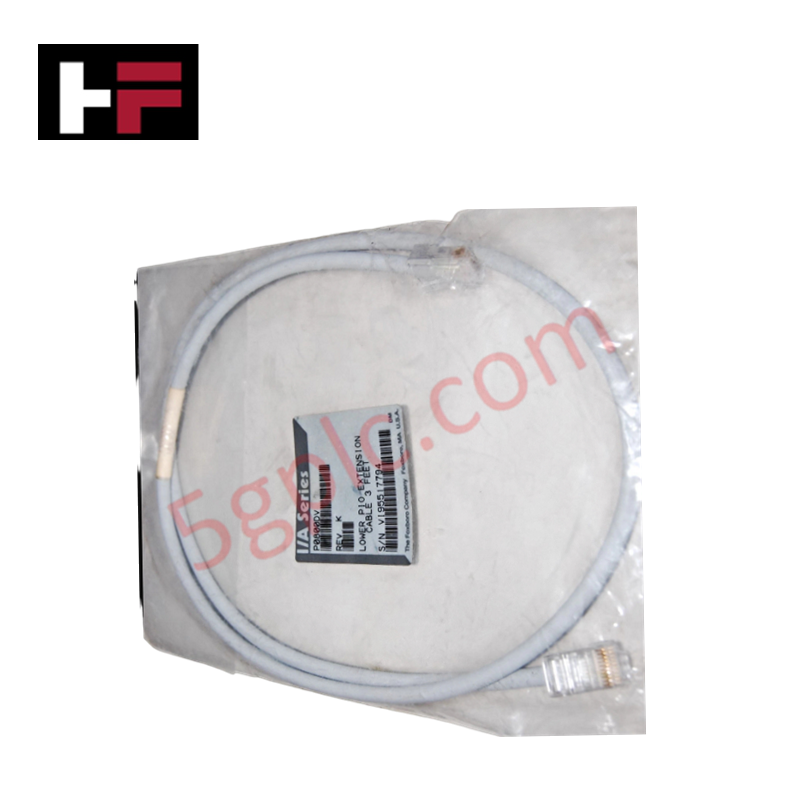
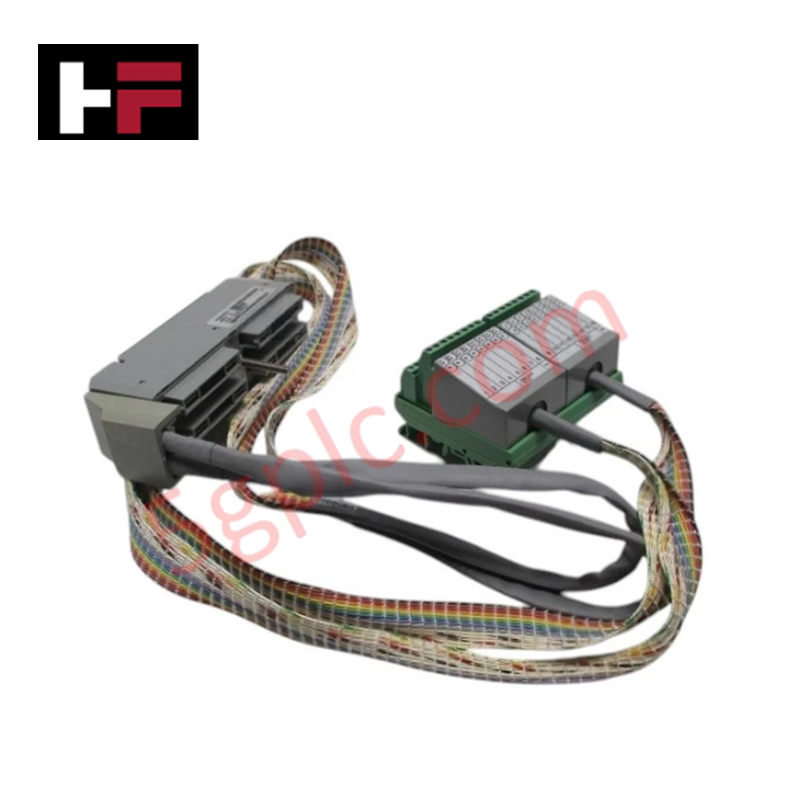
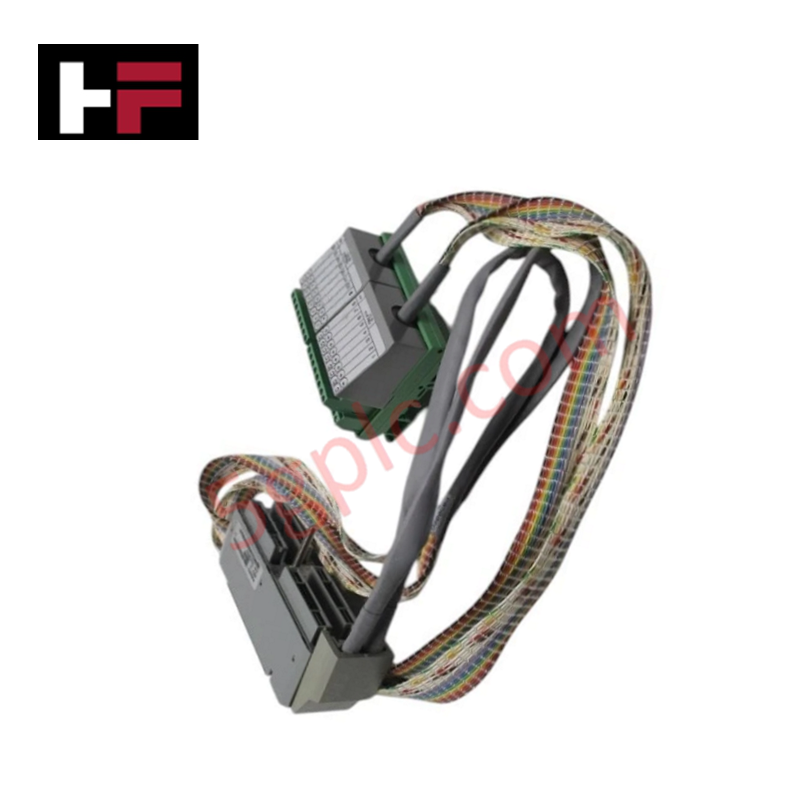
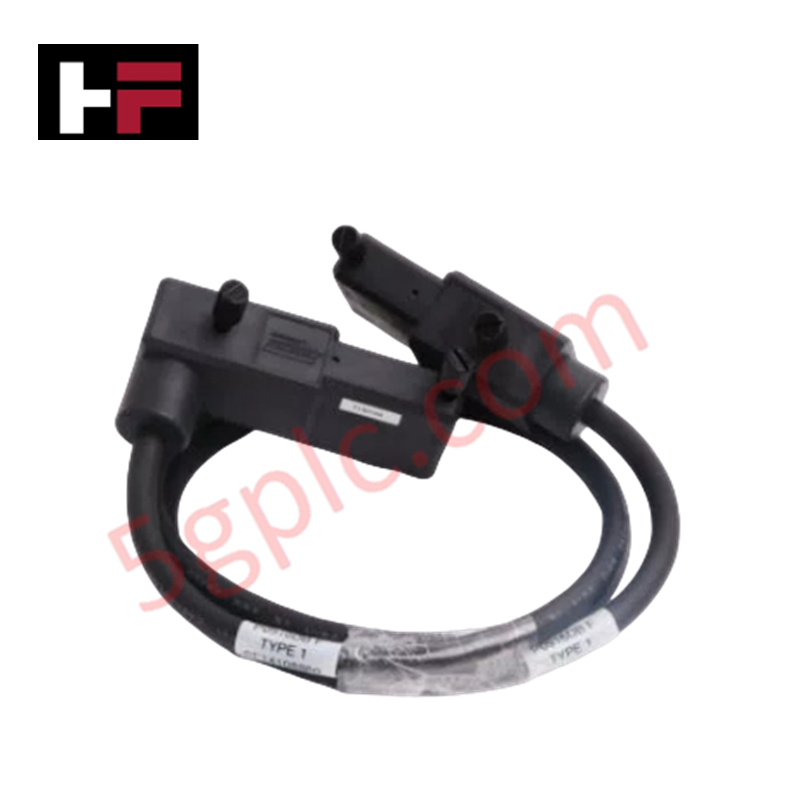
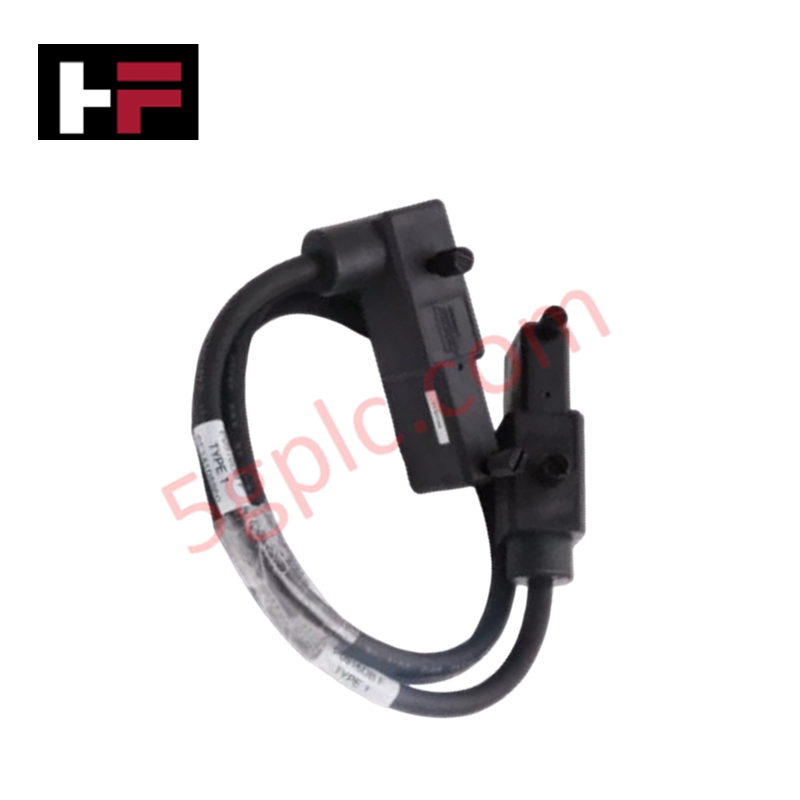
Configured for high-frequency coaxial signal routing and redundant bus interconnection in Foxboro I/A Series networks, the Foxboro P0912CM (P0912CM Dual Coax Cable) provides direct physical/electrical execution. It establishes dual-channel coaxial communications between nodebus extension interfaces, local sub-racks, and control processor assemblies.
Hardware Specifications
| Parameter | Specification |
|---|---|
| Model | P0912CM |
| Brand | Foxboro |
| Origin | USA |
| Operating Temp | -20 deg C to +70 deg C |
| Power Consumption | Passive signal conductor |
| Cable Type | Dual coaxial assembly |
| Impedance | Matched coaxial bus impedance |
| System Compatibility | Foxboro I/A Series / InFusion DCS |
Cold Junction Compensation and Loop Signal Isolation
The Foxboro P0912CM incorporates high-density double-braided shielding across both coaxial channels to maintain low signal attenuation and suppress high-frequency electromagnetic interference. By preserving signal ground continuity across local bus segments, the cable prevents common-mode noise propagation into analog input channels executing cold junction compensation (CJC) algorithms and 4-20 mA HART loop protocol telemetry.
Frequently Asked Questions
Q: What network function does the P0912CM dual coax cable serve within a Foxboro I/A Series architecture?
A: The P0912CM provides dual-channel coaxial signal routing to interconnect redundant system nodes, baseplates, or bus extension modules.
Q: Does the P0912CM cable assembly require external impedance matching terminators?
A: The cable is manufactured to exact impedance specifications for Foxboro coaxial bus interfaces; termination requirements depend on baseplate position within the bus segment layout.
Field Installation Guidelines
When laying the P0912CM dual coaxial cable, ensure connectors are fully aligned and hand-tightened to baseplate BNC/coaxial headers before securing lock rings. Maintain a minimum bend radius of 10 times the outer cable diameter to avoid crushing or altering the internal dielectric spacing.
Route dual coaxial lines inside low-voltage wiring troughs, separated from high-power AC distribution circuits and motor drives. Connect cable shields to the primary cabinet single-point ground bus per system layout documentation. Where cabinet penetrations require threaded conduit fittings, ensure all NPT connections achieve 5 full threads of engagement.
Additional Information
- 100% Genuine Parts: All products are original and authentic, ensuring reliable industrial performance.
- 30-Day Refund Guarantee: Return any in-stock item within 30 days in original, unopened packaging for a full refund (excluding shipping and fees).
- 12-Month Warranty: Covers defects in materials or workmanship; excludes misuse, normal wear, or unauthorized modifications.
- Worldwide Shipping: We ship via USPS, UPS, FedEx, and DHL. Delivery times vary by country and may be subject to customs or import fees.
- Support & Contact: Technical and warranty assistance is available anytime. Contact us here: Contact.
- Purchase Guidance: Check product specifications and compatibility carefully before ordering to ensure proper application.
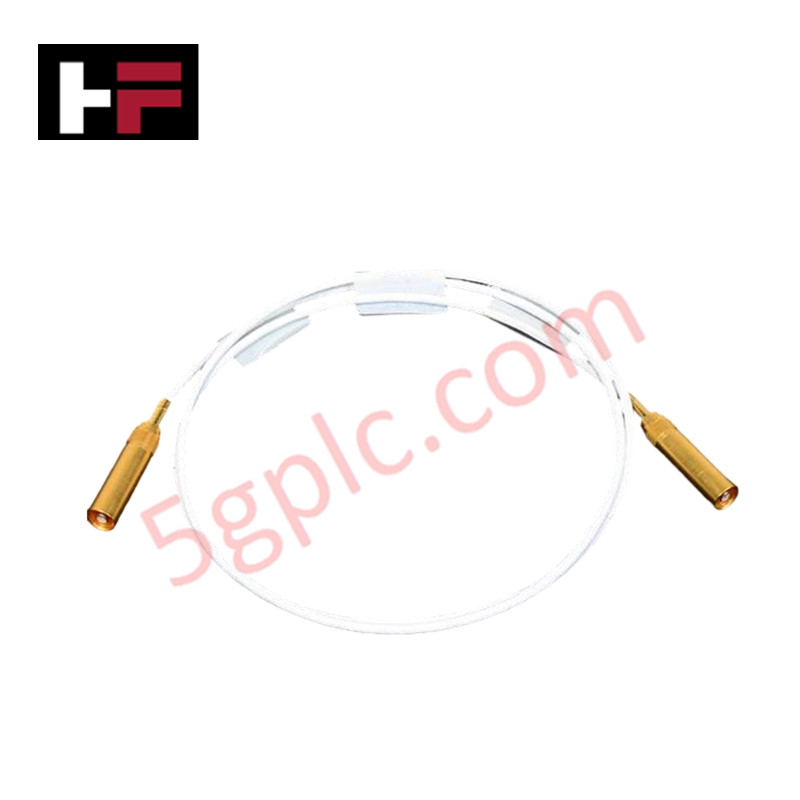

Tech & Buying Guide

Managed Switch vs. Unmanaged Switch: Industrial Ethernet Architecture

Hot Standby vs. Cold Standby Redundancy in Industrial Automation
System availability determines process safety and productivity in industrial automation. Control engineers deploy redundancy to eliminate single points of failure. This technical guide evaluates Hot Standby vs. Cold Standby architectures, comparing failover speeds, memory sync, cost trade-offs, and field selection criteria.