
Product Details
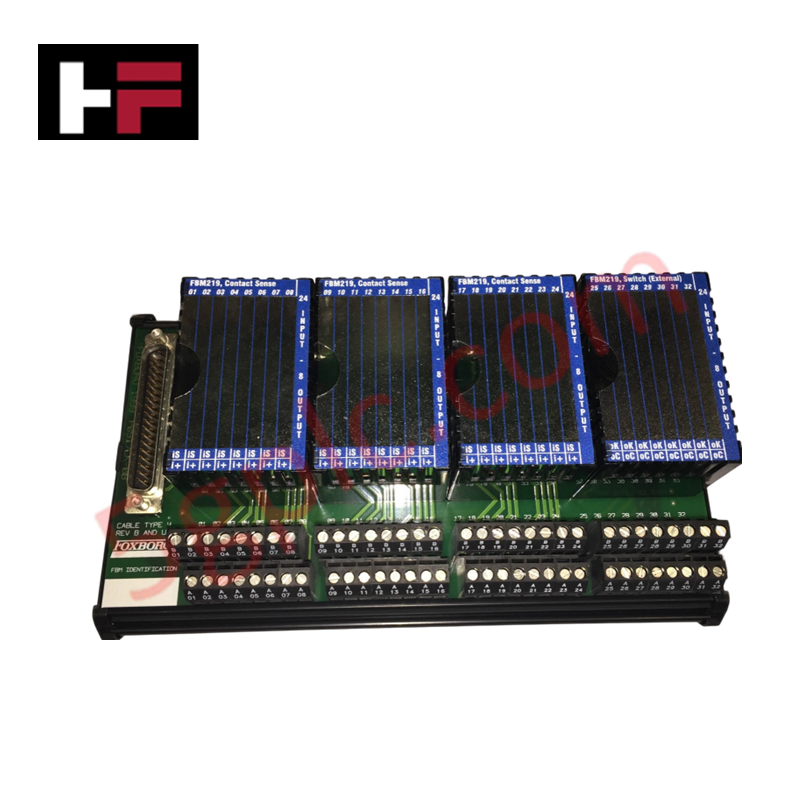
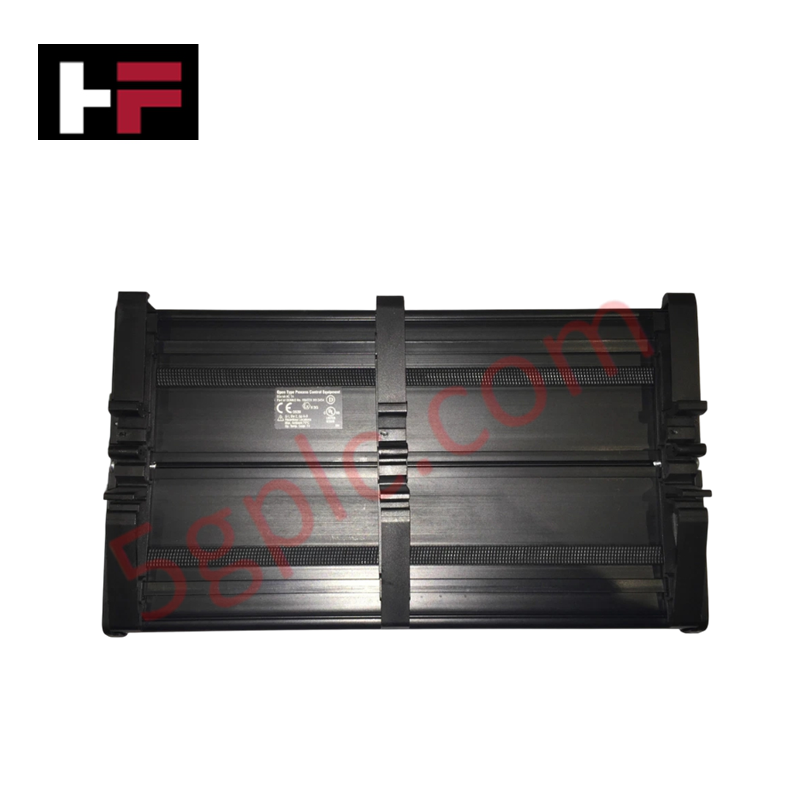
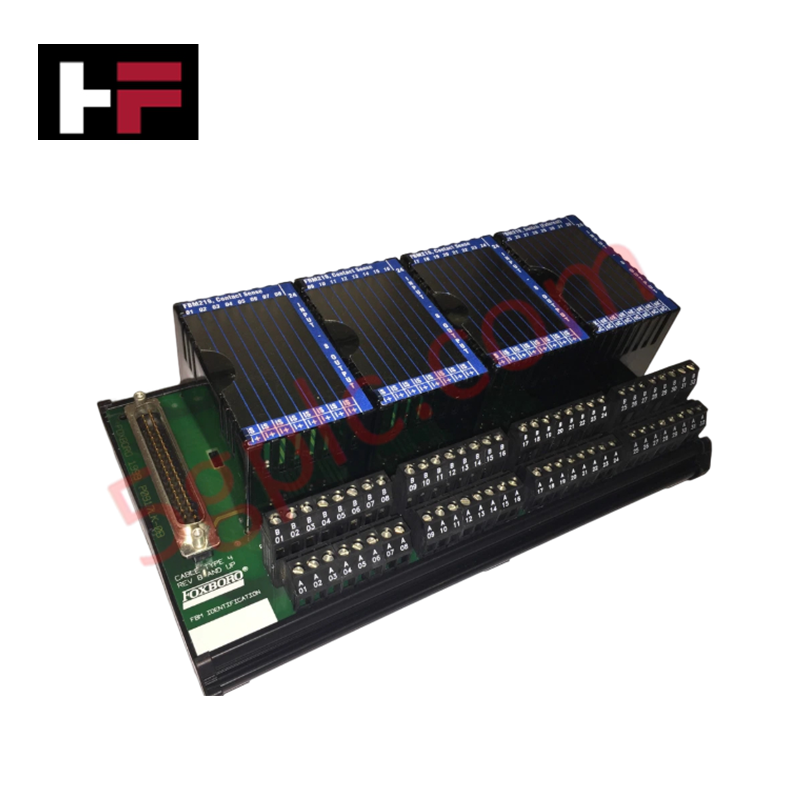
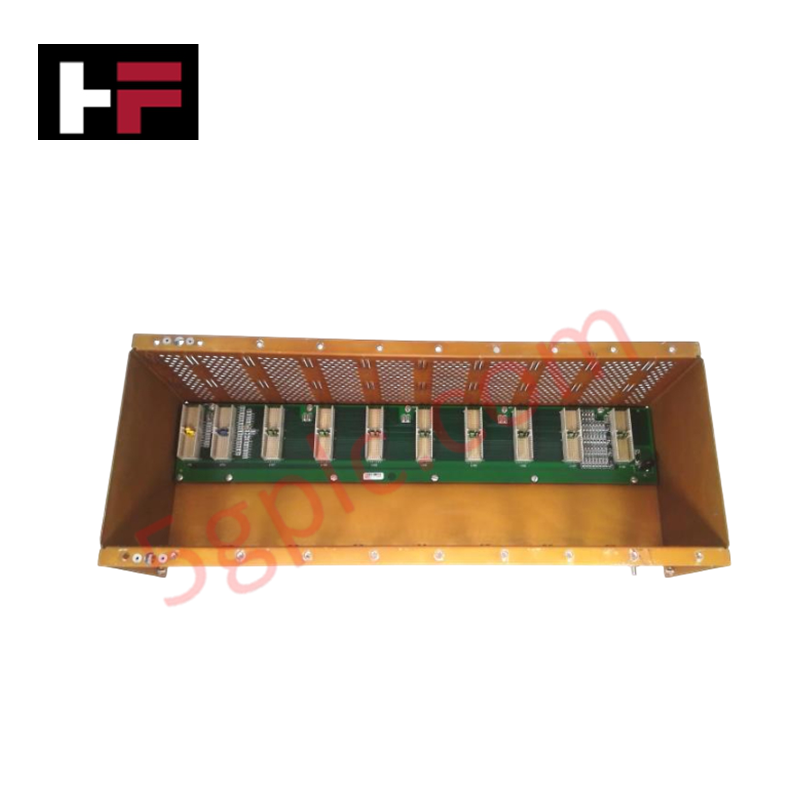
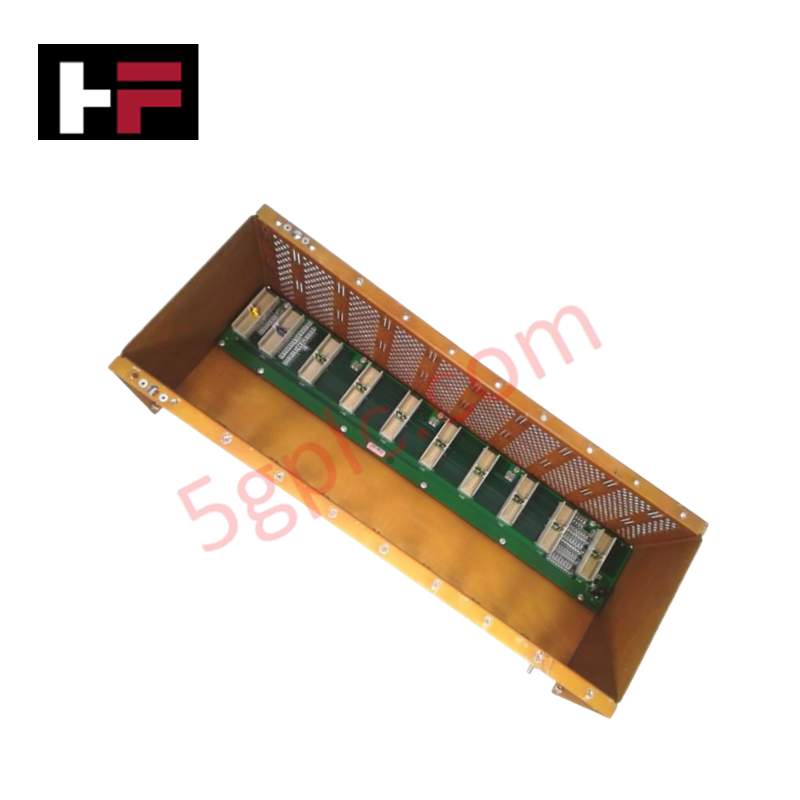
Configured for field signal termination in I/A Series distributed control systems, the Foxboro Invensys FBM219 P0917LH (FBM219 Termination Assembly) provides direct physical/electrical execution for high-density interface connectivity between field devices and I/O modules.
Suffix Breakdown & Model Matrix
The P0917LH designation identifies this specific termination assembly model as the hardware interface component for the FBM219 module series. It serves as a passive wiring junction, ensuring signal continuity without internal active processing circuitry.
Hardware Specifications
| Parameter | Specification |
|---|---|
| Model | FBM219 (P0917LH) |
| Brand | Foxboro Invensys |
| Origin | Not Specified |
| Weight | Not Specified |
| Dimensions | Not Specified |
| Operating Temp | Standard Industrial |
| Power Consumption | Passive (None) |
| Interface Type | Field Termination Assembly |
Process Control: HART Loop Protocol and Connectivity
The P0917LH assembly acts as the physical bridge for signal loops, maintaining the integrity required for 4-20 mA HART loop protocol communications. By providing a fixed-point terminal arrangement, the assembly ensures low-impedance signal paths, which is mandatory for effective digital data transmission over analog loops. The termination architecture supports rigorous channel-to-channel isolation by maintaining physical separation between loop circuits, thereby preventing cross-talk and limiting the propagation of electrical transients into the I/O baseplate.
Frequently Asked Questions
Q: Is this assembly compatible with redundant I/O configurations?
A: Yes, the P0917LH termination assembly is designed to support the mechanical and electrical requirements of standard I/A Series redundant I/O module setups.
Q: Does this component require firmware or configuration software?
A: No. The P0917LH is a passive hardware component and contains no firmware, internal logic, or configurable settings. It functions strictly as a field-to-module wiring interface.
Field Installation Guidelines
- Mounting: Secure the assembly onto the designated rail within the I/O cabinet. Ensure the ribbon cable connector is fully seated and latched to the corresponding I/O module.
- Grounding: Terminate all cable shields to the common ground bar integrated within the P0917LH assembly. This creates a low-resistance path to instrument ground, which is necessary for noise suppression in HART-enabled loops.
- Wiring: Verify that all screw terminal connections are tightened to the specified torque. Use appropriate wire management to ensure that high-voltage lines are kept separate from low-voltage HART signal loops to prevent induced electrical noise.
Additional Information
- 100% Genuine Parts: All products are original and authentic, ensuring reliable industrial performance.
- 30-Day Refund Guarantee: Return any in-stock item within 30 days in original, unopened packaging for a full refund (excluding shipping and fees).
- 12-Month Warranty: Covers defects in materials or workmanship; excludes misuse, normal wear, or unauthorized modifications.
- Worldwide Shipping: We ship via USPS, UPS, FedEx, and DHL. Delivery times vary by country and may be subject to customs or import fees.
- Support & Contact: Technical and warranty assistance is available anytime. Contact us here: Contact.
- Purchase Guidance: Check product specifications and compatibility carefully before ordering to ensure proper application.




Tech & Buying Guide

Importance of Safety Barriers in PLC and DCS Control Systems

Static UPS vs. Rotary UPS: Technical Evaluation for Industrial Automation