











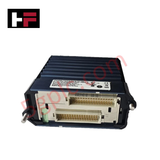
Product Details
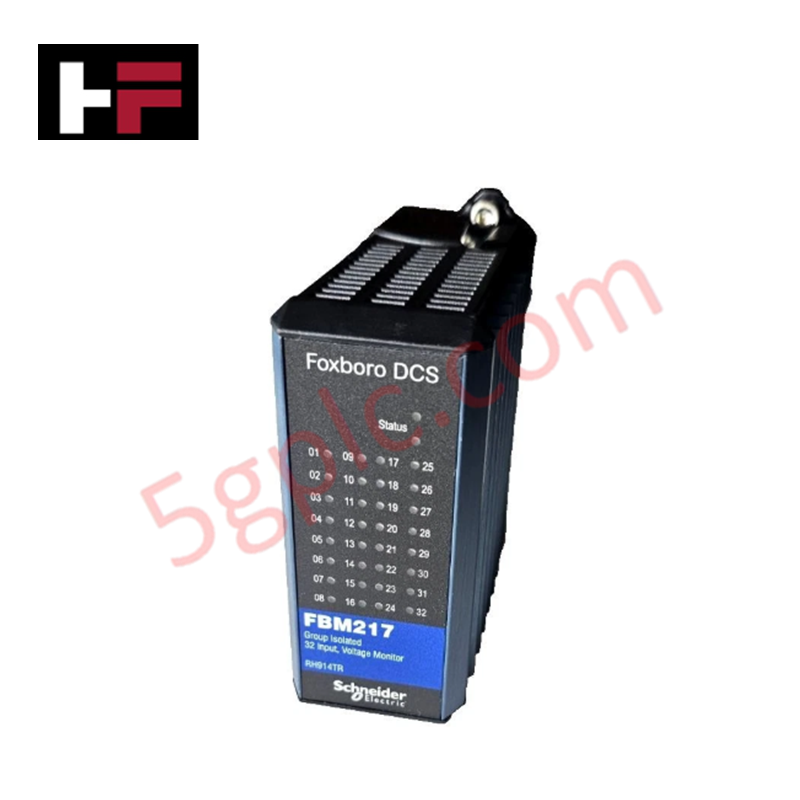
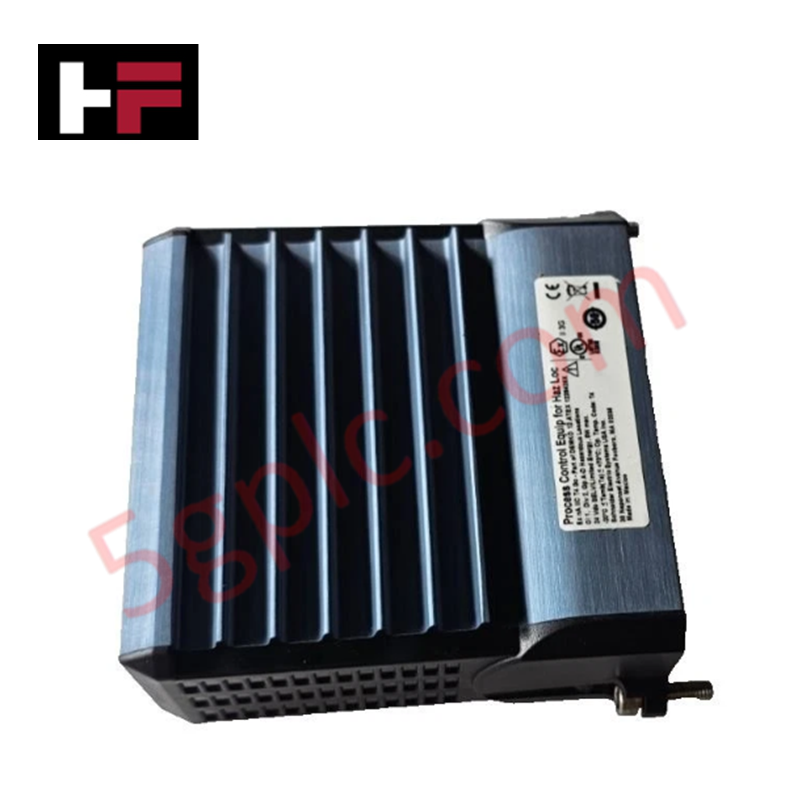
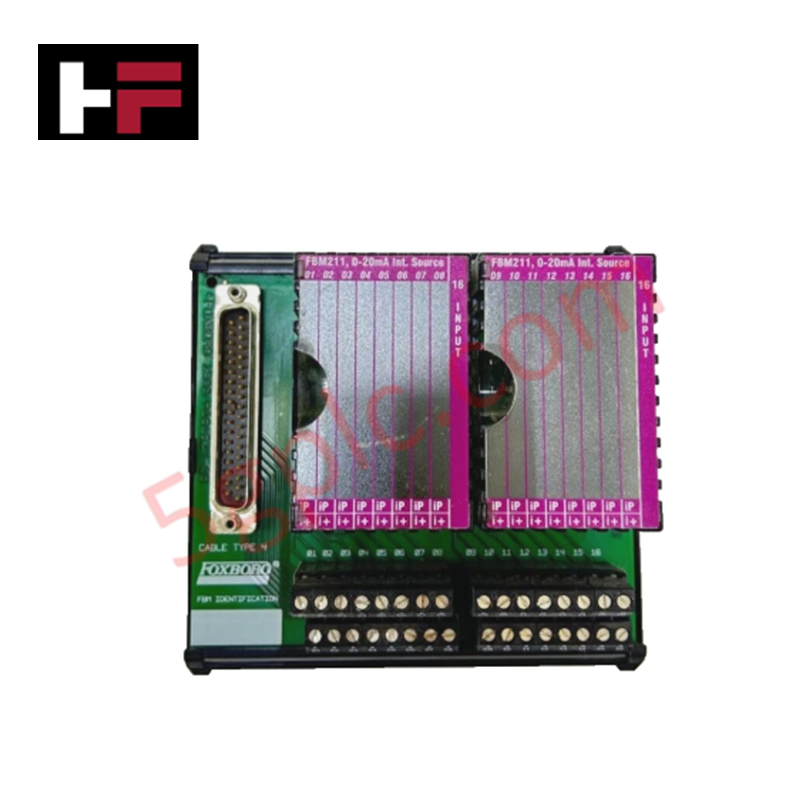
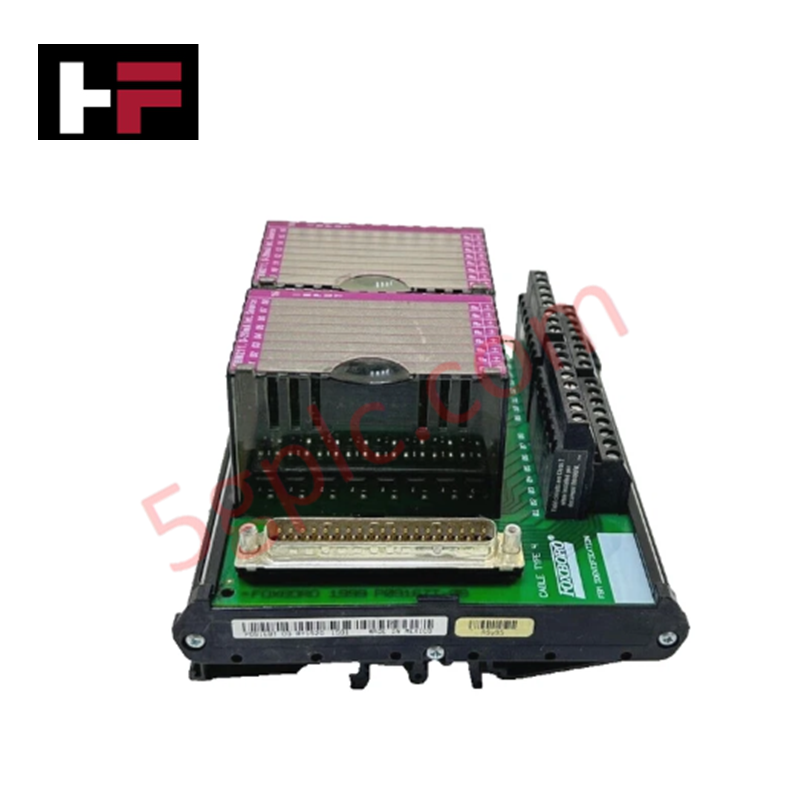
Configured for high-density signal acquisition in I/A Series control networks, the Foxboro FBM217 RH914TR (FBM217 Discrete Input Module) provides direct physical/electrical execution. This hardware component serves as the primary interface for 32 discrete input channels, facilitating the conversion of multi-voltage field signals into digital data for processing across I/A Series platforms.
Suffix Breakdown & Model Matrix
The RH914TR designation corresponds to the base FBM217 hardware configuration designed for standard discrete input density. No additional variants exist for this specific base model architecture; the unit is natively designed for both single and redundant module pair deployment.
Hardware Specifications
| Parameter | Specification |
|---|---|
| Model | FBM217 RH914TR |
| Brand | Foxboro |
| Origin | Manufacturer Standard |
| Weight | Not specified |
| Dimensions | Standard I/A Series module form factor |
| Operating Temp | -20 deg C to 60 deg C |
| Power Consumption | 3 W at 24 VDC |
| Channel Count | 32 discrete input channels |
| Supported Voltages | 15-60 VDC, 120 VAC/125 VDC, 240 VAC |
| Communication | 2 Mbps module Fieldbus |
Industrial Control System Connectivity
The FBM217 module supports high-density I/O density scaling within DCS architectures, allowing for efficient space utilization in control cabinets. Integration with deterministic networks ensures that input state transitions are captured with minimal latency. Firmware flash compatibility is managed via the module's communication interface, permitting site-wide updates to debounce logic and filter settings through the FCM or FCP controller. The module's internal logic handles debouncing configurations of 0, 4, 8, 16, or 32 ms to suppress contact bounce in mechanical field switches.
Frequently Asked Questions
Q: Does the FBM217 support redundant module configurations?
A: Yes, the FBM217 supports both single and redundant configurations. When deployed in a redundant pair, the module handles synchronized state monitoring to maintain process continuity during a primary module fault.
Q: How is the input filtering/debounce configured?
A: The debounce period is software-configurable via the control system interface. Available settings include 0 ms (no filtering), 4 ms, 8 ms, 16 ms, or 32 ms, which must be selected based on the mechanical characteristics of the connected field device.
Field Installation Guidelines
- Ensure the mounting base (Termination Assembly) is securely fixed to the DIN rail or rack prior to module insertion.
- Verify that the system bus power is within the specified 24 VDC +5%, -10% range before seating the module to avoid damage to the communication transceiver.
- Terminate field signal wiring to the corresponding terminal assembly blocks, ensuring the off-state source resistance meets the 100 kOhm minimum requirement to prevent false high states.
- If using a redundant configuration, ensure both FBM217 modules are properly seated and communicating with the redundant controller pair.
- Inspect the backplane connectors for proper alignment and pin integrity; verify the 2 Mbps Fieldbus link is active via the module status LED indicators upon power-up.
Additional Information
- 100% Genuine Parts: All products are original and authentic, ensuring reliable industrial performance.
- 30-Day Refund Guarantee: Return any in-stock item within 30 days in original, unopened packaging for a full refund (excluding shipping and fees).
- 12-Month Warranty: Covers defects in materials or workmanship; excludes misuse, normal wear, or unauthorized modifications.
- Worldwide Shipping: We ship via USPS, UPS, FedEx, and DHL. Delivery times vary by country and may be subject to customs or import fees.
- Support & Contact: Technical and warranty assistance is available anytime. Contact us here: Contact.
- Purchase Guidance: Check product specifications and compatibility carefully before ordering to ensure proper application.


Tech & Buying Guide

Transforming Shop Floor Data into Actionable Insights: A Deep Dive into MES
Manufacturing Execution Systems serve as the digital backbone of modern factory floors. Positioned at Level 3 of the ISA-95 automation pyramid, MES links enterprise resource planning with real-time shop floor control systems. Today, industrial operators rely on MES software to bridge operational strategy with physical production execution.

Managed Switch vs. Unmanaged Switch: Industrial Ethernet Architecture

Hot Standby vs. Cold Standby Redundancy in Industrial Automation
System availability determines process safety and productivity in industrial automation. Control engineers deploy redundancy to eliminate single points of failure. This technical guide evaluates Hot Standby vs. Cold Standby architectures, comparing failover speeds, memory sync, cost trade-offs, and field selection criteria.