










Product Details
Product Overview
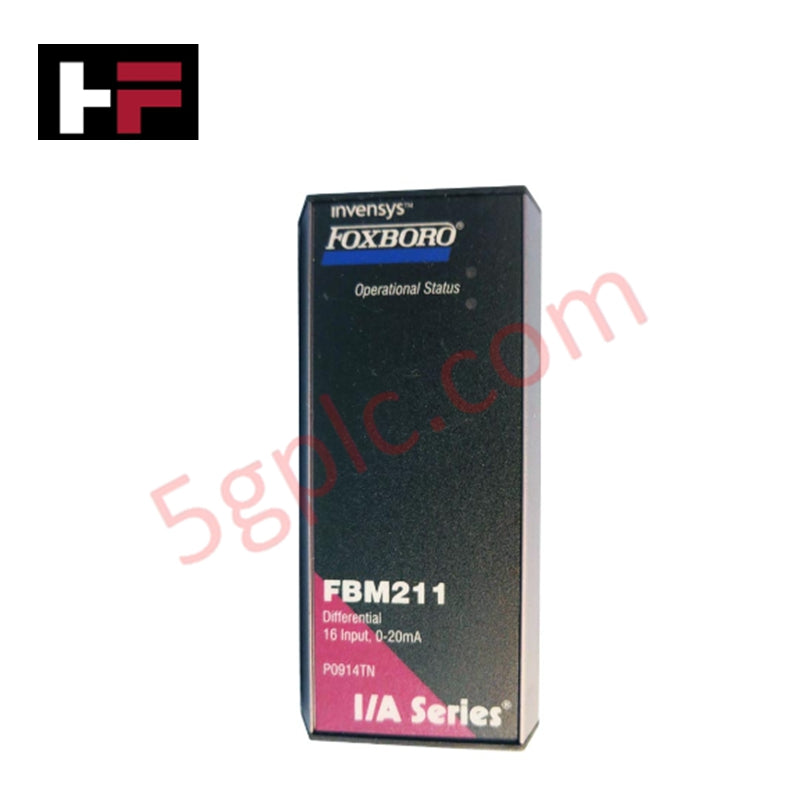
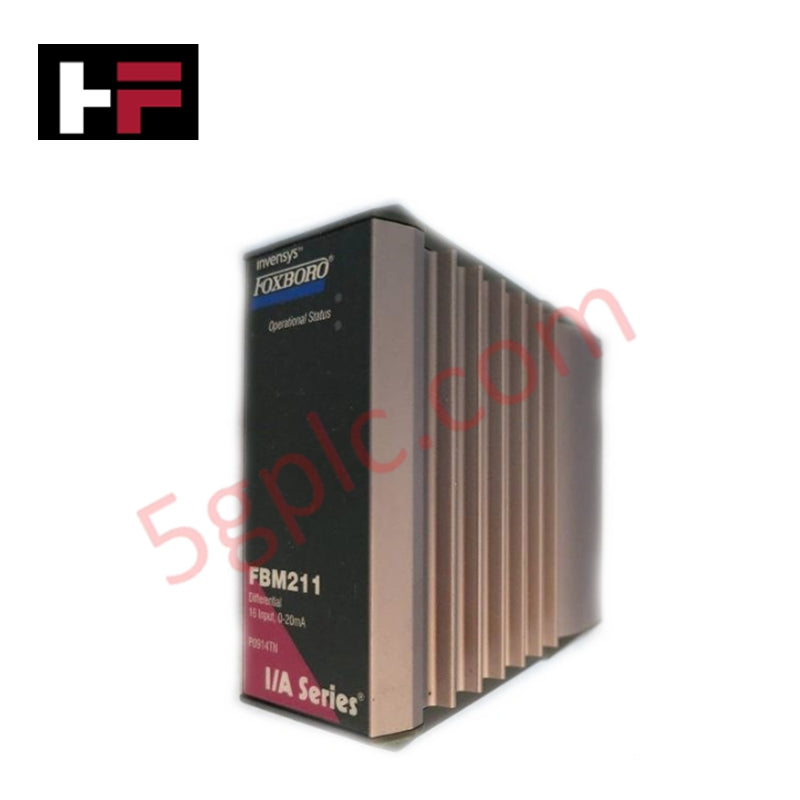
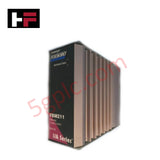
The Foxboro FBM211 (Part Number P0914TN) operates as a high-density analog input interface for the I/A Series Distributed Control System (DCS). It provides 16 differential channels specifically designed to interface with 0-20 mA DC field signals. By utilizing differential input architecture, this module effectively cancels out common-mode noise, ensuring precise data acquisition in electrically turbulent industrial environments. We supply this unit as 100% Brand New and Original, allowing plants to maintain or expand legacy I/A Series infrastructures with factory-fresh hardware.
Technical Specifications
| Feature | Specification Details |
| Manufacturer | Foxboro (Schneider Electric) |
| Part Number | P0914TN |
| Module Type | FBM211 (Differential) |
| Input Quantity | 16 Analog Input Channels |
| Input Signal Range | 0 to 20 mA DC |
| Category | Data Control System / DCS Module |
| Input Circuit | Differential |
| Unit Weight | 0.71 lbs (approx. 0.32 kg) |
Engineering Advantages
The FBM211 P0914TN addresses critical signal integrity and density requirements in large-scale process plants:
-
Superior Noise Rejection: The differential input design suppresses electromagnetic interference (EMI) and ground loops. This architecture ensures that the DCS receives clean signal data even when field wiring runs parallel to high-voltage power cables.
-
High-Density Cabinet Optimization: Integrating 16 channels into a single FBM slot minimizes the total footprint required for I/O hardware. This high density allows engineers to maximize cabinet capacity and reduce overall infrastructure costs.
-
Rapid Fault Diagnosis: The module continuously monitors the integrity of the 0-20 mA loop. It detects and reports open-circuit conditions or out-of-range signals to the control processor, enabling maintenance teams to identify field instrument failures instantly.
-
Robust Hardware Lifecycle: Despite being classified as discontinued by the original manufacturer, our Brand New stock provides a reliable path for lifecycle extension. This eliminates the need for expensive, premature system migrations by replacing failed legacy units with unused, original hardware.
FAQs
-
Can the FBM211 P0914TN support 4-20 mA signals?
Yes. While the hardware specification lists 0-20 mA, the module software configuration within the I/A Series environment scales and processes standard 4-20 mA industrial signals seamlessly.
-
What is the primary benefit of "Differential" inputs over "Single-Ended" inputs?
Differential inputs measure the voltage difference between two wires, effectively ignoring noise that affects both wires equally. This makes the FBM211 much more stable in plants with significant electrical noise or varying ground potentials.
-
Does this module require a specific baseplate?
The FBM211 installs into standard Foxboro DIN-rail mounted or rack-mounted baseplates. Ensure your baseplate supports the 200 Series FBM form factor and provides the necessary redundant fieldbus connections.
-
Is this a refurbished or used unit?
No. We guarantee this FBM211 P0914TN is 100% Brand New. It arrives in its original protective packaging, ensuring zero previous field service and maximum operational reliability.
Additional Information
- 100% Genuine Parts: All products are original and authentic, ensuring reliable industrial performance.
- 30-Day Refund Guarantee: Return any in-stock item within 30 days in original, unopened packaging for a full refund (excluding shipping and fees).
- 12-Month Warranty: Covers defects in materials or workmanship; excludes misuse, normal wear, or unauthorized modifications.
- Worldwide Shipping: We ship via USPS, UPS, FedEx, and DHL. Delivery times vary by country and may be subject to customs or import fees.
- Support & Contact: Technical and warranty assistance is available anytime. Contact us here: Contact.
- Purchase Guidance: Check product specifications and compatibility carefully before ordering to ensure proper application.




Tech & Buying Guide

Demystifying the DDE Protocol in Legacy Industrial Automation Systems
Modern control systems rely heavily on seamless interprocess communication to exchange operational data between software programs. Microsoft first introduced the Dynamic Data Exchange (DDE) protocol in 1987 to enable real-time data sharing. In factory automation, DDE served as an early bridge between control software and Windows desktop applications. Therefore, understanding DDE mechanics provides crucial insights into how legacy industrial networks established software-level connectivity.

Demystifying CPU Communication Ports in Siemens PLC Architectures
Industrial automation relies heavily on robust data exchange between devices. Without seamless connectivity, field instruments, network switches, human-machine interfaces, and programmable logic controllers cannot coordinate effectively. Therefore, understanding the various CPU communication ports available in Siemens hardware ensures efficient factory automation design and seamless system integration.

Mastering the Siemens PLC Scan Cycle: How the CPU Executes Automation Programs
Industrial automation relies heavily on programmable logic controllers (PLCs) to manage complex manufacturing processes. Many engineers dive straight into programming without mastering the underlying architecture. However, understanding how a PLC CPU executes a program ensures reliable system design. Therefore, mastering the scan cycle optimizes both performance and troubleshooting in modern control systems.