

Product Details
Product Overview
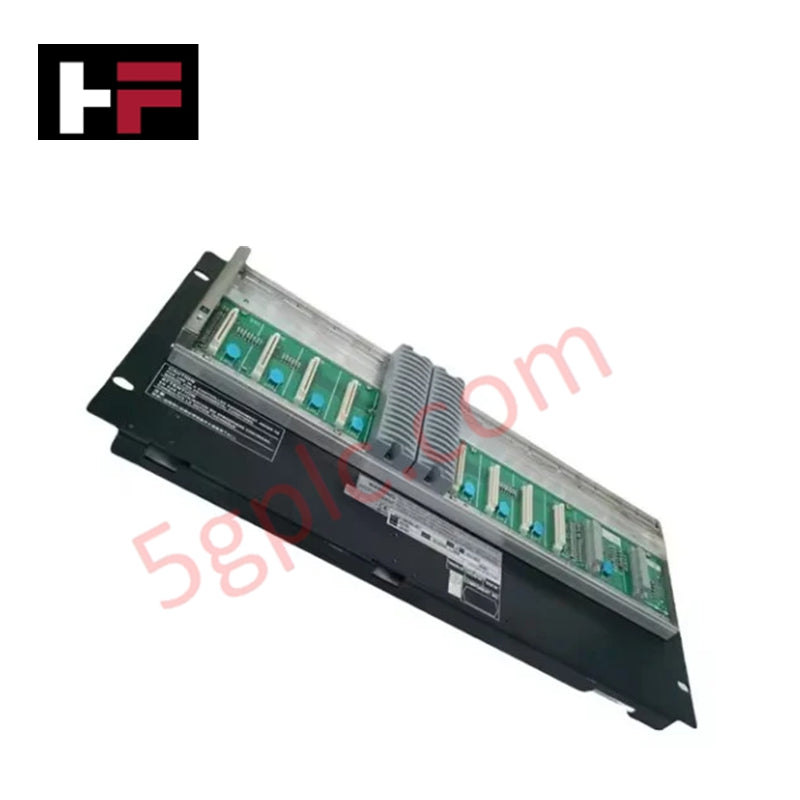
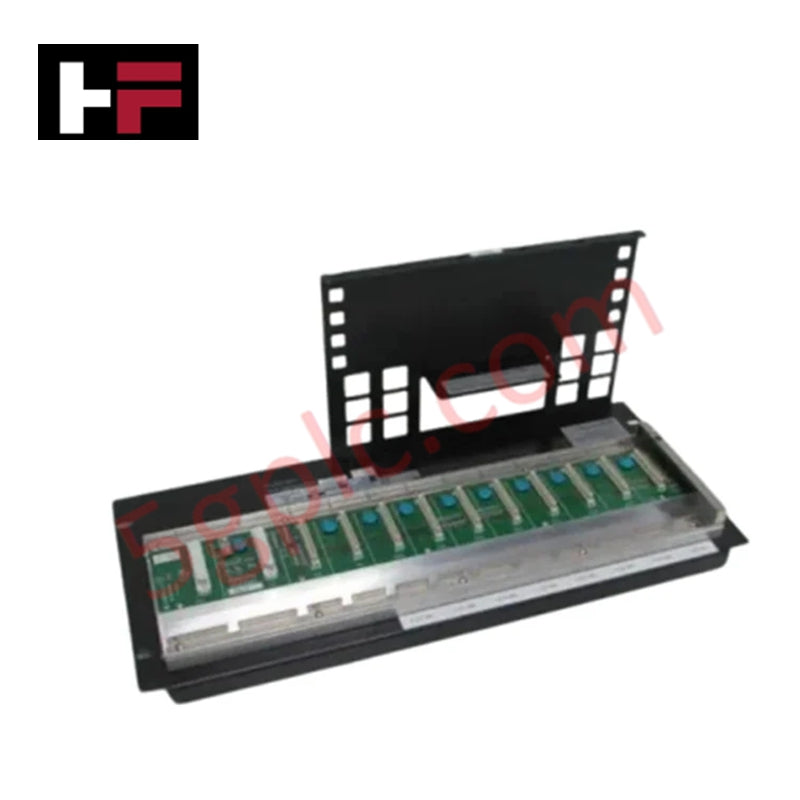
The Yokogawa ANB11D-215/BU2A/NDEL serves as a critical communication hub within the CENTUM VP integrated production control system. This node unit facilitates high-speed data exchange via a dual-redundant ESB bus, utilizing an optical repeater to bridge long distances. We supply this unit as 100% brand new and original equipment, ensuring peak performance for your industrial automation network.
Part Number Breakdown
The suffix logic for this Yokogawa node unit defines its specific hardware capabilities:
| Suffix/Option | Technical Interpretation |
| ANB11D | Node Unit for dual-redundant ESB Bus with optical repeater |
| -2 | Dual-redundant power supply configuration |
| 1 | 100-120 V AC Power supply |
| 5 | Basic type (no explosion protection) |
| /BU2A | Connector unit with built-in terminator for ESB Bus |
| /NDEL | Specific regional/compliance delivery standard |
Technical Specifications
This module provides high-density power and signal stability across the following parameters:
-
Input Voltage: 100–240 V AC (Wide range compatibility)
-
Internal Output: +5 V DC @ 10 A; +24 V DC @ 3 A
-
Power Consumption: 150 W maximum
-
Optical Range: Supports distances up to 5 km via optical fiber
-
Interface: /BU2A unit with integrated ESB Bus termination
-
Operating Temperature: 0°C to 55°C
-
Form Factor: 210 mm × 130 mm × 250 mm
-
Net Weight: 8 kg
Engineering Advantages
-
Extended Network Reach: The integrated optical repeater overcomes the 10-meter limit of standard copper ESB cables. It allows engineers to place remote I/O nodes up to 5 km away from the Field Control Station (FCS), perfect for tank farms or sprawling processing plants.
-
Fault-Tolerant Architecture: The dual-redundant power supply design eliminates single points of failure. If one power source drops, the unit continues operation without interrupting the ESB bus communication, preventing costly process trips.
-
Reduced Wiring Complexity: By utilizing the /BU2A connector with a built-in terminator, the unit simplifies the physical bus topology. This eliminates the need for external termination resistors, reducing installation errors and commissioning time.
-
Superior EMI Immunity: Optical transmission inherently resists electrical noise. This unit maintains signal integrity in environments with heavy motors, VFDs, and high-voltage cabling where copper signals would typically suffer from interference.
FAQs
-
Does this unit require a separate ESB Bus terminator?
No. The "BU2A" designation indicates that this unit includes an integrated terminator. You can connect it directly to the end of your ESB bus branch without additional hardware.
-
Can I use this unit in hazardous areas?
This specific model (Code 5) is a "Basic Type." It does not carry explosion-proof ratings. You must install it in a non-hazardous, controlled environment or within a suitably rated flameproof enclosure.
-
How does the unit handle power fluctuations?
The ANB11D-215 employs a wide-range AC input and robust internal regulation (±3% for 5V line). It filters standard industrial line noise to provide clean DC power to the connected I/O modules.
Additional Information
- 100% Genuine Parts: All products are original and authentic, ensuring reliable industrial performance.
- 30-Day Refund Guarantee: Return any in-stock item within 30 days in original, unopened packaging for a full refund (excluding shipping and fees).
- 12-Month Warranty: Covers defects in materials or workmanship; excludes misuse, normal wear, or unauthorized modifications.
- Worldwide Shipping: We ship via USPS, UPS, FedEx, and DHL. Delivery times vary by country and may be subject to customs or import fees.
- Support & Contact: Technical and warranty assistance is available anytime. Contact us here: Contact.
- Purchase Guidance: Check product specifications and compatibility carefully before ordering to ensure proper application.


Tech & Buying Guide

Importance of Safety Barriers in PLC and DCS Control Systems

Static UPS vs. Rotary UPS: Technical Evaluation for Industrial Automation